Leave Your Message

Blog

How to Choose the Best Container Homes?

How to Choose the Best Container Homes?

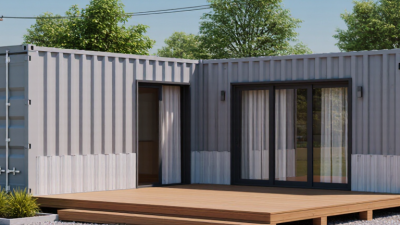
Honestly, picking the right container home isn’t really about how stunning it looks in a photo. It’s about how you actually plan to live in it. A tiny studio you’ll use once in a while? That’s a totally different set of needs than a full-time family home. So sit down and think through your priorities—sleeping space, storage, accessibility, whether you might need to adapt things down the road. Get specific. Maybe measure the furniture you already have, and mentally map out where the doors, windows, and everyday walking paths would go. It makes a bigger difference than you’d think. Next, dig into the construction details. Don’t just take the seller’s word for it—ask for specifics on the steel frame, insulation, windows, ventilation, and interior finishes. Honestly, these choices can make or break things like comfort, condensation, noise, and how much upkeep you’ll be dealing with down the road. Just because a container once hauled cargo across the ocean doesn’t mean it’s automatically fit for someone to live in. So have a qualified building professional take a close look at the design, foundation, and site conditions before you get too far. And definitely confirm the proposed layout meets local requirements before you commit—otherwise, you might be in for some costly surprises. Let’s be real—costs are where things can get tricky. Don’t just accept a lump sum; ask for a detailed, line-by-line estimate that covers transport, site prep, getting utilities hooked up, installation, and any upgrades that are probably going to come up. Because yeah, tiny omissions can blow the budget later. Also, look into the manufacturer’s track record—past projects, warranty terms, references, how they handle inspections. Photos are nice and all, but they won’t tell you how a place handles a damp winter or a scorching afternoon. So ask pointed questions, and get the important stuff in writing. Look, there’s no perfect option here. A bigger model might feel like a great deal, but it’ll cost you more to ship. A smaller one? You’ll need to get creative with storage. It’s a real trade-off, no way around it. This guide is here to help you weigh design, materials, suppliers, and what you’ll actually need down the road—while keeping practical comfort front and center, not just how it looks.
Read more »
Oliver By:Oliver - November 6, 2026
10 Best Prefab Container Houses for Sale Worldwide

10 Best Prefab Container Houses for Sale Worldwide

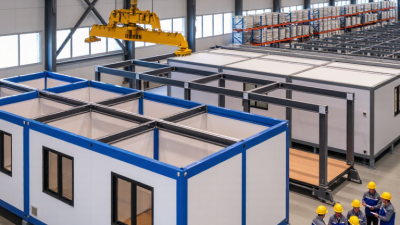
So, picking a prefab container house isn't just about finding something that looks good from the outside. Honestly, you've got to dig into the real stuff—like how much usable floor space you're actually getting, the insulation quality, what the walls are made of, how they'll deliver it, and what you'll need to do before you can even move in. You know, sometimes a compact model looks way bigger in photos than it really is, and then you try to fit a dining table or a storage cabinet in there and it feels super tight. Yeah, the little details really matter. So, you're curious about prefab container homes? Well, this guide rounds up ten different models from suppliers scattered across the globe. We dig into the nitty-gritty—like how flexible the layout is, where the windows are placed, what kind of bathroom and kitchen fittings you get, and whether the thing shows up ready to go or if you'll need to spend some time putting it together. Oh, and by the way, some listings even throw in Container House Prefab Kits — which is a pretty sweet deal if you're the type who likes to have a say in the final touches. Just keep in mind that the specs and what's included can differ from one to another, so it's always a good idea to double-check with the seller before you commit. But honestly, no single list works for everyone. Things like climate, how easy it is to reach the site, local building codes, and even shipping distance can really change what a model actually costs and whether it's even suitable. And that super low advertised price? It might not include the foundation, hooking up utilities, or any interior upgrades. That's a big deal, right? So treat product descriptions as just a starting point—then dig deeper. Ask for drawings, material specs, warranty details, and get a written estimate on delivery. These homes are worth checking out, that's for sure, but before you pull the trigger on any of them, you'd better do some serious homework.
Read more »
Ethan By:Ethan - November 1, 2026
10 Insulated Roofing Tips for Global Buyers

10 Insulated Roofing Tips for Global Buyers

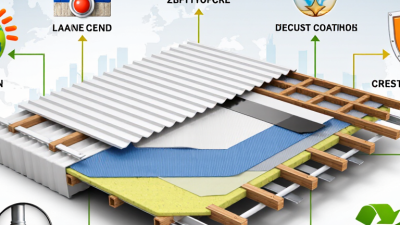
People are finally catching on—roofs aren't just about keeping the rain off anymore. They're becoming full-blown energy systems. Take Insulated Roofing, for example. It can seriously reduce heat transfer, keep condensation in check, and stop those annoying indoor temperature swings. But here's the kicker: it doesn't always work wonders. You've got to factor in your local climate, how well it's installed, proper ventilation, and whether the materials are compatible with each other. So it's not a one-size-fits-all solution, but when done right, it's a game changer. Did you know that our buildings are actually pretty hungry for energy? The International Energy Agency did the math and found that they gobble up about 30% of the world's final energy. And they're not just eating energy—they're also coughing up a hefty chunk of emissions, around 26% of energy-related ones. Then you've got the UN Environment Programme chiming in with another number: in 2022, buildings and construction accounted for roughly 34% of global energy demand. So if you're thinking about roof insulation, these stats pretty much sell it—it's not just some boring spec sheet detail, it's a smart money move. But here's the catch: you can't just copy-paste a roof design. A roof that works great in Dubai? It might totally fail in Stockholm unless you're super careful about moisture and all that. So yeah, it's a bit of a balancing act. Look, there's a guy named Dr. Joseph Lstiburek—founder of Building Science Corporation—who nails it when he says, “The building enclosure is a system, not a collection of components.” And honestly, that's the whole ballgame when you're buying materials. You can't just tick off boxes on a spec sheet. I mean, sure, you need to think about thermal resistance, vapor control, fire performance, wind uplift, recycled content, and whether the installers know what they're doing. But a shiny product sample? That proves next to nothing. What really counts is how the roof edge, fasteners, joints, and drainage path all work together. Because even a tiny gap can turn into a cold bridge—and trust me, you don't want that. You know, those poorly sealed penetrations? They're like an open door for moisture to get behind the insulation. Look, reports can give you a decent starting point, but they shouldn't be your only source. You've got to check what's actually on the ground. And here's the thing: product declarations might follow different testing standards, so comparing them directly gets messy. Anyway, this guide covers ten insulated roofing tips for global buyers. But let's be honest, the cheapest roof isn't usually the most cost-effective one over its lifetime. To make sound decisions, you need verified data, a local engineer to look things over, and you have to keep up with maintenance.
Read more »
Isabella By:Isabella - October 27, 2026
How to Choose the Best Metal Sandwich Panel Roof?

How to Choose the Best Metal Sandwich Panel Roof?

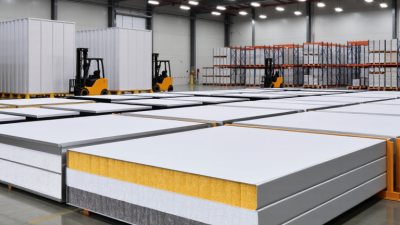
Picking the right Metal Sandwich Panel Roof isn’t just about comparing prices. You’ve got to think about the building, the climate, the structure, and how it’s going to be installed. A warehouse near a humid coast? It needs different protection than a cold storage facility inland, for sure. And honestly, the little stuff matters over time—core type, panel thickness, coating, joint design, drainage. All of that affects long-term performance. You’ll hear building-science expert Joseph Lstiburek say it a lot: 'Water is the enemy.' And honestly, that warning is worth taking seriously here. Even a strong panel can end up failing if water gets into laps or penetrations that weren’t sealed well. So take a good look at the insulation core, thermal conductivity, fire performance, and documented load capacity. Also check what the actual site demands—snow, wind, maintenance, all of it. And don’t just rely on a quick claim from a brochure. Experience counts too, honestly. When you're doing inspections, it's often the little things that point to bigger problems. A crushed edge here, a loose fastener there, or a bit of missing sealant can lead to condensation and corrosion down the line. So ask the supplier for test reports, installation manuals, warranty terms, and project references—don't skip that. Companies like Kingspan and Tata Steel do publish a lot of technical info, but even so, every product still needs its own independent evaluation. Honestly? There's no such thing as a perfect panel. That's the first thing to keep in mind. The best metal sandwich panel roof is really a balancing act—thermal efficiency, structural safety, looks, service life, and budget all matter. And you can't forget the installer; if it's a pain to put up, that's a problem too. Sometimes a slightly thicker panel will cut your heating bills down the road. Other times, though, it just costs more and doesn't fix what's actually wrong. So look at the roof as a whole system, not just a bunch of separate products. Honestly, a qualified designer really ought to double-check the final pick against whatever the project actually needs right now—and, of course, the building standards that apply.
Read more »
Oliver By:Oliver - October 24, 2026
2026 Top Modular Home Types for Global Buyers?

2026 Top Modular Home Types for Global Buyers?

So the 2026 housing market? Yeah, it's shifting—but honestly, not everywhere at the same pace. These days, Modular Homes give buyers around the world quicker planning, more controlled production, and plenty of design flexibility. But here's the thing: “modular” doesn’t mean cookie-cutter. A tiny studio, a family villa, a multi-unit place—each one calls for its own set of choices. So, if you're an international buyer checking out modular homes, this guide walks you through some of the top types. Think coastal cabins, townhouse modules for city living, family homes that can expand, and energy-efficient residences. Each one has its own practical strengths. Building in a factory can make things more consistent, though the farther it has to travel, the more it might cost. And don't forget the local side of things: foundations, climate, utility systems, and planning approvals all come into play. At the end of the day, the details really matter most. A house built for Sweden? Yeah, that’s not automatically going to work in tropical Malaysia. Things like insulation, ventilation, roof angles, and moisture protection really need to fit the site. So if you’re buying, look for suppliers with real experience—they should be able to give you drawings, material specs, warranty terms, and installation guidance. And whenever you can, get an independent inspection too. A glossy brochure alone? That’s not proof of much. We’ll look at layouts, how things are built, where they might actually be useful, and the risks that tend to come up. The goal is to tell real efficiency apart from the kind of polished marketing talk that sounds good but doesn’t always hold up. And yeah, some recommendations might not be perfect—prices, regulations, and shipping conditions can shift fast. That uncertainty is worth talking about, not hiding. If you're buying from overseas, think of this overview as just a starting point—not the final word. You'll still want local architects, engineers, and other qualified building pros to confirm the actual requirements. And honestly? The best modular home is almost never the biggest or the cheapest one. It's the design that truly fits the land, the climate, your budget, and how you plan to live there over the long haul.
Read more »
Isabella By:Isabella - October 21, 2026
How to Choose Modular Steel Buildings in 2026?

How to Choose Modular Steel Buildings in 2026?

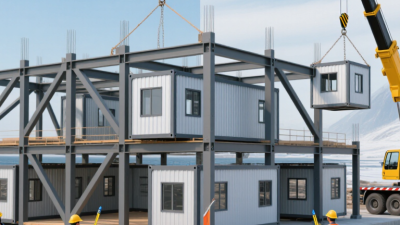
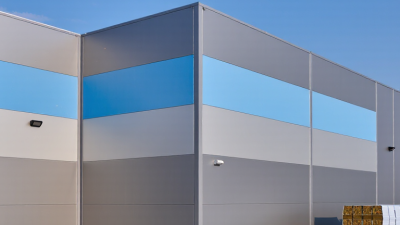
So, if you're looking at Modular Steel Buildings in 2026, it's not just about comparing prices, floor areas, or pretty renderings. A solid decision starts with what the building is actually for, where it's going, what the climate is like, and how long you expect it to last. Will it be offices, classrooms, workshops, or maybe temporary facilities? Each one changes the insulation, fire resistance, ventilation, loading, and interior specs you need. Before signing anything, experienced project teams dig into structural drawings, connection details, factory quality records, and installation procedures. And that cheapest quote? It might not stay cheap once you add transport, foundations, crane access, and site prep. Take a closer look. Steel grades, protective coatings, and drainage details really do deserve attention. In coastal areas, corrosion protection can shape maintenance costs for decades. In colder regions, badly designed joints can lead to thermal bridges, condensation, and rooms that just don't feel comfortable. Ask manufacturers for test reports, warranty terms, energy calculations, and clear responsibility schedules. Independent engineers should check the design against local requirements and actual site conditions. Supplier reputation matters, sure, but documentation matters more. A polished website proves very little. Digital tools can make coordination better in 2026, especially when Building Information Modeling catches clashes before manufacturing. But tech can't fix bad measurements or weak communication. Site access, delivery timing, and utility connections still need practical planning. Modular Steel Buildings can shorten construction schedules, but the savings aren't automatic. Delays happen when transport permits, foundations, or approvals get overlooked. No shortlist is perfect. A thoughtful buyer compares lifecycle value, not just the first invoice, and writes down the assumptions behind every choice. That habit makes later revisions easier and helps expose risks before they get expensive.
Read more »
Oliver By:Oliver - October 16, 2026
China Top Sandwich Composite Panels Suppliers?

China Top Sandwich Composite Panels Suppliers?

Picking among China’s top Sandwich Composite Panels suppliers isn’t just about price tags or glossy catalog shots. You want someone who can show real control over core density, consistent facer bonding, accurate panel sizes, and actual fire-performance test documentation. Those things matter when the panels end up on a warehouse wall, a cold-room ceiling, or a cleanroom partition. Tiny defects can pop up fast—and they can mess with thermal efficiency, moisture resistance, and how long installation takes. So this guide looks at makers like Kingspan, JYInsulation, Balex Metal, and other well-established suppliers based in China, but through a buyer’s eyes. We’re talking production experience, material traceability, QC procedures, export capability, and after-sales support. Certifications by themselves? Not enough. Ask for recent test reports, project references, panel samples, and warranty terms that are actually clear. And check whether the performance numbers apply to the whole panel system, not just the core material. People miss that distinction all the time. As composites researcher Dr. John Summerscales put it, “A composite is only as reliable as its design, manufacture, and inspection.” That fits sandwich composite panels pretty closely. So supplier selection should tie technical evidence back to real site conditions: wind loads, humidity, temperature cycles, fire regulations—all of it. A cheaper price can look tempting. But after delays, replacements, or a painful install, it might not stay cheap. Some comparisons also lean on incomplete public info. That’s worth being honest about. The overview below is meant as a balanced starting point—so you can spot capable suppliers and ask sharper questions before you place an order.
Read more »
Oliver By:Oliver - October 12, 2026
Why Choose Aluminium Wall Panels for Global Projects?

Why Choose Aluminium Wall Panels for Global Projects?

So, why pick aluminium wall panels for projects around the world? The real answer starts with performance—not just looks. Aluminium Wall Panel systems are lightweight, resist corrosion, and give you a lot of design freedom, which is why they turn up in airports, hospitals, offices, and coastal builds. A typical panel? Two installers can carry it, it can be lifted across a narrow scaffold, and it can be fitted around windows with relatively little disruption on site. That kind of practical detail really matters when labor, transport, and weather change from one country to the next. The International Aluminium Institute’s Aluminium Sector Greenhouse Gas Pathways to 2050 report expects aluminium demand to rise from roughly 86 million tonnes in 2020 to 119.5 million tonnes by 2050. The same industry body also reports that about 75% of all aluminium ever produced is still in use. Those numbers do support aluminium’s long service life and recycling potential. But they don’t automatically make every project sustainable. You still have to check energy sources, coatings, transport distances, and end-of-life recovery. No panel is green just because it’s aluminium. As aluminium façade specialist Dr. Matthias Hoj put it, “Material selection must connect durability, design, and responsible production.” It’s a useful principle—though maybe a little too neat on its own. Global teams need to compare Aluminium Wall Panel systems with alternatives, including the Exterior Wall Rockwool Sandwich Panel, against local fire, thermal, acoustic, and wind requirements. Environmental Product Declarations, recycled-content evidence, and tested fixing details give you stronger assurance than a glossy brochure. The World Green Building Council also stresses transparent life-cycle thinking in building decisions. So yes, aluminium deserves serious consideration—but not blind preference. Performance is easy to see. Supply-chain quality? That’s a lot harder.
Read more »
Ethan By:Ethan - October 7, 2026
China Best Prefab Modular Homes Suppliers?

China Best Prefab Modular Homes Suppliers?

When you're trying to pick the best prefab modular homes from China, it’s definitely more than just comparing online prices. You really want to look into a few key things like how long the company has been around, their engineering know-how, the quality of materials they use, and what kind of support they offer after the sale. Big names like K-HOME, DeepBlue SmartHouse, and GS Housing are pretty well-known in international markets, but honestly, reputation alone isn’t enough to make a solid choice. Do your homework. A trustworthy supplier should give you clear drawings, structural calculations, fire safety documentation, and detailed schedules for delivery. If possible, visiting their factory can be super revealing—brochures only show part of the story. During visits, check things like welding quality, how well walls are insulated, window seals, plumbing layouts, and electrical protections. Also, ask if they've completed projects similar to yours—say, a coastal resort, worker housing, or family homes—since different projects need different solutions. And don’t forget about good communication. Reliable companies will be upfront about what they can and can’t do, rather than promising the moon. They should also help you figure out local foundation requirements, transport stuff to your site, installation conditions, and ongoing maintenance needs. Using independent inspections, approving samples beforehand, and setting up staged payments can save you a lot of headaches down the road. While certifications can help you gauge a company's reliability, it's a smart move to verify what those certifications actually mean and if they’re legit. Honestly, the cheapest quote isn’t usually the best choice. A low-ball price might cut corners on foundations, finishes, taxes, or on-site assembly. Sometimes, their website might even have outdated project info—that’s a red flag and worth asking questions about. This guide takes a practical look at top Chinese prefab modular home suppliers, considering aspects like how much they can produce, their ability to customize projects, quality control measures, the experience they've gathered on different types of projects, and their customer support. The goal isn’t to push one company over another blindly but to help you make a well-informed, realistic decision. Sure, mistakes can still happen, but doing your due diligence will save you money and trouble in the long run.
Read more »
Oliver By:Oliver - October 4, 2026
What Are Container Homes and How Much Do They Cost?

What Are Container Homes and How Much Do They Cost?

Container homes, which you can check out [here](https://www.vicdowex.com/container-homes), are often seen as affordable and compact alternatives to traditional houses. Basically, they start with either brand-new or used steel shipping containers—usually 20 or 40 feet long. When finished, they can include insulation, windows, plumbing, wiring, flooring, and even a cozy little kitchen. Looks pretty straightforward in pictures, right? But in real life, building one? That’s a whole different story. It rarely feels so simple on-site! Costs can really vary a lot. You might get just the basic shell for a few thousand bucks, but a fully finished home can easily run over $100,000. And don’t forget, things like land prep, getting permits, transportation, foundation work, hooking up utilities, and interior finishes—those can all add up fast. Sometimes, just bringing the container in with a crane can surprise you with an unexpected expense. Plus, local labor rates make a difference too. Building in a remote area? That can end up costing more than in the city, even if the container itself doesn't cost much. This guide digs into the practical side of container homes—covering costs, construction options, and common pitfalls. We draw on insights from builders, inspectors, architects, and other housing pros. What’s clear is that just because steel is super strong, doesn’t mean it’s automatically comfortable. Without proper insulation, your place can get scorchingly hot in summer or turn a bit freezing in winter. Moisture control and rust prevention are also super important. Sure, estimates can be helpful, but they’re not guarantees—that’s a pretty common shortcoming in many online cost guides. If you’re serious about this, you should ask for detailed quotes, check out the actual condition of the container, and make sure it lines up with local building rules before putting down any deposit. Living in a container can be super efficient and attractive, but be cautious—things can get pricier than expected if you don’t challenge your initial assumptions.
Read more »
Ethan By:Ethan - September 30, 2026
What Are the Best Prefabricated Metal Building Panels in 2026?

What Are the Best Prefabricated Metal Building Panels in 2026?

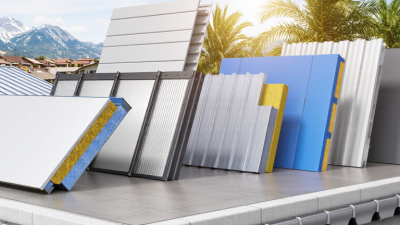
Picking the best prefabricated metal building panels for 2026 really depends on a few key things – like what the building’s for, the local weather, and how it’s supposed to perform. I mean, a panel that works great for a simple dry equipment shed might not cut it for a heated workshop or a warehouse near the coast. It’s not just about the price, either. You’ve gotta consider insulation, coatings, how the joints are designed, warranty details, and also take a look at the manufacturer’s testing docs. Keep in mind, walls and roofs face totally different challenges. Rain can sneak into poorly detailed seams, and that blazing afternoon sun can turn an uninsulated interior into a sauna. Usually, you’ll see options like single-skin panels, insulated metal panels, or panel systems combined with separate insulation. Each comes with its own pros and cons when it comes to cost, ease of installation, and thermal performance. Seriously, those little details matter a lot. Tony Bouquot, who’s been around the block at the Metal Building Manufacturers Association, offers some solid advice. A good way to sum it up (paraphrasing here) is: *“Choose panels as part of your whole building system, not just as standalone sheets.”* Not a direct quote, but it hits the point home. When you’re evaluating expert advice, it’s important to keep that in mind. Prefabricated Building Materials can make construction way easier, but just seeing product labels doesn’t automatically mean they’re right for your project. You’ve got to compare the specs with what you actually need, and ask how fasteners, trims, and insulation work together. Some comparisons are still tricky because products differ in how they’re tested, covered by warranties, or scoped out. This guide walks you through the main types of panels, their strengths, and what questions you should be asking before you pick one.
Read more »
Oliver By:Oliver - September 26, 2026
Top 10 Insulated Roofing Suppliers for Global Buyers

Top 10 Insulated Roofing Suppliers for Global Buyers

Picking the right Insulated Roofing supplier isn’t just about comparing prices — it’s a lot more complicated than that. As a global buyer, you really need to think about things like thermal performance, moisture control, fire resistance, how quickly they can deliver, and the level of technical support they offer. These factors become especially crucial when the roof has to handle snow, coastal humidity, bright sunlight, or rapid temperature swings. In this guide, we've looked at ten well-known suppliers like Kingspan, ROCKWOOL, ArcelorMittal Construction, Metecno, Tata BlueScope Steel, Ruukki Construction, Isopan, Paroc, Norbec, and Green Span Profiles. Their products vary quite a bit — from core materials and panel profiles to coatings, certifications, and where they’re available geographically. Before you go ahead and sign a contract, it’s smart to check test reports, warranty details, installation instructions, and procedures for replacing parts. Sometimes, a price that looks super low can hide higher shipping costs or tricky installation on site. Dr. Joseph Lstiburek, a well-respected expert in building science, keeps it simple: “Buildings are systems.” This idea applies directly to Insulated Roofing. Sure, a panel might perform great in a lab setting, but that doesn’t mean it’ll do well in real-world conditions — especially if joints, fasteners, ventilation, or drainage aren’t properly designed. Little details really matter. Condensation can even start behind a panel that seems perfect at first glance. The truth is, no ranking or list can guarantee there won’t be surprises. Plus, requirements can change depending on your country, project type, or climate zone. So, think of this list as a helpful starting point — not the final say. It combines experience, product info, technical credibility, and what buyers around the world are considering. That said, some comparisons aren’t perfect, and that’s totally normal to acknowledge. Always make sure to involve local engineers to double-check everything — it’s always worth it.
Read more »
Ethan By:Ethan - September 23, 2026
2026 Top Interior Decorative Panel Types for Global Buyers

2026 Top Interior Decorative Panel Types for Global Buyers

By 2026, folks looking to choose interior decorative panels will find themselves spoiled for choice more than ever before. You’ve got options like wood veneer, PET acoustic panels, bamboo fiber boards, stone-plastic combos, compact laminates, and fire-rated metal systems—each suited to different project needs. And honestly, each choice can totally change how a space looks, how much maintenance it needs, and what it’ll cost to install. When it comes to picking the right one, feeling the textures matters too. A smart starting point isn’t just about falling for pretty samples. Instead, it’s about digging into the details—comparing core materials, how durable the surface is, resistance to moisture, acoustic quality, fire safety, and indoor air quality. For example, a panel that looks like oak might not hold up well in a humid bathroom, and a lightweight board might be cheaper to ship but could need sturdier fixing systems. If you’re decorating something like a container house, you also gotta consider weight, condensation, vibrations, and limited wall space. Good suppliers will give you all the technical sheets, test results, installation tips, and info on batch consistency. Keep in mind, local building codes still play a big role in what you can actually use. Just because a product is internationally certified doesn’t mean it meets your country's requirements automatically. And be wary of vague claims—testing methods can vary between suppliers, and some samples might hide flaws like edge swelling or color inconsistency. It’s super smart to ask for physical samples, check out how joints look, and look at past projects before dropping a lot of cash. Small details like a tiny 3-millimeter edge gap, a washable coating, or matching trims around doorways can make a big difference. Bottom line? The perfect interior decorative panel isn’t always the most trendy or flashy. It should strike a good balance between how it looks, proven performance, reliable supply, and sourcing responsibly. This guide walks you through some top panel types used in hotels, homes, retail spaces, modular setups, and commercial interiors—just remember, no one material fits every climate or budget perfectly.
Read more »
Isabella By:Isabella - September 19, 2026
10 Best Modular Homes for Global Buyers?

10 Best Modular Homes for Global Buyers?

You might have heard of Modular Homes, and lately, they’re really gaining ground—not just as a niche option, but as a serious choice for buyers all over the world. Building these homes in a factory helps keep things consistent, cuts down on weather-related delays, and can even speed up construction on site. In fact, a report from McKinsey & Company called “Modular Construction: From Projects to Products” suggests that using modular methods could cut project timelines by anywhere from 20% to 50%. Plus, there's potential savings of up to 20% on costs. But, to be clear, these are estimates—not guarantees or promises. It's all about the details, right? A home packed up from a factory—say, in Poland—might arrive with insulated wall panels, windows already fitted, and electrical systems tested and ready to go. Sounds pretty sweet, huh? But here’s the thing: you still need suitable land, foundations, access for transport, and the right local approvals. And what works in one part of the world doesn’t always translate perfectly elsewhere. For instance, a house designed with certain wind, fire, energy standards, or accessibility features might need some tweaks to meet local rules, whether you’re in Canada or Australia. Data from the World Bank and United Nations also show that cities are growing fast, which fuels the demand for quick, flexible housing solutions. But let’s be honest—speed alone isn’t a guarantee of quality. That’s why this guide takes a close look at the 10 best modular homes for global buyers. We consider real, practical factors like how flexible the design is, the quality of materials, how well they can be delivered, after-sales support, and whether they’re adaptable to different regions. We look at companies like Clayton Homes, Fleetwood Homes, Huf Haus, and Method Homes—and yes, availability can vary depending on where you are. The Modular Building Institute has even done some research emphasizing how important permanent modular construction is becoming, especially in North America. Now, a quick heads up: comparing prices isn’t always straightforward. Costs can change once shipping, site prep, taxes, and utility hookups are factored in. Plus, claims about sustainability need to be carefully checked—just because a factory is efficient doesn’t automatically mean the home is low-carbon. Buyers should definitely request detailed specs, warranty info, energy data, and proof of local compliance before making any decisions. This part isn’t glamorous—let’s be real—but trust me, it’s often the most crucial.
Read more »
Ethan By:Ethan - September 16, 2026
10 Tips to Choose Metal Roofing Panels and Tiles?

10 Tips to Choose Metal Roofing Panels and Tiles?

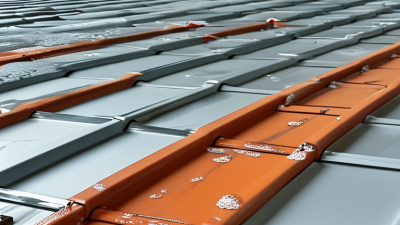
Choosing the right metal roofing panels and tiles isn’t just about picking a color, a profile, or trusting the warranty that's advertised. Honestly, a roof has got to work with the building’s style, the climate where you live, the actual structure, and how it's installed. Something that looks really great in a showroom might not perform so well in real life if you ignore things like proper drainage, expansion joints, or where the fasteners go. Todd Miller, who’s the president over at Isaiah Industries, sums it up pretty well: “A metal roof is a system, not just a bunch of panels slapped together.” That’s a key idea that guides this practical rundown. We’re going to look at stuff like how thick the panels are, what kind of coatings they have, the profiles and shapes, tile designs, warranties, and support from suppliers. Plus, how all these choices play into the actual installation process—from cutting around skylights to making sure the edges stay secure, especially when the wind picks up. Details really do matter here. Take a close look at the substrate, clips, screws, sealants, and flashing. Make sure the product has been tested for performance and that clear, straightforward installation instructions are included. Ask about how the finish copes with sunlight, salt air, hail, and temperature swings. Also, it’s worth thinking about your roof’s pitch and ventilation — some of those fancy tiles look lovely but might need more precise alignment than you think. Now, no checklist is perfect. Even seasoned folks can overlook stuff like condensation control or how easy it is to do repairs down the line. Those little details are really important. The best decisions come from a combination of solid manufacturer info, skilled installation, and honestly assessing what your building actually needs. This guide is here to help you ask better questions before you buy your metal roofing panels or tiles — it’s about more than just how it looks, after all.
Read more »
Oliver By:Oliver - September 12, 2026