

Modular Hotel Construction: How Resorts Can Build Faster with Prefabricated Hotel Roo
For resort developers, tourism operators and hospitality investors, construction time can directly influence when a project begins generating revenue.
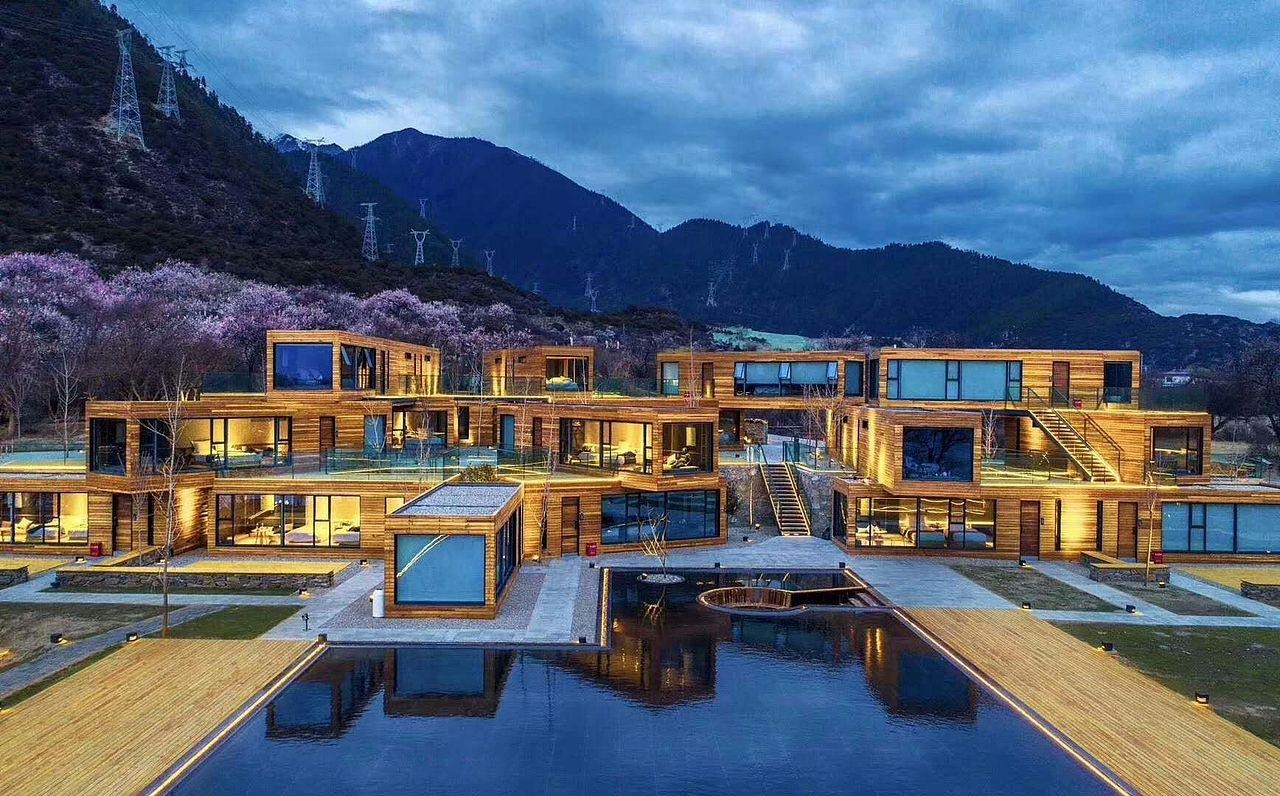
Beach resorts, mountain retreats, eco-lodges, glamping sites, holiday parks and scenic destination hotels often operate around seasonal demand. If guest rooms are not completed before the high season, a project may lose an important operating window.
This is one reason modular hotel construction is attracting increasing attention in hospitality projects.
Instead of completing most construction work at the project site, a modular hotel uses factory-manufactured structural and building components that can be transported to the destination and assembled on site.
For suitable projects, prefabricated hotel rooms allow factory production and site preparation to progress at the same time, helping developers create a more controlled construction schedule.
However, modular construction is not simply about building faster.
A successful modular hotel project requires coordinated planning of room layouts, structural systems, transportation, lifting conditions, interior finishes, utilities, local climate and building regulations.
This guide explains how modular hotels work and what project owners should consider before selecting a prefabricated hotel solution.
Why Construction Speed Matters for Resort Hotel Projects
Hospitality projects in tourism destinations often face conditions that are very different from conventional urban construction.
Projects may be located in:
-
Mountain areas
-
Forest resorts
-
Coastal destinations
-
Islands
-
Lakeside developments
-
Desert tourism zones
-
Eco-tourism parks
-
Glamping and camping sites
-
Remote scenic destinations
These locations may have limited local labor, difficult material transportation and restricted site access.
Weather can also affect the construction schedule.
Heavy rainfall, high humidity, extreme heat, cold temperatures or strong winds may interrupt traditional on-site construction.
Meanwhile, conventional hotel construction requires multiple trades to work sequentially or simultaneously, including structural work, roofing, wall construction, mechanical and electrical installation, waterproofing and interior finishing.
A modular approach reorganizes this process.
While foundations and utility connections are being prepared at the destination, modular hotel rooms can be manufactured in the factory at the same time.
The main advantage is therefore not simply faster installation.
It is the ability to move part of the construction workload away from the project site and organize factory production and site preparation in parallel.
What Is a Modular Hotel?
A modular hotel is a hospitality building constructed using prefabricated structural modules or building systems manufactured partly or substantially in a factory.
Depending on the project design, one module may form:
-
One guest room
-
Part of a guest room
-
A bedroom and bathroom
-
A reception area
-
An office
-
A restaurant
-
A meeting room
-
A staff accommodation unit
-
A service or utility room
Two or more modules can also be connected to create larger spaces such as family suites, premium rooms, restaurants, lounges or other public areas.
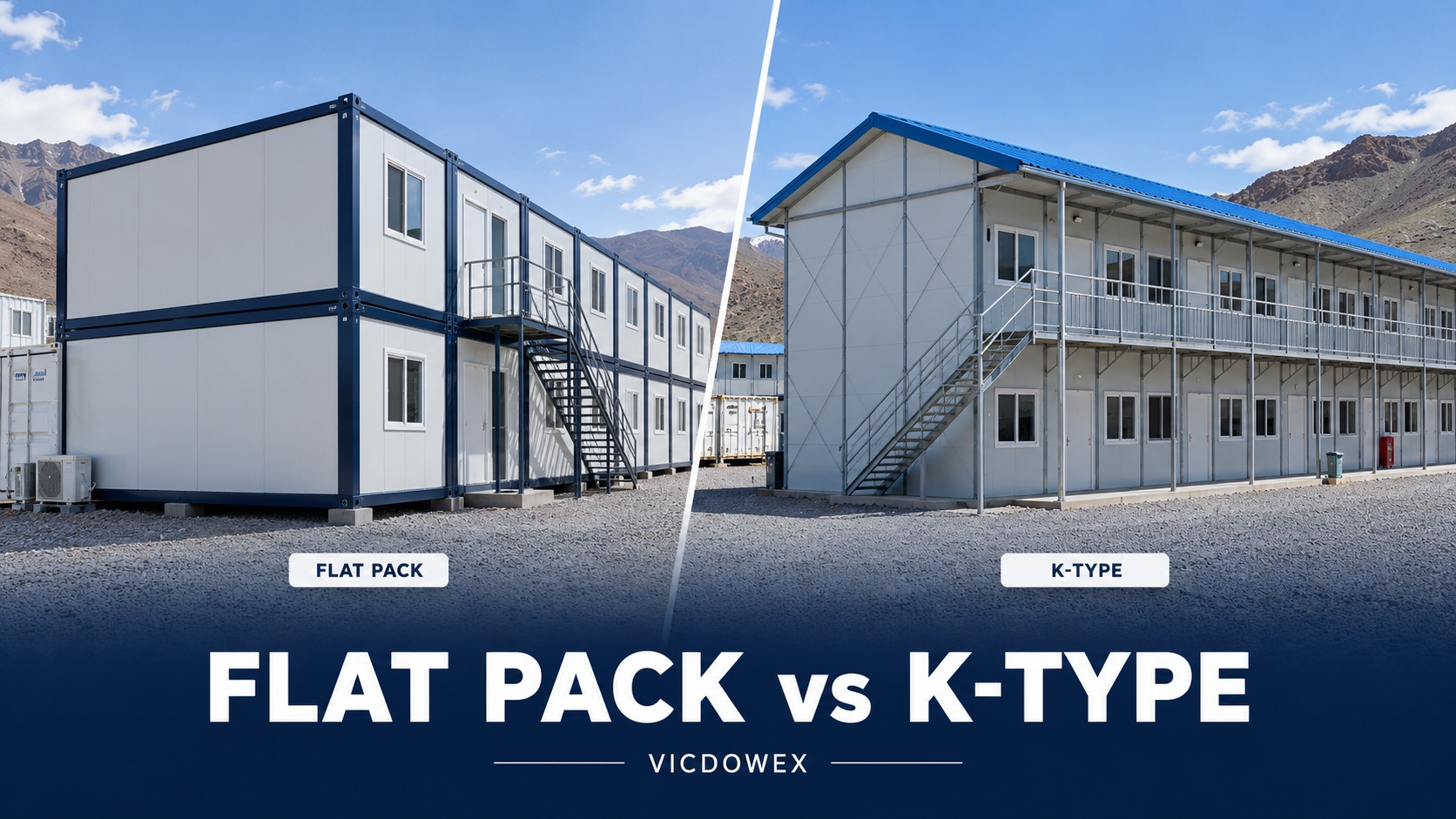
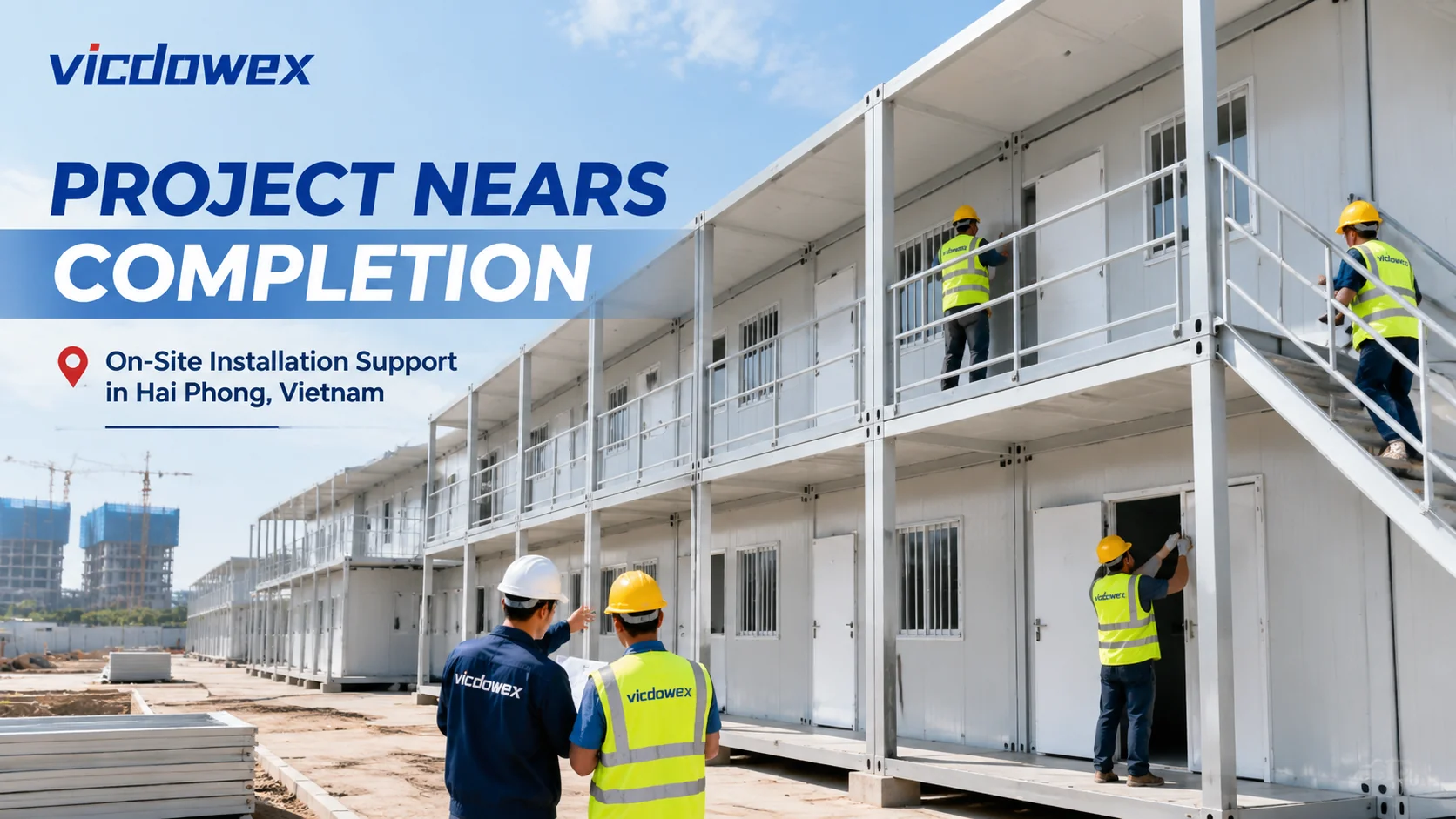
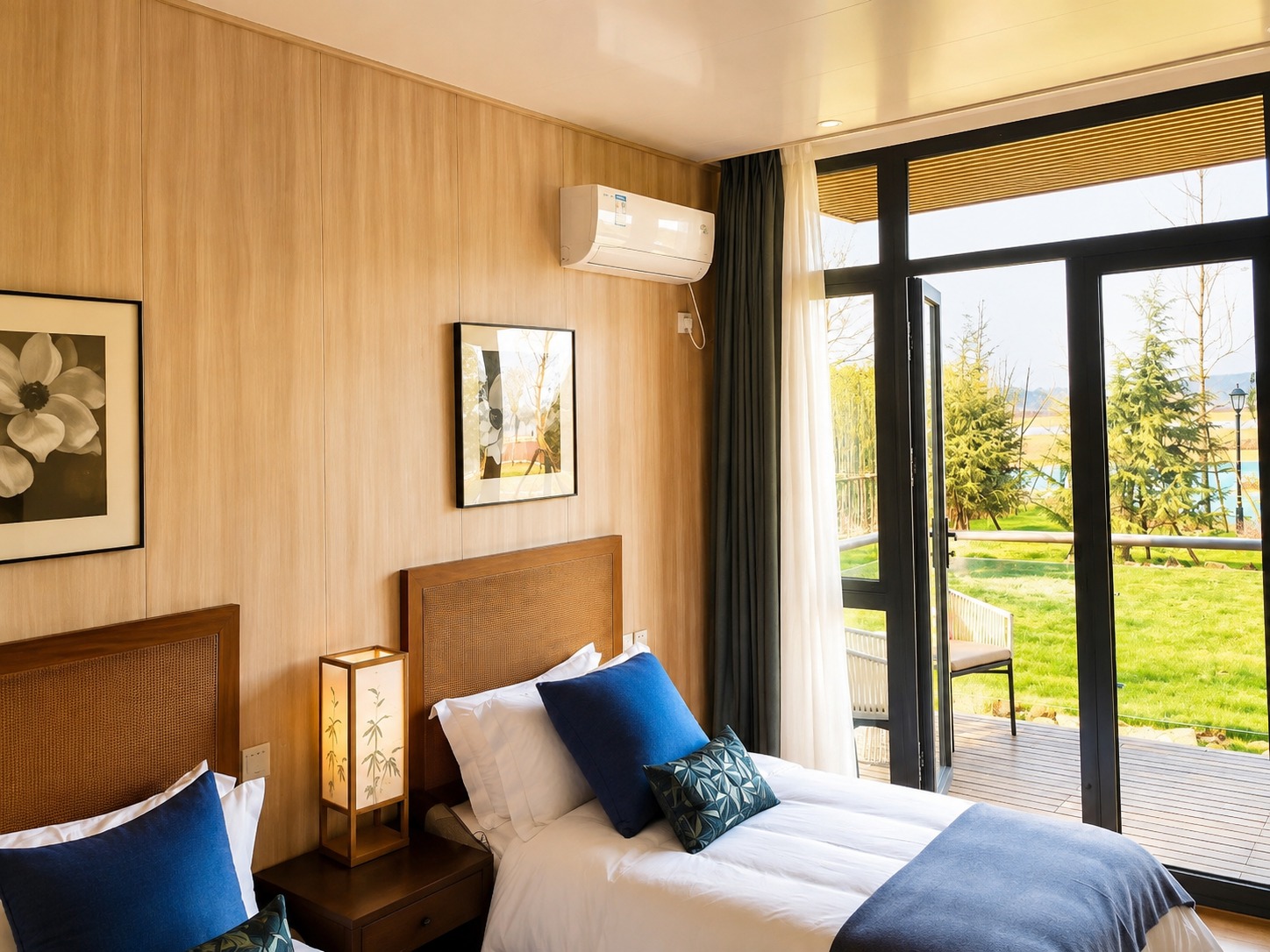
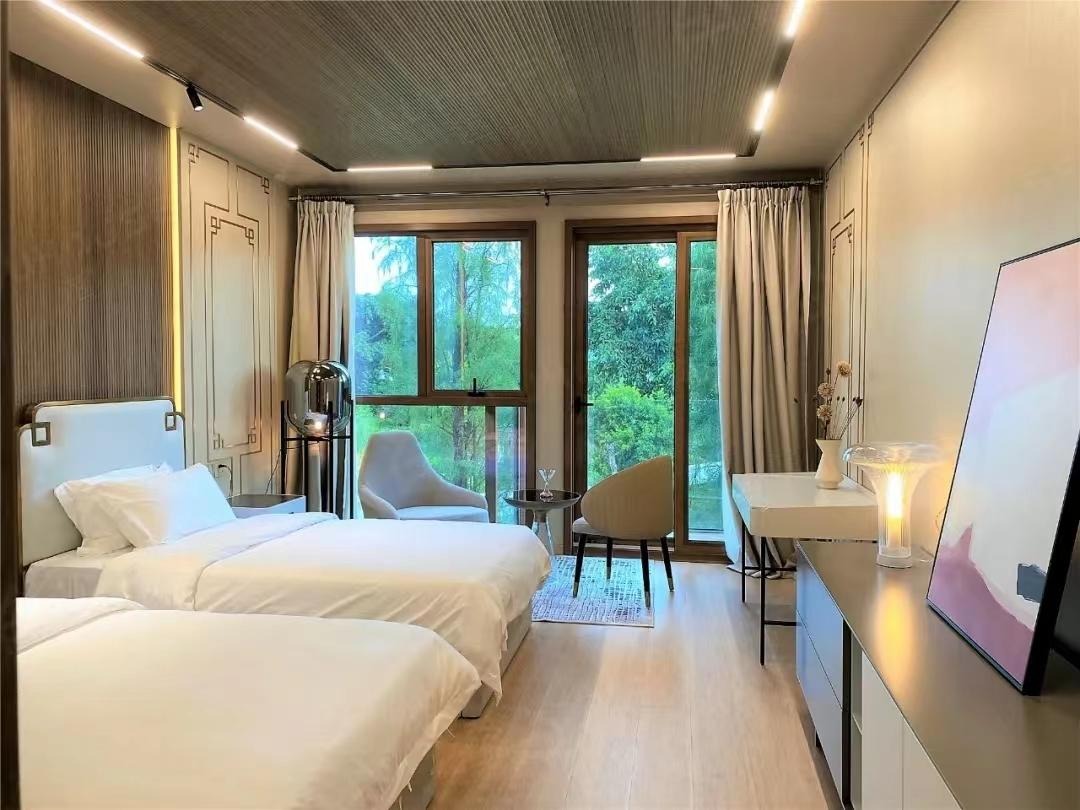
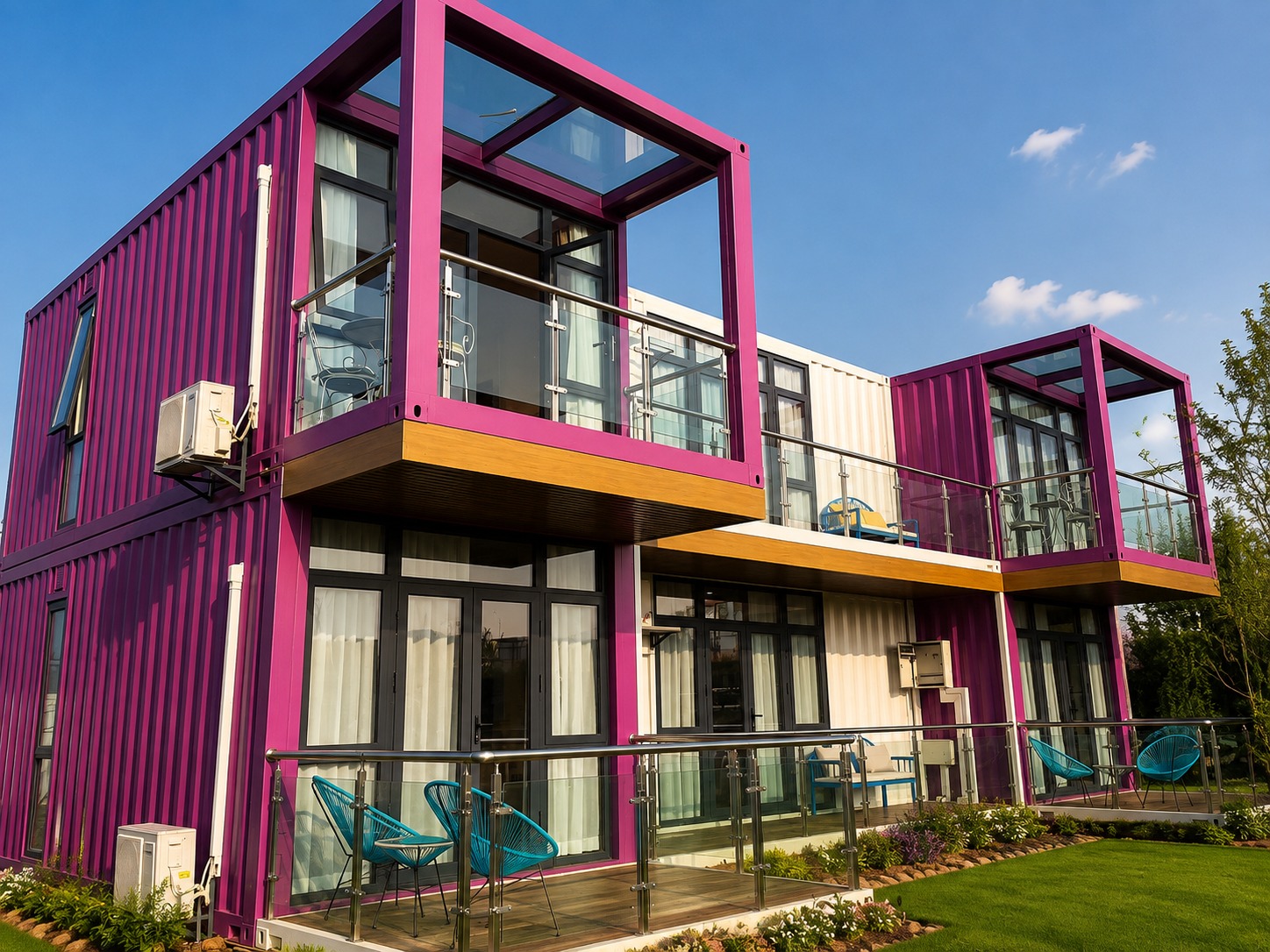
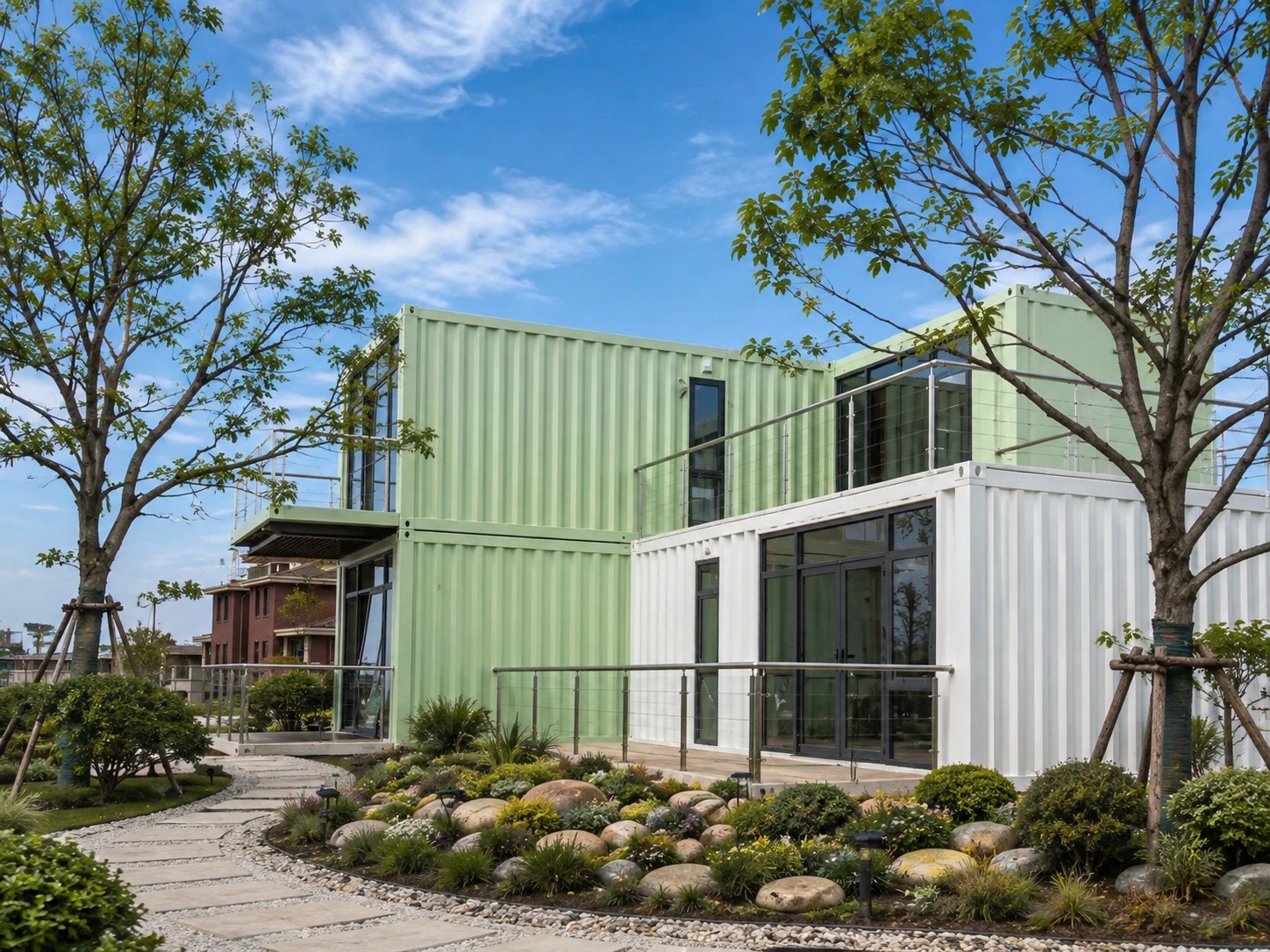
VICDOWEX modular hotel solutions can be developed using purpose-built steel-frame modular building systems such as flat pack container houses and customized modular buildings.
These systems are different from simply converting used shipping containers into hotel rooms.
The building is designed according to the required room layout, structural performance, insulation, doors and windows, interior finishes and building services.
This gives developers greater flexibility when planning a prefabricated hotel or modular resort.
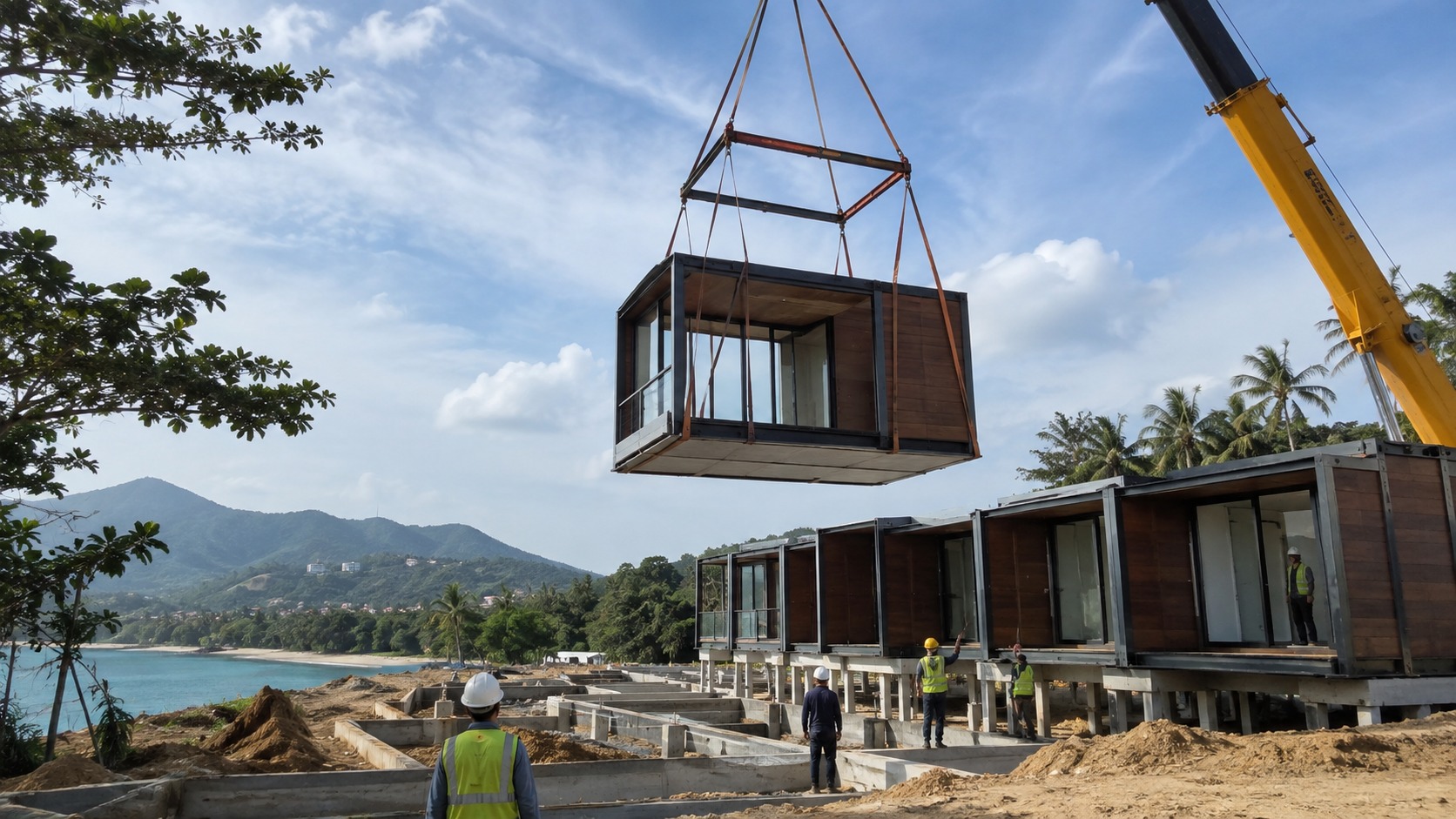
How Modular Hotel Construction Can Shorten Project Delivery
Modular construction can shorten project timelines by moving more work into the factory while site preparation progresses at the same time.
1. Factory and Site Work Progress Together
While prefabricated hotel rooms are produced in the factory, the project site can complete foundations, drainage, utilities, access roads and crane preparation.
This parallel workflow can reduce overall construction time.
2. Less Work Is Required On Site
Modules can arrive with structural systems, walls, windows, flooring, electrical preparation and interior finishes already completed.
On-site work is then mainly focused on lifting, positioning, module connection, utilities, waterproofing and final inspection.
This is especially useful for remote resorts or locations with limited construction labor.
3. Standardized Rooms Improve Production Efficiency
Hotels often contain many similar guest rooms.
Using standardized room sizes, bathrooms, windows and materials allows modular hotel rooms to be produced repeatedly in the factory, improving production efficiency and quality control.
4. Projects Can Be Delivered in Phases
Large modular resort projects can be produced and installed in stages.
For example, guest rooms and reception can be completed first, followed by restaurants, additional rooms, staff accommodation and other facilities.
This phased approach can also make future expansion easier.
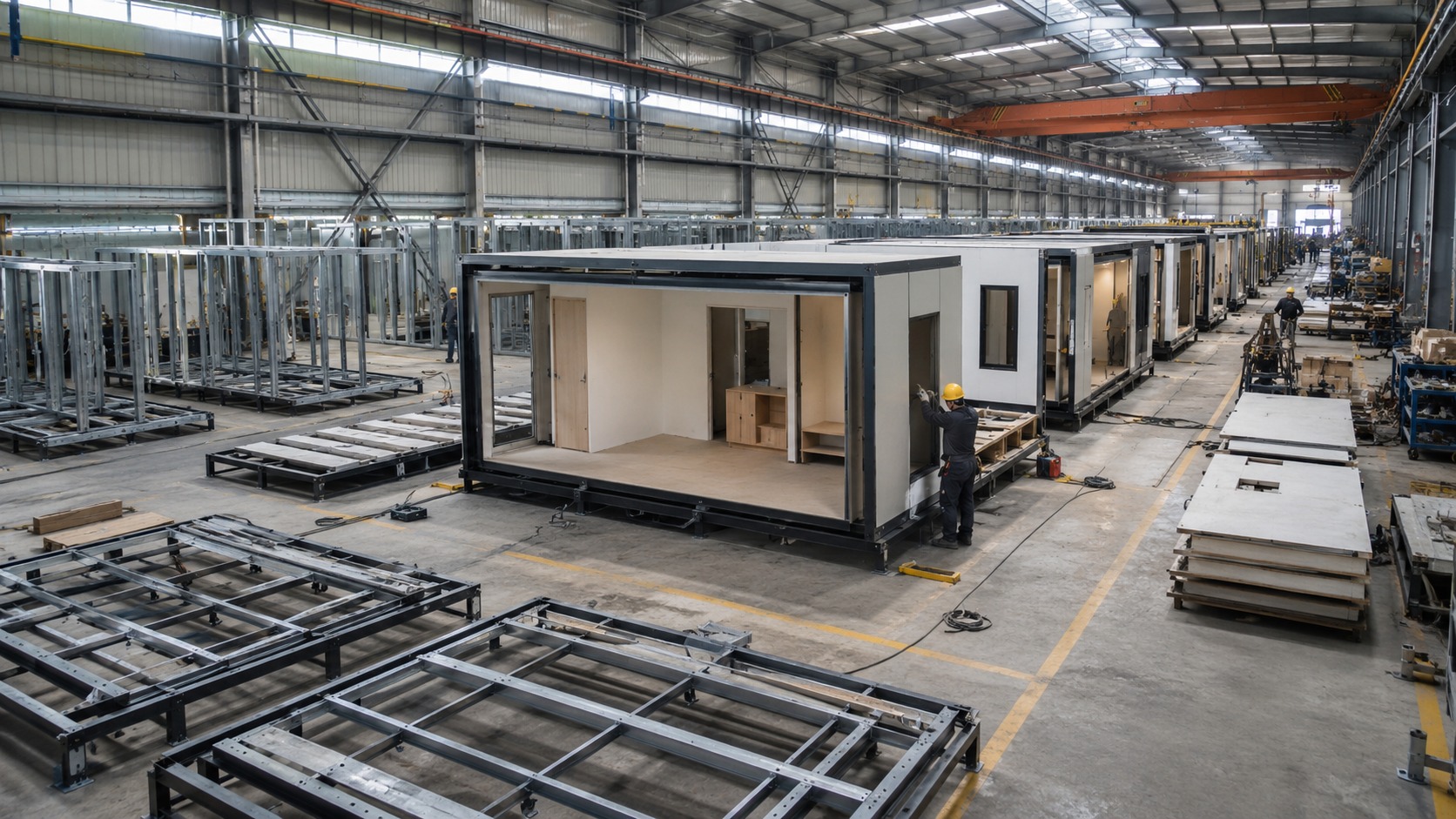
Modular Hotel Solutions for Different Climates
Modular hotels should be designed according to the local climate, not only for appearance.
Cold and Snowy Regions
Key considerations include:
- Wall, roof and floor insulation
- Energy-efficient windows
- Heating and airtightness
- Pipe freeze protection
- Roof snow loads
The entire building envelope should be designed as one thermal system.
Hot and Sunny Regions
For tropical and desert areas, focus on:
- Roof and wall insulation
- Shading and ventilation
- Air-conditioning capacity
- Glazing performance
- Heat-resistant exterior materials
These measures help improve indoor comfort and energy efficiency.
Humid and Rainy Regions
Important factors include:
- Roof and site drainage
- Waterproof joints
- Window sealing
- Bathroom waterproofing
- Ventilation and moisture control
Waterproofing should be considered across the whole building system.
Coastal and High-Corrosion Areas
Coastal projects should consider:
- Steel corrosion protection
- Galvanized components
- Protective coatings
- Corrosion-resistant fasteners
- Wind resistance
- Strong roof, wall and foundation connections
Final specifications should be based on the project location, climate and local building standards.
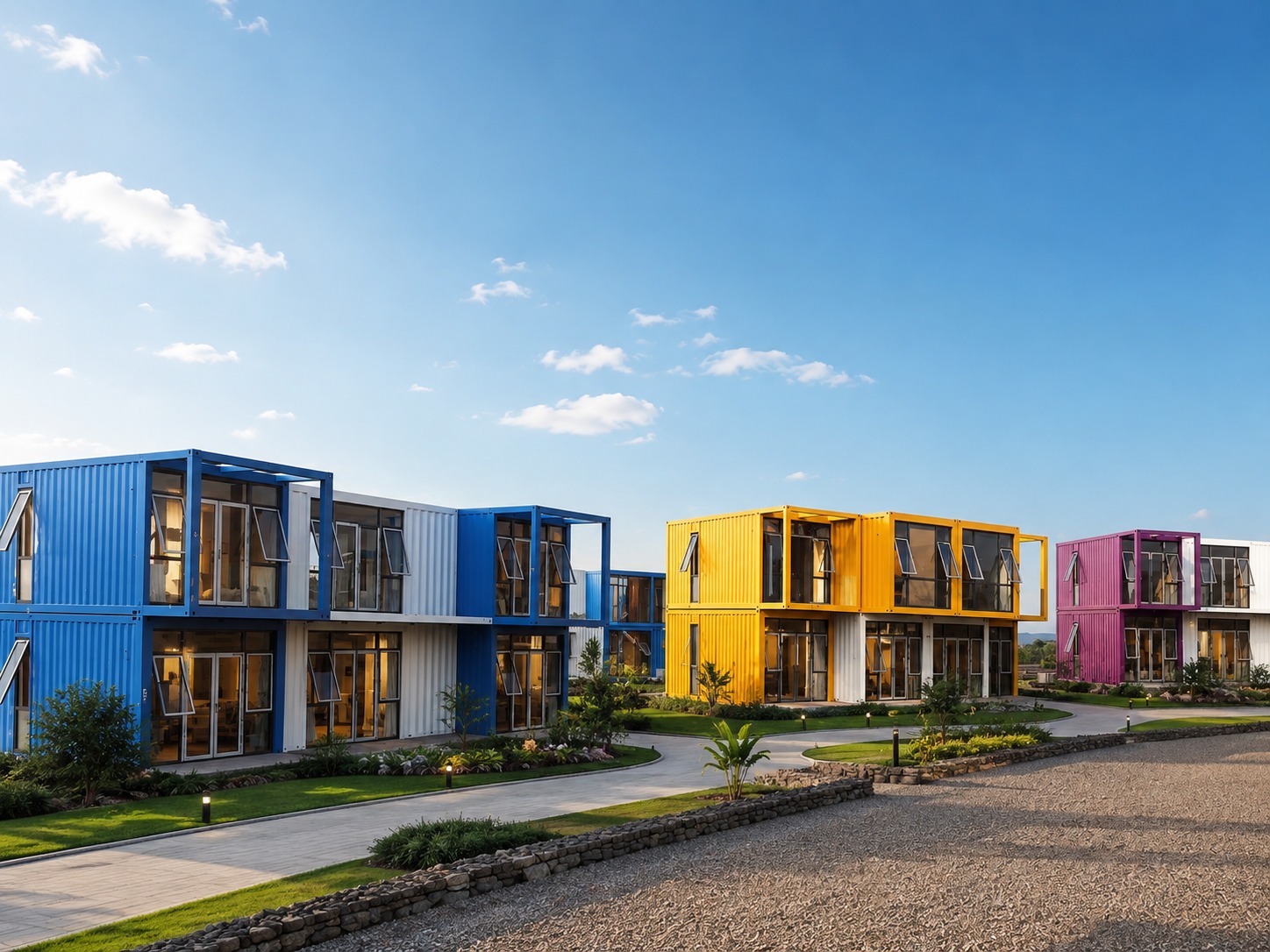
6 Steps in a Modular Hotel Project
Step 1: Define Project Requirements
Confirm:
- Project location
- Site size
- Number and type of rooms
- Building height
- Architectural style
- Interior standard
- Target opening date
Transportation and installation conditions should also be reviewed.
Step 2: Plan the Site Layout
Coordinate:
- Guest rooms
- Reception and restaurants
- Roads and parking
- Landscaping
- Staff areas
- Utilities
- Emergency access
For mountain sites, terrain, drainage and foundations also need special attention.
Step 3: Confirm Design and Materials
Finalize:
- Module size and layout
- Building levels
- Exterior design
- Doors and windows
- Wall and roof systems
- Interior finishes
- Bathrooms
- Electrical, plumbing and air conditioning
Major specifications should be confirmed before production.
Step 4: Produce Modules and Prepare the Site
Factory production and site preparation can proceed at the same time.
The factory manufactures the modules while the site completes foundations, drainage and utility connections.
Step 5: Transport and Install
Before delivery, check:
- Road and port conditions
- Site access
- Transport restrictions
- Crane capacity
- Ground conditions
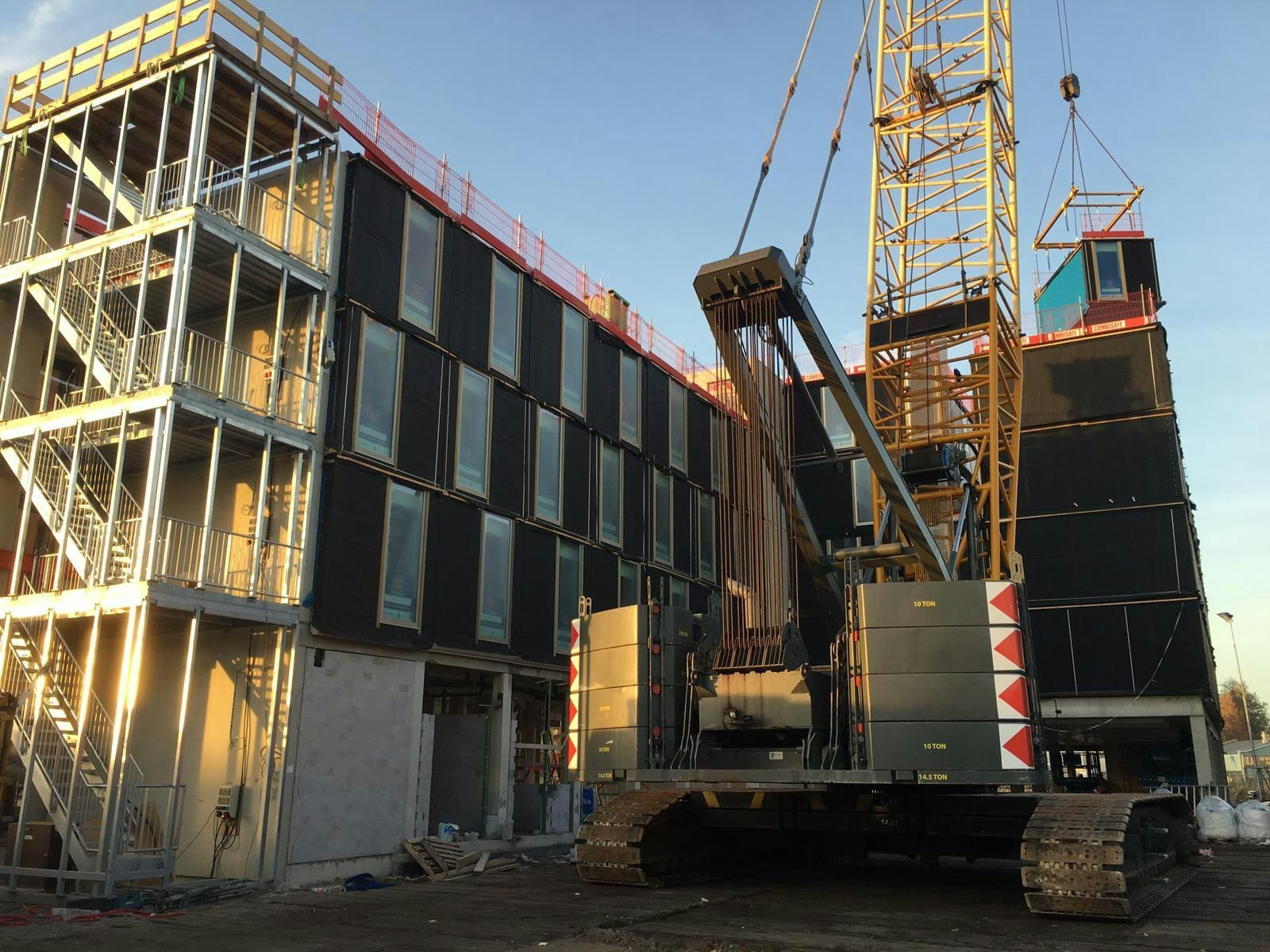
Modules are then unloaded, positioned and connected on site.
Step 6: Connect Utilities and Inspect
Complete:
- Water and drainage
- Electrical connections
- Air conditioning
- Hot water
- Fire protection
- Equipment testing
- Waterproofing checks
- Final inspection
Installation, commissioning and local approval responsibilities should be confirmed before the project starts.
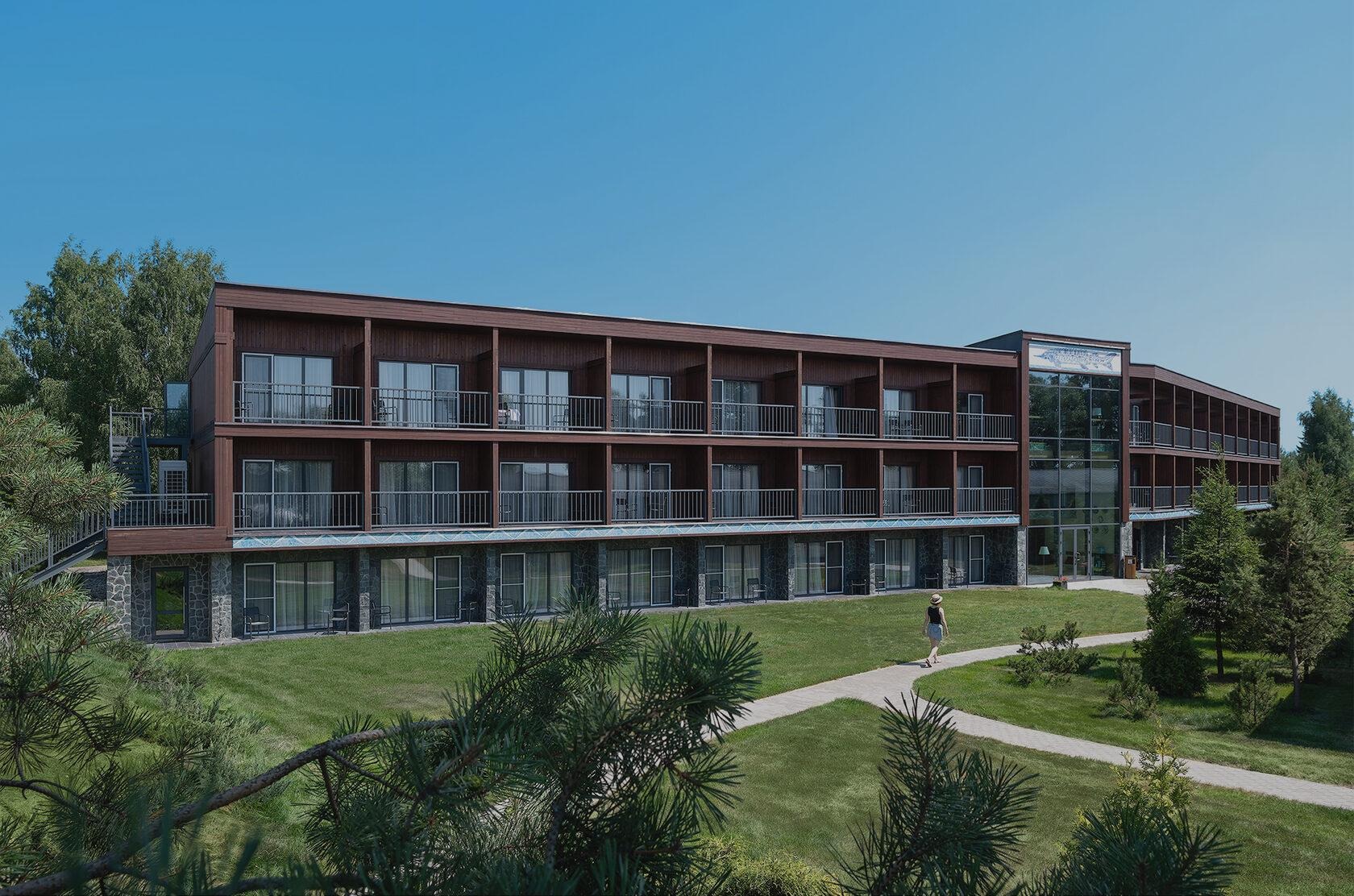
Modular Hotel vs Traditional Hotel Construction
| Factor | Traditional Construction | Modular Hotel Construction |
|---|---|---|
| Main construction location | Primarily on site | Factory + project site |
| Production method | Sequential site construction | Prefabrication + assembly |
| Weather exposure | Higher during construction | Factory work less exposed |
| Foundation work | Part of traditional sequence | Can progress alongside production |
| Repetitive rooms | Repeated site construction | Suitable for standardized production |
| Site labor requirement | Generally higher | More work can shift to factory |
| Expansion | May require extensive modification | Additional modules can be planned |
| Design freedom | Very high | Must coordinate with modular dimensions |
| Transportation | Mainly building materials | Modules/components require logistics planning |
| Suitable projects | Complex permanent buildings | Resorts, camps, repetitive room developments and remote projects |
Modular construction is not automatically cheaper or faster for every project.
If a hotel contains only a few rooms, every room is highly customized, transportation distances are extreme or lifting conditions are difficult, the total project cost may not provide the same advantages.
The decision should therefore consider the complete project:
design + manufacturing + transportation + foundations + installation + utilities + local compliance
rather than comparing only the price of the building module.
Modular Hotel vs Shipping Container Hotel: What Is the Difference?
The term container hotel is commonly used online, but it may describe several different building systems.
Purpose-Built Modular or Flat Pack Container Hotel
These buildings use engineered steel structural frames and prefabricated wall, roof, floor, door and window systems.
They are manufactured specifically as modular buildings.
They can be configured for guest rooms, suites and other hospitality spaces.
Converted Shipping Container Hotel
These hotels are created by modifying ISO freight containers.
Large openings for windows, doors or connections between containers may require structural reinforcement.
Insulation, corrosion, interior height and the condition of the original container also need to be evaluated.
Light Gauge Steel Hotel
Light gauge steel buildings use cold-formed steel framing to create walls, floors and roofs.
They offer considerable architectural flexibility, but a larger percentage of enclosure and interior work may need to be completed at the project site compared with highly integrated volumetric modular rooms.
There is no single system that is best for every hotel.
The correct choice depends on architectural requirements, room quantity, transportation, local construction conditions, budget and project schedule.
When Is a Modular Hotel a Good Choice?
A modular hotel solution is particularly worth evaluating when:
-
The project has a limited construction window
-
The hotel must open before a tourism season
-
Local construction labor is limited
-
The development contains repeated guest room types
-
The site is remote
-
On-site wet construction should be reduced
-
Future expansion is planned
-
International transportation is required
-
Guest rooms and supporting facilities need to be developed together
Small projects with only a few highly customized rooms can also use modular construction, but fixed costs related to engineering, shipping and installation should be considered.
In general, modular construction becomes more attractive when a project combines repetition, predictable room layouts, schedule pressure and suitable logistics conditions.
Why Work with VICDOWEX for Modular Hotel Projects?
VICDOWEX provides modular building solutions for international hotel and resort projects.
Our services include:
- Project planning
- Guest room layout
- Structural and material design
- Factory manufacturing
- Quality inspection
- Packaging and transportation planning
- Installation guidance
- Utility coordination
Each solution is customized according to the project location, room quantity, climate, design requirements and transportation conditions.
VICDOWEX focuses on the complete building application to provide a more suitable modular hotel solution for each project.
Frequently Asked Questions About Modular Hotels
1. What is a modular hotel?
A modular hotel is a hospitality building constructed partly or substantially using prefabricated building modules manufactured in a factory. The modules can form guest rooms, bathrooms, reception areas, restaurants, offices and other hotel facilities before being transported and assembled at the project site.
2. Are modular hotels the same as shipping container hotels?
Not necessarily.
Some container hotels use converted ISO shipping containers, while purpose-built modular hotels use engineered steel frames and prefabricated building systems specifically manufactured for accommodation.
VICDOWEX can provide purpose-built modular building solutions instead of relying only on converted freight containers.
3. Can modular hotel rooms include private bathrooms?
Yes.
Modular guest rooms can be designed with showers, toilets, washbasins, plumbing, electrical systems, lighting, air conditioning and hot-water equipment.
Bathroom locations and utility interfaces should be confirmed before production.
4. How many floors can a modular hotel have?
There is no universal answer.
The permitted number of floors depends on the structural system, module specifications, foundations, wind loads, seismic requirements, fire regulations and local building standards.
Structural requirements should be evaluated for the individual project.
5. Are modular hotels suitable for mountain resorts?
They can be, provided transportation and installation conditions are suitable.
Mountain projects require additional evaluation of road width, turning radius, slopes, transportation dimensions, crane access, foundations, drainage and utility infrastructure.
6. Can a modular hotel be used in tropical or coastal areas?
Yes, but the building specification should be adapted to the environment.
Coastal and tropical projects may require enhanced corrosion protection, waterproofing, insulation, ventilation, roof drainage and structural resistance to local wind conditions.
7. Is modular hotel construction always faster than traditional construction?
Not in every situation.
Modular construction can improve project scheduling by allowing factory production and site preparation to occur simultaneously.
However, the final schedule still depends on design approvals, customization, manufacturing capacity, shipping, site preparation, crane access, utilities and local regulations.
8. Is a modular hotel cheaper than a traditional hotel?
Not always.
Cost should be evaluated across the entire project, including design, foundations, factory manufacturing, transportation, crane installation, utilities, interior finishes and local construction requirements.
For projects with repetitive guest rooms, remote sites or limited construction schedules, modular construction may provide significant operational advantages even when the lowest initial building price is not the only consideration.
9. Can modular hotel rooms be customized?
Yes.
Room dimensions, façades, doors, windows, bathrooms, interior finishes and functional layouts can be customized according to the selected modular building system and engineering requirements.
However, excessive variation between individual rooms can reduce the manufacturing efficiency gained through standardization.
10. Can a modular resort be expanded later?
Yes, if future expansion is considered during the initial master planning.
Foundations, utility capacity, access roads and the modular layout should be designed with later phases in mind.
Plan Your Modular Hotel Project with VICDOWEX
Our team can assist with modular planning, room layouts, structural and material configuration, factory manufacturing, packaging, transportation coordination and installation guidance.
Looking for prefabricated hotel rooms or a custom modular resort solution?
Contact VICDOWEX to discuss your project requirements and receive a preliminary modular building proposal.
Phone:+86 13602305481
WhatsApp:+852 9388 4727
Email: info@vicdowex.com