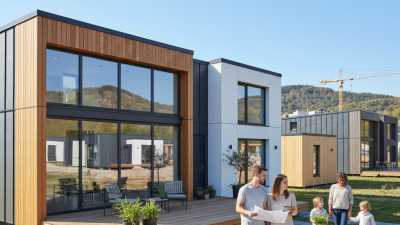
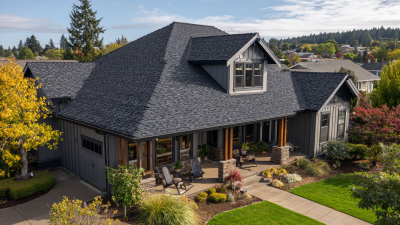
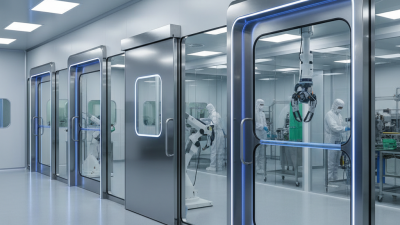
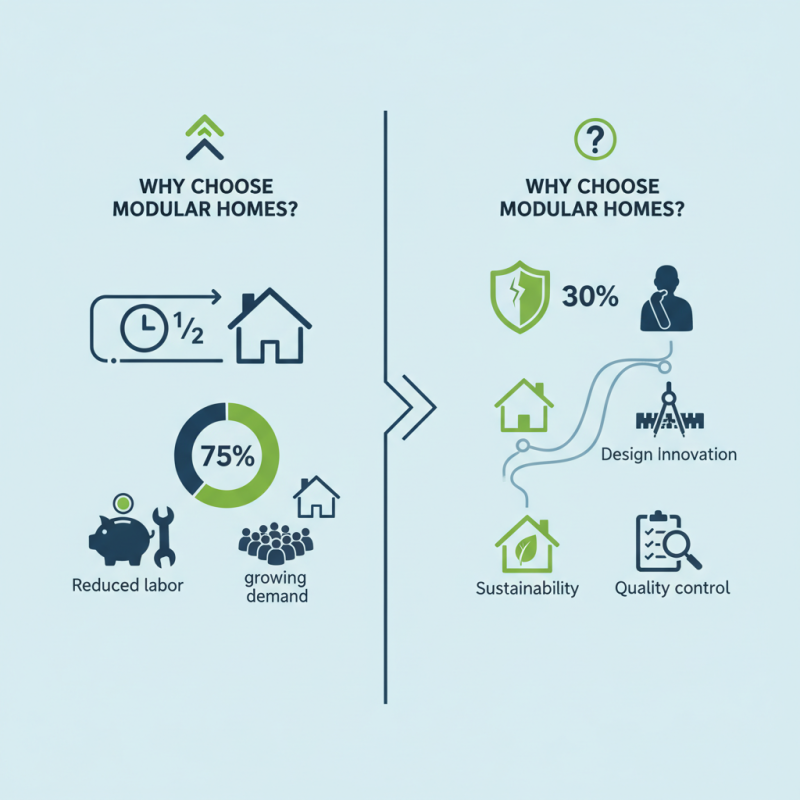
Lately, more and more folks in the construction world are turning to Modular Homes for their projects. I’ve read that about 75% of builders are noticing a real uptick in demand for this kind of innovative housing. One of the big perks? Modular homes can be built way faster — often in half the time it takes to put up a traditional house. That kind of efficiency doesn’t just save time; it also means lower labor costs and less mess at the site, which everyone seems to love, from builders to homeowners.
That said, it’s not all smooth sailing. There’s still some hesitancy about the quality. Not all Modular Homes are the same, and some folks worry about how sturdy they really are. In fact, some reports say that around 30% of potential buyers have doubts about the durability of modular construction. That’s an opportunity, though. If companies invest in better quality control and really work on educating buyers, they can build trust and show that modular homes can be just as reliable as traditional ones. As the industry keeps evolving, conversations about sustainability and design are heating up, making folks think about how to push innovation forward without compromising on quality. Overall, it’s an exciting time for modular housing, even with a few bumps along the way.
Modular homes offer a range of advantages in construction. One key benefit is efficiency. According to a study by the Modular Building Institute, modular construction can reduce building time by 30-50%. This improvement translates to lower labor costs and faster occupancy. Reduced waste during construction is another major advantage. Reports show that modular homes produce 60% less waste compared to traditional methods. This is critical as sustainability becomes a priority in the industry.
Moreover, the energy efficiency of modular homes is noteworthy. They can use up to 30% less energy than site-built homes. Quality control is also higher, with most of the construction occurring in a controlled setting. However, some may find that customization options can be limited compared to traditional builds. While modular homes present many benefits, potential buyers should carefully consider their specific needs and preferences. Understanding these aspects can help ensure a successful construction project.
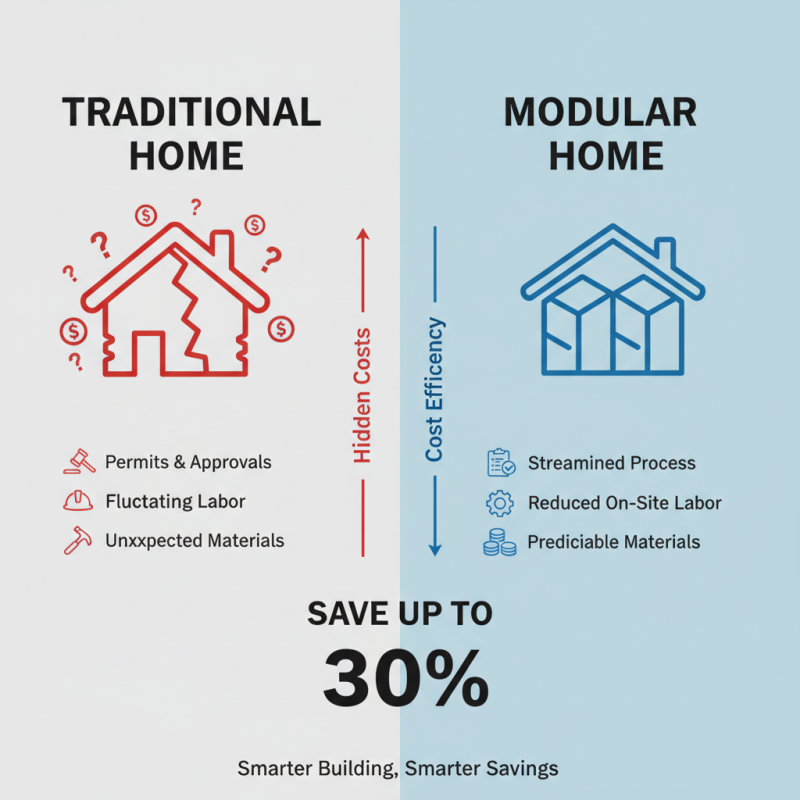
Modular homes offer a unique approach to construction, especially regarding cost-effectiveness. Building a home traditionally can lead to hidden costs that quickly escalate. Think about permits, labor, and unexpected material expenses. Modular homes streamline this process. They are built in sections and assembled on-site, reducing time and extra costs. This efficiency often leads to lower labor costs.
In many cases, modular homes can be 10% to 20% cheaper than traditional builds. This is not just a sales pitch; it’s backed by raw figures. For instance, the controlled factory environment minimizes waste, ensuring more materials are used effectively. Plus, quicker construction means you can move in sooner, saving rental costs. However, this method has challenges. Some might find it lacks the customization of traditional homes. There may also be limitations on designs.
Flexibility is important. Modular homes can be customized, but options might be fewer than those in traditional builds. Buyers must weigh this carefully. Overall, modular construction presents a promising alternative for those looking to save money without sacrificing quality. It encourages thoughtful choices about home design and budget management.
Modular homes are revolutionizing construction. The speed at which these structures can be built is a significant advantage. According to a report by the Modular Building Institute, modular construction can reduce building time by up to 50%. This efficiency stems from the simultaneous on-site preparation and off-site manufacturing processes. With Prefab Modular Homes, teams can assemble parts while the foundation is laid, cutting overall project timelines drastically.
Consider the impact on project delays. Traditional construction often faces setbacks due to weather, permitting, or labor availability. Modular construction minimizes risks. In fact, a study showed that over 80% of modular projects are delivered on time. However, challenges persist, like site-specific adaptations that may require extra time and expense. Flexibility in design is crucial.
Space constraints can complicate modular home projects. For instance, while modules can be designed to fit various environments, site accessibility can still limit options. Understanding these factors allows for better planning. Emphasizing time efficiency and innovative solutions is vital for anyone considering modular homes. The future of construction appears bright yet reflective.
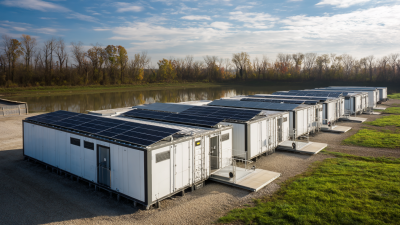
Modular homes are the future of sustainable living. They offer unique customization options that traditional houses often lack. With Modular Container Homes, you can choose layouts, colors, and finishes. This flexibility allows you to create a space that truly reflects your personality.
Imagine designing a home with a layout that fits your lifestyle. You can opt for an open concept that encourages family interaction. Or perhaps you prefer individual rooms for privacy. The choices are endless. Additionally, energy-efficient features can be integrated. These elements not only enhance comfort but also reduce your carbon footprint.
However, it’s important to consider the balance between customization and budget. Some features may increase overall costs significantly. Identifying your priorities will help streamline the design process. Reflecting on your needs can transform a good home into a perfect one. Customization is not just about aesthetics; it's about creating a dwelling that feels right for you.
Modular homes are increasingly popular due to their sustainability and energy efficiency. These homes minimize waste during construction. According to the Modular Building Institute, modular construction can reduce waste by 60%. This efficient method uses fewer materials overall compared to traditional building.
Container Homes, a type of modular home, also support eco-friendliness. They repurpose shipping containers, reducing landfill usage. This innovative approach promotes recycling while offering unique designs. Reports suggest that container homes can cut energy consumption by up to 30% compared to conventional homes. Such energy efficiency is often achieved through better insulation.
Tips: Consider using energy-efficient windows. Proper ventilation systems can also help. These features enhance comfort and reduce energy costs. However, not all modular designs are equally efficient. It's essential to research specific features. Always check insulation quality and energy ratings before deciding.
| Feature | Modular Homes | Traditional Homes |
|---|---|---|
| Construction Time | 30-50% faster | Regular timelines (months to years) |
| Waste Reduction | 30% less waste | More waste due to on-site construction |
| Energy Efficiency | Up to 50% more energy efficient | Standard efficiency |
| Sustainable Materials | Predominantly eco-friendly materials | Varied sustainability practices |
| Customization Options | Highly customizable layouts | Limited by traditional methods |
| Financing Options | Potentially lower costs | Higher upfront costs |
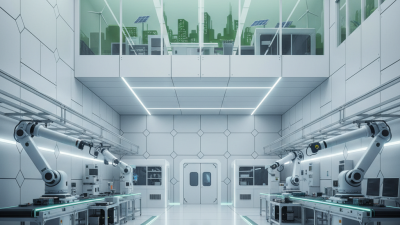
Modular homes are gaining popularity for their durability and quality. These homes undergo rigorous testing to meet or exceed industry standards. Strong materials are used to withstand harsh weather. They are built in a controlled environment, reducing the impact of changes in weather during construction.
When considering a modular home, pay attention to the design and building process. Opt for energy-efficient features that can reduce long-term costs. Choosing Container House Modular Units can offer unique designs that stand out. Think about how these units can fit your lifestyle needs.
Also, reflect on your space requirements before making a choice. Modular homes allow for customization, so take your time. It’s important to ensure that the layout suits your life well. Not every design may be perfect for everyone. Evaluating each option can help achieve a balance between aesthetics and functionality.
The future of modular homes in the housing market looks promising. They offer speed and efficiency. Homebuyers are embracing them due to their affordability and sustainability. Modern designs cater to various tastes, from minimalistic to luxurious. This versatility appeals to a broader audience.
Tips for choosing a modular home: Focus on customization. This allows you to create a space that reflects your unique style. Consider energy efficiency requirements as well. Many modular homes come with eco-friendly features. Functionality is key; ensure the layout suits your lifestyle.
However, the perception of modular homes still faces challenges. Some view them as less desirable than traditional homes. Quality concerns can linger in potential buyers' minds. Always research builders and ask for references. It’s crucial to weigh the pros and cons carefully before making a decision.
: The product aims to enhance daily life experiences for its users.
Follow the instructions provided for optimal use. Experimentation is encouraged.
Yes, some users report difficulty in initial setup. Patience is key here.
Regular cleaning is suggested. Use a soft cloth and mild detergent.
Check the power source and reset it. Consult the troubleshooting guide if needed.
Most places offer a return policy within a specific timeframe. Keep your receipt.
Modular homes are becoming an increasingly popular choice for construction projects due to their numerous advantages. This comprehensive overview highlights key benefits such as cost-effectiveness, where modular construction often proves cheaper than traditional homes, and impressive time efficiency, significantly reducing the building period. Additionally, modular homes offer a variety of customization options, allowing homeowners to tailor designs to their preferences.
Sustainability also plays a crucial role in the appeal of modular homes, as they are built using eco-friendly practices and materials, resulting in enhanced energy efficiency. Furthermore, these homes are known for their durability and conforming to high-quality standards. As the housing market evolves, the future of modular homes looks promising, poised to meet increasing demand for affordable, efficient, and customizable housing solutions.