Choosing the right wall materials really plays a huge role in how energy-efficient and cost-effective a building turns out to be. I mean, according to the U.S. Department of Energy, about 30% of a building’s energy gets used up just for heating and cooling — and that can be seriously impacted by how well the walls insulate. For instance, walls with good insulation can cut down energy use by up to half compared to your average, traditional materials. Here at Guangdong Vicdowex Modular Housing Technology Co., Ltd., we put a big emphasis on ‘standardization, modularization, and generalization’ — which basically means we’re all about creating smart, innovative solutions that incorporate energy-efficient wall stuff into modular buildings that make life easier. By really focusing on choosing the right wall materials, we're not just boosting energy performance, but we’re also helping our clients save money in the long run. It just goes to show that with a bit of thoughtful design and the right materials, we can build more sustainable, cost-effective structures that make a difference.
Understanding the Role of Wall Materials in Energy Efficiency
Choosing the right wall materials really matters when it comes to making a building more energy-efficient. It’s a huge factor that can impact both your utility bills and the environment. Different materials have different levels of thermal resistance—basically, how good they are at keeping the heat inside in winter and out in summer. For instance, top-notch insulation like special foams or insulated concrete blocks can do wonders in keeping temperatures steady inside, so you don’t have to crank up the heating or AC as much.
On top of that, the kind of wall materials you pick can really influence the overall look and the amount of resources used. Going for eco-friendly options like recycled or locally sourced materials can cut down the carbon footprint during manufacturing and might even save you some cash on energy in the long run. Plus, newer technologies like phase-change materials or green walls are pretty cool—they actually help manage indoor climate better, making a real difference. So, really, choosing your wall materials wisely isn’t just about style; it’s a smart move for anyone like architects or builders who want to get the most out of their energy efficiency goals without breaking the bank.
How Different Materials Affect Thermal Insulation Performance
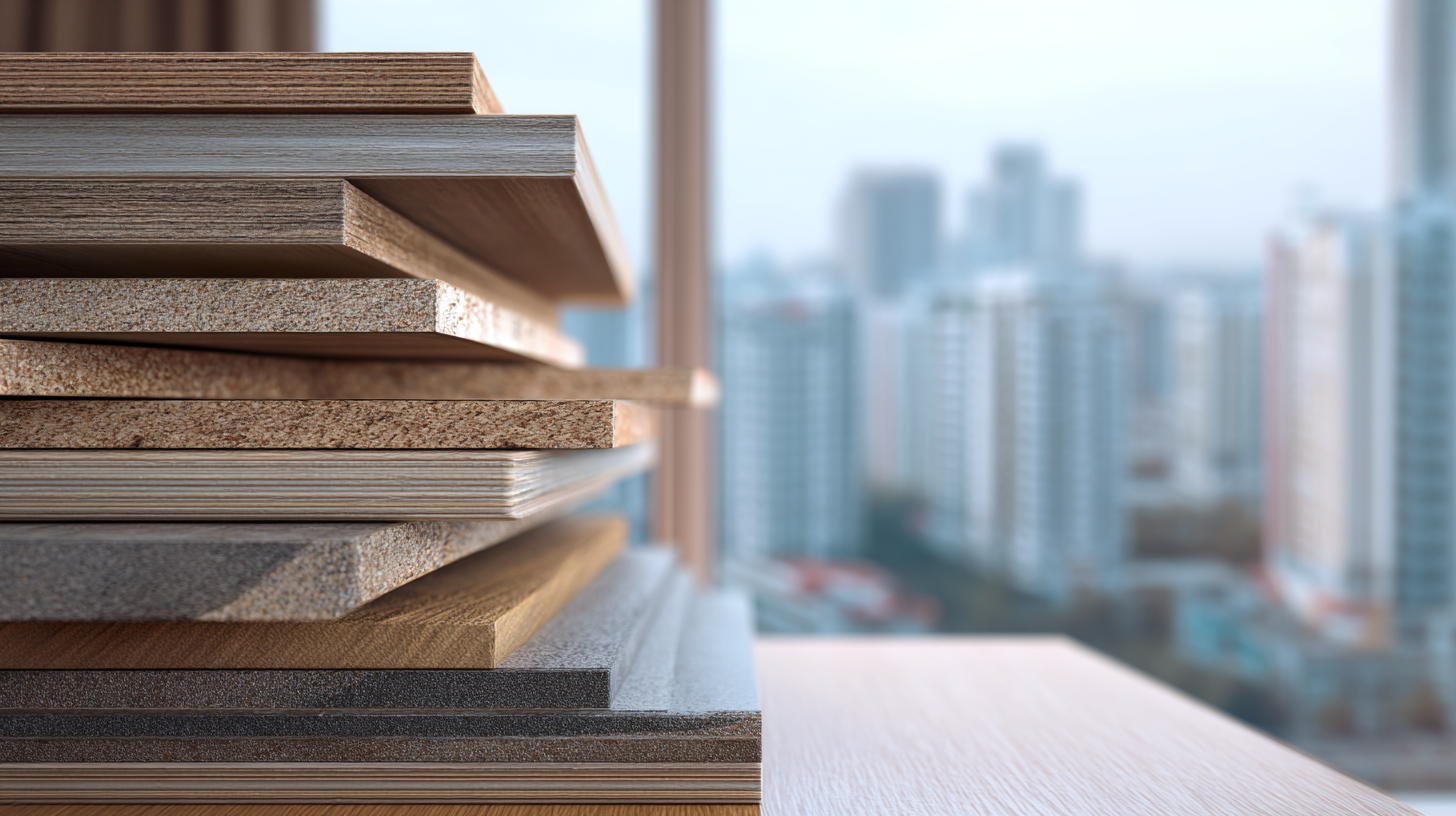
Choosing the right wall materials isn't just a small detail — it really makes a big difference when it comes to how well your building stays warm or cool. I mean, the Department of Energy points out that almost 30% of how much energy a building uses for heating and cooling actually slips out or sneaks in through the walls. That’s why picking materials that do more than just support the structure—like those that boost insulation—is super important. For example, things like insulated concrete forms (ICFs) and structural insulated panels (SIPs) tend to be way better at resisting heat transfer compared to traditional bricks or just wooden frames. They can even reach R-values up to 24, which means they do a pretty great job at keeping energy costs down.
And when you look at the bigger picture, picking the right stuff for your walls can really save you money in the long run. According to research from the National Institute of Standards and Technology, buildings built with high-performance insulations can cut energy expenses by over half over 50 years. So, stuff like aerogel or phase-change materials — those fancy advanced insulation options — can make your property way more energy-efficient. Not only do you see the savings on your utility bills, but you’re also doing your part to reduce your carbon footprint. Basically, every choice you make about wall materials isn’t just about building a structure — it’s a strategic move towards sustainability and saving money over time.
Cost Implications of Various Wall Material Choices
Picking the right wall materials really makes a difference when it comes to how much a building costs to run and maintain. I read somewhere that, according to the U.S. Department of Energy, energy bills can make up about 30% of a building's operational costs—that’s pretty significant. So, choosing the right materials can actually save you a decent chunk of cash in the long run. For example, using insulated concrete forms (or ICFs) could cut your energy needs by around 20-25% compared to going the traditional wood-frame route. That’s not just about saving on construction costs upfront; it also helps you save on those ongoing energy bills over time.
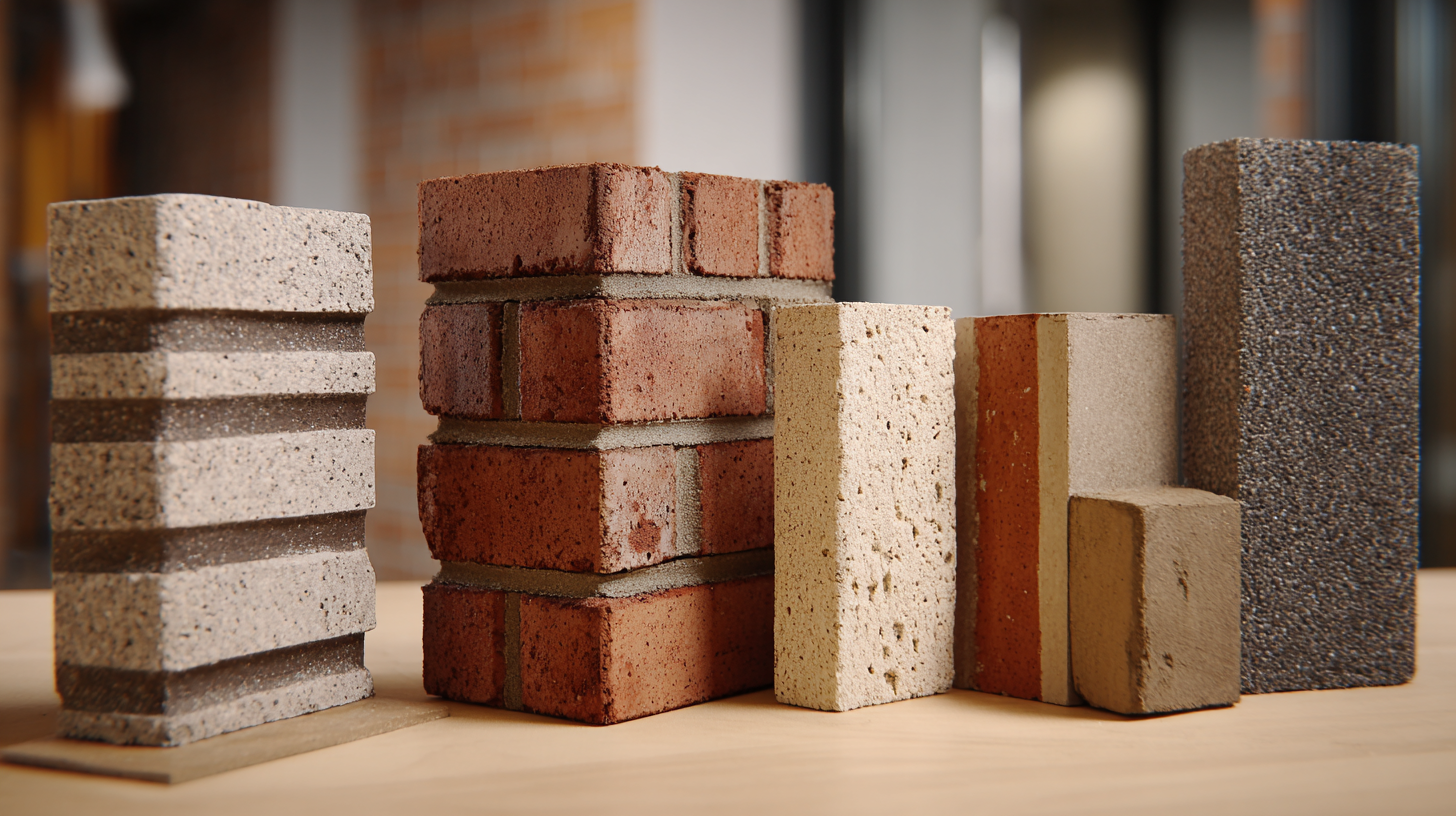
And here’s the thing—different wall materials have different stories when it comes to maintenance and how long they last. Take brick, for example—it's pretty durable and doesn’t need much fixing up, unlike some less sturdy options like wood. A report from the National Association of Home Builders mentions that homes built with tough, long-lasting wall materials can save homeowners as much as 18% in maintenance costs over a decade. Plus, if you invest in energy-efficient materials from the start, you might also qualify for incentives like tax credits or rebates, which can really help offset the initial costs.
**Tips:** When you’re choosing your wall materials, don’t forget to consider how well they insulate and how they perform thermally. It can really impact your heating and cooling needs. Also, think about your local climate—picking materials that work better for your region can lead to lower energy bills all year round, whether it's keeping warm in winter or cool during the summer.
Evaluating Environmental Impact of Wall Material Selection
Picking the right wall materials really matters when it comes to how energy-efficient a building is and its overall environmental impact. Did you know that, according to the U.S. Department of Energy, nearly 40% of the country's energy gets used up by buildings? And a big chunk of that depends on what kind of walls you're using—since they play a huge role in heating and cooling needs. For example, using insulated concrete forms (ICFs) can slash energy use by as much as 40% compared to traditional wooden-framed houses. That’s pretty significant! It just goes to show how important it is to choose materials that not only save energy but also help reduce environmental harm.
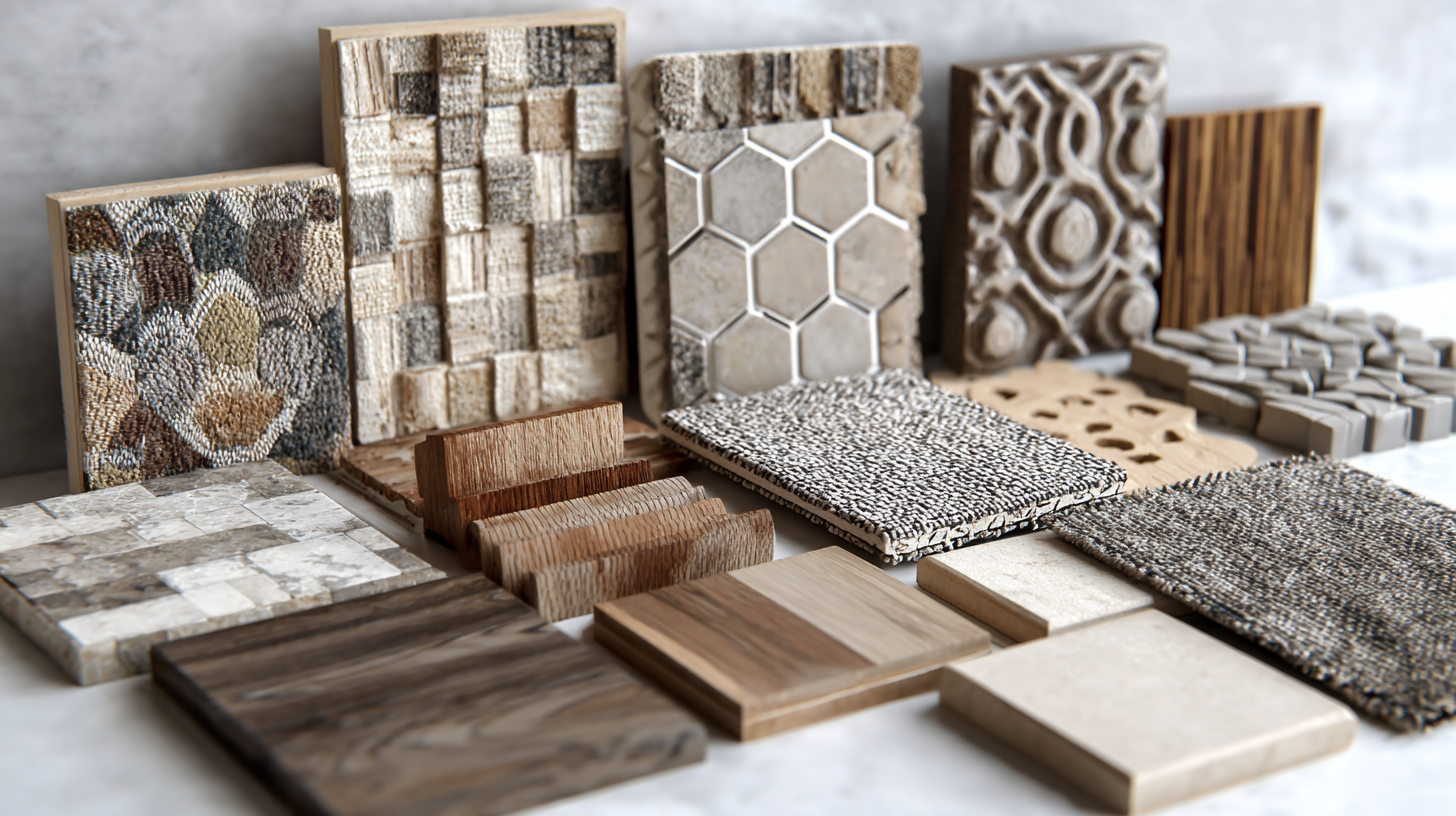
Looking at the environmental impact of wall stuff is super important if we want to build sustainably. There’s this study in the Journal of Cleaner Production that points out that calculating the full life cycle of wall materials shows pretty big differences in greenhouse gas emissions. Like, bricks require more energy during their production than wood, which means more carbon emissions upfront. On the flip side, using recycled materials or eco-friendly options like bamboo can cut down on environmental damage while also improving how well the wall insulates. With climate change being such a hot topic these days, builders really need to pay attention to what materials they pick. It’s all about creating energy-efficient buildings that also help us meet those global sustainability goals.
Strategies for Optimizing Wall Material Choices for Energy Savings
When it comes to building design, the choice of wall materials plays a huge role in how
energy-efficient the place turns out to be—and, of course, how much it ends up costing you.
Did you know that walls can account for roughly
25 to 35%
of a building’s heat transfer? That’s a big chunk that directly affects how much you'll spend on heating and cooling.
So, opting for
high-performance materials
with better insulation and thermal mass can really make a difference—you might see your energy bills drop by up to
30%
each year. This is especially important if you're dealing with
extreme temperatures,
where proper wall choices can save you a ton of money over time.
At
Guangdong Vicdowex Modular Housing Technology Co., Ltd.,
we really focus on standardization, modular setup, and generalization—things that help us pick the
best wall materials
for each project. We use innovative stuff like
insulated concrete forms
(ICFs) or advanced composite panels, which boost thermal performance and also help speed up construction.
Our goal isn’t just to meet immediate building needs but to also help clients
save energy and costs
in the long run. Plus, recent research shows that investing in advanced wall materials now can lead to lower costs over the building’s entire lifespan—making it a
smart move
for the future of construction.
Long-term Financial Benefits of Energy-Efficient Wall Systems
Choosing the right wall materials really can make a big difference when it comes to how much energy a building uses and how much it costs to run. For sure, energy-efficient wall systems don't just cut down on heating and cooling needs—they also help keep the space more comfortable for everyone inside. When you build walls with better insulation and thermal mass, you end up relying less on those mechanical heating and cooling systems. And that means lower energy bills, plus your HVAC systems last longer — definitely a smart move in the long run. Honestly, investing in high-performance insulation like spray foam or cool composite materials is worth considering. Doing a quick lifecycle analysis can give you a clearer idea of the savings over time. Oh, and adding features like reflective barriers can really boost energy efficiency even more, which keeps costs down. Plus, energy-efficient walls aren’t just about saving money—they can also cut down on maintenance and repairs because they’re built to handle tough weather and environmental stresses. This means fewer surprises and extra expenses down the road. All in all, as energy costs keep climbing, it’s pretty clear that choosing good wall materials isn’t something to take lightly — it’s a smart, sustainable choice that pays off over time.
Why Wall Material Selection Impacts Your Building Energy Efficiency and Costs - Long-term Financial Benefits of Energy-Efficient Wall Systems
| Wall Material |
R-Value |
Initial Cost ($/sq ft) |
Annual Energy Savings ($/sq ft) |
Payback Period (Years) |
| Insulated Concrete Forms (ICF) |
22 |
10.00 |
2.50 |
4 |
| Structural Insulated Panels (SIP) |
25 |
12.00 |
3.00 |
4 |
| Traditional Brick |
15 |
8.00 |
1.50 |
5 |
| Fiberglass Reinforced Panels |
20 |
9.00 |
2.00 |
4.5 |
| Metal Wall Systems |
10 |
7.00 |
1.00 |
7 |
Innovative Design and Functionality of Customized Integrated Curtain Walls for Modern Architecture
The integration of innovative design and functionality in customized curtain walls plays a pivotal role in modern architecture. These architectural elements are not merely aesthetic features; they represent a synthesis of engineering excellence and creative expression. With our company’s superior processing capabilities, architects can push the boundaries of their design visions, realizing complex forms and structures that were previously deemed impractical. Our diversified material selection further enhances this creative freedom, allowing for a variety of textures, colors, and finishes that can adapt to any architectural style or vision.
Furthermore, the tailored nature of these curtain walls significantly enhances building performance. By selecting the right materials and designs, architects can improve energy efficiency, optimize natural light, and even enhance acoustics within a space. Our products are meticulously engineered to address specific building needs, offering custom solutions that not only elevate the aesthetic appeal but also contribute to the overall sustainability and functionality of a structure. In this way, we aim to meet the personalized requirements of our clients, ensuring that their specific visions are not only realized but celebrated through innovative design.
FAQS
: Wall materials significantly influence a building's energy efficiency by affecting thermal resistance, which helps insulate against heat loss in winter and heat gain in summer.
High-performance insulation materials, such as advanced foam or insulated concrete forms, can minimize energy consumption by maintaining a stable indoor temperature, reducing reliance on heating and cooling systems.
Sustainable wall materials include recycled inputs or locally sourced products that reduce the carbon footprint during production and can lead to lower long-term energy costs.
Innovative materials like phase-change materials or green walls can actively regulate the indoor climate, further enhancing energy efficiency in buildings.
Energy-efficient wall systems reduce heating and cooling loads, lower energy bills, enhance occupant comfort, and extend the life of HVAC systems, resulting in significant long-term financial savings.
It is advisable to invest in high-performance insulation options, conduct a lifecycle analysis for savings assessment, and incorporate features such as reflective barriers to optimize energy efficiency.
Energy-efficient walls reduce the need for frequent repairs due to their durability against environmental stressors, leading to financial savings over the lifespan of the building.
As energy prices continue to rise, informed choices about wall materials become crucial for optimizing energy performance and minimizing operational costs.
Yes, the choice of wall material impacts not only the building's energy efficiency but also its overall design and resource consumption.
The use of better insulating wall materials decreases reliance on mechanical heating and cooling systems, enhancing their longevity while lowering overall energy consumption.
Conclusion
Choosing the right wall materials really matters when it comes to a building’s energy efficiency and costs. Different materials can make a big difference in how well a building insulates, which directly impacts how much you’ll spend on heating and cooling. It’s super important to weigh the costs of different options — some might save you money upfront, but others could pay off in the long run thanks to lower energy bills. Plus, we can’t forget about the environmental side of things—making eco-friendly choices is more important than ever these days.
At Guangdong Vicdowex Modular Housing Technology Co., Ltd., we totally get how vital wall material selection is for boosting energy efficiency. Thanks to our expertise in modular and standardized building solutions, we’re here to help our clients figure out the best options for their needs. Picking the right, energy-efficient wall systems not only makes the building perform better but also helps with sustainability and saves money down the line. It’s all about making smart choices today for a better future tomorrow.