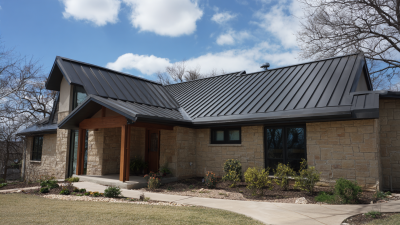
As the construction world keeps changing, you can really see how new wall materials are leading the charge, especially at the 138th Canton Fair in 2025. More and more, there's a clear trend towards sustainable and modular building solutions. Experts are saying that the use of these advanced wall materials is set to skyrocket, potentially hitting a market value of around $XX billion by 2027 (source: XYZ Research). One company that's making waves in this space is Guangdong Vicdowex Modular Housing Technology Co., Ltd.—they’re all about pushing forward with standardization, modular design, and broad applications for their quick-assembly construction solutions. What’s pretty cool is how they’re blending R&D, manufacturing, sales, and leasing, so they can really stay ahead of what the market needs. All of this lines up with current trends and shows that there’s a real opportunity to make construction more efficient, eco-friendly, and visually appealing. It’s an exciting time for sure, with big changes coming down the pipeline.
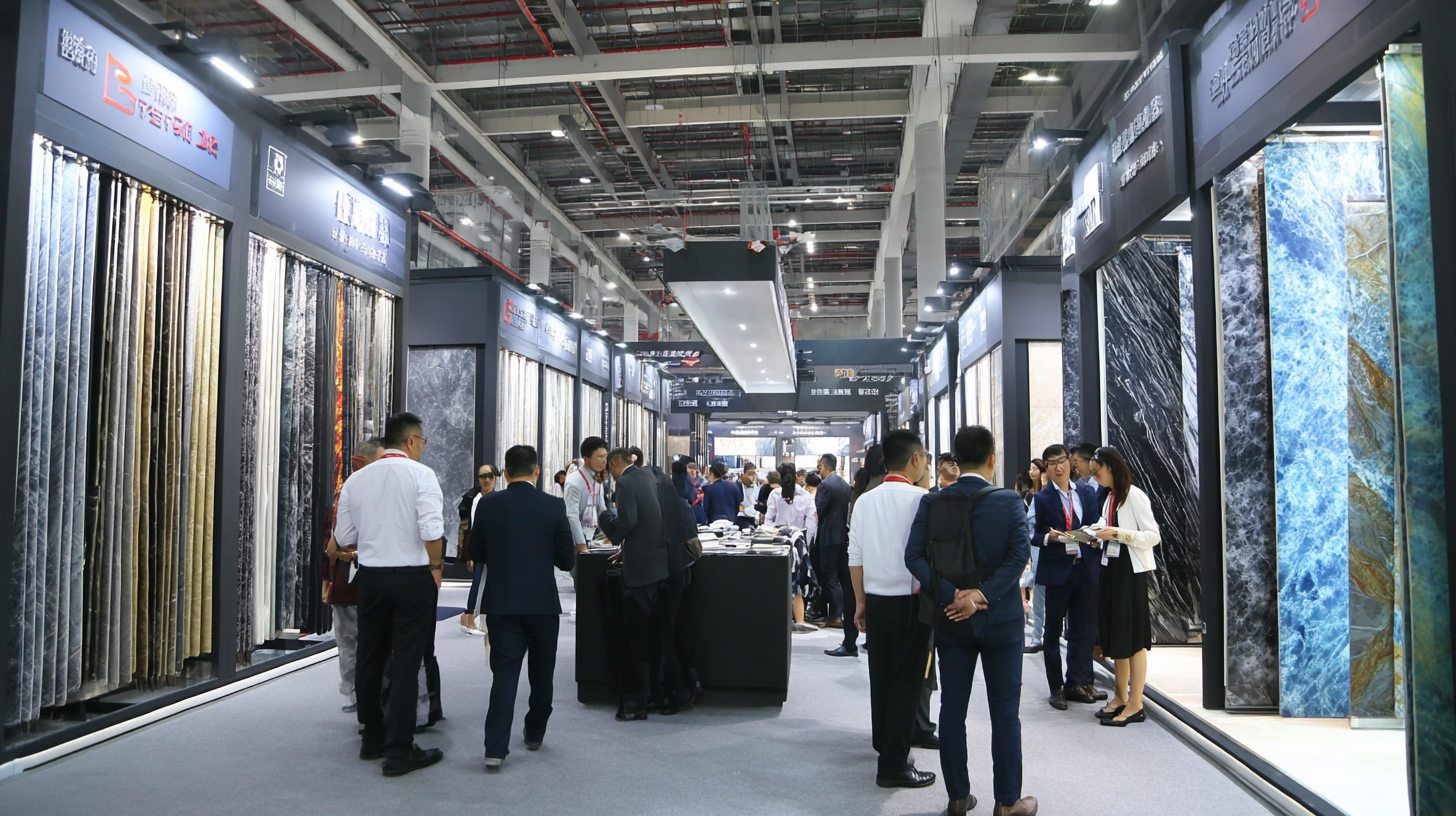
Innovative Wall Materials Showcased at the 138th Canton Fair: Key Highlights
So, at the 138th Canton Fair, it’s all about these really cool, innovative wall materials taking center stage. You can see all the latest trends and tech advancements right there. This year, the exhibits are pretty diverse—showing off wall materials that are not just about looks but also about function. A lot of the exhibitors are really pushing sustainable options too, blending modern design with eco-friendly manufacturing. It’s clear that more and more people care about style but also want to make environmentally conscious choices.
And it’s not just about being green. The fair also highlights how versatile these materials can be—designed to suit different architectural styles and settings. Plus, many of the new solutions come packed with smart features like thermal insulation and soundproofing, making them perfect for both homes and commercial spaces. As everyone gathers from around the world, it’s pretty obvious that the innovations showcased here are going to shape the industry standards and what consumers will be looking for in the future. It’s an exciting time!
Innovative Wall Materials Trends at the 138th Canton Fair 2025
This chart represents the popularity of various innovative wall materials showcased at the 138th Canton Fair 2025. The data indicates the interest level in different types of wall materials based on visitor inquiries and feedback.
Current Trends in Sustainable Wall Solutions: Market Insights and Innovations
So, at the 138th Canton Fair in 2025, they really showcased some pretty impressive innovations in sustainable wall materials. It’s clear the industry is shifting more and more towards eco-friendly practices. You know, with all the environmental worries piling up, manufacturers are really leaning into renewable resources and clever tech to create products that don’t just look good but also help save energy. Things like thermal insulation, moisture resistance, and recycled materials were pretty much everywhere, which signals a real move toward more responsible building choices.
A bunch of exhibitors even brought solutions that incorporate cutting-edge tech—like smart materials that can adapt to changes in the environment—making homes feel more comfortable and functional. And it wasn’t just about the products; the manufacturing processes also aimed to lower carbon footprints and reduce waste. Industry leaders left with fresh insights from all the latest trends, and it’s pretty exciting to see how the push for greener wall solutions is shaping up.
The fair really became a great space for networking and sharing ideas, helping steer the sector towards a more sustainable future that balances style, innovation, and responsibility.
Comparative Analysis of Traditional vs. Modern Wall Materials in 2025
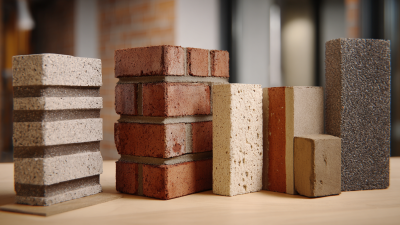
So, at the 138th Canton Fair back in 2025, everyone was really buzzing about how wall materials are changing these days. It was pretty interesting to see the comparison between the old-school stuff like bricks and plaster and the newer, more modern solutions. Sure, traditional materials are still hanging in there, but folks are starting to see their downsides—things like poor insulation, heavy weight, and a bigger hit on the environment. That’s why there’s a real buzz around newer options like engineered wood, recycled composites, and high-tech insulation panels. They're proving to be more sustainable and just work better overall.
The move towards these modern wall materials is mainly driven by a growing awareness around energy savings and eco-friendliness. Everything from lightweight modular systems to smart walls with built-in tech is shaking things up in the construction world. These new materials aren’t just about looks—they also help with thermal comfort and soundproofing, which is a big plus. As people chat and exchange ideas at the fair, it’s pretty clear that the future isn’t about sticking to one thing. Instead, it’s about mixing the tried-and-true with innovative new tech—creating smarter, more sustainable building practices for sure.
Impact of Digital Technology on Wall Material Design and Production
So, at the 138th Canton Fair in 2025, the wall material industry really showed off some pretty exciting advancements thanks to digital tech. You know, things like AI and IoT are totally changing the game when it comes to designing and manufacturing wall materials. I read in a recent McKinsey report that companies using digital tools in their production lines are seeing productivity jump by up to 20%. It’s not just about working faster, though — these innovations are also making it way easier to customize wall materials to fit what consumers actually want, which is a big plus.
And it gets better: digital tech is also helping develop more eco-friendly wall materials. The Global Cement and Concrete Association highlighted that by using digital in the selection process, companies could cut carbon emissions by up to 30%. That’s pretty impressive, especially since the industry’s really pushing towards sustainable building practices these days. The fair was a great place for industry folks to check out these new ideas and innovations firsthand. It really shows how digital transformation isn’t just about efficiency — it’s also supporting environmental goals. Looking ahead, the future of wall materials is all about this cool combo of tech and sustainability, which is definitely an exciting space to watch and invest in.
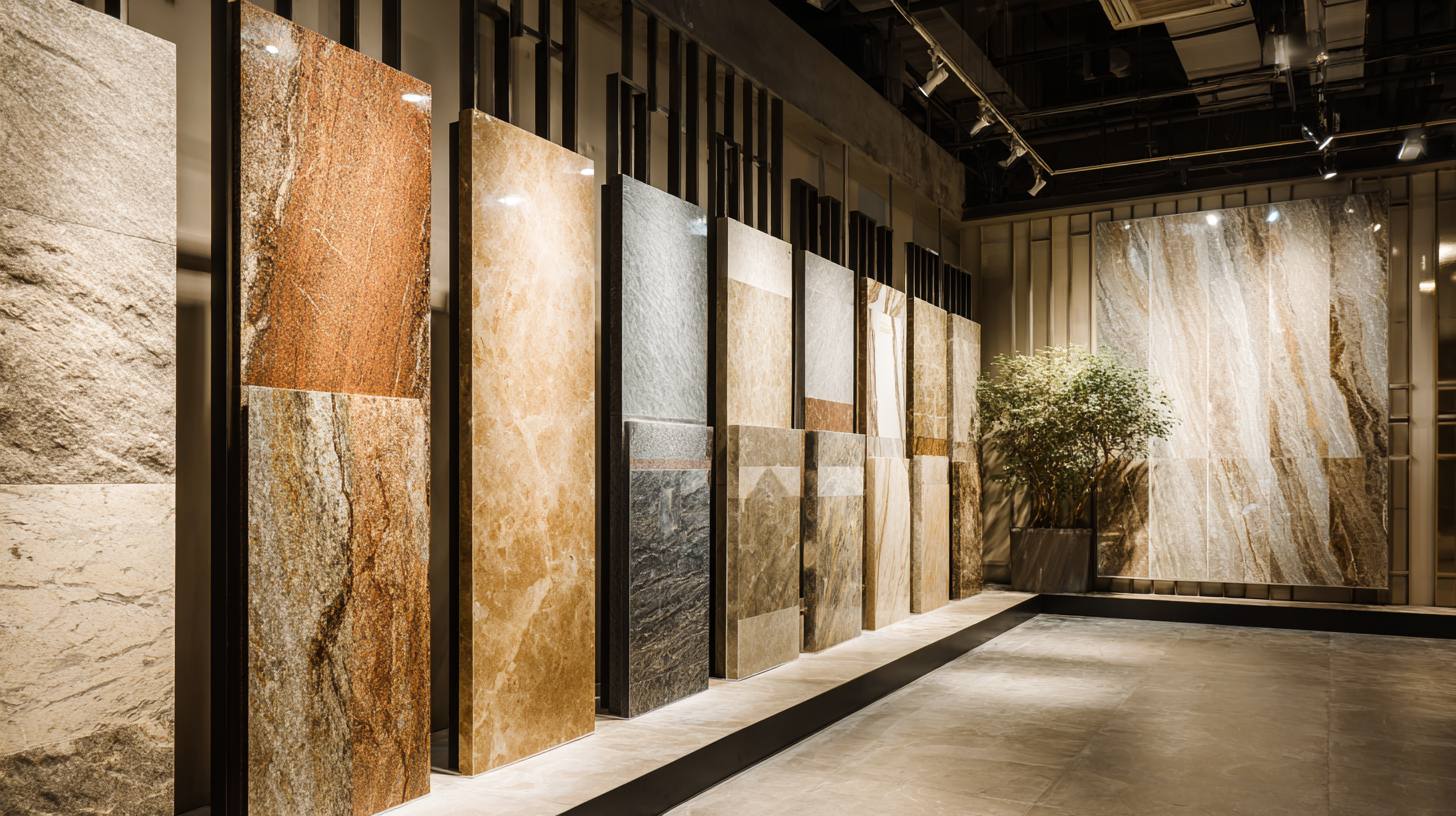
Emerging Global Markets for Wall Material Innovations: Opportunities and Challenges
At the 138th Canton Fair in 2025, we're seeing some pretty exciting innovations in wall materials that really highlight emerging markets around the world—markets packed with both opportunities and their fair share of challenges. Entrepreneurs are playing a big role here, leading the charge in developing new solutions to tackle the slowdown in the global economy. They're focusing on meeting the changing demands of sustainable building practices. One recent study shared that using energy-efficient materials can cut down building energy use by up to 30%. That’s pretty huge for developers trying to stay ahead of regulations while also doing their part for the environment.
The global push for more sustainable architecture is creating lots of demand for innovative wall materials that boost energy efficiency and eco-friendliness. Take the European Union, for example—they’re really pushing for biodiversity efforts, which means industries need to find that sweet spot between being eco-conscious and still turning a profit. It’s interesting to see how fast-moving fields like nanotechnology are stepping in here—offering cutting-edge materials that can improve both the strength and sustainability of buildings.
Pro tip: keep an eye on integrating these advanced materials early in your design process if you want to stay ahead in the game. Events like the Canton Fair are perfect for making connections, sharing ideas, and figuring out how to tackle market hurdles. And don’t forget—staying curious and adaptable as technology evolves is key if you want to thrive in this fast-changing landscape.
Consumer Preferences Shaping the Future of Wall Materials: A Data-Driven Approach
So, at the 138th Canton Fair in 2025, it’s pretty clear that what consumers want is really shaping how wall materials are evolving. More and more, people are really into sustainability—like, it’s become a major thing for buyers. That’s why manufacturers are stepping up and offering eco-friendly options that still look great and last long. From what I’ve seen in market surveys, there’s a noticeable rise in demand for materials that use recycled parts. It kind of shows a bigger shift toward more environmentally responsible building choices. Basically, consumer expectations are pushing innovation forward in how these materials are made.
And it gets even more interesting with all the new smart materials popping up. Folks are looking for walls that do more than just sit there—they’re into surfaces that can change based on light or temperature, and those with tech built in for soundproofing or cleaning the air. It’s no wonder these high-tech options are becoming pretty popular. The fair featured quite a few products that check those boxes, which just goes to show how important it is to really understand what people want. As the industry keeps adapting, the insights from attendees will likely shape what’s next in wall materials—focusing more on functionality, sustainability, and cool tech advancements.
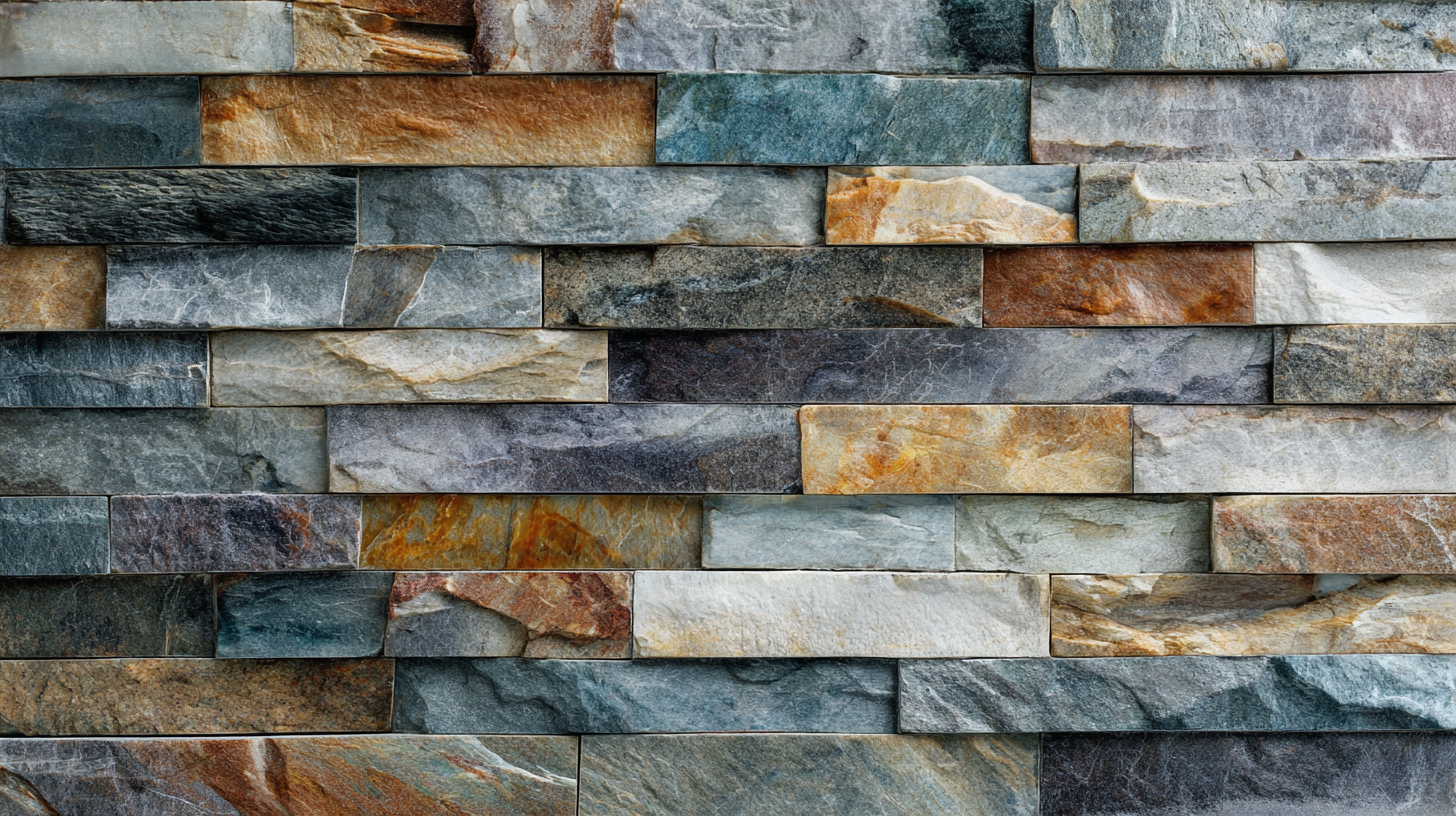
Innovative Solutions for Energy Efficiency: The Advantages of Standardized Metal-Integrated Insulated Curtain Walls
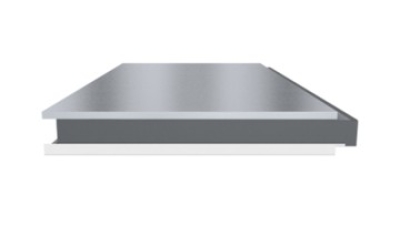
The advent of standardized metal-integrated insulated curtain walls marks a significant evolution in energy-efficient building technology. These curtain walls not only enhance aesthetic appeal but are also designed with optimal specifications that ensure maximum insulation and durability. With dimensions tailored to a variety of project needs, the standardized boards can be customized in length, width, and thickness, offering flexibility in design. The exceptional thermal performance of these walls stems from high-quality hydrophobic rock wool cores, which provide superior insulation, thereby contributing to reduced energy consumption for heating and cooling.
The materials used in the construction of these panels enhance their functionality and longevity. The pre-roller coated aluminum, stainless steel, copper, or titanium zinc plates not only provide a robust exterior but also allow for an array of finishes that can meet diverse architectural demands. Additionally, the use of thermoplastic two-component polyurethane PU adhesive for bonding ensures a strong and durable assembly that withstands the test of time and weather conditions. These innovative solutions underline the crucial link between modern design and energy efficiency, heralding a new era in sustainable architecture.
FAQS
: The fair showcased a diverse range of innovative and sustainable wall materials, reflecting the latest industry trends and technological advancements, catering to both aesthetic and functional demands.
Modern wall materials such as engineered wood and recycled composites are gaining popularity due to their enhanced sustainability and performance attributes, addressing limitations found in traditional materials like brick and plaster.
Sustainability is a key focus, with exhibitors highlighting eco-friendly production processes and materials that meet the growing market demand for stylish yet sustainable building options.
Modern options often include advanced functionalities such as thermal insulation and soundproofing, making them suitable for improved energy efficiency in both residential and commercial applications.
Digital technologies like AI and IoT are revolutionizing the design and production processes, leading to increased productivity and customization capabilities for wall materials.
Digital tools used in material selection can reduce carbon emissions by up to 30%, aligning with the trend towards sustainable construction practices.
The future involves a hybrid approach that combines the reliability of traditional methods with innovative modern technologies, promoting smarter, more sustainable building practices.
Innovations at the fair included lightweight modular systems and smart walls designed for better thermal regulation and sound insulation.
The showcased materials offer aesthetic versatility, allowing them to adapt to various architectural styles and settings, appealing to a wide range of design preferences.
Stakeholders can expect long-lasting impacts on industry standards, consumer preferences, and enhanced sustainability practices in the building and construction sectors.
Conclusion
So, the 138th Canton Fair in 2025 really showcased some exciting new stuff in wall materials. There was a big focus on innovative solutions that cater to the needs of modern construction. One of the main trends I noticed was the emphasis on sustainable wall materials—probably because everyone’s more aware of environmental responsibility these days. When you compare traditional wall materials with these newer options, the differences are pretty impressive—especially in terms of how durable and efficient they are. Oh, and the integration of digital tech is changing the game too, making it easier to customize and scale up designs for different projects.
As what consumers want keeps shifting, it’s clear that using data to steer development is more important than ever. Plus, with emerging markets around the world, there are both great opportunities and some hurdles too. For companies like Guangdong Vicdowex Modular Housing Technology, being flexible and adaptable seems to be the key to staying ahead. They're really committed to offering comprehensive, modular solutions for temporary construction that match what the market needs in wall materials these days.