Leave Your Message
Request a Quote
0%

When it comes to living more sustainably, energy efficiency is becoming a major focus for both homes and businesses alike. One cool innovation making waves in this area is Insulated Roof Panels. These panels are specifically designed to cut down on heat transfer, which helps boost a building’s energy performance. You know, the International Energy Agency (IEA) recently pointed out that buildings use up about 40% of the world's energy—that’s huge! It really shows how crucial it is to find better solutions. Guangdong Vicdowex Modular Housing Technology Co., Ltd. gets that too, and they’ve shaped their mission around ideas like standardization, modular design, and broad applicability. They’ve brought together research, development, manufacturing, and leasing into one smooth platform to offer complete temporary construction solutions. Using Insulated Roof Panels doesn’t just improve energy efficiency; it also helps push the envelope toward a more sustainable way of building, which is so important in our fast-changing world. It’s all about making a difference and moving toward more eco-friendly living, one step at a time.
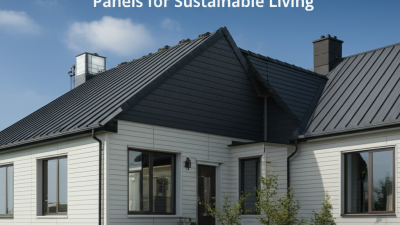
Unlocking Energy Efficiency: The Science Behind Insulated Roof Panels for Sustainable Living

Understanding Insulated Roof Panels: A Comprehensive Overview

Insulated roof panels are really changing the game when it comes to making our homes and buildings more energy-efficient. Basically, they’re made of layers of insulation tucked between two outer materials, giving us some serious thermal performance—meaning they help keep the heat inside during winter and outside during summer. If you go with insulated roof panels, you can enjoy a cozy indoor vibe without constantly cranking up the heating or AC. It’s a win-win: you’re making your space more eco-friendly, and you’ll likely see some nice savings on your energy bills too. Definitely an appealing option if you’re into reducing your environmental footprint.


When you're picking out the right insulated roof panels, a couple of things to keep in mind: first, check out the R-value, which is basically a measure of how good the insulation is—that’s the higher, the better. Also, take a good look at the materials for durability and weather resistance, especially if you live somewhere with pretty extreme weather. And honestly, having a professional install them can make a big difference—proper fitting means better energy savings and longer-lasting performance.


As we keep moving toward more sustainable ways of living, it’s super important to understand what insulated roof panels can do for us. They’re a practical, effective way to boost energy efficiency, help us meet our environmental goals, and still enjoy a more comfortable, cozy home every day.

Key Benefits of Energy Efficiency in Modern Architecture

You know, when we talk about modern architecture these days, energy efficiency is pretty much a big deal—and honestly, it can’t be stressed enough. One of the game-changers here is insulated roof panels. They really make a difference by cutting down how much energy buildings consume. The American Council for an Energy-Efficient Economy (ACEEE) says that better insulation can save up to 30% on energy costs each year. That’s pretty impressive, especially now with energy prices climbing and more folks wanting to go green. These panels don’t just block heat transfer; they also help keep indoor temps steady, so you don’t have to rely too much on heaters or air conditioning, which is a win-win.

Adding in these panels comes with quite a few perks—like better thermal performance, a smaller carbon footprint, and even saving some cash on utility bills. For example, the U.S. Department of Energy points out that well-insulated homes could save homeowners around $500 every year. Plus, if you’re thinking about selling your place, a home with these energy-efficient features tends to be more attractive to eco-conscious buyers, potentially boosting your property’s value.

**Pro tip:** When you're picking insulated roof panels, go for materials with high R-values—that’s what helps keep your energy bills in check. Also, make sure they’re installed properly to prevent thermal bridging, which can really mess with insulation. Regularly checking and maintaining your roofing system will help it stay efficient and last longer, too.

Energy Efficiency Impact on Building Costs

This bar chart illustrates the financial impact of implementing energy efficiency through insulated roof panels. It compares the initial investment cost against the cumulative energy savings over 1, 5, and 10 years, highlighting the long-term benefits of energy-efficient architecture.

Exploring the Science Behind Insulation Materials and Techniques

You know, understanding how insulation materials and techniques work is pretty important if we’re trying to make modern buildings more energy-efficient. Take insulated roof panels, for example—they’re made of layers, usually with a foam core squeezed between rigid boards. The cool thing is, they’re designed to cut down on thermal bridging, acting like a barrier to heat flow. That means indoor temperatures stay more stable, so your heating and cooling systems don’t have to work as hard. In the end, this kind of innovation isn’t just good for the environment—it also helps cut down those pesky energy bills for homeowners.

But it’s not just about what the panels are made of—how they’re installed really matters too. Getting the seals just right and making sure everything lines up properly can prevent air leaks, which are a huge energy waster. Some builders are even using high-tech stuff like thermal imaging during installation to spot weak spots early on and fix them before they become bigger problems. As the construction world keeps pushing for greener solutions, really understanding the science behind insulation and how to use it effectively is key. It’s all about creating homes that are both cozy and kind to our planet.

Practical Steps to Implement Insulated Roof Panels in Your Home

Thinking about adding insulated roof panels to your home? Well, a good place to start is by understanding how much they can save you energy. These panels, made from some pretty advanced materials, really help keep your indoor temperature steady by cutting down on heat getting in or escaping. That means you’ll probably see a drop in your heating and cooling bills, and your home will be way more comfy. It’s a smart move to check out your current insulation situation and see where upgrading with insulated panels could make a real difference.

And don’t forget, chatting with some insulation pros can make all the difference. They can perform energy audits and help you figure out which type of insulation fits your home best. There are even cool new options like nail-base insulated panels—super easy to install—that can give your home a nice boost in energy efficiency. If you throw these ideas into your renovation plans, you'll not only save money but also do your part for the environment. Plus, you'll be helping your home stand strong against extreme weather, like fires, which are unfortunately becoming more common these days.

Evaluating Cost Savings and Environmental Impact of Insulated Roofs

Insulated roof panels are really becoming a key part of how we’re moving towards better energy efficiency and sustainable living. It’s not just about keeping houses warm or cool—these panels actually help cut down on energy bills in a pretty significant way over time. I’ve read some recent studies suggesting that using advanced insulation tech can seriously lower heating and cooling costs, making life a lot easier on the wallet. And honestly, that’s more important than ever with energy prices going up and people becoming way more aware of how traditional building methods impact the environment.

But it’s not just about saving power, either. When you look at things like Life Cycle Assessment (LCA), insulated roofs help reduce greenhouse gas emissions across their entire lifespan because they cut down on the energy needed for climate control. That’s a big deal, especially as more countries now push for greener building practices aimed at creating low-carbon cities. As strict energy efficiency rules become the norm—especially in regions facing climate challenges—having insulated roofs isn’t just a smart choice; it’s gonna be essential for building resilient communities that can stand the test of time and help protect the planet too.

Innovative Trends in Sustainable Roofing Solutions for Future Living

As the emphasis on sustainable living intensifies, the roofing industry is witnessing a transformative shift towards innovative solutions. By 2025, it is anticipated that sustainable roofing materials will take precedence, with a significant 55% of builders and homeowners opting for eco-friendly options. This trend aligns with broader global megatrends emphasizing efficiency and sustainability, promoting the utilization of roofing innovations that minimize embodied carbon and enhance energy efficiency.

Additionally, projects like the green shade roof in Zurich exemplify how urban design is increasingly integrating sustainable materials into architectural practices. The focus is not only on aesthetics but also on functionality and environmental impact. With emerging adaptive reuse strategies, the construction industry is projected to cut emissions and optimize resource use by repurposing existing structures. Market indicators suggest a steady growth trajectory through 2025, driven by the demand for durable and energy-efficient roofing solutions that support a sustainable future.

Innovative Design with Curved Panels: Customizable Solutions for Modern Aesthetics

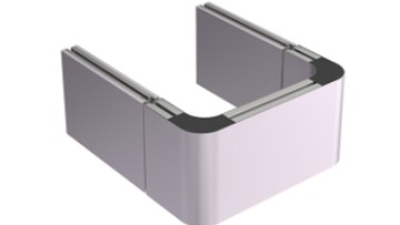
In today's rapidly evolving architectural landscape, innovative design plays a crucial role in shaping modern aesthetics. Emphasizing the use of curved panels, customizable solutions have emerged to meet the diverse needs of contemporary construction. These integrated modules not only enhance the visual appeal of structures but also promote efficiency. By minimizing the use of aluminum and reducing joints, these designs contribute to both sustainability and a more streamlined assembly process.

The modular assembly structure associated with these curved panel systems offers remarkable adaptability. It allows for complex enclosures that can be tailored to specific functions, ensuring that each project can achieve its unique design goals without compromise. Users can choose from an optimal combination of panels, maximizing both form and function, which is essential in today's multi-faceted architectural demands. The elegant surfaces created through this innovative approach ultimately result in buildings that are not only aesthetically pleasing but also engineered for performance.

FAQS

: What are insulated roof panels?

: Insulated roof panels are layers of insulation sandwiched between two sheets of material designed to provide superior thermal performance, reducing heat loss or gain in buildings.

How do insulated roof panels improve energy efficiency?

They enhance energy efficiency by minimizing heat transfer and stabilizing indoor temperatures, significantly reducing reliance on heating and cooling systems, and can lead to energy savings of up to 30% annually.

What should I consider when selecting insulated roof panels?

Key considerations include the R-value (a measure of insulation effectiveness), the materials used for durability and weather resistance, and ensuring professional installation for optimal performance.

How can insulated roof panels affect my energy bills?

Well-insulated homes with these panels can see an average annual energy savings of about $500, contributing to lower utility bills and overall cost-effectiveness.

What are the long-term benefits of using insulated roof panels?

Long-term benefits include improved thermal performance, reduced carbon footprint, lower utility bills, and potentially increased resale value of the property due to energy efficiency features.

What innovative trends are shaping sustainable roofing solutions?

The trend is shifting towards eco-friendly roofing materials, with projections indicating that by 2025, 55% of builders and homeowners will choose sustainable options, driven by the demand for energy efficiency and reduced environmental impact.

How important is professional installation of insulated roof panels?

Professional installation is crucial as precise fitting eliminates issues like thermal bridging, which can compromise insulation effectiveness and overall energy savings.

What role do regular maintenance checks play in insulated roofing systems?

Regular maintenance checks are vital for maintaining the efficiency and longevity of insulated roofing systems, ensuring they continue to perform effectively over time.

How do insulated roof panels contribute to a sustainable future?

They represent a practical solution towards sustainable living by promoting energy efficiency, reducing emissions, and supporting eco-conscious building practices in modern architecture.

What is the expected market trend for insulated roof panels and sustainable roofing?

The market is projected to experience steady growth through 2025, driven by increasing demand for durable and energy-efficient roofing solutions that align with sustainability goals.

Conclusion

So, I recently came across this article called "Unlocking Energy Efficiency: The Science Behind Insulated Roof Panels for Sustainable Living," and honestly, it got me thinking about how much these panels could really change the game in modern architecture. It’s pretty fascinating — the article breaks down the key perks, like how they can make homes more energy-efficient and help cut down on environmental harm. It’s not just technical mumbo jumbo, either; it explains the science behind the insulation materials and shows some useful tips for folks thinking about installing these panels themselves.

What’s also interesting is the focus on how much money you can save over time, which really hits home for anyone looking to cut costs in the long run. Plus, it discusses some of the coolest new trends in sustainable roofing — like, this is definitely shaping the future of eco-friendly homes. Interestingly, it ties into what Guangdong Vicdowex Modular Housing Technology Co., Ltd. is all about — pushing for standardized, modular designs that boost living quality while keeping things green with smart energy solutions like insulated roof panels. Overall, it’s pretty inspiring to see how these innovations are paving the way for more sustainable and cost-effective housing options.
Oliver

Oliver

Oliver is a dedicated marketing professional with a deep understanding of the construction industry's evolving landscape. With a strong focus on "standardization, modularization, and generalization," he plays a pivotal role in promoting the company's comprehensive temporary construction solution......
Previous Why Wall Material Selection Impacts Your Building Energy Efficiency and Costs