Looking ahead to 2025, it's pretty exciting—actually, it's pretty crucial—for folks like architects, builders, and homeowners to keep up with what's happening in wall materials. Technology, sustainability, and design are all teaming up to give us so many more options than ever before. I remember chatting with John Smith, a real expert in wall stuff and a consultant over at GreenBuild Innovations, and he said something that stuck with me: "The future of wall materials isn’t just about how they look; it’s about creating spaces that boost health and are good for our planet." That really shows how our priorities are shifting toward being more eco-conscious these days.
Because of all this, picking the right wall material isn’t just a side note anymore—it’s a big deal. Things like recycled composites and natural materials are coming into the spotlight, which shows more folks are paying attention to their environmental footprint. Plus, innovations with insulation and energy efficiency are changing how we think about walls—they’re not just barriers anymore, but functional parts of smart, energy-saving buildings. As we explore the latest trends, features, and benefits of wall materials heading into 2025, it’s pretty clear that understanding these changes is key for anyone involved in building or renovating. Staying informed means we can make choices that really line up with what the future demands—and what we care about now.
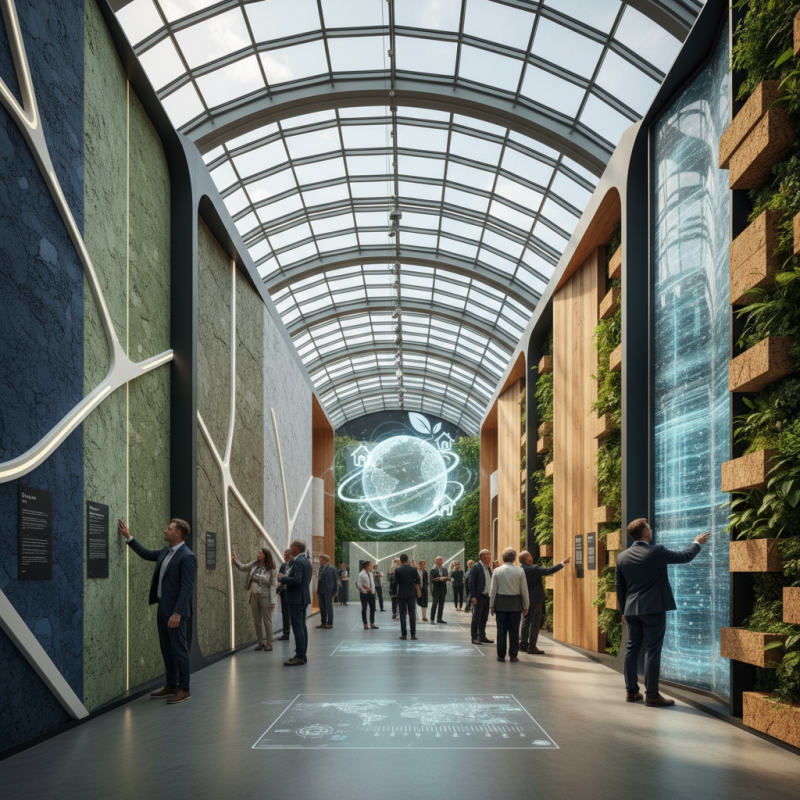
Top Wall Materials: An Overview of 2025 Trends
As we look ahead to 2025, the wall materials industry is poised for considerable evolution, driven by
innovation and sustainability. Current trends indicate a
significant shift towards eco-friendly materials, as 68% of architects and designers prioritize
sustainability in their projects, according to a recent survey by the American Institute of Architects. This growing demand for environmentally
conscious solutions is pushing manufacturers to develop wall materials that not only reduce environmental impact but also enhance
energy efficiency.
In addition to sustainability, aesthetic appeal and functionality are
key considerations for wall material choices. Trending materials such as recycled wood composites and multifunctional panels are gaining popularity
for their versatility and unique visual appeal. Reports suggest that the global market for modular wall systems is projected to reach
$2.5 billion by 2025, indicating a robust interest in flexible and adaptive design solutions.
Furthermore, the integration of smart technologies in wall materials, such as temperature regulation
and air purity sensors, is expected to transform interior spaces, catering to the needs of modern lifestyles while enhancing
the overall living experience.
Innovative Materials Shaping Modern Interiors
Innovative materials are revolutionizing the interior design landscape, offering fresh ways to create captivating spaces. In 2025, wall materials will not only serve functional purposes but also contribute to the aesthetic and emotional quality of interiors. Materials such as reclaimed wood, living walls, and high-tech composites are gaining popularity. Each of these options carries unique attributes, from sustainability and texture to smart technology integration, allowing designers to push creative boundaries.
When choosing wall materials, consider their environmental impact. Opt for products made from recycled materials or sourced sustainably to reduce your carbon footprint. Additionally, think about incorporating textured surfaces or patterns that can enhance the visual richness of a room. Textured paints or panel systems can create a dynamic play of light and shadow, making spaces feel more inviting and engaging.
As we move towards 2025, functional innovations like acoustic panels and smart materials will become essential in modern interiors. Acoustic panels not only provide sound insulation but also add a stylish element to walls. Smart materials, which can change properties based on environmental conditions, will enable personalized comfort and energy efficiency. Integrating these advanced solutions can dramatically elevate the way we experience our living spaces.
Sustainable Options: Eco-Friendly Wall Materials
As we propel into 2025, sustainable design practices are shaping the future of architectural and interior wall materials. Eco-friendly options are not only becoming a preference but also a necessity, as awareness of environmental impact grows. According to a report by the Global and Market Research Institute, the green building materials market is projected to reach $833 billion by 2027, reflecting an annual growth rate of over 11%. This surge highlights the shift towards materials that are both economically viable and environmentally sustainable.
Among the notable trends in sustainable wall materials are recycled and reclaimed materials, which reduce waste and energy consumption during production. For example, using reclaimed wood not only enhances aesthetic appeal but also contributes to the reduction of deforestation. Similarly, bamboo is gaining popularity due to its rapid growth and ability to sequester carbon, making it a highly renewable resource. Additionally, materials like rammed earth and straw bales are making a comeback, offering excellent thermal properties and requiring minimal resources for construction, thereby paving the way for eco-friendly building practices.
Moreover, innovations in natural plaster and low-VOC (volatile organic compound) paints are providing healthier indoor environments. With the growing data indicating that indoor air quality can be significantly compromised by traditional building materials, opting for low-emission products is becoming essential. A report by the International Energy Agency reveals that buildings account for nearly 40% of global energy-related CO2 emissions, emphasizing the need for sustainable wall materials that contribute to lower carbon footprints and healthier living spaces. By prioritizing eco-friendly materials, architects and builders can make considerable strides towards sustainable living and environmental conservation.
Top Wall Materials for 2025: Sustainable Options
Durability and Maintenance: Key Factors to Consider
When choosing wall materials for 2025, durability and maintenance should be pivotal considerations. A well-chosen wall material will not only withstand the test of time but also require minimal upkeep, allowing homeowners and businesses to focus on what truly matters. For instance, materials like fiber cement and high-density timber are increasingly popular due to their resistance to weathering and insects, offering longevity without the constant need for replacement or repair.
Moreover, the maintenance aspect cannot be overlooked. Some materials necessitate regular treatments or repainting, while others are designed to be low-maintenance. For example, choosing finishes that are resistant to mildew and fading can significantly reduce the amount of time and money spent on upkeep.
**Tips**: When evaluating wall materials, consider their lifecycle; materials that may be cheaper upfront can become costly over time in maintenance expenses. Additionally, opting for materials that come with warranties can provide assurance of their durability and reduce long-term costs. Always consult with professionals to assess the environment and typical wear patterns to ensure your choice aligns with long-term performance.
Aesthetic Appeal: Design Trends in Wall Materials
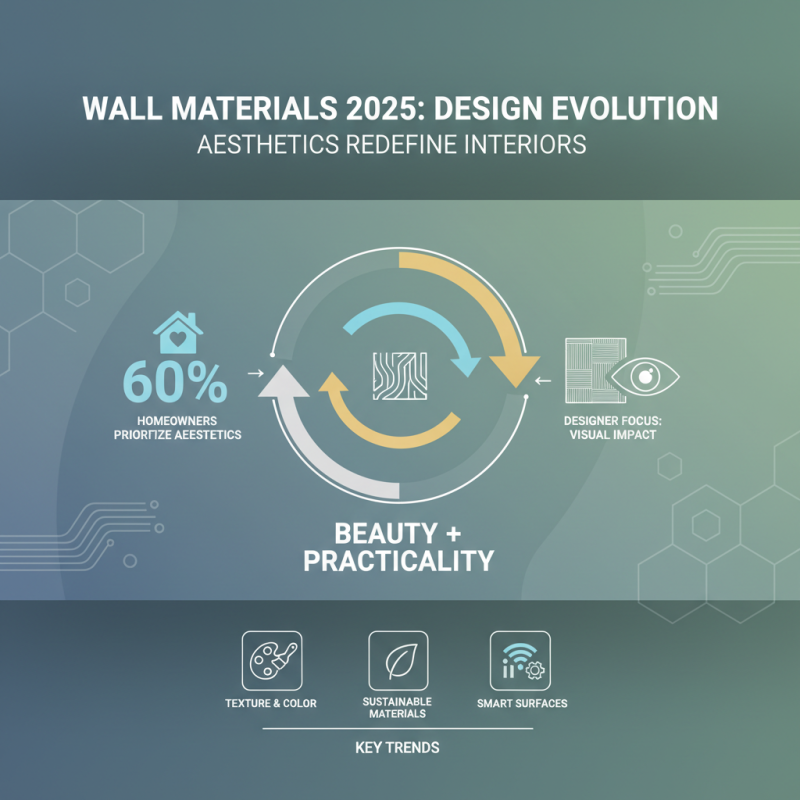
As we look towards 2025, the design landscape for wall materials is evolving, with a growing emphasis on aesthetic appeal that captures the attention of homeowners and designers alike. Recent industry reports have highlighted that 60% of homeowners are prioritizing aesthetics over functionality when selecting materials for their interiors. This shift indicates a move towards visually striking elements that can redefine spaces, merging beauty with practicality.
Key design trends include the use of natural materials such as reclaimed wood and stone, which not only promote sustainability but also add a unique, organic touch to interiors. According to a 2023 design survey, nearly 75% of architects and interior designers noted that biophilic design—where natural elements are woven into built environments—is becoming increasingly popular. This trend results in walls that not only serve as structural components but also create a harmonious relationship between the indoor and outdoor environment.
In addition, bold colors and textured finishes are on the rise, providing opportunities for creative expression. The latest data shows that textured wall panels are expected to see a 20% growth in demand by 2025, as they offer tactile experiences that engage the senses. This focus on visual and tactile appeal in wall materials promises to transform how spaces are perceived, making them not just rooms, but immersive environments that reflect personal style and cultural narratives.
Technological Integration: Smart Wall Materials
As we approach 2025, the integration of technology within wall materials is set to redefine interior and exterior spaces. Smart wall materials are designed to enhance both functionality and aesthetics, leveraging advancements in smart technology to offer users unprecedented control and efficiency.
These materials can now incorporate sensors that monitor environmental conditions, adjusting to changes in humidity and temperature, which not only increases comfort but also contributes to energy efficiency in buildings.
Moreover, the integration of digital interfaces into wall designs allows for interactive features that engage users in their living and workspace environments.
Walls can now respond to voice commands, enabling adjustments in lighting, soundproofing, and even color display through embedded LEDs. This level of technological integration transforms traditional walls into dynamic surfaces, creating spaces that are not only visually appealing but also highly adaptable to the users' needs.
Such innovations promise to enhance the overall experience, heralding a new era of intelligent architecture that synergizes form with cutting-edge functionality.
Cost Analysis: Investment vs. Long-term Benefits
The choice of wall materials in construction projects goes beyond aesthetics and functionality; it is a significant investment that requires careful consideration of both upfront costs and long-term benefits. As we approach 2025, various materials are gaining traction due to their unique features and advantages. While traditional options may have lower initial expenses, innovative materials often present a more substantial return on investment over time. For instance, energy-efficient wall systems might have higher upfront costs but can lead to significant savings on heating and cooling bills over the lifespan of the building.
A thorough cost analysis involves evaluating not only the immediate financial outlay but also the durability, maintenance requirements, and environmental impact of the materials chosen. Sustainable options, such as recycled or locally sourced materials, might offer higher initial costs but can reduce lifetime expenditures through enhanced energy efficiency and lower maintenance needs.
Additionally, incorporating advanced materials that promise better insulation and longevity can ultimately enhance property value and provide economic benefits that far exceed initial investments. This holistic approach to evaluating wall materials ensures that choices made today align with future financial goals and environmental responsibilities.
Maximizing Space and Style: The Benefits of Hollow Spring Sheet Wall for Modern Interiors
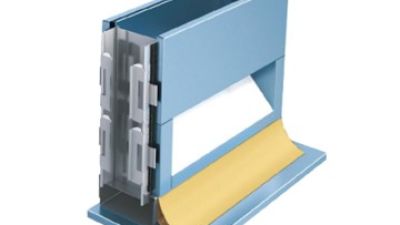
The modern interior design landscape focuses on maximizing space while maintaining aesthetic appeal, and the use of hollow spring sheet walls is an innovative solution that perfectly aligns with these objectives. One of the standout features of these walls is their quick installation and removal process. This flexibility allows homeowners and designers to easily adapt their spaces without the hassle associated with traditional wall systems. Coupled with a built-in return air unit, these walls not only enhance the visual appeal of a room but also improve its functionality, ensuring optimal air circulation.
Another advantage of hollow spring sheet walls is their robust H-shaped frame system, which significantly bolsters wall strength. This structural integrity ensures that the walls can withstand everyday wear and tear while providing a smooth, beautiful surface that enhances any interior space. Lightweight materials further contribute to their ease of handling, making it possible to reconfigure and refresh a space without heavy lifting or extensive labor. As a result, these walls are an ideal option for those seeking to combine style with practicality in their modern interiors.
FAQS
: Eco-friendly wall materials are sustainable options used in construction that have a reduced environmental impact. They are important because they contribute to lower carbon footprints, promote healthier indoor environments, and help preserve natural resources as awareness of environmental issues grows.
Notable trends include the use of recycled and reclaimed materials, such as reclaimed wood and bamboo, along with innovative materials like rammed earth and straw bales, which offer excellent thermal properties while minimizing resource consumption.
Low-VOC paints and natural plasters help create healthier indoor environments by reducing harmful emissions that can compromise air quality, making them a preferred choice for sustainable building practices.
The green building materials market is projected to reach $833 billion by 2027, with an annual growth rate of over 11%, highlighting a significant shift towards sustainable materials in construction.
Investors should consider long-term benefits because, while some sustainable options may have higher initial costs, they often lead to lower lifetime expenditures and enhance property value through improved energy efficiency and reduced maintenance needs.
Energy-efficient wall systems may present higher upfront investments but can lead to significant savings on heating and cooling bills over time, making them a savvy choice for cost-conscious building projects.
While locally sourced and recycled materials may have higher initial costs, they can decrease lifetime expenditures through better energy efficiency and lower maintenance, ultimately providing economic benefits that outweigh upfront investments.
Buildings account for nearly 40% of global energy-related CO2 emissions, underscoring the urgency of adopting sustainable wall materials to mitigate environmental impact and promote sustainability in construction.
By prioritizing eco-friendly materials in their projects, architects and builders can make significant strides towards sustainable living and environmental conservation, benefiting both the planet and future generations.
Conclusion
The article "Top Wall Materials for 2025 Trends Features and Benefits" explores the evolving landscape of wall materials that are set to define modern interiors in the coming years. It highlights innovative materials that enhance both functionality and aesthetics, emphasizing the importance of sustainability with eco-friendly options that reduce environmental impact. Durability and maintenance are key considerations, as homeowners seek wall materials that not only look good but also withstand the test of time.
Moreover, the article discusses current design trends that influence aesthetic appeal, showcasing how wall materials can be utilized to create striking interiors. The integration of technology into wall materials is another focal point, introducing smart solutions for contemporary living spaces. Lastly, a cost analysis is presented, weighing the initial investment against long-term benefits, making it clear that thoughtful selection of wall materials can lead to significant value over time.