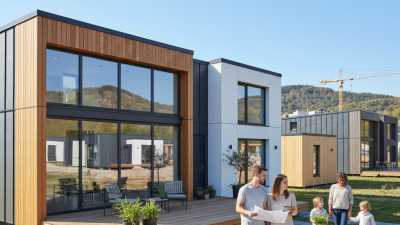
Choosing the right wall material for your home isn’t just about looks—it's a pretty big deal when it comes to how your space feels and lasts over time. Like the expert architect and wall material whiz, Dr. Emily Carter, points out, "Picking the right wall materials isn’t just a design thing; it really affects the vibe and how well a space works." That really highlights why it’s so important to make informed choices when you’re looking at options like drywall, brick, plaster, or wood.
In this guide, we’re gonna break down the top 10 tips to help you pick the best wall materials for your specific needs. Whether you’re renovating a cozy family room or building a brand new house, knowing the ins and outs of different options will help you create spaces that are not only pretty but practical too. So, come along as we dive into this key part of interior design and building—making sure your walls do more than just look good, but also boost comfort and go easy on the environment.
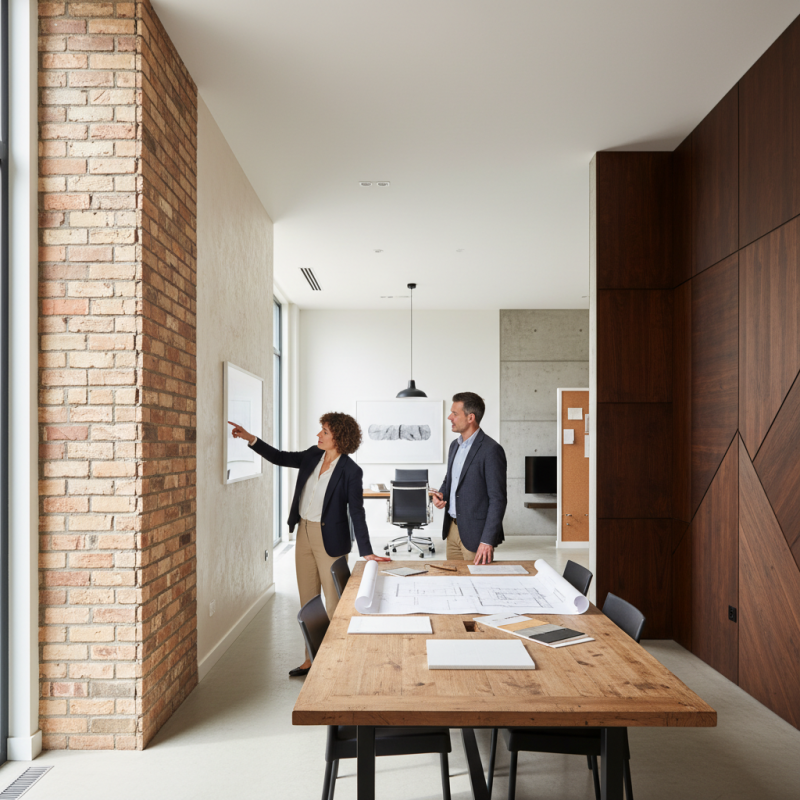
Understanding the Importance of Wall Material Selection for Homes
Selecting the right wall materials for your home is critical not just for aesthetics, but also for long-term durability and energy efficiency. According to a report by the U.S. Department of Energy, optimal wall material choices can lead to energy savings of up to 30% on heating and cooling costs, which directly impacts the overall utility expenses for homeowners. In modern construction, the focus has shifted towards sustainable materials, with a growing number of builders opting for insulation systems that reduce energy consumption while still providing robust structural integrity.
The structural characteristics of wall materials significantly influence a home's resistance to environmental factors as well. Research conducted by the National Association of Home Builders indicates that certain materials, such as insulated concrete forms, offer superior thermal mass, which can enhance temperature regulation throughout the year. Moreover, sound insulation properties are also essential for urban dwellers, as selecting the right wall materials can drastically reduce noise pollution, contributing to a more peaceful living environment. Understanding the implications of wall material choices is essential for homeowners aiming to create comfortable, sustainable, and energy-efficient residential spaces.
Exploring Different Types of Wall Materials Available in the Market
When selecting wall materials for your home, it’s essential to consider the variety of options available in the market today.
According to a recent report by MarketsandMarkets, the global wall materials market is projected to reach
USD 1,578.4 billion by 2027, highlighting the growing interest and
diversity in this segment. Homeowners can choose from traditional materials like wood and brick
to more modern alternatives such as gypsum board and concrete panels. Each type of material
brings its unique set of benefits, aesthetics, and costs to the table, which can significantly impact not only the look of a home
but its overall functionality as well.
Wood, for instance, is praised for its natural beauty and insulation properties, making it a popular choice
for interior spaces. In contrast, concrete is recognized for its durability and low maintenance, ideal for
regions prone to extreme weather conditions. According to a study from Statista, nearly 35% of
construction professionals reported concrete as their preferred wall material in commercial applications, a testament to its reliability.
Other materials, such as vinyl and drywall, offer versatility and ease of installation,
appealing to budget-conscious homeowners who value efficiency. By understanding the different types of wall materials and
their respective advantages, homeowners can make informed decisions that reflect their style and functional needs.
Evaluating Durability and Maintenance Needs of Various Wall Materials
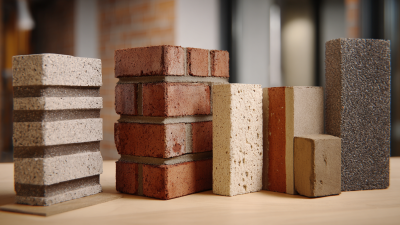
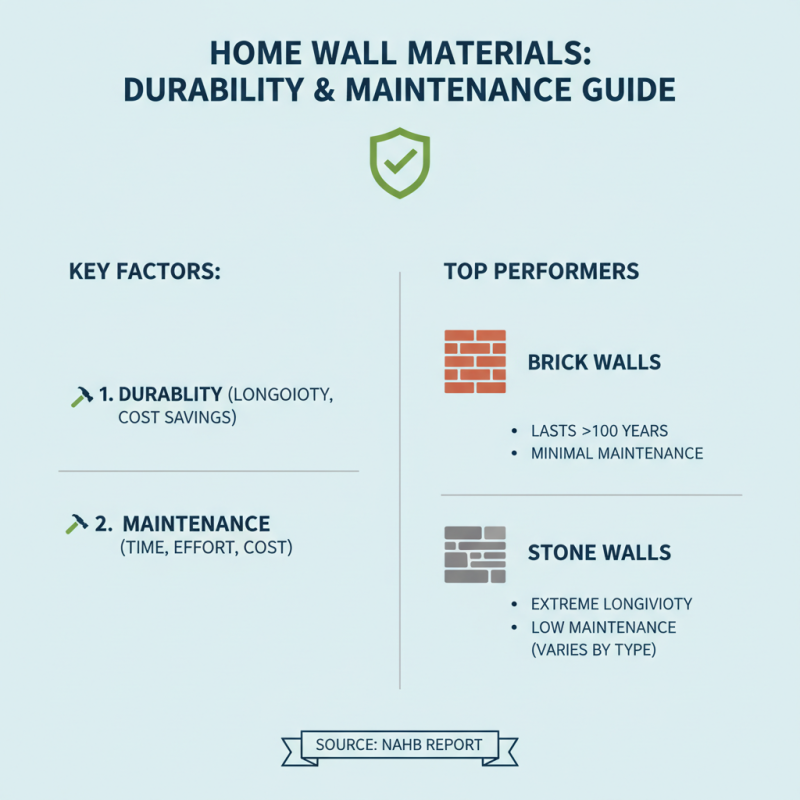
When selecting wall materials for your home, durability and maintenance needs are critical factors to consider. According to a report by the National Association of Home Builders, homeowners often cite durability as a top priority, as it directly impacts longevity and the overall cost of home ownership. For instance, materials like brick and stone not only offer aesthetic appeal but also boast impressive durability. Studies indicate that brick walls can last over 100 years with minimal maintenance, while stone can endure even longer depending on the type and environmental conditions.
On the other hand, more contemporary materials like vinyl and drywall present their own set of advantages and challenges. Vinyl siding, for instance, features excellent resistance to weather elements, requiring little more than occasional cleaning to maintain its appearance. Yet, it may not provide the same lifespan as traditional materials, averaging around 20 to 40 years. Drywall, widely used for interior spaces, is relatively easy to repair but may require more frequent maintenance due to issues like water damage or the need for repainting, which can increase long-term costs. A thorough evaluation of these materials, taking into account their durability and maintenance requirements, will ensure that homeowners make informed decisions that align with their lifestyle and budget.
Assessing Aesthetic Appeal and Design Compatibility with Wall Options
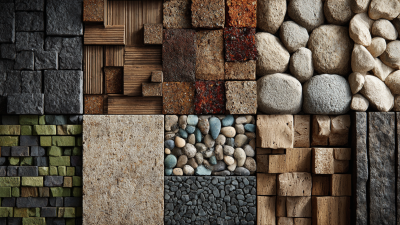
When selecting wall materials for your home, aesthetic appeal and design compatibility are paramount. The walls set the tone for your entire space, so it's essential to consider how different materials contribute to the overall ambiance. For instance, natural materials like wood and stone can impart warmth and texture, making them ideal for rustic or farmhouse-style interiors. Conversely, sleek options such as glass or polished concrete often complement modern and minimalistic designs, creating a sense of openness and sophistication.
Moreover, consider how the wall material interacts with existing elements in your home. A harmonious blend of textures and colors can elevate your design, while clashing materials can detract from the overall look. Pay attention to light reflection and absorption; lighter materials can brighten a room, while darker choices might offer a cozy, intimate feel. By thoughtfully assessing these factors, you can choose wall materials that not only stand out aesthetically but also enhance the design compatibility of your home, creating spaces that are both beautiful and cohesive.
Considering Energy Efficiency and Insulation Properties of Wall Materials
When selecting wall materials for your home, energy efficiency and insulation properties should be at the forefront of your decision-making process. High-quality insulation materials significantly reduce the need for heating and cooling, thereby lowering energy consumption and utility bills. For example, materials such as insulated concrete forms or structural insulated panels provide superior thermal resistance, creating a thermal barrier that minimizes heat transfer. This performance directly contributes to maintaining a comfortable indoor temperature year-round, regardless of external weather conditions.
Moreover, the choice of wall material can also impact the long-term sustainability of your home. Look for materials with natural insulation properties, like stone or certain types of wood, which not only insulate well but also have a lower environmental footprint. Additionally, some materials can be combined with advanced insulation technologies, enhancing their energy efficiency. When assessing wall options, consider how their insulation abilities will affect the overall energy consumption of your living space, as the right choices can lead to significant environmental and financial benefits over time.
Budgeting for Wall Materials: Cost Analysis and Long-Term Investment
When it comes to selecting wall materials for your home, budgeting plays a crucial role in ensuring that your investment is both feasible and sustainable over time. Different materials come with varying costs, and it is vital to conduct a thorough cost analysis before making a decision.
Consider not only the initial purchase price but also installation costs, maintenance, and potential repairs. For instance, while cheaper materials might fit into a tight budget, they could lead to higher long-term expenses due to durability issues or required upkeep.
Considering your long-term investment is equally important. Some materials may have a higher initial cost but offer substantial benefits over the years, such as energy efficiency, durability, and improved aesthetic appeal. Investing in quality materials can enhance the overall value of your home, making it more attractive to potential buyers down the line.
Thus, having a comprehensive understanding of both upfront costs and future implications can guide you in making informed choices that positively impact your home’s longevity and market value.
Sustainability Factors in Choosing Eco-Friendly Wall Materials
When choosing wall materials for your home, sustainability should be a primary consideration. Eco-friendly materials not only reduce the environmental impact but also contribute to healthier indoor air quality. Look for options such as reclaimed wood, bamboo, or recycled metal, which are not only durable but also minimize the need for new resources. Additionally, using materials with low VOC (volatile organic compounds) emissions ensures that your living space remains safe and pleasant.
Tip: When selecting eco-friendly wall materials, always consider their lifecycle impacts. Prioritize materials that are sourced sustainably and can be recycled or repurposed at the end of their life. For instance, choosing natural plaster or clay can enhance both aesthetics and sustainability, while providing excellent thermal performance.
Moreover, consider the insulation properties of your wall materials. Selecting options that offer superior insulation can significantly reduce energy consumption for heating and cooling your home. Tips like insulating paints or natural fiber panels can go a long way in enhancing energy efficiency. Remember, sustainable choices today can lead to a more eco-friendly environment for future generations.
FAQS
: Selecting the right wall materials is crucial for aesthetics, durability, and energy efficiency. The right choices can lead to energy savings of up to 30% on heating and cooling costs, impacting overall utility expenses.
The structural characteristics of wall materials influence resistance to environmental factors. Certain materials, like insulated concrete forms, provide superior thermal mass, enhancing temperature regulation throughout the year.
Sustainability should be a primary consideration. Look for materials like reclaimed wood, bamboo, or recycled metal that reduce environmental impact and contribute to healthier indoor air quality.
VOCs, or volatile organic compounds, can negatively impact indoor air quality. Choosing materials with low VOC emissions helps ensure a safer and more pleasant living space.
Selecting wall materials with superior insulation properties can significantly reduce energy consumption for heating and cooling, helping to lower utility bills and improve comfort.
Yes, materials like natural plaster or clay can enhance aesthetics while providing excellent thermal performance, making them sustainable and visually appealing options.
Consider materials that are sourced sustainably and can be recycled or repurposed at the end of their life to minimize environmental impact throughout their lifecycle.
The right wall materials can drastically reduce noise pollution, particularly in urban areas, contributing to a more peaceful living environment.
Options like insulating paints or natural fiber panels can significantly enhance energy efficiency and reduce energy consumption in your home.
Choosing sustainable wall materials today leads to a healthier environment and sets a positive precedent for future generations, contributing to long-term ecological benefits.
Conclusion
Choosing the right wall material is crucial for homeowners, as it encompasses various factors that significantly influence comfort, aesthetics, and long-term value. In this article, we explore the importance of wall material selection, delving into the diverse types available in the market and evaluating their durability and maintenance requirements. Additionally, we assess the aesthetic appeal and design compatibility of different wall options, ensuring they align with the desired home ambiance.
Energy efficiency and insulation properties are also critical considerations, as they can impact utility costs and overall comfort. Budgeting for wall materials involves a thorough cost analysis, factoring in both upfront costs and long-term investments. Finally, we highlight the significance of sustainability, encouraging the selection of eco-friendly wall materials that benefit both the environment and your home. Overall, understanding these key elements will help homeowners make informed decisions when selecting the best wall material for their needs.