Leave Your Message
Request a Quote
0%

You know, these days, the construction industry is really warming up to Prefabricated Metal Building Panels — mainly because they're so much more efficient and cost-effective. I came across this study from 2021 by the National Institute of Building Sciences that mentioned how using prefabricated building materials can cut down construction waste by up to 30%. That’s pretty huge, especially with the industry under more pressure than ever to hit sustainability targets, right? That said, not all panels are created equal, so you gotta be careful when picking them out.

Now, these metal panels are pretty durable and give you a lot of design options. But, here’s the thing — quality can really vary. I read a report from the Metal Building Manufacturers Association that pointed out if you choose the wrong materials, it could lead to some pretty big structural problems down the line. So, it’s worth investing some time to pick the right panels to make sure everything stays safe and lasts a long time. Choosing while balancing costs and quality can be tricky, especially if it’s your first time navigating this space.

Basically, when you’re deciding on prefabricated building materials, you gotta think about what your project specifically needs and what kind of environment it’ll be in. Things like climate and how the building will be used over time really matter — slip up here, and you might end up with costly repairs or even safety hazards later on. Once you get a good handle on the pros and cons of Prefabricated Metal Building Panels, you’ll be in a much better spot to make smart, informed choices.
Top 5 Tips for Choosing Prefabricated Metal Building Panels?

Understanding Prefabricated Metal Building Panels and Their Advantages

Prefabricated metal building panels offer numerous advantages. These panels are lightweight, durable, and resistant to weather conditions. They are ideal for various structures, from warehouses to custom homes. Understanding their benefits can help in making an informed selection.

When choosing prefabricated panels, think about insulation. Many metal building systems allow for easy integration of insulation materials. This can significantly improve energy efficiency. Energy costs matter. A building that retains heat or cool air will lower expenses over time.

Another point to consider is the panel thickness. Thicker panels generally provide better durability and insulation. This can be particularly useful in areas prone to extreme weather. Keep in mind that not all manufacturers offer the same level of quality. Do thorough research to find reliable suppliers of metal building panels.

Finally, assess the aesthetics of your project. Metal building panels come in various finishes and colors. These options can enhance the overall look of your structure. It’s essential to strike a balance between functionality and appearance. Choosing the right metal building panels may require reflection and careful thought, but the investment is worthwhile.

Top 5 Tips for Choosing Prefabricated Metal Building Panels

Tip Description Advantages
1. Assess Your Needs Determine the purpose and requirements for your building panels, including size and insulation needs. Ensures you choose panels that fit your specific usage, enhancing efficiency and comfort.
2. Consider Durability Look for materials that withstand local weather conditions and provide longevity. Reduces maintenance costs and lengthens the lifespan of the building.
3. Check Energy Efficiency Evaluate insulation options and energy-efficient designs for your panels. Lower energy bills and create a more comfortable environment.
4. Verify Installation Process Understand how the panels will be installed and assess the complexity of the installation process. Saves time and reduces costs associated with installation errors.
5. Compare Costs Analyze the total costs, including materials, installation, and maintenance over time. Ensures budget compliance and helps identify the most cost-effective solutions.

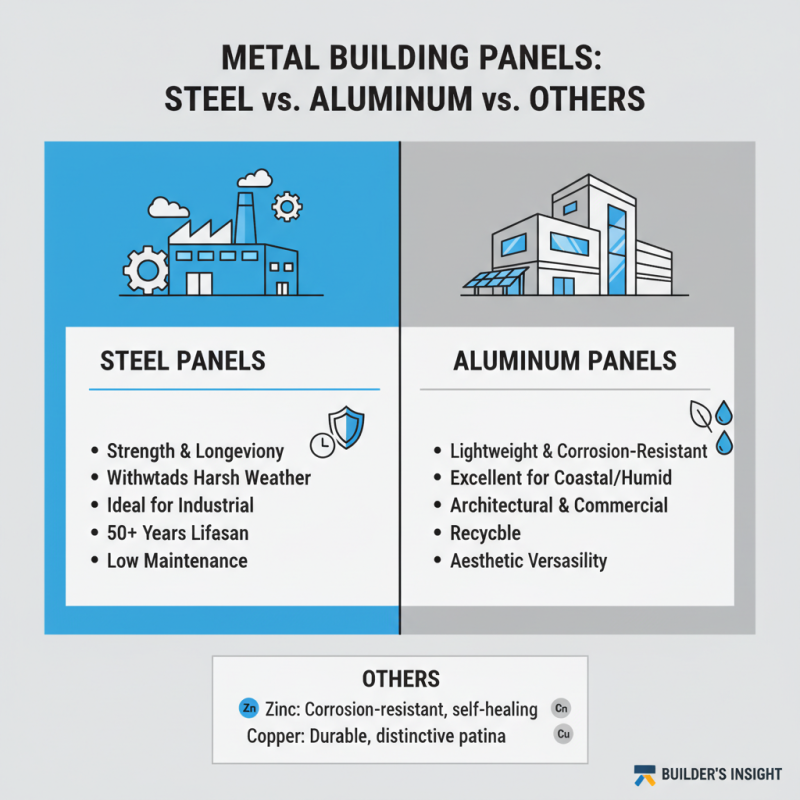
Comparing Different Types of Metal Building Panels: Steel vs. Aluminum vs. Others

Top 5 Tips for Choosing Prefabricated Metal Building Panels?

When choosing prefabricated metal building panels, understanding the differences between materials is crucial. Steel and aluminum are the two predominant options. Steel panels are known for their strength and longevity. They can withstand harsh weather conditions, making them ideal for industrial applications. According to a report by the Metal Building Manufacturers Association, steel structures often last over 50 years with minimal maintenance.

Aluminum panels, while lighter and resistant to corrosion, may not have the same structural integrity as steel. Their unique properties can be advantageous for residential projects where the weight of the Metal Building Frame matters. A survey from Construction Specifier indicates that aluminum is favored in regions with high salt exposure due to its rust-proof characteristics. However, costs can be a potential drawback, as aluminum tends to be pricier than steel.

When selecting panels, consider the purpose of your building. A lightweight design may benefit from aluminum, while heavier loads call for robust steel. Be aware of local climate conditions; materials should align with environmental demands. Additionally, check the panel thickness and gauge, as these factors affect durability and insulation. Ultimately, the decision should be informed by a balance of strength, cost, and usability for your specific project needs.

Key Factors to Consider for Durability and Weather Resistance in Panels

When selecting prefabricated metal building panels, durability and weather resistance are critical. Manufacturers often recommend panels with a minimum thickness of 26 gauge for robust structures. This thickness offers better insulation and resistance against harsh weather. The American Society of Civil Engineers notes that metal panels can withstand wind loads of up to 140 mph if installed correctly.


Weather protection is another essential factor. Look for panels with protective coatings, such as Galvalume or painted finishes. A study by the Metal Building Manufacturers Association found that buildings with properly coated panels experience 50% less deterioration over 10 years compared to uncoated alternatives. Resistance to corrosion is crucial for longevity. Test results indicate that panels with high zinc content demonstrate significant resilience against rust.


Flexibility in design also plays a role in selecting panels. Some projects may require customized sizes and shapes. The need for adaptability can lead to potential challenges in sourcing the right materials. Regular maintenance is necessary, regardless of panel quality. Inspect panels for dents, scratches, or signs of wear. Failure to address these issues can result in premature failure, highlighting the importance of ongoing upkeep.

Evaluating Energy Efficiency: Insulation Options for Metal Building Panels

When selecting prefabricated metal building panels, energy efficiency is crucial. Insulation options play a significant role in achieving this goal. Choosing the right insulation can help maintain a comfortable indoor climate. It can also lead to savings on heating and cooling costs.

Consider the various insulation materials available. Fiberglass insulation is common and affordable, but it may not offer the best energy efficiency. Closed-cell spray foam can provide better thermal resistance and is a great choice for metal buildings. Reflective insulation is another option, especially in hot climates, as it reflects radiant heat away.

Evaluating insulation thickness is also vital. Thicker insulation might improve energy efficiency but could increase costs and reduce interior space. When balancing these factors, think carefully about your specific needs. It’s often worthwhile to consult with a professional who has experience in energy-efficient buildings. Their insights can guide you toward making informed decisions.

Cost Analysis: Budgeting for Prefabricated Metal Panels and Installation

When budgeting for prefabricated metal panels, consider the overall costs involved. The initial purchase price of panels is a key factor. However, don’t forget to include installation costs. Hiring skilled professionals may raise your budget, but their expertise often leads to fewer complications.

Hidden costs can arise during installation. Required tools or equipment rental can add to the bill. Always factor in shipping and handling costs as well. Sometimes suppliers charge significant fees for delivery. It’s crucial to read the fine print. Failing to do so can lead to unexpected expenses.

Creating a realistic budget helps in decision-making. Consider setting aside an emergency fund for potential overruns. It’s easy to overlook small details that can grow into large expenses. Reflecting on past projects can guide your budgeting process effectively. This ensures a more accurate financial plan for your prefabricated metal building.

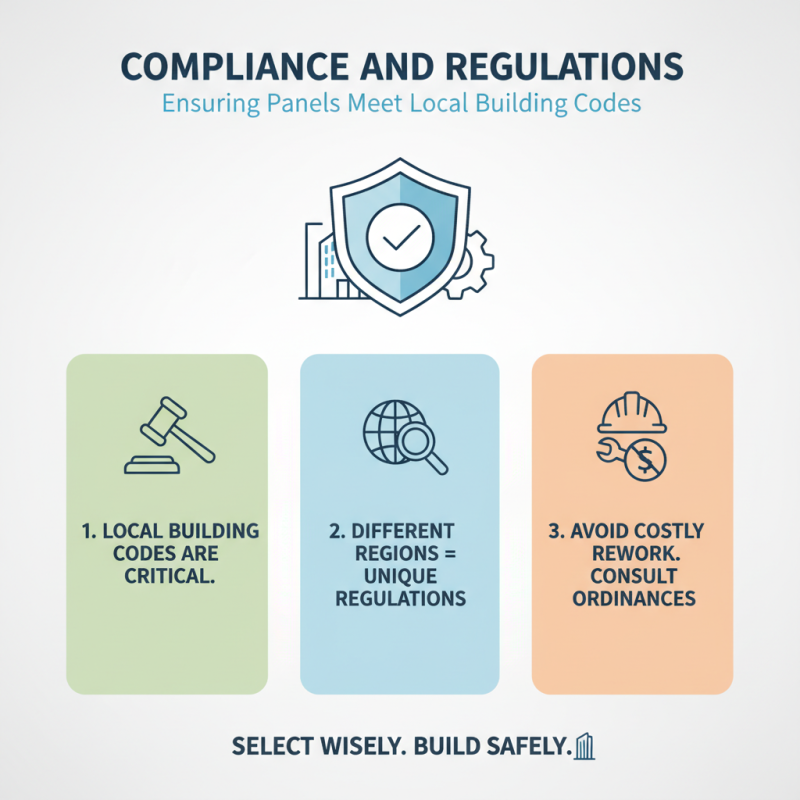
Compliance and Regulations: Ensuring Panels Meet Local Building Codes

Top 5 Tips for Choosing Prefabricated Metal Building Panels?

When selecting prefabricated metal building panels, compliance with local building codes is critical. Different regions have unique regulations, ensuring safety and structural integrity. Ignoring these can lead to costly rework. It is essential to consult local ordinances before making any decisions.

One key tip is to verify that the insulation materials in Insulated Metal Roof Panels meet code requirements. These panels should provide energy efficiency while ensuring fire safety. Selecting panels with proper ratings can prevent future issues. Collaborating with local inspectors early in the process may help identify potential obstacles.

Another factor is the panel manufacturer’s reputation. Not all companies maintain the same standards. Researching industry reviews can provide insight into their history. This minimizes the risk of receiving subpar products. While it may take extra time, it leads to a stronger, code-compliant building.

Selecting the Right Manufacturer: Quality Assurance and Industry Certifications

Selecting the right manufacturer for prefabricated metal building panels is crucial. Quality assurance plays a central role in this decision. Many manufacturers claim to provide top-notch products, but not all can back it up. According to the Metal Building Manufacturers Association (MBMA), certified companies are 40% more likely to deliver products that meet or exceed industry standards.

Look for manufacturers with relevant industry certifications. These certifications indicate a commitment to rigorous testing and quality control. For example, ISO 9001 certification ensures consistent quality management. When investing in Insulated Metal Panels, understanding these certifications can guide a buyer toward reliable options. Studies reveal that buildings using insulated panels can reduce energy costs by up to 50%. It’s evident that quality choices directly impact long-term savings.

The production process of insulated metal panels should also be scrutinized. A lack of transparency can raise concerns. Engaging a manufacturer that openly shares production methods can build trust. However, many buyers overlook this aspect. The result can lead to unexpected issues down the line. Investing time in researching and ensuring quality standards will pay off in a more reliable and efficient building structure.

Top 5 Tips for Choosing Prefabricated Metal Building Panels

Exploring the Benefits and Applications of SR1000 Structural Metal Composite Panels in Modern Construction

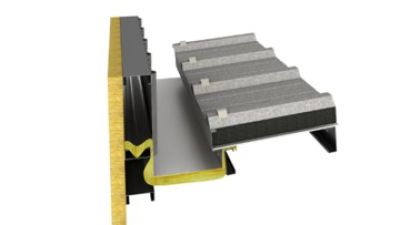
The SR1000 Structural Metal Composite Panels represent a significant advancement in modern construction, offering a versatile solution that enhances durability and performance in roofing applications. These panels are engineered by bonding outer steel sheets to insulation core materials such as rock wool or glass wool, providing exceptional thermal insulation and waterproofing benefits. According to the American Society of Civil Engineers (ASCE), high-performance roofing systems can reduce energy consumption by up to 30%, highlighting the importance of efficient insulation in minimizing environmental impact and operational costs.

The design features of the SR1000 panels contribute notably to their effectiveness. The tall ridge profile not only increases load-bearing capacity but also facilitates optimal water drainage, mitigating the risk of water pooling and subsequent structural damage. Industry reports suggest that effective water management in roofing can extend service life significantly, with well-designed systems experiencing a lifespan increase of over 25% compared to conventional roofing strategies. Additionally, the unique joint design—with overlapping and folding elements—ensures tighter connections, reducing the potential for edge rusting and enhancing overall durability.

In terms of installation, the SR1000 panels are designed for efficiency. The straightforward joint system simplifies the installation process, allowing for quicker assembly without compromising quality. Efficient installation is crucial in contemporary construction, where time and labor costs are critical factors. Studies indicate that streamlined installation processes can reduce construction timelines by up to 20%, emphasizing the need for innovative products like the SR1000 in modern construction practices. As the construction industry continues to evolve, the shift towards high-performance materials like the SR1000 panels reflects a broader commitment to sustainability and efficiency.

FAQS

: What thickness is recommended for metal building panels?

: A minimum thickness of 26 gauge is recommended for durability and insulation.

How much wind can metal panels withstand?

Metal panels can withstand wind loads up to 140 mph if installed properly.

Why is weather protection important for metal panels?

Protective coatings can reduce deterioration significantly, improving longevity.

What type of coatings are beneficial for panels?

Coatings like Galvalume or painted finishes provide essential weather protection.

How does zinc content affect panel durability?

Panels with high zinc content show significant resistance to corrosion and rust.

Is regular maintenance necessary for metal panels?

Yes, regular inspections for dents and signs of wear are crucial for longevity.

What should I consider when budgeting for metal panels?

Include both the purchase price and installation costs in your budget.

What are some hidden costs during installation?

Tool rentals and shipping fees can significantly increase your overall budget.

How can past projects aid in budgeting?

Reflecting on previous experiences helps create a more accurate financial plan.

What can happen if maintenance is neglected?

Failure to address minor issues can lead to premature panel failure.

Conclusion

When choosing prefabricated metal building panels, it’s essential to understand their advantages, including durability and cost-effectiveness. A thorough comparison of materials like steel and aluminum highlights their distinct properties, helping buyers select the right type for their needs. Key factors such as weather resistance and longevity should be considered alongside insulation options that enhance energy efficiency, ensuring optimal performance.

Cost analysis plays a pivotal role in budgeting for both the panels and their installation, while compliance with local building codes is crucial for a successful project. Finally, selecting a reputable manufacturer guarantees quality assurance and adherence to industry certifications, ensuring that the prefabricated metal building panels meet all necessary standards. This comprehensive approach provides a solid foundation for making an informed and effective choice.
Isabella

Isabella

Isabella is a dedicated professional marketing specialist with a profound expertise in the realm of temporary construction solutions. With a strong focus on standardization, modularization, and generalization, she plays a pivotal role in promoting the company's comprehensive service platform that......
Previous Why Choose a CE Certification China Foldable Container House Company?