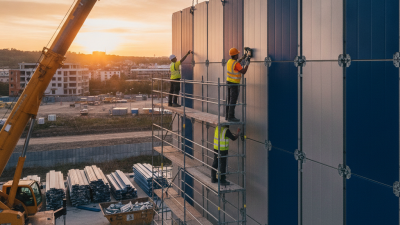
You know, in the world of construction these days, Prefabricated Metal Building Panels are really shaking things up. I remember chatting with John Smith from Steel Structures Inc., and he said something like, "These panels mix efficiency with strength, totally changing the way we build." That really hits the nail on the head—they're an essential part of modern construction.
Using these panels has a bunch of perks, honestly. They speed up the whole assembly process and mean you don’t need as many labor hours. Plus, they’re pretty tough; they stand up to tough weather conditions, which helps cut down on maintenance costs over time. But, heads up—choosing the right panels isn’t always a breeze. They don’t fit every project perfectly, so you gotta think carefully about what your building needs and where it’s supposed to go.
When you start looking at the top products out there, it’s important to remember that not all panels are created equal. Every type has its own good points and some downsides. Getting a good sense of these differences helps you pick the best one for your specific project. And honestly, diving into Prefabricated Building Materials is all about weighing your options and asking for expert advice. Making the right choice really makes all the difference in pulling off a successful build.
Understanding Prefabricated Metal Building Panels
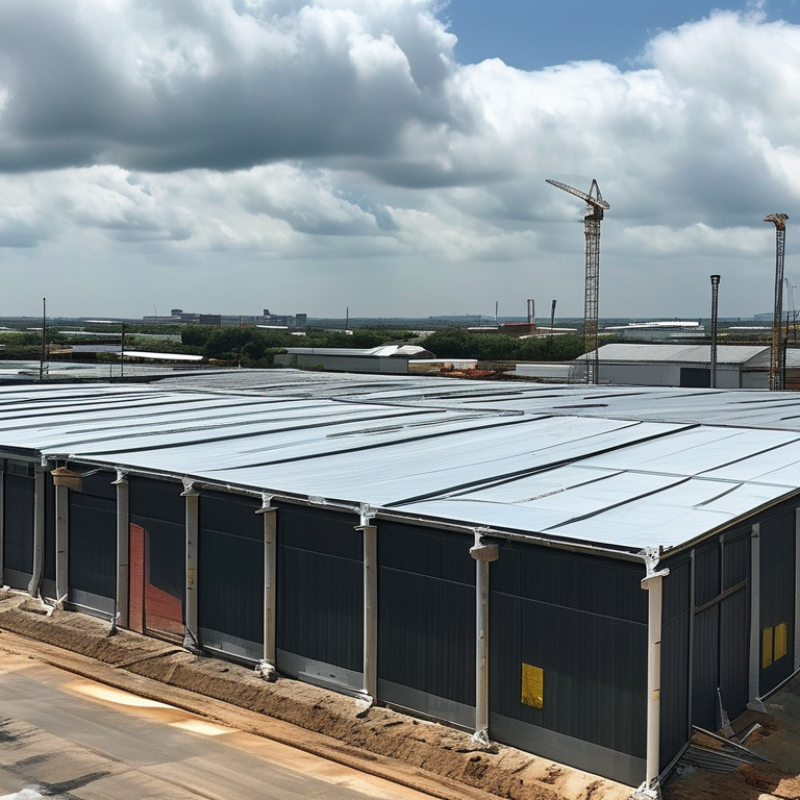
Prefabricated metal building panels are revolutionizing the construction industry. They are built off-site and then assembled at the job location. This method can decrease construction time by up to 50%, according to industry studies. These panels are made from galvanized steel, aluminum, or a combination of metals, offering durability and strength. Research indicates that metal structures can last over 50 years with proper maintenance, making them a long-term investment.
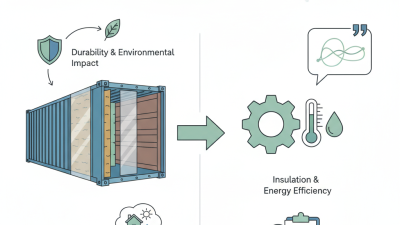
One significant advantage of these panels is their energy efficiency. They often come with insulation options that can reduce heating and cooling costs by up to 30%. It's essential to understand the varying thicknesses and coatings available, as these factors affect both thermal performance and longevity. According to reports from building experts, having at least R-13 insulation is ideal for various climates. Some may overlook the importance of moisture barriers, which prevent corrosion over time.
While prefabricated metal panels offer many benefits, challenges do exist. Variations in weather or supply chain issues can affect delivery times. Also, customization options might lead to higher costs than standard ones. Contractors must be aware of these factors, ensuring comprehensive planning and budgeting. Without careful consideration, projects can face significant delays or unexpected expenses. Understanding these nuances is crucial for effective project management in the metal building sector.
Types of Prefabricated Metal Building Panels
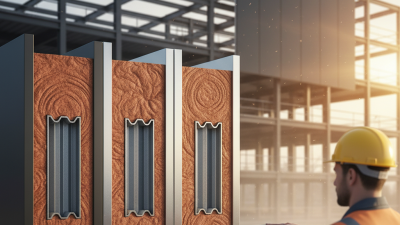
Prefabricated metal building panels are essential in construction. Their lightweight nature and durability make them a popular choice. Several types of panels cater to different needs. Common types include insulated panels, which provide excellent thermal resistance. Another type is structural metal panels, known for their strength and ease of installation. These panels are versatile and can be used for walls, roofs, or partitions.
A study by the Metal Building Manufacturers Association noted that the use of insulated metal panels can improve energy efficiency by up to 30%. This statistic highlights their growing importance in sustainable building design. Additionally, metal panels resist fire, mold, and pests better than traditional materials. This can lead to lower maintenance costs over time.
When selecting panels, consider the climate and specific project requirements. For instance, regions with extreme weather may need thicker panels. Always consult with professionals to ensure the right choice for your building. A well-informed decision can enhance the longevity and performance of your structure. Proper installation is also crucial, as improper handling can lead to issues like thermal bridging or water intrusion.
Benefits of Using Prefabricated Metal Building Panels
Prefabricated metal building panels offer numerous advantages for construction projects. One key benefit is their efficiency. These panels are crafted off-site, reducing the time needed for assembly on location. This can result in faster project completion. Additionally, the prefabricated nature means that quality can be controlled tightly. Each panel is made with precision, ensuring a high level of uniformity and durability.
Another notable benefit is versatility. Metal building panels can be used for various types of structures, from warehouses to schools. Their lightweight yet strong properties allow for innovative designs that might be challenging with traditional materials. Sustainability is also a consideration. Many prefabricated panels are recyclable, which helps reduce environmental impact.
Challenges do exist. Not all projects may find the perfect fit with prefab solutions. Some complex designs might require custom fabrication. It's important to evaluate specific needs before deciding. However, for many applications, prefabricated metal building panels prove to be an effective and reliable choice. The combination of speed, quality, and adaptability makes them worth considering.
Key Features to Look for in Metal Building Panels
When selecting prefabricated metal building panels, specific features matter. Material quality is crucial. Look for panels made from high-strength steel. This offers durability against harsh weather. Thickness also impacts insulation and strength. Thicker panels can withstand impacts better.
Another vital feature is energy efficiency. Insulation properties of metal panels should be assessed. Good insulation reduces energy costs. It also enhances comfort within the building. Pay attention to the panel’s R-value, which measures thermal resistance. Higher R-values represent better insulation performance.
Installation ease is often overlooked. Efficient designs simplify assembly and reduce labor costs. Some panels come with pre-drilled holes. This feature speeds up the installation process. Finally, consider the aesthetics. Some owners desire a specific look. Choose panels that meet your design needs. A balance between function and appearance will ensure satisfaction. Remember, Metal Building Frames should not only be sturdy but also visually appealing.
Top 10 Prefabricated Metal Building Panels
Top 10 Prefabricated Metal Building Panels Explained
Prefabricated metal building panels are gaining popularity for their durability and efficiency. They come in various styles and materials, each offering unique advantages. One such panel type is the
Insulated Metal Roof Panels.
These panels provide excellent thermal performance. They reduce energy consumption, making buildings more efficient. However, understanding their differences is key for effective use.
Choosing the right panel can be overwhelming. Not all insulated panels are created equal. Some panels may have less insulation than expected, leading to energy losses. This could result in higher operational costs. In any project, it’s vital to consider the climate and specific needs of the building. Be cautious about misjudging the insulation properties.
Beyond insulation, panels differ in aesthetics and performance under various conditions. Some may resist corrosion better in humid environments. Others might excel in extreme temperature fluctuations. It’s important to balance these factors with budget constraints. Reflecting on these choices helps ensure long-term satisfaction with the building's performance. Make informed decisions to optimize energy efficiency and longevity.
Installation and Maintenance Considerations for Metal Panels
Installation of Insulated Metal Panels requires careful planning. Proper alignment is crucial to ensure a tight seal. This minimizes thermal bridging and enhances energy efficiency. Securing panels with the right fasteners is essential. Using incorrect hardware can compromise structural integrity.
Maintenance is another important consideration. Regular inspections help identify potential issues early. Look for cracks or signs of wear. Addressing these concerns promptly prevents more significant problems down the line. Keep the panels clean by removing dirt and debris. This simple step can prolong the life of the materials.
It’s also worth noting that installation mistakes happen. Some may overlook the importance of proper sealing. This can lead to leaks and thermal loss. Learning from these oversights can improve future projects. Always refer to installation guidelines for the best practices and recommendations.
Cost Comparison of Prefabricated Metal Panels vs. Traditional Materials
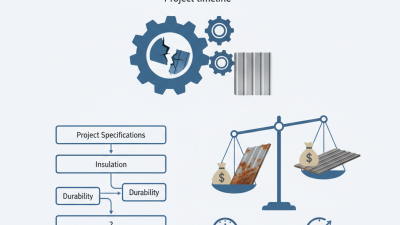
When considering construction materials, prefabricated metal panels offer a cost-effective alternative to traditional options. These panels are typically made from high-quality steel, making them durable and weather-resistant. One of the primary advantages is their lower installation costs due to quicker assembly times. Project timelines can also shrink, leading to further savings. However, the upfront investment may still be considerable when compared to materials like wood or concrete.
Cost comparisons reveal that prefabricated metal panels can be more economical in the long run. Traditional materials often require ongoing maintenance and repairs, which can add to overall expenses. Metal panels, on the other hand, are less prone to issues like rot or pest damage. Yet, it is essential to consider potential transportation fees, as prefabricated options may incur additional charges based on distance.
It’s important to evaluate not just the costs but also the long-term benefits of each material type. If you’re on a tight budget, metal panels may seem appealing at first glance. However, evaluate the entire lifecycle and potential return on investment. Proper research and analysis are crucial. Inspections and comparisons can reveal hidden costs, ensuring full transparency in your decision-making process.
Innovative K Type Prefabricated Houses: Blending Flexibility in Construction with Long-lasting Strength
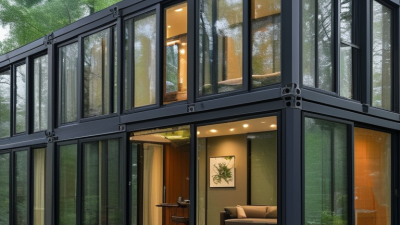
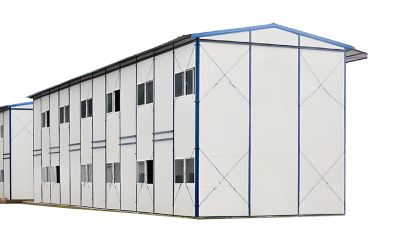
Innovative K Type Prefabricated Houses are revolutionizing construction with their remarkable blend of flexibility and enduring strength. As prefabricated structures gain momentum in the building industry, they offer significant advantages over traditional construction methods. According to a report by Grand View Research, the global prefabricated building market is expected to reach USD 157.19 billion by 2026, fueled by the rising demand for efficient and cost-effective housing solutions. This growth is particularly seen in urban areas where space is at a premium, and the speed of construction is a critical factor.
One of the standout features of K Type Prefabricated Houses is their adaptability, allowing for custom designs that meet various needs and preferences. These homes can be efficiently constructed off-site and delivered to the desired location within just 20-25 days, minimizing the impact on the environment and reducing materials waste. Furthermore, the construction employs high-quality materials that ensure structural integrity and longevity, making these houses not only practical and economic but also robust enough to withstand adverse weather conditions.
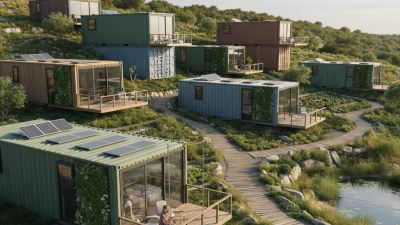
With a minimum order quantity of 100 square meters, these prefabricated houses are suitable for various applications, including residential neighborhoods, commercial spaces, and temporary housing in disaster-stricken areas. This innovative approach to building not only supports sustainable developments but also promotes a more streamlined construction process that aligns with the evolving needs of modern society. By utilizing flexible designs and maximizing resource efficiency, K Type Prefabricated Houses stand at the forefront of the future of construction.
FAQS
: They are durable and efficient construction materials. They come in various styles with unique advantages.
Insulation affects energy efficiency. Panels with poor insulation may lead to higher operational costs.
Some panels resist corrosion in humidity. Others perform better in extreme temperature changes.
Proper alignment and the right fasteners are crucial. Mistakes can compromise structural integrity.
Regular inspections are vital. Look for cracks and keep panels clean for longevity.
Metal panels often have lower installation costs and require less maintenance over time.
Yes, transportation fees may apply. Consider these in your overall budget planning.
Yes, improper sealing can lead to leaks and energy loss. Learning from mistakes is essential.
No, take your time to evaluate lifecycle costs. Thorough research can reveal long-term savings.
Don’t overlook sealing issues. Always refer to the installation guidelines for best practices.
Conclusion
Prefabricated Metal Building Panels offer a versatile and efficient solution for modern construction needs. This article explores the fundamentals of these panels, including their various types and key benefits such as durability, cost-effectiveness, and ease of installation. Homeowners and builders should consider essential features such as insulation properties and fire resistance when selecting the appropriate panels for their projects.
The article also provides a detailed analysis of the top 10 prefabricated metal building panels available in the market, highlighting their unique advantages. Additionally, it addresses installation and maintenance considerations to ensure long-term performance. A cost comparison between prefabricated metal panels and traditional materials emphasizes the economic advantages of opting for metal solutions in construction. Overall, understanding prefabricated metal building panels equips stakeholders with the knowledge to make informed decisions in their construction projects.