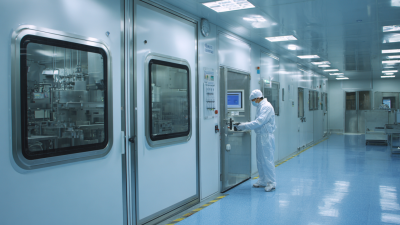
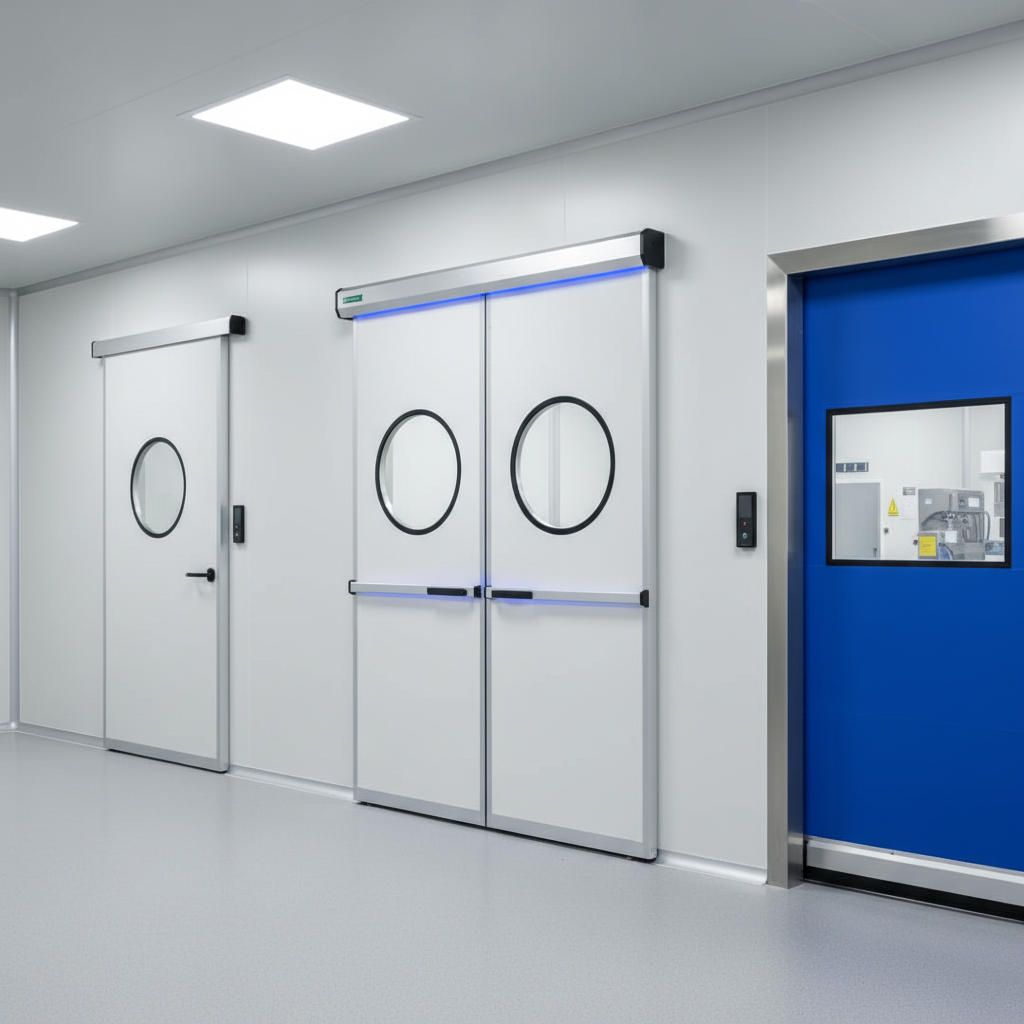
When it comes to keeping contamination really in check, choosing the right cleanroom doors is a big deal for a bunch of industries—think pharmaceuticals, biotech, and semiconductor manufacturing. I read somewhere that, according to Research and Markets, the global cleanroom tech market could hit around $5.5 billion by 2025. That’s mostly because companies are looking for better ways to stay super clean and keep contaminants out during production. And, honestly, cleanroom doors play a crucial part here—they not only stop particles and microbes from sneaking in but also help things run smoothly and efficiently.
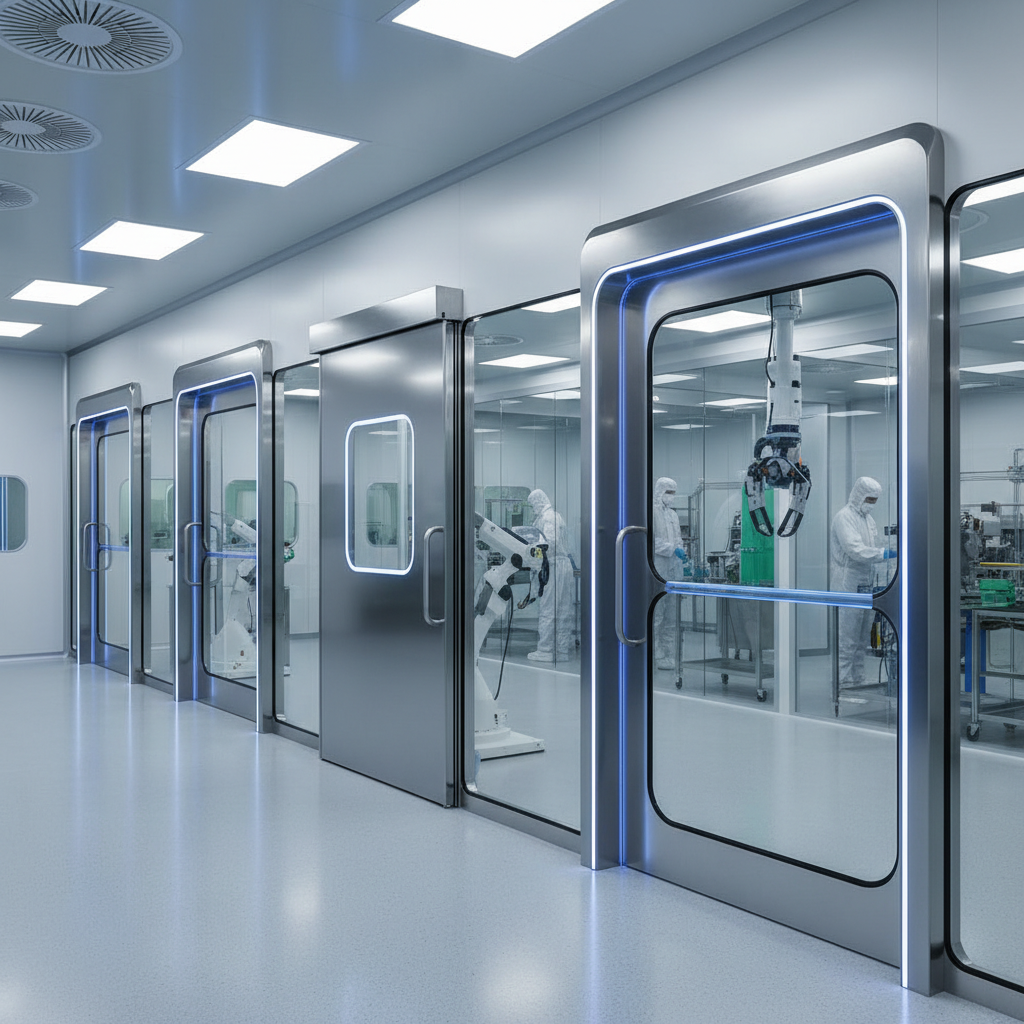
There have been some pretty cool innovations lately in how these doors are designed. There are different types now, each one made to meet specific industry standards and needs. For example, ISO standards (like ISO 14644) are pretty strict about classifying cleanrooms based on airborne particles. So, the material, design, and sealing mechanisms of the doors have to work together to cut down on contamination risks. Thanks to tech advancements, manufacturers now offer specialized cleanroom doors that aren’t just durable but also packed with high-tech seals, which boosts hygiene and saves energy at the same time.
So, to wrap things up, let’s check out the top 10 cleanroom doors for 2025, highlighting what makes each one special and how they help keep contamination at bay.
Top 10 Cleanroom Door Innovations for Enhanced Contamination Prevention
In the evolving landscape of cleanroom environments, innovations in door technology play a crucial role in enhancing contamination prevention. The latest advancements focus on seamless integration within cleanroom protocols, ensuring that doors minimize particulate ingress when opening and closing.
Features such as automatic sliding mechanisms and anti-static materials significantly reduce the risk of contamination, allowing for efficient traffic flow without compromising the meticulous standards of cleanroom operations.
Moreover, modern cleanroom doors are designed with advanced sealing systems and pressure differentials that help maintain optimal air quality and cleanliness levels. These innovations not only facilitate better control over the cleanroom environment but also support compliance with rigorous industry standards.
From high-speed roll-up doors to more sophisticated hermetically sealed options, each design enhances operational efficiency while prioritizing contamination control, making them integral to the overall functionality of cleanroom facilities.
Best Practices for Selecting the Right Cleanroom Doors for Your Facility
When selecting the right cleanroom doors for your facility, it is crucial to prioritize contamination control and operational efficiency. Cleanroom doors are the primary barriers against particulate and microbial contamination, which can have significant impacts on product quality, especially in industries like pharmaceuticals, biotechnology, and electronics. According to industry reports, nearly 70% of contamination incidents can be traced back to inappropriate door choices, emphasizing the importance of careful selection.
**Tips:** Ensure that the cleanroom doors you choose are compatible with your cleanliness standards, such as ISO 14644-1 classifications. For optimal performance, consider doors that offer airtight seals and low permeability to prevent contaminants from infiltrating the cleanroom environment. Additionally, materials that are resistant to harsh cleaning chemicals and conducive to regular sanitation protocols are essential in maintaining the integrity of your cleanroom.
Furthermore, the functionality and accessibility of the doors should not be overlooked. Incorporating automatic doors can enhance workflow efficiency by minimizing human contact and reducing the risk of contamination. Studies suggest that automated entry systems can improve operational efficiency by up to 25%, making them a valuable investment for facilities aiming to uphold the highest standards in contamination control.
Key Features to Look for in Efficient Cleanroom Door Designs
When considering cleanroom environments, selecting the right door design is crucial for maintaining stringent contamination control and operational efficiency. One of the key features to look for is the door's material composition. High-performance cleanroom doors are often constructed from non-porous materials such as stainless steel or specialized polymers, which significantly reduce particle accumulation and are easier to sanitize. According to a report by the Institute of Environmental Sciences and Technology, up to 90% of airborne contaminants can be traced to poorly sealed entry points, underscoring the importance of effective door sealing mechanisms.
Another pivotal aspect is the door automation technology. Automated sliding doors not only enhance the flow of people and material but also minimize the risk of cross-contamination by reducing the need for manual operation. A study from the Cleanroom Certification Board reveals that facilities with automated doors report nearly 30% fewer contamination incidents compared to those with manual doors. Additionally, smart technology integration allows for real-time monitoring of door usage and environmental conditions, leading to better compliance with cleanroom standards. These features collectively contribute to optimizing both contamination control and operational efficiency, making them essential considerations when selecting cleanroom doors.
Comparative Analysis of Top Cleanroom Door Materials for Optimal Performance
When selecting cleanroom doors, understanding the materials used is crucial for optimal performance and contamination control. According to the International Society for Pharmaceutical Engineering (ISPE), the cleanroom environment requires a balance between accessibility and contamination prevention, making the choice of door materials vital. Data from a report by the Cleanroom Technology Association highlights that stainless steel doors provide superior durability and resistance to microbial contamination compared to traditional wooden options. Furthermore, high-density polyethylene (HDPE) is gaining popularity due to its lightweight nature and ease of cleaning, which can enhance operational efficiency while maintaining compliance with stringent cleanliness standards.
Tip: Consider doors with adjustable sealing mechanisms to maintain airtight environments, reducing airflow and potential contamination between zones. Additionally, incorporate sensors to monitor door use and accessibility, which can further streamline processes and preserve cleanroom integrity.
Another critical factor in cleanroom door selection is the type of finishing used. A study from the National Institute of Standards and Technology (NIST) indicates that smooth, non-porous finishes not only resist staining but also minimize dust buildup, making them ideal for sensitive operations. Selecting the right finish can significantly reduce maintenance time and costs, ensuring that cleanroom operations run smoothly.
Tip: Regularly inspect door seals and gaskets for wear, as maintaining these components is essential for ensuring efficient cleanroom environments and preventing contamination ingress.
Leading Brands in Cleanroom Door Manufacturing and Their Unique Offerings
Cleanroom doors play a critical role in maintaining contamination control and optimizing operational efficiency, especially in industries such as pharmaceuticals, microelectronics, and biotechnology. According to the Cleanroom Products Market report by Research and Markets, the global cleanroom door market is projected to reach $1.5 billion by 2025, driven by the increasing need for contamination-free environments. Leading brands have developed innovative door solutions, including automatic sliding doors and high-speed roll-up doors, tailored to meet the stringent requirements of cleanroom environments.
Among the key players in this sector, Guangdong Vicdowex Modular Housing Technology Co., Ltd. has distinguished itself through a commitment to "standardization, modularization, and generalization." Their fully integrated temporary construction solutions offer a unique advantage in cleanroom design. With an emphasis on research and development, Vicdowex provides doors that not only enhance airlock efficiency but also comply with strict industry standards, thus catering to diverse needs across sectors. The company’s expertise in production and leasing makes it a leader in the market, ensuring clients have access to cutting-edge cleanroom solutions.
2025 Top 10 Cleanroom Doors for Optimal Contamination Control and Efficiency
| Door Type |
Material |
Contamination Control Features |
Energy Efficiency Rating |
Unique Offerings |
| Sliding Cleanroom Door |
Aluminum |
Seamless design, antimicrobial surfaces |
A+ |
Custom sizes available |
| Hinged Cleanroom Door |
Stainless Steel |
Positive pressure sealing |
A |
Heavy-duty construction |
| Bi-Folding Cleanroom Door |
PVC |
Easy to clean, low air leakage |
A+ |
Fast opening speed |
| Roll-Up Cleanroom Door |
Fabric |
Wind resistant, dustproof |
B |
Automatic closing feature |
| Cleanroom Monorail Door |
Polycarbonate |
Minimal gaps for airflow |
A |
Space-saving design |
| Sliding Glass Cleanroom Door |
Tempered Glass |
Visibility and isolation |
A+ |
Customizable framing options |
| Fire-Rated Cleanroom Door |
Steel |
Heat and smoke resistance |
B+ |
Fire department approved |
| Acoustic Cleanroom Door |
Composite |
Sound insulation properties |
A |
Specialized for quiet environments |
| Revolving Cleanroom Door |
Aluminum & Glass |
Reduced air exchange |
A+ |
High-security access |
| Access Control Cleanroom Door |
Steel |
Secure locking systems |
B+ |
Integration with security protocols |
Future Trends in Cleanroom Door Technology for Improved Operational Efficiency
The future of cleanroom door technology is poised for significant advancements that promise enhanced operational efficiency and stricter contamination control. According to a recent report by MarketsandMarkets, the global cleanroom technology market is projected to reach $5.2 billion by 2025, growing at a CAGR of 6.5%. This growth is driven by the increasing demand for high-standard manufacturing environments, especially in industries like pharmaceuticals and biotechnology. Innovative door systems are being designed to meet the stringent requirements of cleanroom environments, incorporating features such as self-closing mechanisms and advanced sealing materials that minimize airflow and reduce particle ingress.
Emerging trends in cleanroom door technology include the integration of automation and IoT capabilities for real-time monitoring and management. A study by Research and Markets indicates that smart cleanroom solutions will account for over 30% of the market share by 2025. These automated systems not only enhance operational efficiency by streamlining access but also provide data analytics for better compliance with environmental standards. Moreover, as sustainability becomes a priority within the industry, manufacturers are increasingly focusing on eco-friendly materials and energy-efficient designs, enabling facilities to maintain cleanroom standards while reducing their carbon footprint.
The Essential Guide to Choosing Aluminum Honeycomb Cleanroom Panels for Optimal Performance
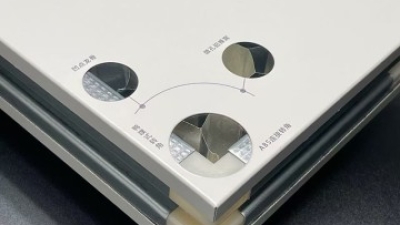
When selecting aluminum honeycomb cleanroom panels, it's essential to focus on their performance characteristics to ensure optimal functionality in controlled environments. These panels are renowned for their lightweight nature and exceptional strength, making them ideal for walls and ceilings in cleanroom applications. Available in various thicknesses of 50mm, 75mm, and 100mm, they also feature impressive surface flatness, which is crucial for maintaining air cleanliness standards.
In terms of acoustic performance, aluminum honeycomb panels provide sound insulation rated at 18dB, helping to create a conducive working environment. The panels come in widths ranging from 100mm to 1180mm, and their maximum lengths are 4000mm for wall panels and 3000mm for suspended ceilings. With built-in features like pre-buried conduits and prefabricated hollow keels, these panels facilitate the integration of essential utilities without compromising the cleanroom's integrity. Additionally, their B1 fire rating ensures safety, while thermal conductivity rates between 0.09 and 0.05 W/m.K enhance energy efficiency.
Choosing the right panel type, such as tongue and groove or concave and convex profiles, further optimizes the performance and aesthetic appeal of cleanroom environments. The bending load capacity of 1.0KN/m² adds to their durability, making aluminum honeycomb panels a superior choice for any cleanroom design.
FAQS
: Modern cleanroom doors are designed to minimize particulate ingress when opening and closing, featuring automatic sliding mechanisms and anti-static materials to reduce contamination risk and facilitate efficient traffic flow.
Advanced sealing systems and pressure differentials in cleanroom doors help maintain optimal air quality and cleanliness levels, supporting compliance with rigorous industry standards.
Stainless steel doors offer superior durability and resistance to microbial contamination, while high-density polyethylene (HDPE) is lightweight and easy to clean, enhancing operational efficiency while maintaining cleanliness standards.
Smooth, non-porous finishes minimize dust buildup and staining, making them ideal for sensitive operations and significantly reducing maintenance time and costs.
Features such as self-closing mechanisms and advanced sealing materials minimize airflow and reduce particle ingress, enhancing operational efficiency and contamination control.
Automation and IoT capabilities are being integrated into cleanroom door systems for real-time monitoring and management, enhancing operational efficiency and compliance with environmental standards.
Emerging trends include increased automation, eco-friendly materials, energy-efficient designs, and smart cleanroom solutions accounting for over 30% of market share by 2025.
Regular inspection of door seals and gaskets for wear is essential for ensuring efficient cleanroom environments and preventing contamination ingress.
The global cleanroom technology market is expected to reach $5.2 billion by 2025, growing at a CAGR of 6.5% due to the rising demand for high-standard manufacturing environments.
Incorporating sensors to monitor door use and accessibility can streamline processes and help preserve cleanroom integrity by ensuring proper usage.
Conclusion
The article "2025 Top 10 Cleanroom Doors for Optimal Contamination Control and Efficiency" highlights innovative advancements in cleanroom door technology tailored for enhanced contamination prevention. It discusses the top 10 cleanroom door innovations that improve contamination control, emphasizing best practices for selecting the right doors for various facilities. Key features such as material durability and design efficiency are examined, providing insights into optimal performance. Furthermore, the article includes a comparative analysis of cleanroom door materials and showcases leading brands in manufacturing that offer unique solutions to meet industry demands.
In line with this, Guangdong Vicdowex Modular Housing Technology Co., Ltd. aligns its core principles of standardization, modularization, and generalization to offer comprehensive temporary construction solutions, including high-quality cleanroom doors that ensure effective contamination control and operational efficiency. As the industry moves forward, future trends in cleanroom door technology will play a crucial role in shaping the standards of cleanliness and efficiency in various facilities.