Picking the right Insulated Roofing supplier isn’t just about comparing prices — it’s a lot more complicated than that. As a global buyer, you really need to think about things like thermal performance, moisture control, fire resistance, how quickly they can deliver, and the level of technical support they offer. These factors become especially crucial when the roof has to handle snow, coastal humidity, bright sunlight, or rapid temperature swings.
In this guide, we've looked at ten well-known suppliers like Kingspan, ROCKWOOL, ArcelorMittal Construction, Metecno, Tata BlueScope Steel, Ruukki Construction, Isopan, Paroc, Norbec, and Green Span Profiles. Their products vary quite a bit — from core materials and panel profiles to coatings, certifications, and where they’re available geographically. Before you go ahead and sign a contract, it’s smart to check test reports, warranty details, installation instructions, and procedures for replacing parts. Sometimes, a price that looks super low can hide higher shipping costs or tricky installation on site.
Dr. Joseph Lstiburek, a well-respected expert in building science, keeps it simple: “Buildings are systems.” This idea applies directly to Insulated Roofing. Sure, a panel might perform great in a lab setting, but that doesn’t mean it’ll do well in real-world conditions — especially if joints, fasteners, ventilation, or drainage aren’t properly designed. Little details really matter. Condensation can even start behind a panel that seems perfect at first glance. The truth is, no ranking or list can guarantee there won’t be surprises. Plus, requirements can change depending on your country, project type, or climate zone. So, think of this list as a helpful starting point — not the final say. It combines experience, product info, technical credibility, and what buyers around the world are considering. That said, some comparisons aren’t perfect, and that’s totally normal to acknowledge. Always make sure to involve local engineers to double-check everything — it’s always worth it.
What Insulated Roofing Systems Are and Why They Matter
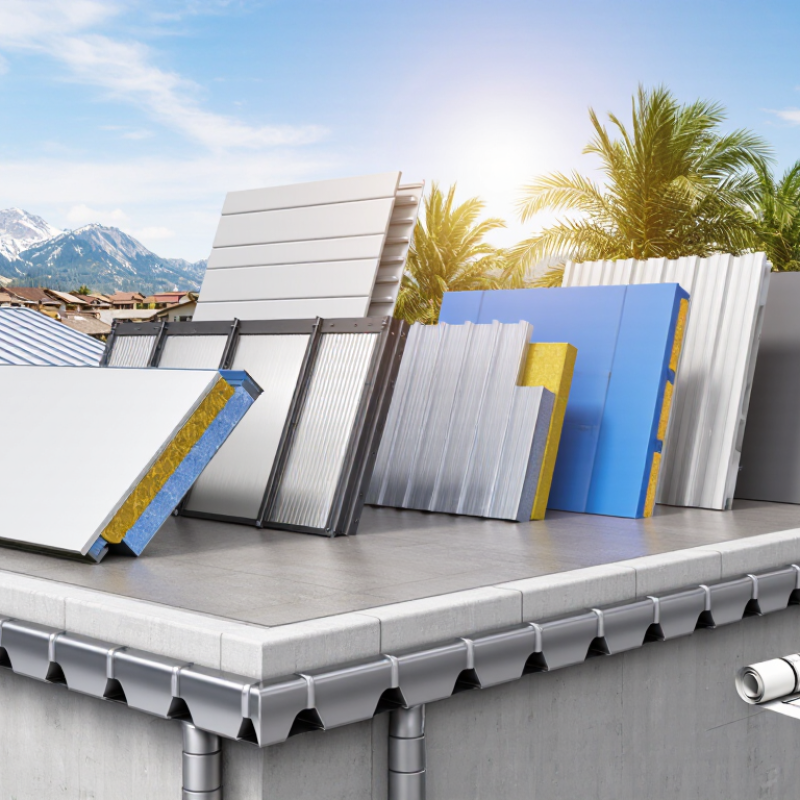
Insulated roofing systems combine outer metal sheets, a thermal core, and an inner liner. Unlike single-layer roofs, they slow heat transfer through the building envelope. Common cores include mineral wool, PIR, and EPS, each with different fire, moisture, and thermal behavior. The right choice depends on climate, occupancy, local codes, and roof geometry. A cold storage facility needs tighter joints than a warehouse in a mild coastal region. Small gaps matter.
For global buyers, performance begins before procurement. Review tested thermal values, fire classifications, wind resistance, corrosion protection, and documented tolerances. Ask suppliers how panels are packaged, stored, and inspected after shipping. During Sheet Metal Roofing Installation, installers should align supports, protect cut edges, and seal penetrations carefully. A poorly sealed fastener can admit water and undermine an efficient system. I have seen excellent drawings fail because site handling created dents and open laps. Specifications cannot replace supervision. This is where some projects fail.
Insulation also affects worker comfort, energy demand, condensation control, and equipment life. Yet thicker panels are not automatically better. They may increase weight, cost, and detailing challenges around doors, gutters, and skylights. Humid climates require vapor-control decisions, not just higher R-values. Buyers should compare complete assemblies rather than isolated panel prices. Certification records, installation guidance, warranty terms, and local technical support provide useful evidence. Still, documents can be outdated or incomplete. Independent review remains worthwhile before large-volume orders.
How to Evaluate Insulated Roofing Suppliers Worldwide
Top 10 Insulated Roofing Suppliers for Global Buyers
How to Evaluate Insulated Roofing Suppliers Worldwide
Choosing an insulated roofing supplier requires more than comparing prices. Begin with documented thermal performance, panel thickness, core density, and moisture resistance. Ask for recent laboratory reports, product samples, and clearly stated test methods. A low U-value can look impressive, but poor installation may reduce real performance.
Check whether the supplier understands your project’s climate and construction conditions. Cold regions need strong thermal continuity, while humid areas require careful vapor control. Review fire-performance documents, structural load data, coating durability, and drainage details. Reliable suppliers explain limitations instead of promising perfect results. That matters.
Production capacity is also important. Request factory photos, quality-control procedures, and batch inspection records. Confirm how the supplier protects panels during loading and long-distance transport. Damaged edges can create leaks months later. Ask about replacement procedures, spare materials, technical drawings, and installation guidance.
Speak with previous commercial buyers when possible. Their feedback may reveal delayed shipments, unclear documentation, or weak after-sales support. Communication speed is useful, but technical accuracy matters more. Verify warranty terms, exclusions, and regional compliance requirements with qualified professionals. This step is sometimes skipped, regrettably. A polished website cannot replace traceable evidence, practical support, and consistent product quality.
Top 10 Insulated Roofing Suppliers for Global Buyers: How to Evaluate Suppliers Worldwide
Typical thermal conductivity values help global buyers compare insulation-core performance. Lower values indicate better thermal insulation, while final selection should also consider fire rating, moisture resistance, structural performance, certifications, and local building codes.
Reference values are typical ranges used for common insulation materials in roofing systems. Actual performance varies by product density, thickness, temperature, moisture content, and testing standard.
Top 10 Insulated Roofing Suppliers for Global Buyers
For global buyers, comparing the top ten insulated roofing suppliers requires more than checking catalog prices. Experienced procurement teams inspect core density, thermal conductivity, fire classification, panel thickness, and joint design. A roof panel that looks strong may still lose performance when seams are poorly fitted. Ask for current test reports, production tolerances, coating details, and samples cut from normal production, not showroom stock.
Reliable suppliers explain standards clearly and match documents to the destination market. They should provide loading plans, moisture protection, installation manuals, and traceable batch records.
Confirm whether quoted insulation values apply to the whole assembly or only the core. This small distinction can change energy calculations. Factory capacity also matters; a low price means little if delivery dates move during peak construction season.
Video audits help, but in-person inspections remain more convincing when feasible. The strongest candidates usually have practical project evidence across different climates. Look for roofs installed in humid ports, cold warehouses, and high-sun industrial zones.
Ask how failures were handled, not only how successes were presented. Some suppliers will admit a past condensation problem and explain the corrective design. That honesty is valuable. Still, buyers should independently verify certificates and local compliance.
I would also test one complete roof detail before approving a large order. It costs time, but replacing wet insulation later costs far more. Specification sheets can be polished. Jobsite performance is less forgiving.
Regional Coverage, Certifications, and Export Capabilities
For global buyers, the top 10 insulated roofing suppliers should be assessed beyond price. Regional coverage matters when projects require fast samples, local engineering, or replacement parts. Suppliers with warehouses near major ports can reduce delivery delays. Still, port access alone proves little.
Review certifications carefully. ISO 9001 can indicate controlled quality processes, while ISO 14001 reflects environmental management. Product testing should cover fire resistance, thermal performance, corrosion protection, and hygiene requirements. For pharmaceutical or food facilities, ask whether Heat-Insulated Cleanroom Panels have documented surface, joint, and insulation performance. Certificates must match the exact product, not a similar model. Check expiry dates and issuing laboratories.
Export capability is equally practical. Experienced suppliers should provide commercial invoices, packing lists, installation manuals, and consistent technical drawings. They should understand container loading, moisture protection, and destination-specific customs documents. Regional teams can also clarify building codes before production begins. Ask for references from comparable climates, such as humid coastal zones or dry high-altitude regions. Photos help, but verified project records are stronger. No supplier is perfect. Some companies respond quickly yet lack after-sales depth; others offer strong engineering but slower export coordination. That trade-off deserves honest review before selection.
Pricing, Procurement, and After-Sales Service Considerations
Top 10 Insulated Roofing Suppliers for Global Buyers
When comparing the top 10 insulated roofing suppliers, buyers should examine total landed cost, not only the quoted panel price. An Insulated Rockwool Sandwich Panel may appear affordable, yet freight, pallets, customs handling, and local delivery can change the final figure. Request itemized quotations showing panel thickness, rockwool density, coating type, quantity, payment terms, and shipping basis. A reliable supplier should provide current technical data, fire-performance reports, and clear production lead times. Vague answers deserve caution.
Procurement work becomes easier when buyers approve a physical sample before placing a large order. Check core alignment, surface flatness, joint fit, and edge protection. Confirm tolerances in writing. Factory inspections or independent pre-shipment checks can reveal crushed corners and weak packaging. However, inspections add cost and time. That trade-off is easy to underestimate. After-sales support should include installation guidance, document replacement, damage claims, and a defined warranty process. Ask how quickly technical questions receive answers, especially across different time zones.
Tips: Compare at least three complete quotations. Calculate cost per square meter after freight. Keep approved samples and drawings with the purchase contract. Record photos immediately after unloading. No checklist is perfect. A forgotten accessory, such as flashing or fasteners, can delay installation and weaken an otherwise careful procurement plan. Suppliers that communicate limitations honestly are often more dependable than those promising impossible delivery dates.
Conclusion
This guide explores how Insulated Roofing systems combine weather protection, thermal efficiency, and structural performance to support comfortable, energy-conscious buildings in different climates. It explains how global buyers can assess suppliers by reviewing product quality, technical expertise, manufacturing capacity, communication, delivery reliability, and long-term service. Key product categories include insulated metal panels, composite roof systems, sandwich panels, and other solutions using materials such as mineral wool, polyurethane, and polyisocyanurate. The guide also highlights the importance of fire resistance, thermal conductivity, moisture control, wind performance, durability, and internationally recognized testing standards.
The top ten supplier profiles are presented without brand promotion, focusing instead on regional reach, certification readiness, customization, export experience, and project support. Buyers will also find practical guidance on comparing quotations, understanding total ownership costs, evaluating minimum order requirements, planning shipping and installation, and confirming warranties and after-sales assistance. Together, these considerations help purchasers select reliable insulated roofing solutions that balance performance, compliance, budget, and long-term value.