Leave Your Message
0%

Choosing the right metal roofing panels and tiles isn’t just about picking a color, a profile, or trusting the warranty that's advertised. Honestly, a roof has got to work with the building’s style, the climate where you live, the actual structure, and how it's installed. Something that looks really great in a showroom might not perform so well in real life if you ignore things like proper drainage, expansion joints, or where the fasteners go.

Todd Miller, who’s the president over at Isaiah Industries, sums it up pretty well: “A metal roof is a system, not just a bunch of panels slapped together.” That’s a key idea that guides this practical rundown. We’re going to look at stuff like how thick the panels are, what kind of coatings they have, the profiles and shapes, tile designs, warranties, and support from suppliers. Plus, how all these choices play into the actual installation process—from cutting around skylights to making sure the edges stay secure, especially when the wind picks up.

Details really do matter here.

Take a close look at the substrate, clips, screws, sealants, and flashing. Make sure the product has been tested for performance and that clear, straightforward installation instructions are included. Ask about how the finish copes with sunlight, salt air, hail, and temperature swings. Also, it’s worth thinking about your roof’s pitch and ventilation — some of those fancy tiles look lovely but might need more precise alignment than you think.

Now, no checklist is perfect. Even seasoned folks can overlook stuff like condensation control or how easy it is to do repairs down the line. Those little details are really important. The best decisions come from a combination of solid manufacturer info, skilled installation, and honestly assessing what your building actually needs. This guide is here to help you ask better questions before you buy your metal roofing panels or tiles — it’s about more than just how it looks, after all.
10 Tips to Choose Metal Roofing Panels and Tiles?

Define Your Roofing Needs, Climate, and Building Requirements

10 Tips to Choose Metal Roofing Panels and Tiles?

Define Your Roofing Needs, Climate, and Building Requirements

Start with the building, not the color chart. Measure the roof pitch, surface area, and existing structural condition. A qualified roofer should inspect rafters, decking, flashing, and drainage paths. Heavy snow requires suitable load capacity. High winds require secure fastening and properly designed edge details. Local building codes must guide every decision.

Climate changes the best roofing choice. Coastal buildings face salt spray and persistent moisture. Inland roofs may need protection from hail, wildfire embers, or sharp temperature changes. Ask how each metal panel or tile handles expansion, corrosion, impact, and repair. A dark roof can become extremely hot in direct summer sun. Insulated Roofing may reduce heat transfer, but it cannot fix poor ventilation or damaged decking.

Think about daily use, too. Will the attic store boxes, or will people occupy the upper floor? Will rain noise matter in bedrooms? Underlayment, insulation, ventilation, and roof geometry affect comfort. Do not choose panels by appearance alone. An experienced installer can explain seam placement, fastener exposure, maintenance access, and expected service conditions. Small errors can become leaks.

Be careful with assumptions. A thicker panel is not automatically the best option. I have seen attractive systems perform poorly when flashing details were rushed. Request written specifications, maintenance requirements, and realistic installation limits. Compare the roof design with your budget, local weather records, and the building’s remaining life.

Compare Metal Roofing Materials, Coatings, and Expected Lifespan

Choosing metal roofing panels starts with the roof environment, not appearance. For coastal homes, aluminum often resists salt exposure better than unprotected steel. Galvanized steel uses a zinc layer, while aluminum-zinc coatings can improve atmospheric protection. Copper can last exceptionally long, but its cost and runoff staining require careful detailing. The U.S. Department of Energy’s Energy Saver guidance estimates metal roof service life at about 40–70 years. That figure assumes proper installation and maintenance. It is not a promise.

Coating choice affects color retention and corrosion resistance. Evaluate coating chemistry, thickness, solar reflectance, and warranty conditions. Look for testing under recognized ASTM corrosion and accelerated-weathering methods. The Cool Roof Rating Council publishes measured solar reflectance and thermal emittance values for roof products. The DOE notes that cool roofs may reflect roughly 20–90% of sunlight, depending on material and color. Higher reflectance can reduce summer heat gain, although insulation and ventilation still matter. A shiny panel is not automatically efficient. It may create glare.

For Container House Roofing, check panel spans, fastener spacing, condensation control, and wind-uplift calculations. A site inspection should record scratches, exposed cut edges, ponding water, and blocked drainage. The National Roofing Contractors Association emphasizes substrate preparation, flashing, and ventilation in its Roofing Manual. These details often determine whether a coating reaches its expected lifespan. Compare lifecycle cost, not only purchase price. Lifespan estimates remain imperfect because workmanship and weather vary widely.

10 Tips to Choose Metal Roofing Panels and Tiles: Expected Lifespan by Material

Typical service life varies with climate, installation quality, ventilation, maintenance, and coating performance. Galvanized steel and aluminum commonly last about 40–70 years, while zinc, copper, and stainless steel can provide longer service in suitable environments.

Choose Suitable Panel Profiles, Tile Styles, and Installation Methods

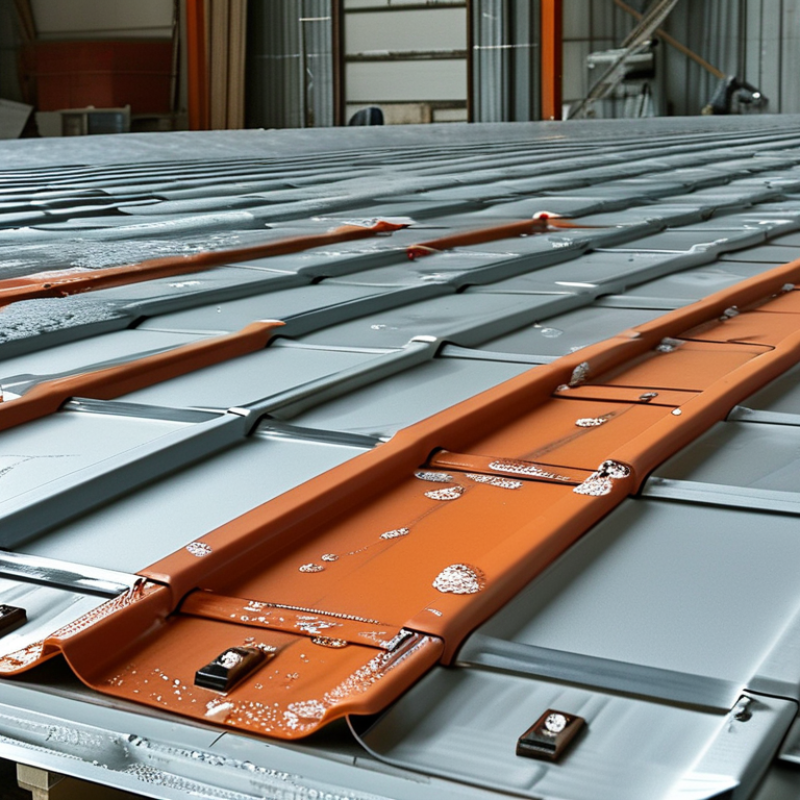
Choosing metal roofing panels and tiles starts with the roof’s shape, pitch, and drainage pattern. Measure twice. A low-slope roof may need concealed fasteners and carefully sealed laps, while a steeper roof can support more visible panel profiles. Standing-seam panels create clean lines and fewer exposed screws. Ribbed panels offer a practical choice for workshops, extensions, and simpler roof forms.

Tile-style metal roofing can suit homes that need a traditional appearance without the weight of clay or concrete. Select profiles that match the roof’s visual scale. Large tiles may look awkward on a small cottage roof. Small, textured tiles can add detail, but they require accurate alignment. Check the base material, coating thickness, and edge protection before ordering. Samples viewed outdoors often look different from indoor displays.

Installation method matters as much as the product. Use corrosion-resistant fasteners, compatible underlayment, and properly formed flashing around chimneys, valleys, and skylights. Allow for thermal movement instead of tightening every screw excessively. I once focused on panel appearance and underestimated valley detailing. That mistake taught me to inspect drainage plans before approving the layout. Follow the written installation guidance, but question unclear steps. A qualified installer should confirm substrate condition, ventilation, fastening patterns, and local requirements. Small errors can become leaks after one harsh season.

Check Dimensions, Fastening Systems, and Compatibility With the Roof

10 Tips to Choose Metal Roofing Panels and Tiles?

Choosing metal roofing panels or tiles starts with accurate measurements. Measure the roof length, slope, eaves, ridges, and valleys. Do not rely on old drawings alone. Small errors can create exposed gaps or costly cuts. Include the panel’s effective coverage, not just its overall width. Overlap dimensions vary between profiles. A few millimeters matter.

Check the fastening system before ordering materials. Screws should match the panel profile, substrate, and expected wind conditions. Fastener spacing must follow tested installation guidance, especially around edges and roof corners. Use compatible washers and avoid over-tightening. A crushed washer may leak later. It happens often.

Compatibility with the existing roof is equally important. Confirm the new panels suit the roof pitch, drainage path, and structural capacity. On a Metal Building Metal roof, movement from temperature changes can stress rigid connections. Allow the system to expand where the design requires it. Never place dissimilar metals together without checking corrosion risks. Ask a qualified installer to inspect rust, weak purlins, and uneven surfaces. I have seen attractive panels fail because the supporting frame was overlooked. That mistake is easy to repeat. Keep written measurements, product data, and installation records for future repairs.

Evaluate Energy Efficiency, Weather Resistance, and Maintenance Needs

10 Tips to Choose Metal Roofing Panels and Tiles

Evaluate Energy Efficiency, Weather Resistance, and Maintenance Needs

Energy performance begins with the complete roof assembly, not the metal sheet alone. Compare solar reflectance and thermal emittance values before choosing a finish. The U.S. Department of Energy reports that cool roofs can remain up to 50°F cooler than conventional roofs under strong sunlight. Insulated Metal Roof Panels can improve comfort, but only when insulation thickness, air sealing, and ventilation work together. Check the roof deck, fasteners, underlayment, seams, and drainage path. Dark finishes may suit cold climates, yet increase summer heat gain. I would not trust a shiny sample alone.

Weather resistance needs documented testing. Ask for wind-uplift results under ASTM E1592 or an equivalent recognized method. For hail-prone regions, review impact testing, such as UL 2218 classifications. FEMA’s Coastal Construction Manual emphasizes secure edges, correct attachment, and sealed roof penetrations. Corrosion protection also matters near saltwater or industrial air. A thicker coating is not automatically better. Confirm its measured performance and repair procedure. That judgment is easy to get wrong.

Maintenance should be practical, not theoretical. The National Roofing Contractors Association recommends inspections at least twice yearly and after severe weather. Look for loose fasteners, blocked gutters, scratched coatings, lifted seams, and early rust. Avoid walking on unsupported tiles or panels. Keep branches away from the surface. Record inspection dates and photographs. Ten minutes of inspection can reveal a costly leak. Still, no panel eliminates maintenance; poor installation can defeat excellent materials.

10 Tips to Choose Metal Roofing Panels and Tiles: Energy Efficiency, Weather Resistance, and Maintenance Needs

Tip What to Evaluate Typical Options or Performance Range Energy Efficiency Weather Resistance Maintenance Needs Best-Suited Applications
1 Choose the appropriate metal type Aluminum, galvanized steel, galvalume-coated steel, or zinc Good to Excellent
Reflective finishes can reduce solar heat gain.
Aluminum and zinc resist corrosion well; coated steel offers strong general-purpose performance. Inspect fasteners, seams, and coating condition periodically. Match the substrate to the local climate, budget, and structural requirements.
2 Check solar reflectance and thermal emittance Look for tested roof-coating values rather than relying only on color. Light-colored and reflective finishes generally perform better in hot climates. High when specified correctly
Cool-roof performance depends on both reflectance and emittance.
Reflective coatings do not replace proper waterproofing, flashing, or fastening. Keep the surface free of heavy dirt, leaves, and biological growth that may reduce reflectivity. Warm or sunny regions where cooling loads are a major concern.
3 Compare panel and tile profiles Standing-seam panels, exposed-fastener panels, and stamped metal tiles have different seam layouts and installation methods. Good
All can be energy-efficient when paired with adequate insulation and ventilation.
Concealed-fastener standing seams generally provide fewer exposed entry points for moisture. Exposed fasteners may require closer inspection because washers and seals age over time. Standing seams for modern low-maintenance roofs; tiles for a traditional appearance.
4 Verify wind-uplift performance Review the tested wind rating and installation requirements for the complete roof assembly, including clips, screws, and substrate. Not the primary factor
Energy performance is mostly influenced by insulation, air sealing, and ventilation.
Critical in high-wind areas. Panel width, clip spacing, fastening pattern, and edge detailing affect performance. After severe storms, check for lifted seams, loose trim, and displaced fasteners. Coastal, hurricane-prone, and exposed locations.
5 Assess resistance to rain, snow, and ice Confirm the minimum roof slope, underlayment requirements, snow-load design, and details for valleys and penetrations. Good
A properly ventilated and insulated assembly helps limit heat loss and ice-dam risk.
Continuous underlayment, correctly lapped flashings, and sealed penetrations are essential for water control. Remove accumulated leaves and inspect areas where snow or ice tends to collect. Cold, snowy, rainy, or freeze-thaw climates.
6 Evaluate corrosion protection Review the coating system, metallic protective layer, cut-edge treatment, and compatibility with nearby materials. Good
Coatings can maintain reflectivity and color stability when properly selected.
Use corrosion-resistant materials and avoid direct contact with incompatible metals or treated materials. Rinse salt deposits in coastal areas and repair scratches or exposed metal promptly. Coastal, industrial, humid, or high-pollution environments.
7 Consider impact and hail resistance Ask for independently tested impact performance and review the product's dent-resistance characteristics. Good
Minor dents usually have little direct effect on thermal performance, but damaged coatings may corrode.
Stronger profiles and properly supported panels can reduce damage from hail and falling debris. Inspect after hailstorms; repair coating damage to prevent long-term corrosion. Hail-prone areas and properties surrounded by mature trees.
8 Plan for thermal movement and noise Metal expands and contracts with temperature changes. Review clip design, panel length, underlayment, and roof-deck construction. Good
Proper ventilation and insulation improve comfort and reduce heat transfer.
Movement allowances help prevent buckling, fastener stress, and seam problems. Listen for unusual movement or rattling and inspect fasteners if symptoms appear. Large roofs, buildings with wide temperature swings, and occupied spaces requiring acoustic comfort.
9 Compare service life and warranty terms Evaluate substrate thickness, coating durability, installation coverage, finish limitations, and required maintenance conditions. Long-term value varies
A durable reflective finish can preserve energy performance over time.
Service life depends on climate, material thickness, coating quality, detailing, and workmanship. Read whether inspections, cleaning, or approved repairs are required to maintain coverage. Projects where life-cycle cost matters more than the lowest initial price.
10 Confirm installation and maintenance requirements Use trained installers, follow the specified fastening pattern, provide safe access, and keep records of inspections and repairs. Very important
Poor installation can create air leaks, moisture problems, and unnecessary heat gain or loss.
Correct flashing, underlayment, ventilation, and penetrations are as important as the metal itself. Schedule visual inspections at least annually and after major storms; clean gutters and remove debris. Every metal roofing project, regardless of panel or tile style.

Note: Actual performance depends on the complete roof assembly, local building codes, climate, roof slope, insulation, ventilation, installation quality, and site exposure. Always verify tested values and installation requirements for the specific product category selected.

Review Costs, Warranties, Suppliers, and Professional Installation Options

Tip 1: Compare installed prices, not panel prices. The 2024 Cost vs. Value Report placed an average metal roof replacement near $49,928 in the United States. Regional labor, roof shape, removal, and permits can change that figure sharply.

Tip 2: Request three itemized quotes. Tip 3: Separate materials from labor. Tip 4: Confirm underlayment, flashing, fasteners, and disposal costs. Tip 5: Ask about payment stages. A low quote may hide shortcuts. I have seen “complete” estimates exclude edge metal and ventilation. That mistake becomes expensive later.

Tip 6: Read warranty terms carefully. Check coverage length, finish protection, wind ratings, exclusions, and transfer rules. The Metal Construction Association reports that properly installed metal roofing can last 40 to 70 years, but poor detailing can shorten that life. Tip 7: Verify the supplier’s documented product testing, including recognized standards for wind and water performance. Tip 8: Do not choose panels by appearance alone. Gauge, coating, seam design, drainage, and local climate matter more than a showroom sample.

Tip 9: Interview professional installers about similar roofs, insurance, training, and references. Tip 10: Require a written installation scope. It should specify deck repairs, penetrations, valley details, snow protection, ventilation, and cleanup. The National Roofing Contractors Association emphasizes manufacturer-compliant installation and qualified workmanship. Still, warranties are not magic. Ask who repairs leaks, how quickly they respond, and whether service remains available after installation.

FAQS

How long can a metal roof last?

A properly installed metal roof may last about 40–70 years. That is only an estimate. Weather, workmanship, drainage, and maintenance can shorten its service life.

Which metal roofing material suits coastal areas?

Aluminum often handles salt exposure better than unprotected steel. Coated steel can also perform well when its protective layer remains intact. Inspect cut edges and scratches regularly.

Does copper provide the longest service life?

Copper can last exceptionally long when detailed correctly. However, it costs more and may stain nearby surfaces through runoff. The appearance changes over time. That may not suit every building.

How should I compare roofing coatings?

Check coating chemistry, thickness, solar reflectance, and warranty conditions. Ask for recognized corrosion and weathering test results. A thicker coating is not automatically better. Measured performance matters more.

Can a shiny roof reduce summer heat?

Not necessarily. Reflectance and thermal emittance matter more than shine alone. A cool finish may reduce heat gain, but insulation and ventilation remain important. Glare can also become a problem.

What should I check for compact or container-style buildings?

Check panel spans, fastener spacing, condensation control, and wind-uplift calculations. Inspect the roof deck, seams, flashing, and drainage paths. Look for exposed edges and ponding water. Small details can create large leaks.

How can I evaluate wind and hail resistance?

Request wind-uplift results from recognized testing methods. For hail-prone areas, review documented impact classifications. Secure edges and sealed penetrations are especially important. A strong panel can still fail after poor attachment.

How often does a metal roof need maintenance?

Inspect it at least twice yearly and after severe weather. Look for loose fasteners, blocked gutters, lifted seams, scratches, and early rust. Keep branches away from the surface. Take photographs and record inspection dates. Ten minutes may reveal a costly leak.

Should I choose the cheapest metal roofing system?

Compare lifecycle cost, not only the purchase price. Include installation, coatings, repairs, drainage work, and expected service life. An inexpensive system may become costly after repeated leaks. I would not judge from a sample panel alone.

Conclusion

Choosing the right Metal Roofing Panels & Tiles begins with understanding your building’s purpose, roof design, local climate, and performance requirements. Consider whether you need strong protection against heavy rain, wind, snow, heat, or coastal moisture. Compare available metal materials, protective coatings, expected service life, and resistance to corrosion and fading. You should also select a panel profile or tile style that complements the building while matching the roof’s slope, drainage needs, and visual character.

Before purchasing, carefully check panel dimensions, overlap requirements, fastening systems, and compatibility with the existing roof structure. Evaluate insulation and energy-efficiency benefits, weather resistance, cleaning requirements, and the level of maintenance needed over time. Finally, compare total costs rather than focusing only on the material price. Review warranty coverage, supplier reliability, delivery support, and installation options, and consider qualified professional installation to help ensure accurate fitting, secure fastening, proper ventilation, and long-term roofing performance.

Oliver

Oliver

Oliver is a dedicated marketing professional with a deep understanding of the construction industry's evolving landscape. With a strong focus on "standardization, modularization, and generalization," he plays a pivotal role in promoting the company's comprehensive temporary construction solution......
Previous China Top 10 Interior Decorative Panel Suppliers