Leave Your Message
Request a Quote
0%

Picking the right wall material is such a big deal when you're designing eco-friendly homes. It directly affects how energy-efficient the place is, how sustainable it remains, and just the overall environmental footprint. I recently came across a report from the International Energy Agency, and it blew my mind—buildings make up almost 40% of the world's energy use. No wonder folks are pushing for smarter building methods! Exploring Sustainable Wall Material Options for Eco Friendly Home Designs Companies like Guangdong Vicdowex Modular Housing Tech are really stepping up, especially with their focus on standardization, modular designs, and versatile solutions for temporary setups. If we start exploring options like recycled steel, bamboo, or eco-friendly concrete, we can seriously cut down on the carbon footprint caused by traditional construction. It’s a win-win, honestly—homes that are greener for consumers and also better for the planet. Plus, this aligns perfectly with global efforts to cut down environmental impact. Lots of companies, including Guangdong Vicdowex, are leading the charge toward more sustainable, eco-friendly housing options—and it’s pretty exciting to see where this is headed!
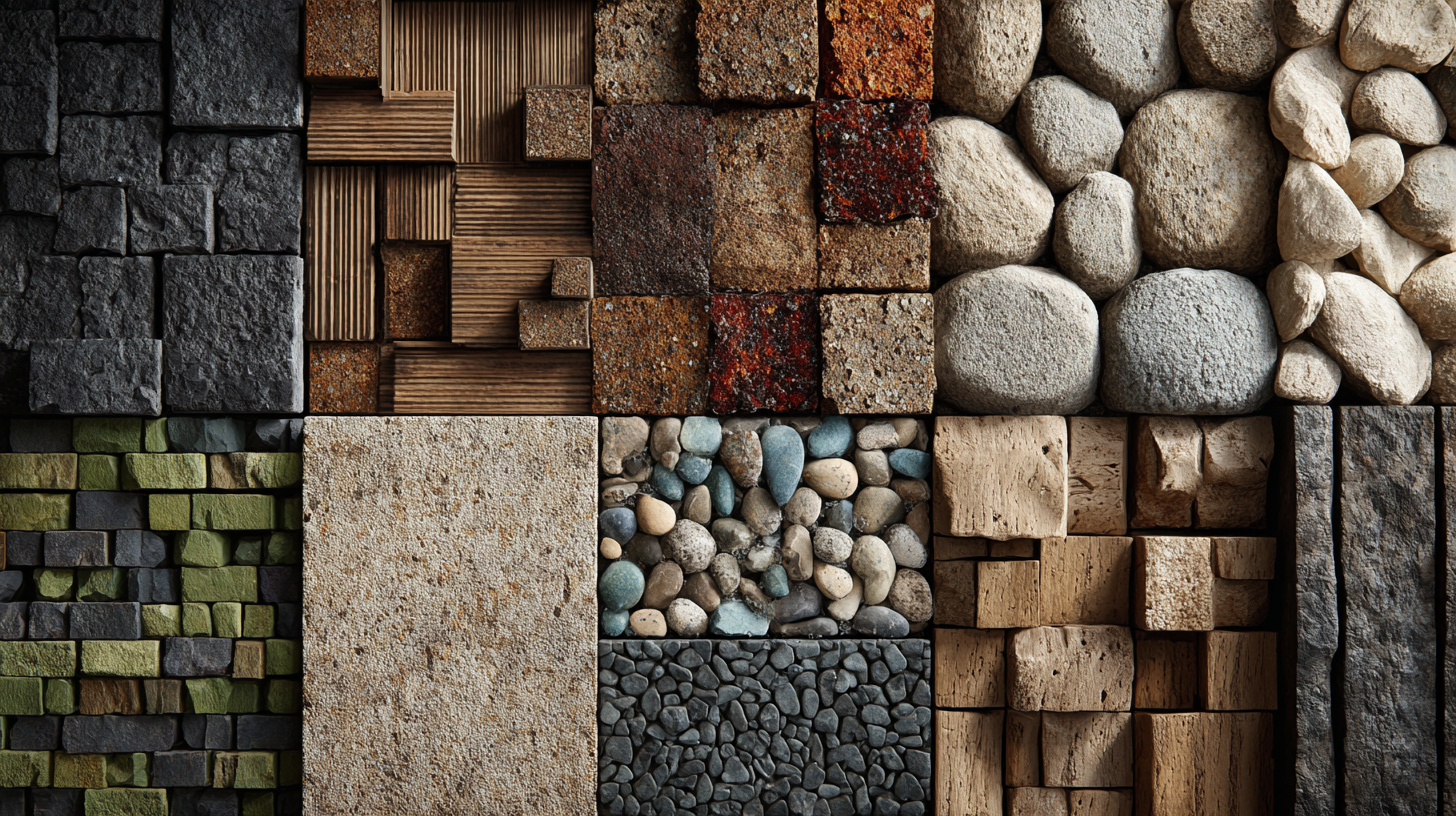
Understanding the Importance of Sustainable Wall Materials in Eco-Friendly Homes

When it comes to building eco-friendly homes, choosing the right wall materials can make a big difference. Not only do they impact how energy-efficient your house is, but they also play a role in better indoor air quality and reducing your overall environmental footprint. Did you know that, according to the World Green Building Council, buildings are responsible for around 39% of global carbon emissions? And wall materials are a pretty big piece of that puzzle. Picking sustainable options can cut down both the energy your home uses day-to-day and the carbon baked into its construction, which means your home could last longer and be better for the planet?

So, if you’re on the lookout for eco-friendly wall choices, think about stuff like reclaimed wood, bamboo, or even rammed earth. These materials don’t just save resources—they often insulate much better too! Some studies suggest that homes built with these kinds of walls can save you between 20-30% on energy bills, which is pretty awesome.

Pro tip: To get the most out of your sustainable building efforts, look for materials backed by recognized certifications like FSC or Cradle to Cradle. Also, consider the entire lifecycle of your materials—local sources are usually better because they cut down on transportation emissions and support your local economy. And don’t forget about finishes—using natural, non-toxic paints can improve indoor air quality and make your home healthier for everyone living there. It’s all about creating a space that’s good for the environment AND feels good to live in.

Key Characteristics of Eco-Friendly Wall Materials for Modern Designs

When you're on the hunt for eco-friendly wall materials for a modern, sustainable home, there are a few key things to keep in mind. Things like recycled composites, natural fiber boards, and bamboo panels are pretty popular choices—they help cut down on the carbon footprint, and they also boost your home's insulation and energy efficiency. Plus, they tend to look good too! So, you’re getting a mix of durability, style, and green living all rolled into one.

Over here at Guangdong Vicdowex Modular Housing Technology Co., Ltd., we’re all about standardization, modular design, and making things as flexible as possible. That’s how we manage to bring these cool, eco-friendly materials into our building projects. Our goal is to create temporary housing solutions that aren’t just good for the planet but also super adaptable to modern design trends. Basically, our platform helps us blend advanced construction methods with sustainable practices, so our clients can enjoy homes that are both stylish and environmentally responsible.

Top Sustainable Wall Material Options for a Green Home: A Comprehensive Overview

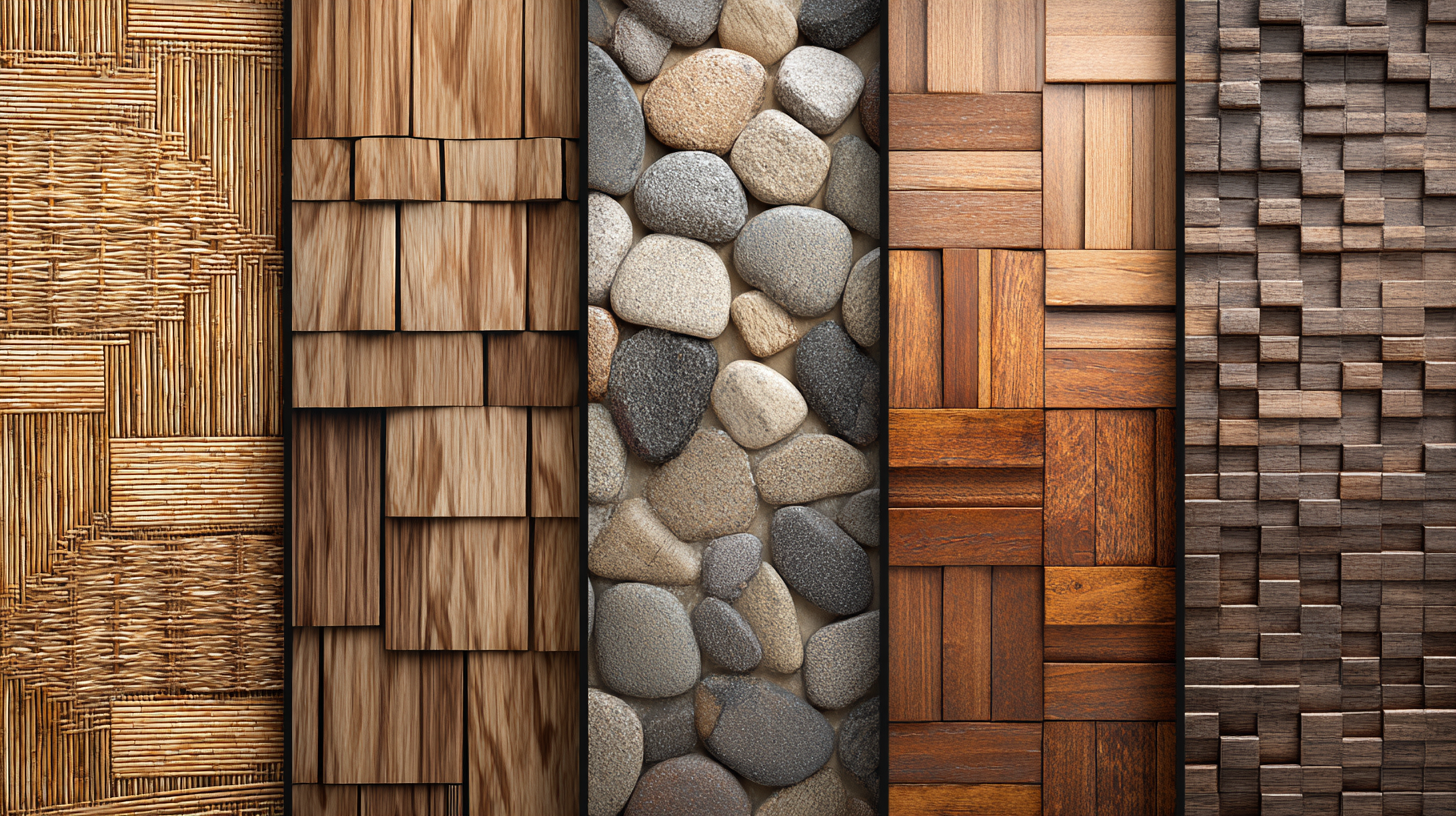
When you’re thinking about building an eco-friendly home, choosing the right wall materials can really make a difference in how sustainable your place is. There are quite a few options out there, each bringing its own perks—whether that’s helping the environment or just making your space look better. Things like reclaimed wood or bamboo aren’t just stylish—they also cut down on your carbon footprint and make your living environment healthier by reducing toxic fumes.

A good tip: go for materials with low or no VOCs (those are volatile organic compounds) to keep indoor air fresh and clean. Also, try to buy local whenever you can — it cuts down on transportation emissions and helps support your community.

Another fantastic option is rammed earth. It’s made from natural stuff like clay, silt, and sand, and creates sturdy walls that actually blend nicely with the landscape. Plus, because of its thermal mass, rammed earth helps keep your home warm in winter and cool in summer, so you might not need to run the heater or AC as much. If you’re into more modern designs, recycled steel is a pretty awesome choice—it’s super tough, but also highly recyclable when you’re done with it.

And here’s a fun idea: incorporate some greenery into your walls by choosing materials that let you add living walls or plant displays. It not only improves air quality but also gives your home a fresh, natural vibe that can really boost your mood and well-being.

Building Techniques: Integrating Sustainable Walls into Your Home Design

When you’re thinking about adding sustainable wall materials to your home, it’s really important to keep in mind more than just what it looks like. You also want to consider how well it works and what kind of impact it has on the environment. Here at Guangdong Vicdowex Modular Housing Technology Co., Ltd., we’re all about standardization and modular design—so we offer some pretty cool, innovative solutions that make it easy to include eco-friendly materials in your living space. Picking options like insulated concrete forms or recycled metal panels can really help cut down your home’s carbon footprint, all while making sure your walls are durable and energy-efficient.

Oh, and if you really want to boost sustainability, try using local materials when you can—this helps slash transportation emissions. Also, don’t forget about green insulation options, like sheep’s wool or recycled paper-based cellulose, which can make your home even more energy-efficient and eco-friendly.

But going green with your walls isn’t just about choosing the right materials. It’s also about using building techniques that save resources and cut waste. Our design approach makes sure each module is built with precision, staying waste-conscious during both the production and installation phases. With our full range of services, homeowners can enjoy a modern look without sacrificing environmental responsibility. It’s really about creating a home that’s not just beautiful, but builds a better, more sustainable lifestyle in the long run.

DIY Tips for Installing Sustainable Wall Materials in Your Home

When it comes to making your home more eco-friendly and sustainable, choosing the right wall materials is a pretty big deal. If you're into DIY projects, there are actually some really cool, eco-friendly options out there these days. Stuff like recycled wood, bamboo, or rammed earth not only help cut down your carbon footprint but also look pretty awesome. Plus, they’re often easy to find and can be turned into beautiful wall features that show off your personal style — all while being gentle on the planet.

Exploring Sustainable Wall Material Options for Eco Friendly Home Designs

Tackling a project with sustainable wall materials can be pretty rewarding, especially if you’re hoping to make a positive impact. Just make sure the materials you pick fit your space’s needs — things like noise reduction or durability are worth thinking about. Getting familiar with how to install them, whether it’s sticking them directly onto the wall or using some framing, can make the whole process a lot smoother. And with the wall treatment market booming — forecasted to hit about $32.6 billion in 2024 — there are tons of options and resources popping up, making it easier than ever for homeowners to craft gorgeous, eco-friendly interiors that really prioritize sustainability.

Evaluating Cost-Effectiveness and Longevity of Eco-Friendly Wall Solutions

When you're thinking about eco-friendly home designs, picking the right wall materials isn’t just about how they look or their environmental benefits — you’ve also gotta consider stuff like cost and how long they last. I read in a report by the Green Building Council that going green with your walls can actually save you some serious money in the long run. For example, using reclaimed wood or rammed earth isn’t just good for the planet — they’re also super efficient at keeping your home warm, which means lower energy bills, sometimes by as much as 30%. Plus, these materials tend to be pretty tough and durable. Reclaimed wood, if done right, can stick around for over 50 years — way longer than your average drywall, which usually only lasts about 20 years.

Also, even though eco-friendly options might cost a bit more upfront—like, maybe 10-20% more—they tend to save money down the line because they last longer and don’t need constant repairs. A study from the Journal of Green Building points out exactly that — that the initial expenses are higher, but over their lifetime, these materials cost less overall. They hold up well against weather and other factors, so you don’t have to replace them all the time. And then there are innovative choices like insulated concrete forms, which not only provide better insulation but can last up to a century. So, investing in sustainable building materials isn’t just good for the environment — it’s good for your wallet too, over the long haul.

Exploring Sustainable Wall Material Options for Eco Friendly Home Designs

Exploring the Benefits and Market Trends of Honeycomb Panel Metal Curtain Walls in Modern Architecture: Insights from Industry Reports

The use of honeycomb panel metal curtain walls in modern architecture offers a myriad of benefits that align with current trends in sustainability and design efficiency. According to recent industry reports, these innovative panels not only enhance the aesthetic appeal of buildings but also contribute to energy efficiency due to their lightweight yet strong structure. Comprising materials such as pre-roller coated aluminum, steel, titanium zinc, and copper, the honeycomb core provides excellent thermal insulation and sound attenuation, making it an ideal choice for both residential and commercial projects.

Standard specifications for the honeycomb panels range from 10mm to 30mm in thickness, with customizable lengths up to 12,500mm. This versatility allows architects and designers to tailor the panels to meet specific project requirements. The coatings offered can be customized to various surface finishes and colors that adhere to RAL standards, ensuring a cohesive look that complements any architectural vision. The core material, typically a honeycomb structure, further enhances the panels' strength-to-weight ratio, providing durability without compromising on design flexibility.

Recent market analyses indicate a rising demand for these curtain walls driven by their eco-friendly characteristics and cost-effective solutions in construction. The panels are not only beneficial for their functional properties but also contribute to significant long-term savings by reducing maintenance costs through their durable surface coatings. As the architecture industry shifts towards more sustainable practices, the adoption of honeycomb panel metal curtain walls is expected to accelerate, setting a new standard for modern construction.

FAQS

: What are sustainable wall materials and why are they important for eco-friendly homes?

: Sustainable wall materials, such as reclaimed wood, bamboo, and rammed earth, play a critical role in eco-friendly homes by improving energy efficiency, indoor air quality, and reducing the overall environmental footprint. They help lower both operational and embodied carbon emissions, contributing to a more sustainable construction practice.

How can sustainable wall materials affect energy costs?

Studies show that homes featuring sustainable wall materials can achieve a reduction of 20-30% in energy costs due to improved insulation properties and reduced demand for new resources.

What should homeowners look for when selecting sustainable wall materials?

Homeowners should look for materials certified by recognized organizations like the Forest Stewardship Council (FSC) or the Cradle to Cradle products innovation institute. Also, consider the lifecycle of the materials and the benefits of using locally sourced products to reduce transportation emissions.

What building techniques can enhance the integration of sustainable walls in home design?

Techniques such as standardization and modularization, using materials like insulated concrete forms or recycled metal panels, can lower a property's carbon footprint and improve energy efficiency while allowing for modern design aesthetics.

What are some DIY tips for installing sustainable wall materials?

DIY enthusiasts should choose materials that meet their specific needs for sound insulation and durability, and familiarize themselves with the installation methods, whether direct application or using frames, to make the project smoother.

How can using local materials benefit sustainable home design?

Using local materials reduces transportation emissions, supports local economies, and enhances the overall sustainability of construction practices for eco-friendly homes.

What types of insulation should be considered when installing sustainable walls?

Green insulation options such as sheep's wool or cellulose made from recycled paper are recommended for improving energy efficiency within modular designs.

What is the projected market growth for wall treatments, and why is it significant?

The wall treatments market is projected to reach $32.6 billion in 2024, indicating a growing availability of eco-friendly options and resources, which allows homeowners to create beautiful and sustainable interiors.

How do natural finishes and non-toxic paints contribute to sustainability?

Incorporating natural finishes and non-toxic paints enhances indoor air quality, making homes healthier for occupants while aligning with eco-friendly practices.

What role does precision design play in sustainable construction?

Precision design minimizes waste during the production and installation of building materials, ensuring that each module is efficiently created and contributes to a more sustainable construction process.

Conclusion

So, I read this article called "Exploring Sustainable Wall Material Options for Eco-Friendly Home Designs," and honestly, it really highlights how important eco-friendly wall materials are when it comes to building green homes. It breaks down what you should look for in these materials—things like durability, good insulation, and keeping a low environmental footprint—which are pretty much essential for modern-day designs. Plus, it offers a solid rundown of the best sustainable wall options out there, giving homeowners some good insights if they’re thinking about making their spaces greener.

On top of that, the article dives into some practical building tricks for incorporating these sustainable walls into your home, even tossing in a few DIY tips for the installation process. It also looks at how these eco-friendly options hold up over time, factoring in costs and longevity, so you get the best of both worlds—something that looks great and lasts long. By adopting these innovative materials and methods, companies like Guangdong Vicdowex Modular Housing Technology Co., Ltd. aren’t just keeping up; they’re pushing forward, aligning with the ideas of standardization and modular design to really make a difference in eco-friendly building solutions.

Isabella

Isabella

Isabella is a dedicated professional marketing specialist with a profound expertise in the realm of temporary construction solutions. With a strong focus on standardization, modularization, and generalization, she plays a pivotal role in promoting the company's comprehensive service platform that......
Previous Why Wall Material Selection Impacts Your Building Energy Efficiency and Costs