Choosing the right cleanroom panels is pretty much a big deal if you're working in any kind of controlled environment. It’s not just about ticking boxes for compliance; it actually affects the quality of your products too. There are quite a few factors to keep in mind—stuff like what material you go with, how thick the panels are, and their insulation qualities.
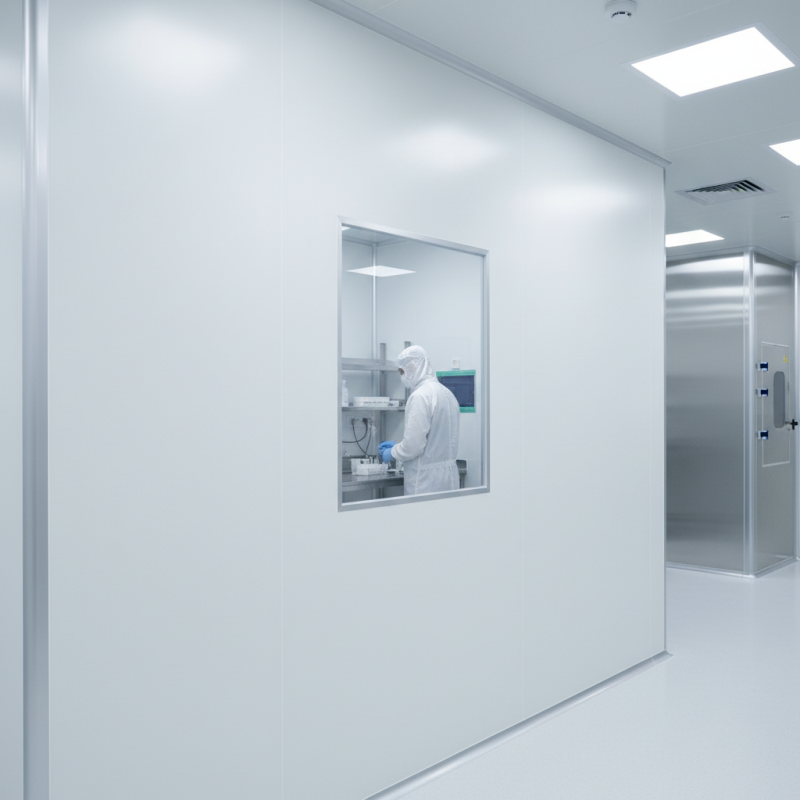
Speaking of which, Pharmaceutical Cleanroom Panels are super important when it comes to keeping things sterile. They really play a big part in maintaining good air quality and preventing contamination. So, when picking out panels, companies should pay close attention to things like fire resistance, whether they’re compatible with chemicals, and how sturdy they are—basically, durability.
Honestly, the whole panel selection process can be pretty overwhelming—there are so many options and honestly, they can all seem pretty similar at first glance. But taking a step back and really understanding what you need makes a huge difference. In the end, investing in good quality cleanroom panels pays off in the long run. The right choice can really make your workflow smoother and keep everyone safer in these sensitive environments.
Understanding Cleanroom Requirements and Standards
Understanding the requirements and standards for cleanroom environments is essential for selecting appropriate cleanroom panels. The cleanliness level is often determined by ISO classifications. For instance, ISO class 5 requires a sterile environment, with fewer than 3,520 particles per cubic meter. Understanding these classifications helps in determining the right panel type.
The choice of materials plays a significant role. Smooth Surface Cleanroom Panels are a popular choice due to their easy-to-clean nature. They minimize contamination risks. Understanding the material properties, such as chemical resistance and thermal stability, often leads to better decisions. Reflecting on the specifics of your cleanroom setting can reveal gaps in your planning.
Common mistakes include overlooking airflow requirements or panel compatibility. Always assess the layout and pressure differentials in your cleanroom. Panel installation should provide hermetic seals to maintain cleanliness. Regularly reviewing standards, such as FDA and ISO guidelines, ensures ongoing compliance. Recognizing these aspects fosters a better cleanroom environment tailored to your needs.
Types of Cleanroom Panels Available in the Market
When selecting cleanroom panels, it's crucial to understand the various types available. Each type serves specific purposes in maintaining a controlled environment. Among them, Heat-Insulated Cleanroom Panels are essential for temperature-sensitive applications. These panels can significantly reduce energy costs while ensuring uniform temperature control.
Another type is non-porous panels, often used in pharmaceutical and semiconductor industries. Their smooth surface helps prevent contamination. They can be easy to clean. However, these panels sometimes require a more thorough installation process. It’s essential to evaluate site conditions before proceeding with such options.
In some cases, modular cleanroom panels offer flexibility. They can be reconfigured easily as needs change. Yet, they may not be as durable as other types. Proper assessment of your cleanroom’s purpose and usage is crucial to avoid costly mistakes. Take the time to identify what truly meets your requirements.
Types of Cleanroom Panels and Their Applications
This chart illustrates the different types of cleanroom panels available in the market along with their common applications. The data represents the popularity and usage frequency of various panel types in cleanroom environments.
Key Factors to Consider When Selecting Cleanroom Panels
Selecting the right cleanroom panels is crucial for any controlled environment. One key factor is the material used. Common materials include steel, aluminum, and composites. Each has unique properties affecting durability and cleanliness.
Steel panels are robust but may be heavier than alternatives. Lightweight panels are easier to handle but may require more care.
Another factor is the panel thickness. Thicker panels generally provide better insulation and noise reduction. However, this can increase installation and shipping costs. Consider your specific needs. Are you prioritizing cleanliness or cost-effectiveness? The choice should align with operational goals.
Cost is also a significant factor. Ensure that your selection provides long-term value. While cheaper panels may seem appealing, they might not be suitable for critical applications. Look for panels that offer durability and functionality without excessive expenditure. Reflecting on these aspects can help you make an informed decision.
Material Options for Cleanroom Panels: Pros and Cons
When selecting cleanroom panels, material choice is crucial. Various options each have unique advantages and downsides. Common materials include metal, vinyl, and fiberglass.
Metal panels are durable and offer excellent soundproofing. They are resistant to moisture, but can be heavy and harder to install. Vinyl panels are lightweight and flexible. They resist chemical damage, but may not provide the same durability as metal. Fiberglass panels have great insulation properties, which is beneficial for temperature control. However, they can be prone to scratches and dents over time.
Consider your specific cleanroom requirements. The right material impacts not only the environment but also compliance with industry standards. Reflect on the long-term costs associated with maintenance and replacement. Each choice carries potential risks; careful consideration is essential. Prioritize your needs, and consult industry professionals if necessary.
Evaluating Cleanroom Panel Performance and Durability
Choosing the right cleanroom panels is crucial for maintaining controlled environments. Performance and durability are key factors to consider. When analyzing performance, consider the panel's insulation properties. High-quality panels offer better insulation, which helps maintain temperature and humidity. This is essential for sensitive applications.
Durability is another vital aspect. Panels must withstand rigorous cleaning and potential wear. Materials like stainless steel and composite options provide longevity. Test results often reveal weaknesses in low-quality panels. Even minor scratches can harbor contaminants, compromising cleanroom integrity. It's important to review test data and performance certifications when making a choice.
Reflect on usage conditions. Some environments are harsher than others. The right panel for a pharmaceutical setting may not suit electronics manufacturing. Both industries demand different specifications. It’s essential to regularly evaluate panel condition. Failure to do so could lead to increased contamination risks. Ensure that selected panels meet specific cleanroom standards for your unique operational needs.
Installation and Maintenance Considerations for Cleanroom Panels
When installing cleanroom panels, proper preparation is crucial. Evaluate the space where the panels will be fitted. Consider the dimensions, airflow requirements, and types of operations conducted within the cleanroom. For many environments,
Stainless Steel Cleanroom Panels are preferred for their durability and ease of maintenance. Ensure that the installation team understands the specific requirements of your cleanroom to avoid costly mistakes.
Maintenance is another key aspect that cannot be overlooked. Regular cleaning and inspections are essential to keep the cleanroom panels functioning optimally. Develop a routine that includes checking seals and joints for integrity. Neglect can lead to compromise in cleanliness standards. Use appropriate cleaning agents that are compatible with stainless steel to maintain the panels' appearance and functionality.
Despite thorough planning, issues may still arise post-installation. Panels may show signs of wear or damage over time. Document these occurrences for evaluation and consider feedback from personnel working in the cleanroom. Their insights can guide adjustments, ensuring that the environment remains compliant with standards. This ongoing process enhances the overall efficiency of your cleanroom operations.
Cost Analysis: Budgeting for Cleanroom Panel Selection
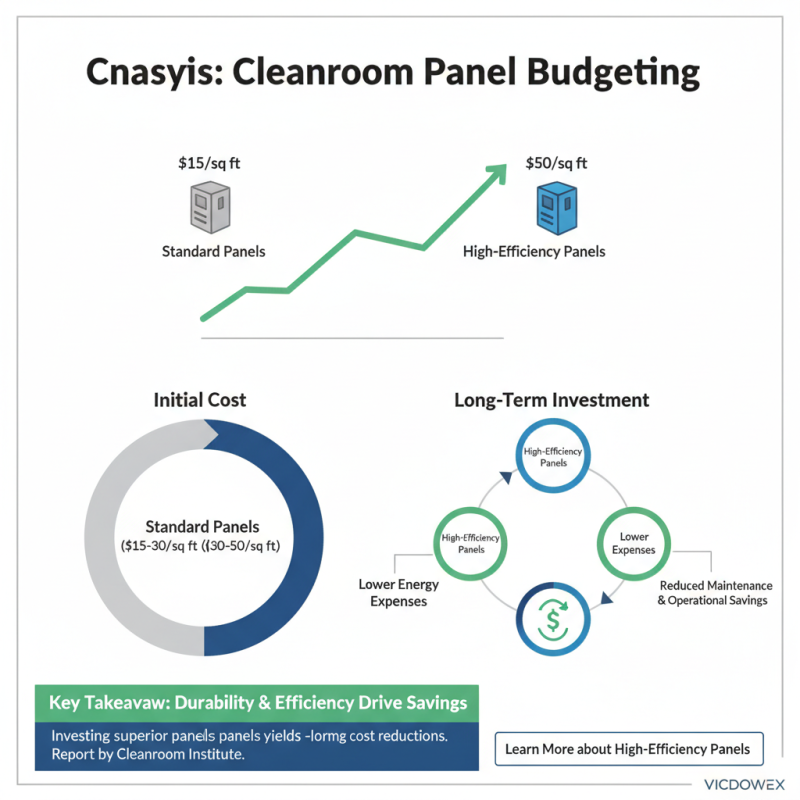
When budgeting for cleanroom panels, considering the initial cost and long-term investments is crucial. According to a report by the Cleanroom Institute, costs can range from $15 to $50 per square foot for different types of panels. This price fluctuation often correlates with the panel's durability and efficiency. High-Efficiency Cleanroom Panels, while more costly upfront, typically lower energy expenses. Investing in superior panels can lead to savings in maintenance and operational efficiency over time.
Tip: Always compare the life cycle costs of cleanroom panels. Look at maintenance needs, energy consumption, and replacement frequency. An upfront focus on quality can save your budget in the long run.
One must also consider the installation costs. The complexity of your cleanroom design greatly influences the installation price. Reports indicate that cleanroom construction costs can vary between $100 to $300 per square foot, depending on the specifications. Skimping on panel quality might seem tempting to cut costs but can lead to more significant issues and unexpected expenses later.
Tip: Consult with cleanroom design professionals to get tailored advice that aligns with your budget and operational needs. Careful planning can help avoid costly mistakes.
Enhance Your Space: How Corner Panels Bring Style and Versatility to Any Room Design
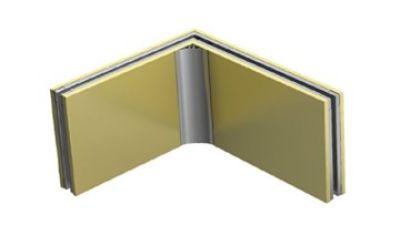
Transforming your space can be as simple as focusing on the corners of your room. Corner panels offer a stylish and versatile solution that enhances both the aesthetics and functionality of your design. These integrated corners require no cutting or aluminum, making them an ideal choice for anyone looking to simplify their construction process. With a perfect fit every time, these panels not only reduce corner seams but also create a seamless finish that elevates the overall look of any room.
One of the standout features of these corner panels is their ability to adapt to various architectural challenges. From standard wall corners to complex areas like windowsills that wrap around columns, this solution is engineered for versatility. By minimizing seams, these panels greatly enhance structural integrity at critical stress points while providing a streamlined aesthetic. Installation is quick and straightforward, allowing you to achieve a beautiful, cohesive design without the hassle of traditional corner treatments. Embrace the elegance and practicality of corner panels to redefine your space effortlessly.
FAQS
: ISO classifications determine the cleanliness level. For example, ISO class 5 requires fewer than 3,520 particles per cubic meter.
They are easy to clean and reduce contamination risks. Their properties enhance overall cleanliness.
Overlooking airflow requirements or panel compatibility can lead to issues. Always evaluate layout and pressure differentials.
They are essential for temperature-sensitive applications. They help reduce energy costs and maintain uniform temperature control.
Their smooth surfaces prevent contamination. They are easy to clean but require proper installation.
They can be easily reconfigured as needs change. However, they might lack the durability of other types.
Common materials include metal, vinyl, and fiberglass. Each has unique advantages and downsides.
Metal panels are durable and soundproof. They resist moisture but can be heavy and difficult to install.
Vinyl panels are lightweight but may not be as durable as metal. They resist chemical damage though.
The right material affects the environment and compliance with industry standards. Long-term costs should also be considered.
Conclusion
Selecting the right cleanroom panels is crucial for ensuring compliance with specific cleanroom requirements and standards. Understanding the various types of cleanroom panels available in the market and their suitable applications is the first step. Key factors to consider include material options, performance, durability, installation, and maintenance needs. Each material presents its own advantages and disadvantages, affecting cost and overall efficiency.
When budgeting for cleanroom panel selection, it's essential to evaluate long-term investments, factoring in installation and maintenance costs alongside initial expenses. A thorough analysis of these elements will help in choosing cleanroom panels that not only meet regulatory standards but also align with the operational needs and budget constraints of the facility.