You know, the way construction methods have evolved over time is really opening up new possibilities, especially with Prefab Modular Homes. These homes are quickly changing the game when it comes to building houses. I came across a report from the Modular Building Institute that says the market for modular construction is expected to grow at about 6.8% annually from 2021 to 2028. That’s mainly because people want faster, more affordable ways to build, plus there's a growing focus on being eco-friendly. Companies like Guangdong Vicdowex Modular Housing Technology Co., Ltd. are leading the charge—blending standardization, modular design, and broad applications into their all-in-one solutions, covering everything from R&D and manufacturing to sales and leasing. Choosing Prefab Modular Homes isn’t just about saving time and cutting down on waste; it’s also about giving homeowners more options to customize their spaces to fit modern lifestyles and sustainability goals. As the industry keeps moving forward and innovating, getting the hang of the many benefits these homes offer will be really important for anyone interested in what living might look like in the future.
Understanding Prefab Modular Homes: Key Concepts and Innovations
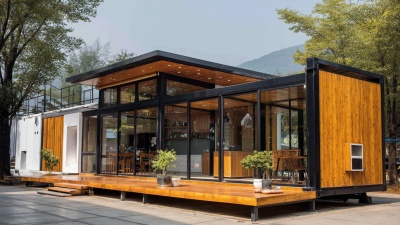
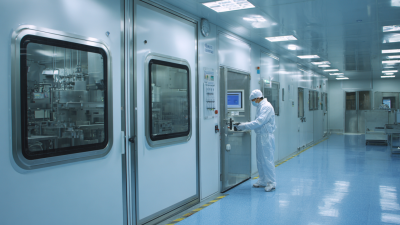
You’ve probably noticed that prefab modular homes are really starting to take off in the construction world. They’re a pretty innovative way to build houses these days. Basically, these homes are built in controlled factories — kind of like assembly lines — and then they’re shipped out and put together on-site. It’s a game-changer because it speeds things up, cuts down on waste, and is way better for the environment, making them super appealing if you’re into sustainable living. Plus, with cool tech like 3D printing and robot-assisted manufacturing, the process is becoming even more precise and efficient. That means you can get custom designs that fit all sorts of lifestyles without sacrificing quality.
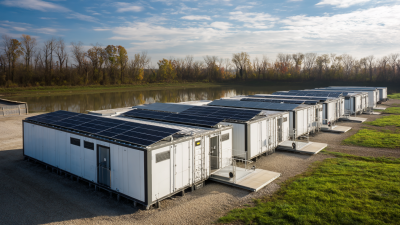
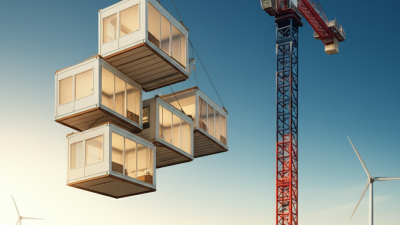
Getting a handle on what prefab modular homes are all about really shows just how much they could change the housing scene. Instead of building the whole house piece by piece on-site, the main parts are made in sections—or modules—and then easily connected together when they arrive. This setup actually helps with quality control because each module can be inspected and tested first. These days, new materials and engineering tricks are making these homes more energy-efficient too—think solar panels, smart tech, and all that. As cities keep growing and housing gets tighter, these prefab modular homes are looking like a pretty solid solution. They’re flexible, affordable, and greener, making them a pretty tempting option for the future of living.
The Advantages of Prefab Modular Homes Over Traditional Construction
Prefab modular homes are really changing the game in the construction world. They offer some pretty amazing perks compared to traditional building methods. For example, one of the biggest advantages is how quickly they can be put together. Thanks to the increasing use of automation and robotics in the build process, these homes can be assembled right on-site in a fraction of the time it takes to build a conventional house. In Australia, we’re already seeing some pretty exciting progress with these innovative techniques, especially when it comes to tackling the housing shortages more effectively.
And let’s not forget about how budget-friendly these homes can be. Since manufacturing happens in controlled environments, companies can reduce waste and make better use of resources, which keeps the costs down. That’s a huge plus, especially for folks looking to get into homeownership in a market that’s always changing.
If you’re thinking about going for a prefab modular home, a couple of things are worth keeping in mind. First off, check out the quality of the materials used and research the manufacturer’s reputation. Also, don’t forget to look into local zoning laws—rules about where and how you can put up a modular home can vary quite a bit. Lastly, it’s pretty cool how many companies are now focusing on sustainable building practices—more environmentally friendly materials and eco-conscious designs are becoming the norm. All in all, it’s an exciting time to consider modular living!
Design Flexibility and Customization in Modular Home Design
The modular home industry is really going through a bit of a shake-up when it comes to design flexibility and customization options. It’s kind of a breath of fresh air for folks looking to build their dream homes. You know how traditional construction can be pretty rigid, often dragging on and costing a lot because of labor and time limits? Well, prefab modular homes totally change the game. They come with a whole bunch of options—from different layouts and materials to finishes and even energy-saving tech—so you can really make it your own. According to the Modular Building Institute, this whole sector is expected to hit around $157 billion by 2023, which shows people are definitely leaning more toward personalized, innovative homes now.
Nowadays, homebuyers get to choose from a variety of floor plans and interior styles that fit their lifestyles perfectly. This kind of flexibility not only helps people create a space that feels truly theirs, but it also means builders can keep costs in check without cutting corners on quality. Funny enough, a recent survey from Statista found that about 60% of homebuyers say customization is a top priority when they’re making a purchase. As more folks are on the lookout for eco-friendly and forward-thinking housing options, the modular home scene is really cementing its place as a major player in modern home design.
Exploring the Future of Living: How Prefab Modular Homes Are Revolutionizing Home Construction
| Feature |
Description |
Benefits |
| Modular Design |
Housing units are constructed off-site in sections and assembled on location. |
Faster construction time and reduced labor costs. |
| Design Flexibility |
Various layouts, styles, and finishes are customizable based on buyer preference. |
Homeowners can create personalized living spaces. |
| Sustainability |
Often built using environmentally-friendly materials and energy-efficient systems. |
Reduced carbon footprint and lower energy bills. |
| Quality Control |
Constructed in a controlled environment, less exposure to weather-related delays. |
Higher quality assurance and fewer construction defects. |
| Affordability |
Typically less expensive than traditional homes due to streamlined processes. |
Increased accessibility for first-time homebuyers. |
Sustainability and Energy Efficiency in Prefab Home Building
The market for prefab modular homes is really picking up steam. Experts believe it'll hit around $1.6 billion by 2025, and then shoot up to roughly $3.06 billion by 2034, with a solid growth rate of 7.5%. You know, it's all about people becoming more aware of sustainability and saving energy—something that's driving this boom in construction. Modular homes, in particular, are pretty cool because they use cutting-edge materials and clever designs that keep homes warmer in winter and cooler in summer, all while lowering energy bills. It’s such a perfect fit with the global push to fight climate change.
Over in Argentina, there are efforts underway to retrofit old buildings to make them more sustainable, but honestly, progress varies a lot from region to region. By updating building materials and tweaking local regulations, they’re hoping to make a real difference in energy efficiency. Plus, there's some interesting experimental housing projects, like the steel-structured "House of Tomorrow" in the Netherlands. That project really shows how modern building techniques can showcase sustainability in action. Companies like Guangdong Vicdowex Modular Housing Technology are leading the way too, offering all-in-one temporary construction solutions focused on standardization and modular design. It’s exciting because all of this is paving the way for a greener, more energy-efficient way of building homes in the future.
Energy Efficiency in Prefab Modular Homes
Navigating the Regulatory Landscape for Modular Home Construction
You know, the rise of
prefab modular homes
really signals a big shift in how we build houses these days. But let’s be honest—navigating all those regulations can be tricky for both developers and folks looking to buy. Modular homes often have to follow different building codes compared to traditional on-site houses. And here’s the kicker: these rules aren’t the same everywhere. They can vary from one city to another, or state to state, so it’s super important for builders and buyers to really get a handle on what’s required in their area. Keeping up with zoning laws, permit processes, and safety standards is key to making the whole process go smoothly, without unnecessary hiccups.
On top of that, as modular homes become more popular, local governments are starting to tweak their rules to better fit this new way of building. Some places might even speed things up with quicker permits or offer incentives to encourage modular development. But, on the flip side, there are areas where regulations are pretty strict—and that can slow everything down or make it more complicated. So, staying informed about any changes is crucial if you want to make the most of this trend and avoid setbacks. When you understand the ins and outs of the regulatory landscape, not only does it help get projects done successfully, but it also makes it easier for communities to warm up to the idea of prefab modular living. It’s all about making sure everyone’s on the same page, right?
Future Trends: Smart Home Technology Integration in Modular Designs
You know, the way smart home tech is being integrated into prefab modular houses is really
changing the game when it comes to modern living.
As tech keeps getting better, these homes are now coming with all sorts of fancy systems that make things
more convenient, secure, and energy-efficient.
It’s pretty cool — homeowners can control their lights, heating, cooling, and even security stuff
all from their phones. No more messing around with switches or alarms; it’s all seamless and customized
to what you need. Thanks to features like automated HVAC
and smart appliances, these homes don’t just make life easier—they also help save energy by running smarter.
And honestly, this shift towards smarter living in modular homes is totally changing what people
expect from their future homes. Buyers get to pick and choose which tech fits their lifestyle —
whether that's health monitoring gadgets or
top-notch security systems. As demand for
these high-tech spaces keeps climbing, manufacturers are constantly pushing the envelope, bringing in
the latest innovations to keep up. It’s pretty exciting, really — not only are modular homes sounding
more appealing than ever, but they’re also becoming a big hit in the real estate scene, especially
with the tech-loving crowd looking for efficiency
and modern vibes in their homes.
FAQS
: Modular homes offer increased design flexibility and customization, allowing homeowners to choose layouts, materials, and finishes that reflect their personal tastes while helping builders maintain cost control.
A survey indicates that 60% of homebuyers prioritize customization options in their purchase decisions, contributing to the growth and evolution of the modular home sector as it caters to individual preferences.
According to the Modular Building Institute, the modular construction sector is projected to grow to $157 billion by 2023, indicating a significant shift toward personalized housing solutions.
Modular homes are subject to different building codes and regulations than traditional homes, which can vary by state and city, making it essential for builders and buyers to understand local requirements.
Some local jurisdictions may offer expedited permitting processes or incentives to encourage modular development, although others might impose stricter regulations.
Staying informed about regulatory changes helps developers capitalize on opportunities and mitigate potential setbacks, ensuring a smoother construction process and community acceptance.
Homebuyers can customize various aspects of modular homes including floor plans, interior designs, materials, finishes, and energy-efficient technology.
As modular homes gain popularity, local jurisdictions may adapt their regulations to support this building method, reflecting an evolving landscape in residential architecture.
Stakeholders face challenges related to navigating differing building codes, zoning laws, and safety standards, necessitating a thorough understanding of local regulations for successful project execution.
Modular homes often incorporate innovative designs and energy-efficient technologies, appealing to consumers searching for more sustainable housing options.
Conclusion
Prefab modular homes are really shaking up the construction scene right now, and for good reason. They offer some pretty cool solutions that focus on efficiency, sustainability, and giving folks the ability to customize their living spaces. When you compare these homes to traditional building methods, you see obvious benefits—like faster build times and lower costs. Plus, the design options are super flexible, so you can really make your living space your own. And with eco-friendly features, they help keep energy bills lower and reduce environmental impact.
As this industry keeps evolving, figuring out the regulatory stuff is key to making these homes a reality without a hitch. One exciting trend is the incorporation of smart home tech, which just makes these houses even more appealing and functional. Companies like Guangdong Vicdowex Modular Housing Technology Co., Ltd. are really leading the way by creating all-in-one platforms for research, development, and manufacturing of these modular homes. They're pushing the envelope on what modern living can actually look like.