Lately, the building world has been pretty much buzzing about energy efficiency and sustainability. You know, everyone’s looking for better ways to make structures greener and more cost-effective. One thing that’s been gaining a lot of traction is Insulated Metal Roof Panels, or IMRPs for short. These panels are pretty awesome—they bring multiple benefits that really boost both how well a building insulates and how tough it is against the elements.
Did you know that according to the U.S. Department of Energy, roughly 40% of all energy used in the country goes into buildings? That’s a huge chunk, which honestly kind of highlights why making buildings more thermally efficient is so important.
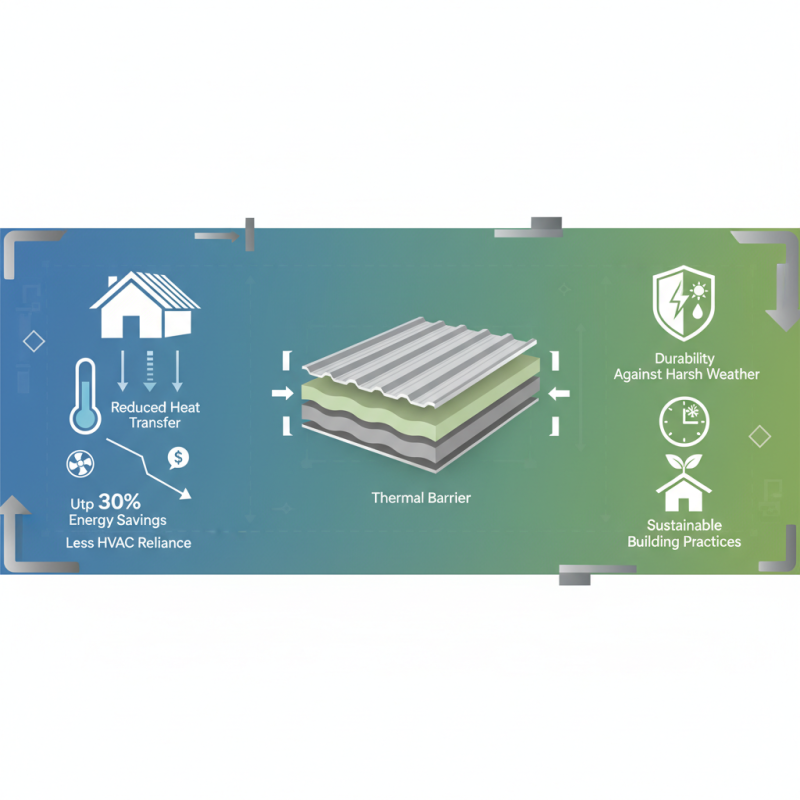
Research shows that using IMRPs can slash energy bills by as much as 30%. Their secret lies in how the metal combined with insulation creates a strong barrier that cuts down heat transfer. Basically, it helps keep indoor temperatures steady, so you’re not overworking your AC or heater all the time. And it’s not just about saving on energy—another study by the Metal Building Manufacturers Association points out that adding insulation in roofing systems not only helps you save money but also makes the building last longer, standing up better to tough weather.
As more folks push for sustainable building options, Insulated Metal Roof Panels are proving to be a pretty smart choice. They’re efficient, durable, and a great way to build smarter, more environmentally friendly structures overall.
Advantages of Insulated Metal Roof Panels for Energy Efficiency
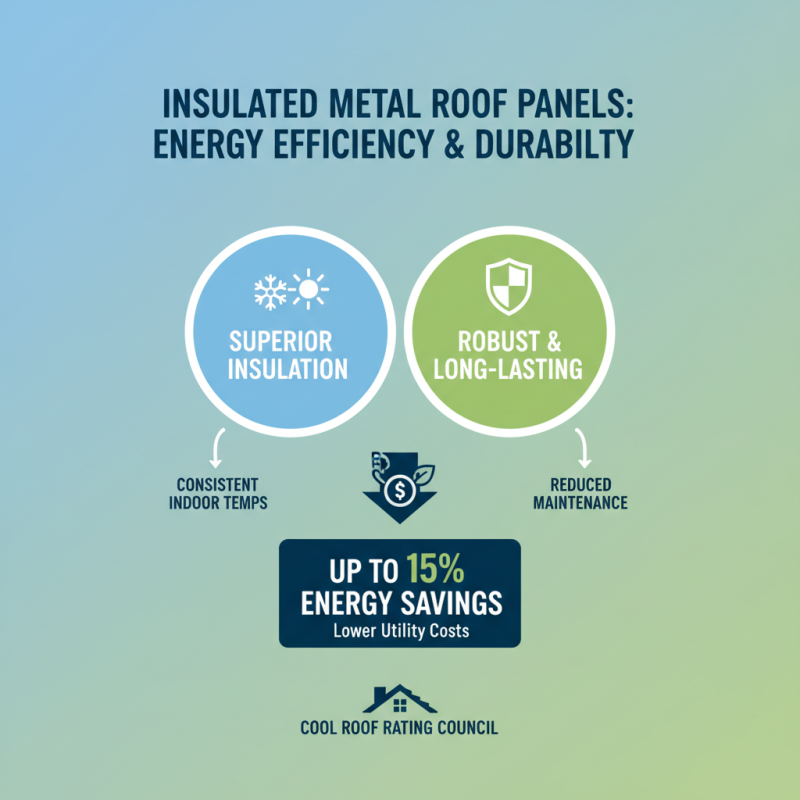
Insulated metal roof panels have emerged as a leading solution for both energy efficiency and durability in modern construction. One of the primary advantages of these panels lies in their superior thermal insulation properties. According to the Cool Roof Rating Council, reflective roofing systems can reduce energy consumption for cooling by up to 15%, which significantly lowers utility costs during hot months. These insulated panels help maintain consistent indoor temperatures, reducing the reliance on heating and cooling systems, and in turn, decreasing overall energy usage.
Moreover, the long-term durability of insulated metal roof panels contributes to their energy efficiency benefits. With a life expectancy that often exceeds 50 years, these panels require minimal maintenance compared to traditional roofing materials. A report from the National Roofing Contractors Association indicates that energy-efficient roofs not only last longer but are also less likely to need repair, translating to reduced lifecycle costs. The durability of insulated metal roofs also means fewer materials required for replacements, contributing to less waste and a lower carbon footprint. Organizations like the U.S. Green Building Council emphasize that sustainable building practices, such as employing insulated metal roof panels, enhance energy efficiency while promoting environmental stewardship in construction.
Key Features of Insulated Metal Roof Panels
Insulated metal roof panels are increasingly recognized for their superior energy efficiency and durability, primarily due to several key features. One of the standout aspects is their multi-layered construction. Typically consisting of a metal exterior and an inner core of insulation material, these panels effectively reduce thermal bridging, minimizing energy loss. This design not only enhances insulation performance but also contributes to a more stable indoor environment, reducing heating and cooling costs.
Another important feature is the panels' resistance to environmental stressors. Their robust metal surface provides excellent protection against harsh weather conditions, such as high winds, heavy snowfall, and hail. Additionally, many insulated metal roof panels are designed to be moisture-resistant, helping to prevent issues like rust and mold over time. This durability translates to longer lifespan and less maintenance, making them an appealing choice for both commercial and residential applications. Ultimately, these attributes contribute substantially to the overall energy efficiency and longevity of building structures.
How Insulated Metal Roof Panels Improve Energy Savings
Insulated metal roof panels (IMRPs) have become a vital component in the quest for energy efficiency in modern construction. According to the U.S. Department of Energy, buildings account for about 40% of energy consumption in the United States, and roofs play a crucial role in managing energy loads. Insulated metal roof panels significantly reduce thermal bridging, which can lead to energy loss. These panels typically feature a core made from materials like polyurethane or polystyrene, providing an effective insulation layer that minimizes heat transfer. As a result, energy savings can reach up to 30% in heating and cooling costs, depending on the building's geographic location and orientation.
Moreover, IMRPs contribute to energy efficiency through their reflective surfaces, which help to mitigate urban heat island effects in metropolitan areas. The Cool Roof Rating Council (CRRC) indicates that reflective roofing can lower roof temperatures by 20 to 40 degrees Fahrenheit compared to standard roofs. This not only reduces the energy required for cooling systems but also extends the lifespan of both the roof and the underlying structure by minimizing thermal stress. By investing in insulated metal roofing, property owners not only achieve significant energy savings but also support sustainable building practices that can lead to reduced environmental impacts in the long term.
Energy Efficiency Benefits of Insulated Metal Roof Panels
Impact of Insulated Metal Roofs on Building Durability
Insulated metal roofs are increasingly recognized for their substantial contribution to building durability. These roofing systems are designed to withstand harsh environmental conditions, including extreme weather events, heavy snow loads, and intense UV radiation. The robust construction of insulated metal panels provides resilience against physical impacts and corrosion, significantly extending the lifespan of the roof compared to traditional roofing materials. This durability not only protects the building structure but also minimizes maintenance costs over time.
Moreover, the superior insulation properties of insulated metal roofs play a critical role in reducing thermal expansion and contraction. This stability mitigates the risk of leaks and structural damage that can occur due to temperature fluctuations. By maintaining consistent interior temperatures, buildings equipped with insulated metal roofs also experience less wear and tear on their HVAC systems, further enhancing overall durability. As a result, insulated metal roofs serve as a proactive investment in both energy efficiency and the long-term integrity of the building.
Environmental Benefits of Using Insulated Metal Roof Panels
The growing focus on sustainability and energy efficiency has led to an increase in the use of insulated metal roof panels, which offer significant environmental benefits. These panels not only provide excellent thermal insulation but also contribute to reduced energy consumption. According to a report by the Department of Energy, buildings account for approximately 40% of total energy use in the U.S. By utilizing insulated metal roof panels, which have been shown to improve energy performance by up to 40%, commercial and residential buildings can considerably lower their heating and cooling requirements.
Moreover, insulated metal roof panels are often made from recyclable materials, enhancing their sustainability aspect. A study conducted by the Cool Roof Rating Council indicates that reflective roofing materials can decrease heat absorption, leading to cooler roof surfaces and reduced urban heat island effects. This is particularly important in densely populated areas, where elevated temperatures can exacerbate energy demands and negatively impact air quality. By choosing insulated metal roof panels, builders can contribute towards a more sustainable urban environment, decreasing reliance on HVAC systems and promoting the use of renewable energy sources.
Cost-Effectiveness of Insulated Metal Roof Solutions
Insulated metal roof solutions offer a compelling combination of energy efficiency and cost-effectiveness. These panels are designed to minimize thermal bridging and regulate indoor temperatures, which can lead to significant savings on heating and cooling costs. With rising energy prices, investing in such roofing systems can prove beneficial in the long run. They not only lower utility bills but also enhance the resale value of properties through improved energy performance.
When considering the installation of insulated metal roof panels, it's essential to keep in mind a few tips for maximizing cost-effectiveness.
-
Choose a reliable contractor who specializes in these installations to ensure optimal performance and longevity.
- Consider performing regular maintenance checks to keep the roof in top condition, which can prevent costly repairs later on.
- Evaluate local energy incentives or rebates that may be available for upgrading to energy-efficient roofing systems, helping to offset initial costs.
By focusing on these factors, property owners can make informed decisions that not only enhance the durability of their roofs but also contribute to long-term savings and environmental sustainability.
Comparing Insulated Metal Roof Panels to Traditional Roofing Options
When comparing insulated metal roof panels to traditional roofing options, several crucial factors come into play, primarily energy efficiency and durability. Traditional roofing systems often lack the insulation properties required to maintain optimal indoor temperatures, leading to increased energy usage for heating and cooling. In contrast, insulated metal roof panels are designed with a core insulation layer that significantly reduces thermal conductivity. This facilitates a more stable indoor climate, minimizing energy costs over time while promoting sustainability.
Moreover, the durability of insulated metal roof panels surpasses that of many traditional roofing materials. Materials like asphalt shingles may require frequent replacement or repairs due to weather damage or degradation over time. In comparison, insulated metal roofs resist extreme weather conditions, including heavy rain and strong winds, enhancing their lifespan and reducing maintenance needs. The robust construction of these panels ensures they can withstand harsh environments, making them a reliable choice for a variety of buildings. Overall, the advantages of insulated metal roof panels in energy efficiency and durability position them as a superior option when contrasted with traditional roofing systems.
FAQS
: Insulated metal roof panels are roofing systems designed with layers of insulation, typically made from materials like polyurethane or polystyrene, which reduce thermal bridging and minimize heat transfer, leading to energy savings of up to 30% in heating and cooling costs.
IMRPs have reflective surfaces that can lower roof temperatures by 20 to 40 degrees Fahrenheit compared to standard roofs, helping to mitigate urban heat island effects and reducing the energy required for cooling systems.
By minimizing thermal stress through better insulation and reflective properties, insulated metal roof panels can extend the lifespan of both the roof and the underlying structure.
Unlike traditional roofing options that often lack adequate insulation, insulated metal roof panels provide a core insulation layer that significantly reduces thermal conductivity, leading to a more stable indoor climate and lower energy costs over time.
Yes, insulated metal roof panels are more durable than many traditional roofing materials, such as asphalt shingles, as they are designed to withstand extreme weather conditions and require less maintenance over time.
By improving energy efficiency and leading to reduced energy consumption, insulated metal roof panels support sustainable building practices and can contribute to a lower environmental impact over the long term.
Yes, due to their robust construction and ability to resist harsh weather, insulated metal roof panels can reduce the frequency of repairs and replacements compared to traditional roofing materials.
They support sustainable building practices by enhancing energy efficiency, which leads to reduced energy consumption and decreased reliance on non-renewable energy sources.
Insulated metal roof panels are versatile and can be used in a variety of buildings, making them suitable for commercial, industrial, and even some residential applications.
Conclusion
Insulated Metal Roof Panels offer numerous advantages for enhancing energy efficiency and building durability. These panels are designed with key features that significantly reduce energy consumption, promoting a sustainable environment. By providing excellent thermal insulation, Insulated Metal Roof Panels help maintain consistent indoor temperatures, leading to substantial energy savings. Additionally, their robust structure contributes to the overall durability of the building, withstanding various weather conditions and prolonging the lifespan of the roof.
The environmental benefits of using Insulated Metal Roof Panels are notable, as they often incorporate recyclable materials and can contribute to green building certifications. Furthermore, their cost-effectiveness makes them a compelling alternative to traditional roofing options, combining long-term savings with high performance. Overall, Insulated Metal Roof Panels present an effective solution for both energy efficiency and durability in modern construction.