When it comes to sustainable building practices, innovative uses of
Insulated Panels are really leading the charge in slashing energy costs—by as much as
half, actually. A report from the
U.S. Department of Energy even highlights how upgrading building
envelopes with these advanced materials can seriously boost energy efficiency.
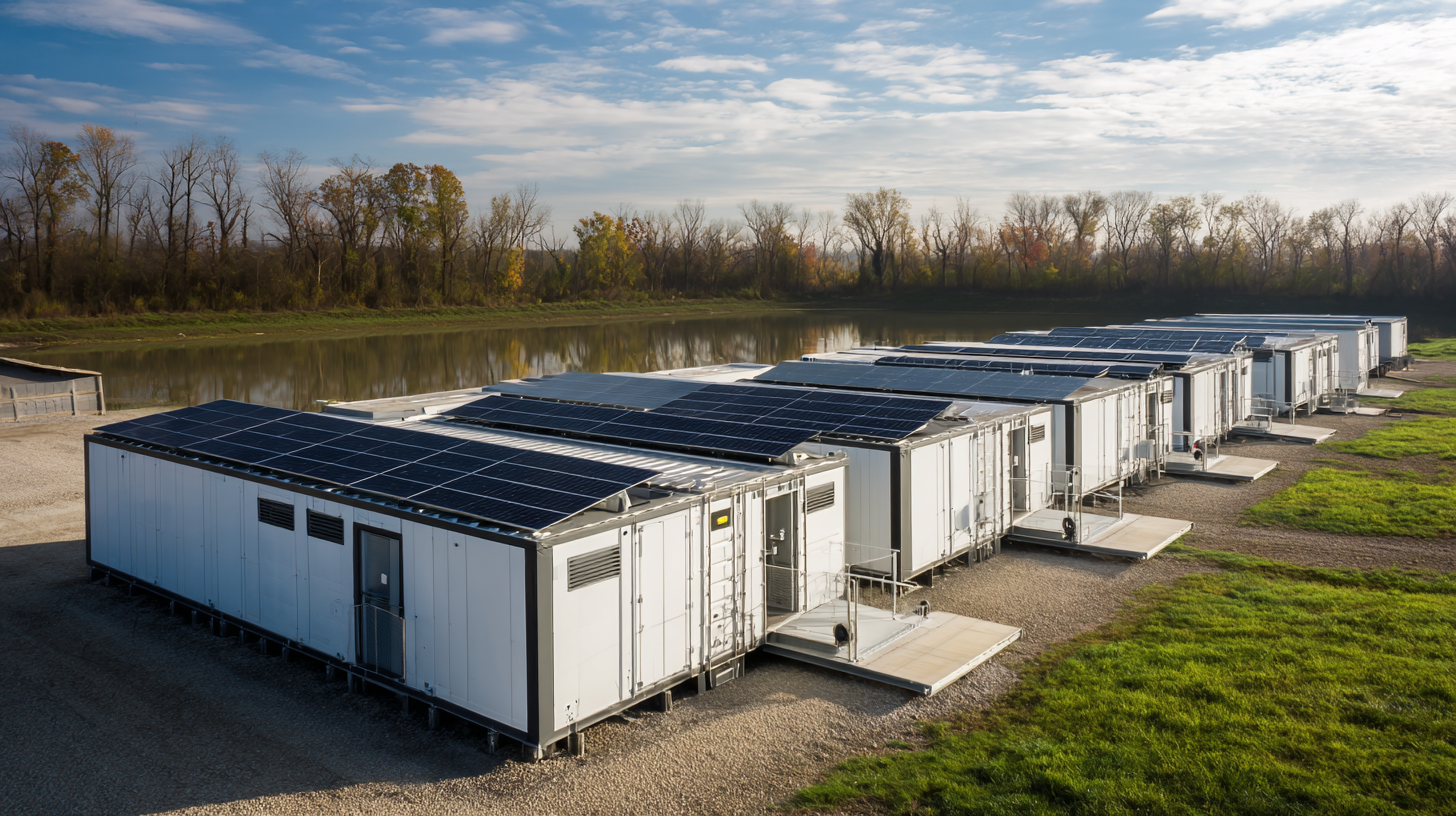
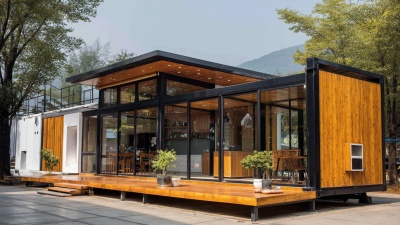
Guangdong Vicdowex Modular Housing Tech is all in on this trend, focusing on standardization, modular design, and broad applicability. They've set up a full-scale platform that covers everything from R&D to production, sales, and even leasing, making it easier to incorporate Insulated Panels into modular housing solutions.
This isn’t just about staying ahead; it’s also a big step toward global energy-saving goals, all while meeting the rising demand for affordable, energy-efficient building options.
Innovative Insulated Panels: Revolutionizing Energy Efficiency in Construction
Hey, have you heard about these new insulated panels? They're really shaking things up when it comes to energy efficiency in building stuff. Not only do they keep heat in or out way better than older materials, but they also help cut down on energy bills — sometimes by as much as 50%, according to the folks at the U.S. Department of Energy. Pretty amazing, right? The secret sauce is that they reduce those sneaky thermal bridges and air leaks that usually make buildings waste energy. It’s a game-changer for making our buildings more sustainable.
And honestly, more builders are jumping on this bandwagon because it just lines up with the whole green movement. The International Energy Agency pointed out that around 40% of the world’s energy-related carbon emissions come from buildings. So, by using these cool insulated panels in new constructions or even retrofits, we can really lower that footprint. Plus, they’re super versatile—easy to install and adaptable to different designs—which makes them a win-win for modern construction challenges. All in all, they’re proving to be a really smart choice for building a greener future.
Operational Cost Savings: Analyzing the 50% Reduction Potential from Insulated Panels
You know, when it comes to sustainable construction, using insulated panels is really making a big difference. They’re essentially a game-changer for cutting down operational costs — some studies even suggest we could see energy savings of up to 50%! It’s pretty impressive how much more people are realizing that these advanced materials boost efficiency across various sectors. Take schools, for example — there’s a lot of focus now on analyzing how energy gets used, and smart tech combined with energy-efficient designs can seriously cut down waste. It’s all about making these buildings smarter and more eco-friendly.
Insulated panels are turning into pretty much a must-have when it comes to bringing down energy bills, which is great because it helps tackle both financial pressures and environmental targets at the same time. The whole push for energy efficiency really highlights how important it is to choose materials that do the job now but also contribute to a sustainable future. Recent innovations in building materials are pretty exciting — new tech in manufacturing is boosting how well these panels perform, making them a top choice for projects that want to lower their carbon footprints and operational costs. Since energy efficiency is often called the ‘first fuel’ in the shift toward cleaner energy, these panels really stand out as a smart move for saving money and building greener. Overall, it’s a pretty promising direction for the industry, don’t you think?
Energy Performance Metrics: Evaluating R-Values and Their Impact on Building Efficiency
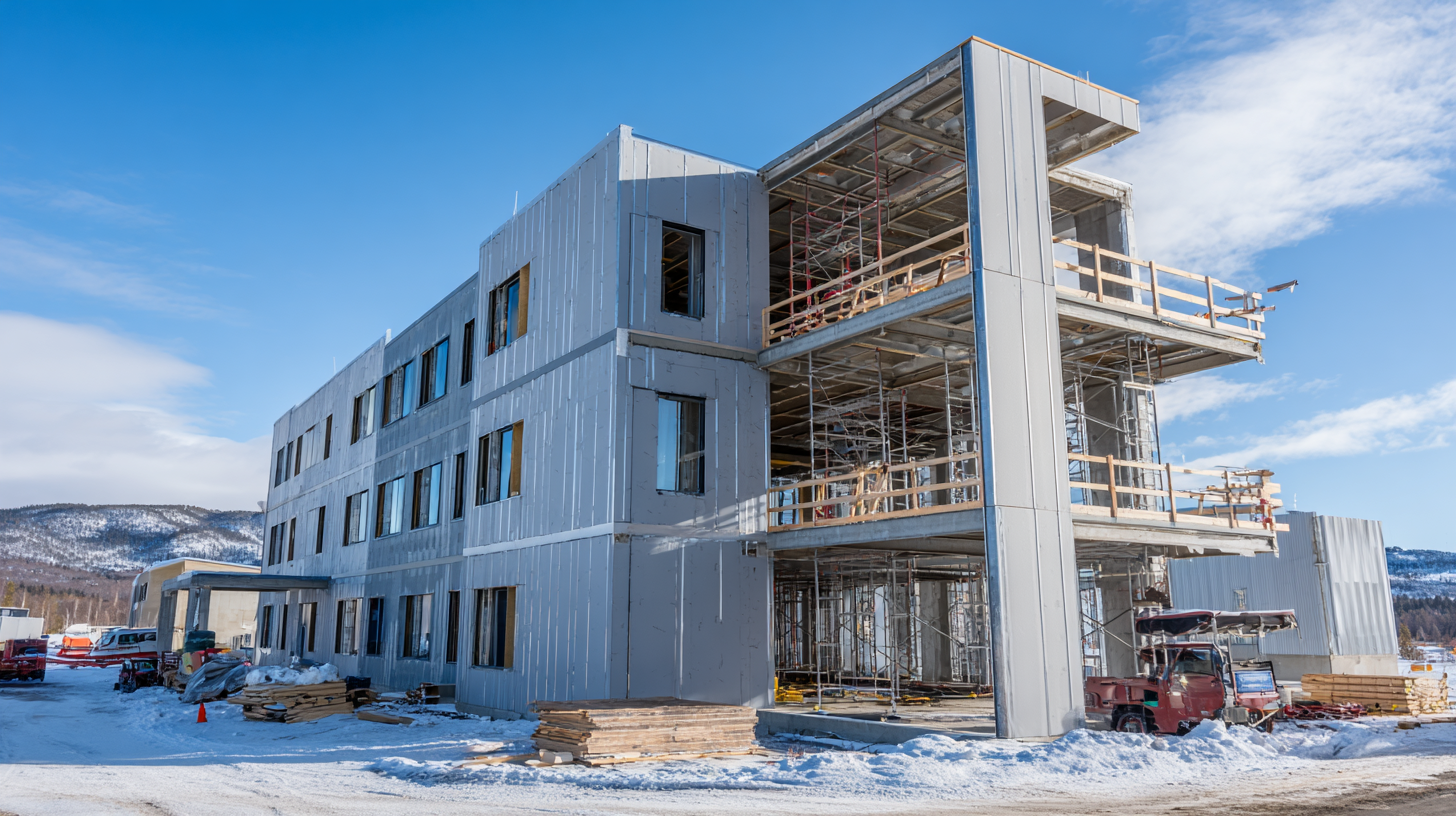
When it comes to how buildings perform energy-wise, a big deal is the thermal resistance of their insulation materials—aka the R-values. Basically, the higher the R-value, the better the insulation, which means the building stays warmer in the winter and cooler in the summer without wasting tons of energy. Insulated panels are really popping up in sustainable construction because they tend to have impressively high R-values. Using panels with R-values over 30 can slash heating and cooling costs by up to half compared to older, more traditional building methods—not too shabby, right?
But R-values aren’t just about saving money—they also matter a lot for overall comfort and how long the building lasts. Especially now, when everyone’s talking about net-zero energy buildings, high-performance insulated panels are a game changer. They help architects and builders keep temperatures just right inside, cutting down on energy leaks through walls and roofs. That means lower utility bills for folks living or working there, and it’s also a step toward more eco-friendly construction. Less fossil fuel use, smaller carbon footprints—you name it. All in all, paying attention to R-values and incorporating these innovative panels is pretty much essential if we want to make modern buildings more energy-efficient and sustainable.
Sustainable Material Selection: Assessing the Environmental Benefits of Insulated Panels
Choosing sustainable materials really matters in today’s construction world, especially since everyone’s more focused on lowering their carbon footprints. Take insulated panels, for example — made from high-tech composite materials, they bring a lot of environmental perks. They’re super effective at keeping heat in or out, which means buildings don’t have to work as hard for heating or cooling. That not only saves on energy bills but also kind of helps cut down greenhouse gases from power plants.
Pretty cool, right?
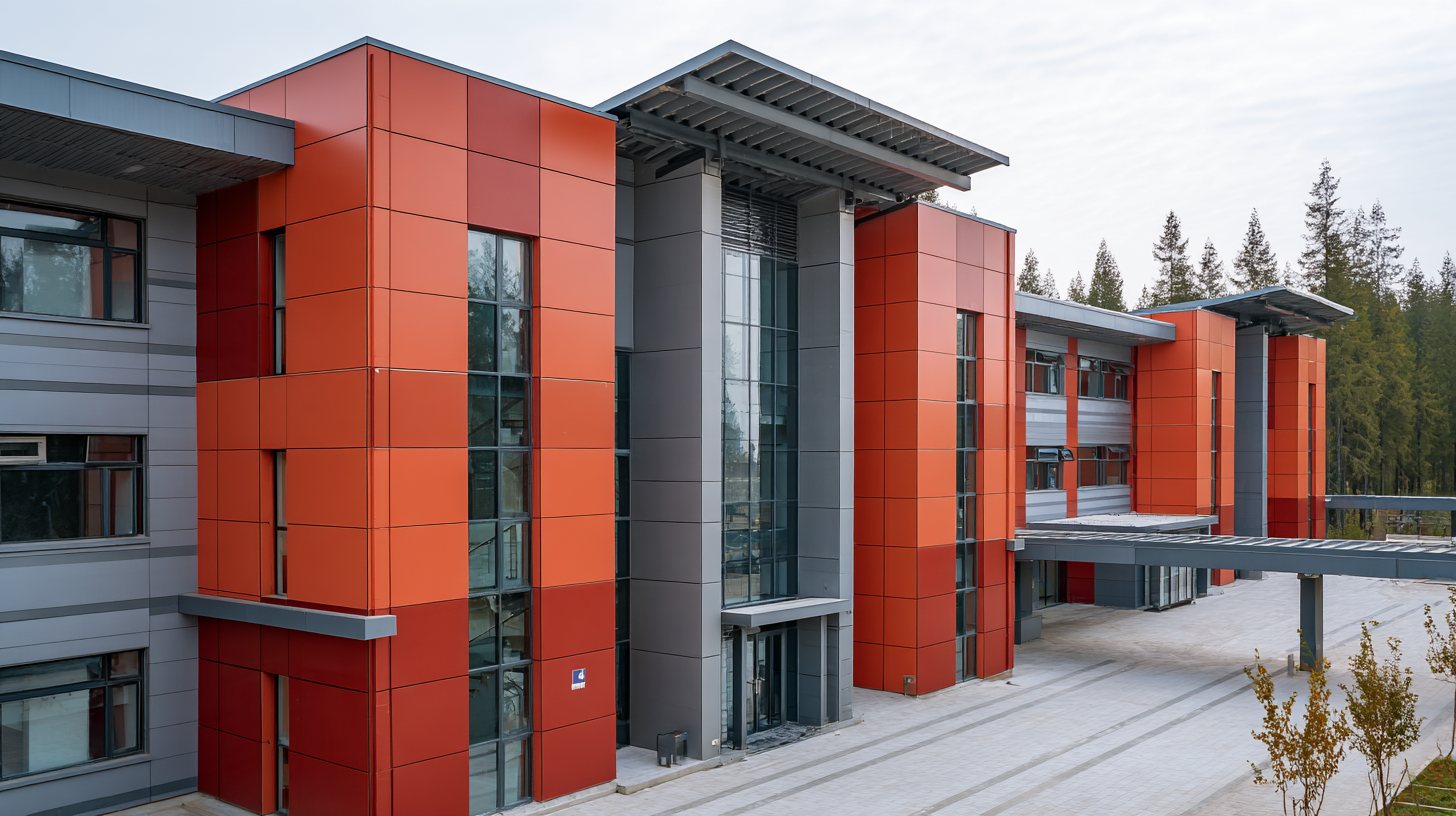
Plus, these panels aren’t just eco-friendly; they also help buildings last longer and stay in good shape. Since they boost the overall lifespan of a structure, you don’t need to do as many repairs or updates, which saves resources over time.
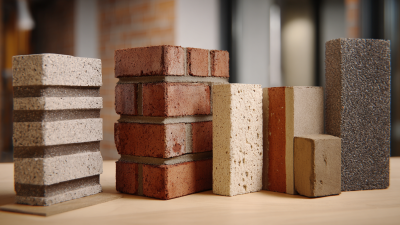
A lot of these panels are made with recycled stuff, so they’re aligned with green building practices. By going with these innovative choices, builders can really make a difference for the planet while still creating durable, cost-effective buildings that stand the test of time. It’s all about being smarter with resources and showing some real ecological responsibility, I’d say.
Case Studies: Successful Implementation of Insulated Panels in Green Building Projects
Insulated panels have really become a game-changer in green building projects, proving just how much they can cut down on energy use and costs. If you look at some real-world examples, it’s clear how much these panels boost energy efficiency while also supporting more sustainable building practices. For example, in a residential setup in California, they used insulated panels to build a super-tight building envelope. That meant less heat escaping in winter and less cooling needed in summer, leading to a whopping 50% drop in energy bills—pretty incredible, right?
On the commercial side, there’s this cool office building in Toronto that used insulated panels to meet really tough LEED standards. Besides giving excellent thermal insulation, the panels also helped cut down waste during construction because they’re prefabricated. The whole project showed how effective insulated panels can be in hitting sustainability goals while still looking great from a design perspective. As more architects and construction folks start noticing these benefits, it seems like insulated panels are going to play an even bigger role in pushing energy efficiency and lowering costs in sustainable architecture.
Innovative Uses of Insulated Panels in Sustainable Construction Reducing Energy Costs by 50 Percent
| Project Location |
Type of Insulated Panel |
Application in Construction |
Energy Cost Reduction (%) |
Sustainability Features |
| California, USA |
EPS (Expanded Polystyrene) |
Exterior wall panels |
50 |
Improved thermal insulation, Recycled materials |
| Berlin, Germany |
XPS (Extruded Polystyrene) |
Roof insulation |
48 |
Water-resistant, Lightweight design |
| Toronto, Canada |
Honeycomb Panels |
Partition walls |
52 |
High strength-to-weight ratio, Soundproofing |
| Sydney, Australia |
PU (Polyurethane) |
Cold storage facilities |
51 |
High thermal efficiency, Durable |
| Tokyo, Japan |
Fiberglass Reinforced Panels |
Commercial buildings |
49 |
Fire-resistant, Lightweight |
Future Trends: The Role of Insulated Panels in Achieving Net-Zero Energy Buildings
Insulated panels are really gaining popularity as a key part of designing buildings that aim for net-zero energy. They do a great job at improving thermal performance and cutting down on energy use, which can seriously lower those ongoing heating and cooling bills. As architects and builders get more excited about innovative designs, these panels offer flexible solutions that make energy management a lot more efficient. Plus, being lightweight and easy to install means construction times can be shortened, which is a huge plus for sustainable projects.
On top of that, the latest advancements in materials and tech are pushing the boundaries even further. Some manufacturers now develop panels that not only insulate but also incorporate renewable energy features—think embedded solar panels. This kind of multifunctionality helps buildings produce their own energy and rely less on outside sources. As regulations get tougher and there's more focus on protecting the environment, I think insulated panels are just going to play an even bigger role in helping us reach those net-zero goals. They’re definitely a step toward a more sustainable future in construction.
Harnessing Solar Energy: A Comprehensive Analysis of PVR1000 Photovoltaic Insulated Composite Panels in Renewable Energy Reports
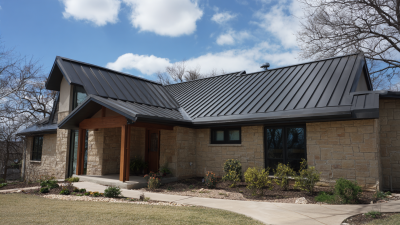
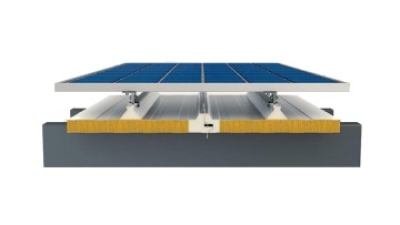
Harnessing solar energy has become a focal point in renewable energy discussions, and the PVR1000 Photovoltaic Insulated Composite Panels offer a robust solution for integrating solar technology into building structures. Utilizing a seamer or seam locker machine, the PVR1000 Roofing System allows for the seamless connection of metal roof panels along their edges, forming a durable roofing structure that emphasizes strength and efficiency. This innovative approach not only enhances the structural integrity of the roof but also creates an optimal surface for solar installations.
The design of the PVR1000 system incorporates special non-penetrating conversion fixtures, ensuring that the installation of solar photovoltaic systems is carried out without compromising the roof's integrity or waterproofing. This feature is particularly beneficial in extreme weather conditions, as it allows for the addition of essential components such as snow guards or hurricane protection devices without jeopardizing the overall performance of the roofing system. By prioritizing both functionality and adaptability, the PVR1000 panels exemplify the convergence of advanced engineering and renewable energy solutions, paving the way for a more sustainable future in building practices.
FAQS
: Insulated panels are advanced materials used in building projects that provide superior thermal insulation, significantly reducing energy consumption and operational costs. They play a crucial role in sustainable construction by helping achieve energy efficiency and reducing carbon footprints.
Studies indicate that the integration of insulated panels can lead to potential energy savings of up to 50%, significantly lowering operational costs in various sectors.
Insulated panels are being recognized in multiple sectors, especially in educational buildings and residential and commercial projects, where energy consumption patterns are actively analyzed for efficiency improvements.
Yes, one example is a residential project in California, where insulated panels achieved a 50% reduction in energy bills by creating a tight building envelope. Another is a commercial office building in Toronto that used insulated panels to meet LEED certification standards while minimizing construction waste.
Insulated panels enhance energy efficiency by providing better thermal insulation, which reduces energy waste. Their prefabricated nature also minimizes construction waste, making them a sustainable choice for building projects.
The incorporation of smart technology alongside insulated panels helps optimize energy usage, further diminishing energy waste and enhancing overall building efficiency.
Yes, insulated panels offer aesthetically pleasing finishes while providing superior energy-efficient performance, making them a viable option for architects focused on both sustainability and design.
Insulated panels address economic pressures by significantly reducing operational costs, while also contributing to environmental goals through improved energy efficiency and reduced carbon emissions in construction.
Energy efficiency is considered the "first fuel" in clean energy transitions, and the use of insulated panels is a critical strategy for achieving substantial cost savings and promoting eco-friendly construction practices.
Conclusion
So, I came across this article titled "Innovative Uses of Insulated Panels in Sustainable Construction Reducing Energy Costs by 50 Percent," and honestly, it’s pretty eye-opening. It dives into how these insulated panels are really changing the game when it comes to cutting down energy bills in construction. Basically, the article shows that by using these panels, you could be saving up to half of your energy costs — that's a huge deal! It also takes a closer look at things like R-Values, which are super important for measuring insulation performance, and stresses just how crucial it is to pick eco-friendly materials for building projects.
What’s really interesting are the case studies—real-life examples of how insulated panels are being successfully used in green building projects. They highlight the environmental perks too and paint a pretty clear picture of how these panels could help us get to net-zero energy buildings someday. And with companies like Guangdong Vicdowex Modular Housing Technology Co., Ltd., pushing for standardized and modular approaches, adopting insulated panels seems like a smart move toward more sustainable and energy-efficient construction overall.