With more and more folks looking into sustainable ways to live, it’s becoming really clear that exploring new materials for Container Houses is a big deal in the construction world right now. I mean, a report from Grand View Research predicted that the global market for modular construction could hit around 157 billion dollars by 2023. That’s mainly because there’s a big shift toward prefabricated buildings—stuff that’s quicker, easier, and better for the environment.
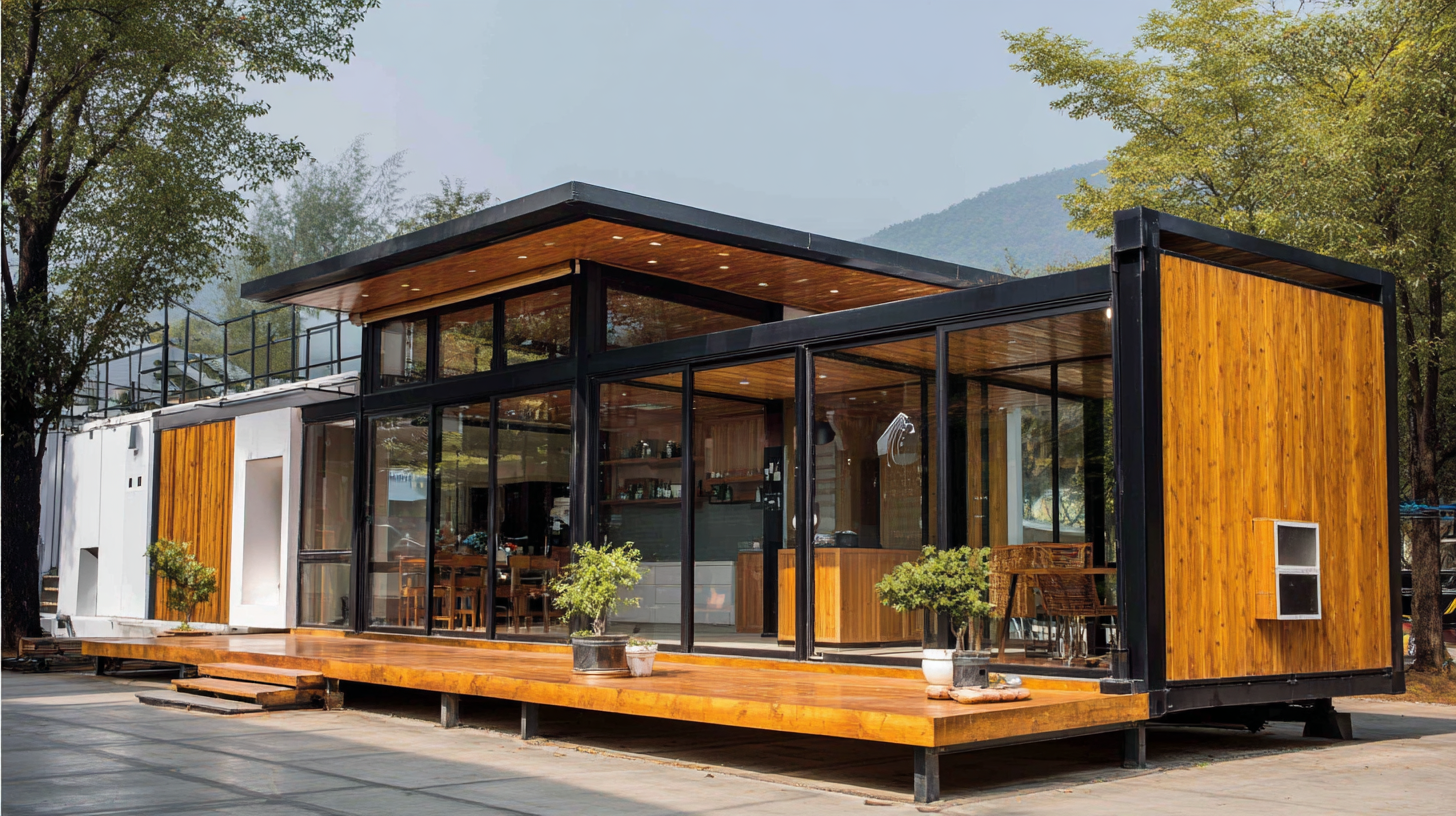 Companies like Guangdong Vicdowex Modular Housing Technology Co., Ltd. are really leading the charge here. They focus on principles like standardization, modular design, and generalization, which helps them offer a pretty solid solution platform for temporary buildings. What’s cool is they combine research, production, sales, and even leasing all in one place, pushing forward with cutting-edge Container House Materials.
These materials don’t just cut down on waste; they’re also cheaper and more eco-friendly compared to old-school building methods. Overall, this kind of innovative approach isn’t just helping us hit global sustainability targets, but it also answers the rising need for flexible, city-friendly living spaces. Pretty exciting times, huh?
Innovative Materials for Container Housing: A Sustainable Approach
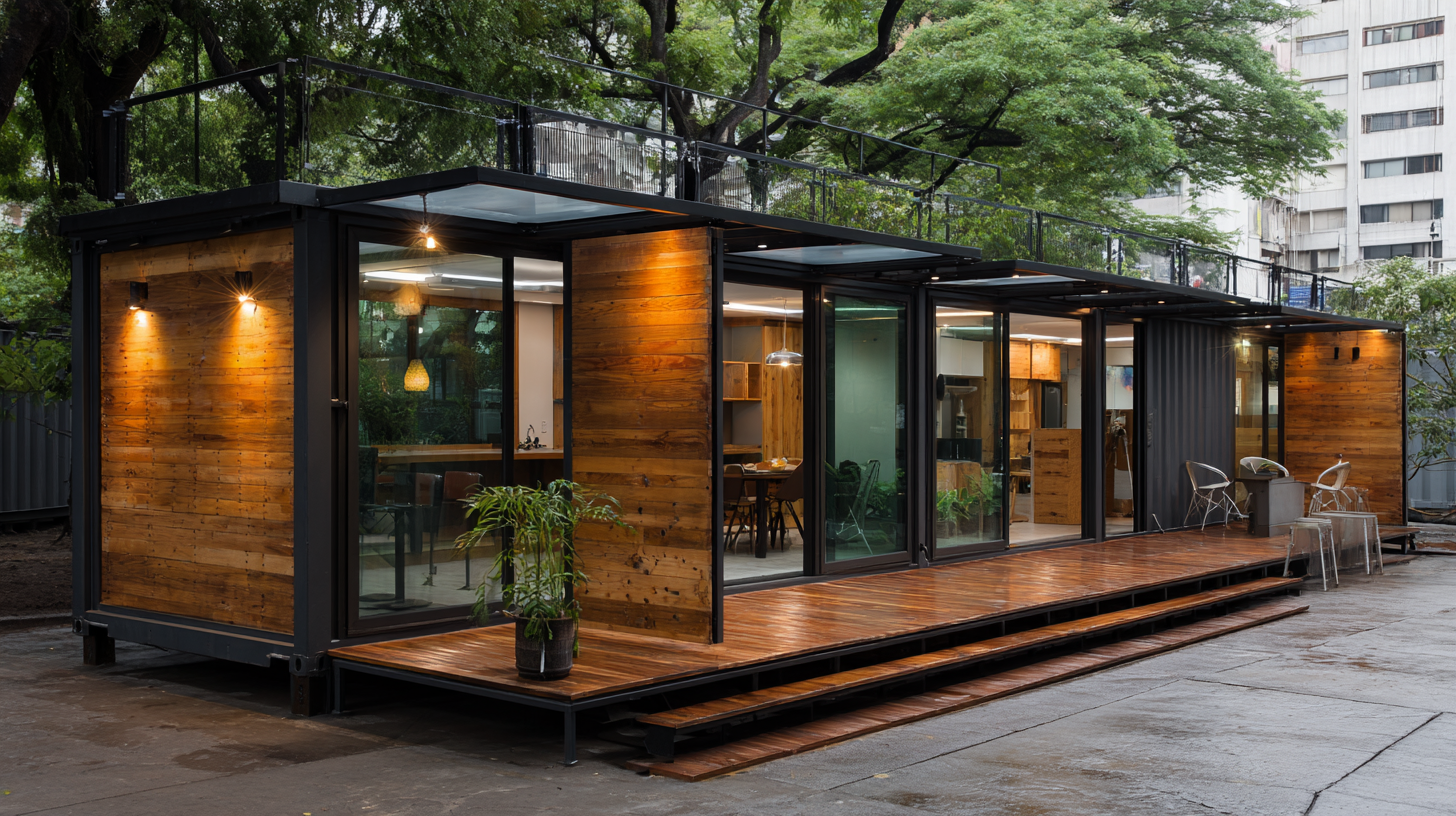
Innovative materials are really leading the way in container housing these days, offering a pretty cool, more eco-friendly way to live. You've probably seen a rise in shipping container homes—they’re kind of making a name for themselves thanks to their sturdiness and those really eye-catching, unique designs. Built from old steel containers, these homes help cut down on waste, and they’re super solid, able to stand up to all kinds of weather challenges. The design ideas behind them focus on being efficient and adaptable, making them perfect for city living or affordable housing projects.
When you’re picking out materials for your container home, a couple of things to keep in mind are insulation and energy efficiency. Stuff like recycled insulation—think cellulose or sheep’s wool—can really boost thermal performance. And don’t forget eco-friendly finishes; they can cut down on nasty chemical emissions and make your home healthier overall. Using innovative materials isn’t just about being green—it actually makes your project more sustainable and fits into that growing mindset of eco-conscious living.
Oh, and a handy tip: consider going with modular designs that let you add on or reconfigure later on. This way, you’re making the most of your space initially, and your home can grow with your needs down the line. As sustainable architecture keeps evolving, container homes are standing out as a super versatile, responsible choice for anyone who wants to cut down their environmental impact while still enjoying all the modern comforts. It’s a pretty exciting time for this kind of building, don’t you think?
The Role of Recycled Materials in Container Home Construction
Lately, it’s pretty clear that using recycled materials in building container homes is becoming more and more important, especially with the growing push for eco-friendly living. I mean, did you know that the construction industry’s responsible for nearly 40% of all global carbon emissions? That’s a huge deal, and it really underscores why we need to switch to greener practices. Container homes, often made from shipping containers that would otherwise be discarded, can really cut down on waste since those containers can be reused multiple times. Not only does using recycled stuff help the environment, but it can also save you some serious cash on building costs—definitely a win for folks watching their budgets.
Plus, using recycled materials is not just about the main structure. For example, the National Association of Home Builders points out that things like reclaimed wood, recycled steel, and eco-friendly insulation can make a big difference. They not only boost energy efficiency but also give the house a cool, unique look. Recent market reports show that homes built with recycled materials can cut energy use by up to 30%, which totally proves that going green doesn’t have to break the bank. As more people get into sustainable architecture, container homes seem like a pretty smart way to tackle environmental issues while still offering affordable, innovative living options. It’s exciting to see how all this is shaping up, right?
Exploring Innovative Materials in Container Home Construction
This bar chart illustrates the percentage composition of various sustainable materials used in the construction of container homes. The focus is on recycled materials, which play a crucial role in promoting eco-friendly living solutions.
Exploring Renewable Energy Solutions for Container Houses
Hey, did you know that the global market for energy storage systems in container homes is actually really booming? It's expected to hit around $14.7 billion next year, and by 2032, experts think it'll skyrocket to roughly $55.1 billion. That’s a massive leap! The growth rate is about 15.2% annually, which shows just how much people are looking for smarter, greener energy solutions for these kinds of homes. As more folks and companies are jumping on the container house bandwagon because they’re flexible and cool, adding renewable energy options has become pretty much a must if we want these homes to be truly efficient and eco-friendly.
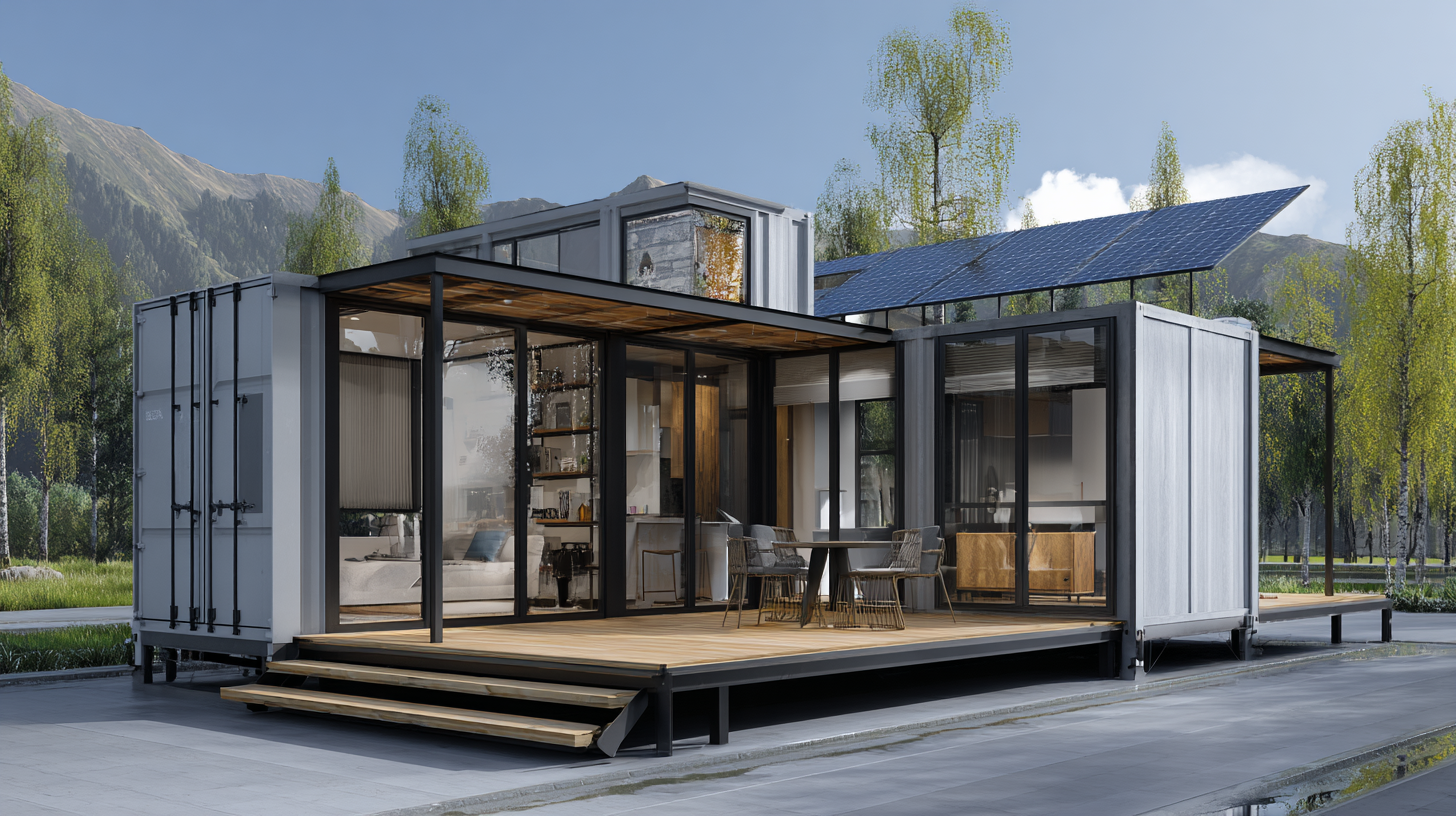
What’s exciting is that new ideas in energy storage, like solar storage paired with super-smart charging tech, are really changing the game. We're seeing companies develop portable and residential energy solutions that make renewable energy easy to incorporate into everyday life. Plus, with the trend toward modular housing—something big players are pushing—these innovations are set to fit right in with future lifestyles. They help us live more sustainably without sacrificing comfort or usefulness.
Looking ahead, as we aim for more energy independence and a greener world, mixing container house designs with the latest storage tech is going to be super important. It’s not just about meeting today’s needs but also about helping us cut back on carbon emissions and build smarter cities. Things are definitely moving in an exciting direction!
Design Strategies for Enhancing Energy Efficiency in Container Homes
Container homes are really gaining popularity these days as a cool and sustainable way to live. And honestly, how you design them makes a huge difference in how energy-efficient they are. One great trick is to use top-notch insulation materials. As the folks over at the U.S. Department of Energy point out, properly insulated homes can slash energy bills by up to 30%. Stuff like spray foam or structural insulated panels — SIPs — can really cut down on thermal bridging, keeping things cozy inside without hogging a lot of energy.
Another smart approach is adding passive solar design elements. Simple things like placing windows thoughtfully and choosing reflective roofing can help these tiny homes soak up natural light and keep indoor temperatures steady — all without running the HVAC constantly. The National Renewable Energy Laboratory (NREL) even says that homes built with passive solar ideas can cut overall energy use by anywhere from 20 to 50%. And don’t forget about renewable energy systems like solar panels — they give a boost to energy efficiency while also making the home more eco-friendly and less dependent on fossil fuels.
Exploring Innovative Container House Materials for Sustainable Living Solutions
| Material |
Description |
Energy Efficiency Rating |
Sustainability Level |
Cost (per sq.ft) |
| Recycled Steel |
Durable and resistant to weather; reduces the carbon footprint. |
A+ |
High |
$7 |
| Insulated Panels |
Provides excellent insulation, reducing heating/cooling costs. |
A |
Medium |
$5 |
| Green Roof Systems |
Improves insulation and supports biodiversity. |
A+ |
Very High |
$10 |
| Bamboo Composites |
Renewable, strong material that helps in carbon capture. |
B+ |
High |
$6 |
| Solar Panels |
Convert sunlight into electricity, reducing energy costs. |
A++ |
Very High |
$15 |
Comparative Analysis of Cost-Effective Container House Materials
Lately, there's been a real buzz about finding more sustainable ways to live, and that’s led to lots of experimenting with different materials for container houses. When you dig into the costs and benefits of these options, it’s pretty interesting—especially how designers are trying to find that sweet spot between keeping things affordable and eco-friendly. One of the crowd favorites is corrugated steel. It’s tough, offers good insulation, and doesn’t break the bank. Plus, it lasts a long time and can be recycled, which makes it a no-brainer for folks who really care about the environment.
On the flip side, materials like bamboo and reclaimed wood are also gaining popularity. They look great and are super eco-friendly. Sure, they might be a bit more costly upfront, but their lower environmental impact and the chance to source locally can save money in the long run. And let’s not forget, reusing shipping containers helps cut down waste and reduces the need for new materials—which is awesome for sustainable building.
All in all, by weighing these different options and understanding what they bring to the table, builders can make smarter choices that match their budget and their green goals. In the end, it’s about creating container homes that are both practical and kind to the planet.
FAQS
: High-performance insulation materials can reduce energy costs by up to 30% and efficiently minimize thermal bridging, maintaining a comfortable indoor environment while lowering energy consumption.
By strategically placing windows and choosing reflective roofing materials, container homes can maximize natural light and regulate indoor temperatures, potentially decreasing overall energy use by 20-50%.
Incorporating renewable energy systems, such as solar panels, supports energy efficiency, contributes to a home's overall sustainability, and reduces reliance on fossil fuels.
Corrugated steel is durable, offers excellent insulation properties, is relatively inexpensive, has a long lifespan, and is recyclable, making it a popular choice for eco-conscious builders.
Bamboo and reclaimed wood are sustainable options that are aesthetically pleasing and environmentally friendly. They have higher initial costs but can offset long-term expenses due to their low environmental impact and potential for local sourcing.
Repurposing shipping containers reduces waste and minimizes the need for new materials, contributing significantly to sustainable building practices.
Effective strategies include using insulation materials, integrating passive solar design principles, and incorporating renewable energy systems to reduce overall energy consumption.
By analyzing the costs and benefits of various materials, such as corrugated steel, bamboo, and reclaimed wood, builders can make informed choices that meet both financial and environmental goals.
The U.S. Department of Energy indicates that properly insulated homes can significantly reduce energy costs, thus underscoring the importance of insulation in container home design.
Buildings designed with passive solar techniques can reduce reliance on heating and cooling systems, resulting in lower energy consumption and increased comfort.
Conclusion
So, I recently came across this article called 'Exploring Innovative Container House Materials for Sustainable Living Solutions,' and honestly, it got me thinking about how these materials could really shake up the way we build eco-friendly homes. The article talks a lot about how using innovative and recycled materials in container homes isn't just good for the planet, but also makes building these houses more practical and affordable. They even dive into how adding renewable energy tech and smart design can boost energy efficiency—that’s pretty cool, right? Plus, they compare different cost-effective materials, showing that this whole container house thing isn’t just eco-friendly but also budget-friendly.
On another note, Guangdong Vicdowex Modular Housing Technology really seems to be on board with all this. Their whole vibe is about 'standardization, modularization, and generalization,' which actually makes a lot of sense when you think about scalable, modern housing solutions. They offer everything—research, manufacturing, sales, leasing—all under one roof, which means they're really pushing the boundaries of how sustainable container homes can be in today’s world.
All in all, it’s exciting to see how these materials and companies are paving the way for a greener, smarter way to live.