In today’s world, where everything’s moving way too fast thanks to technology, keeping environments
super clean is a must—especially in industries like
pharma, biotech, and electronics. You know,
those really sensitive spaces where even tiny contamination can cause big issues. That’s where
cleanroom doors come in—these little guys are
actually pretty crucial in keeping everything sterile and running smoothly.
At Guangdong Vicdowex Modular Housing Technology Co., Ltd., we really
believe in keeping things simple yet effective through
standardization,
modular design, and versatility.
We offer a full range of solutions for temporary constructions, covering
everything from research and development, production, sales, to leasing. Our goal? Providing
top-notch cleanroom systems, including
state-of-the-art doors, that make sure your sterile spaces stay just that—sterile.
We know how important these components are, and by focusing on them, we help boost not only the quality and
reliability of your clean environments but also support your overall success in the long run.
The Role of Cleanroom Doors in Upholding Strict Sterility Standards
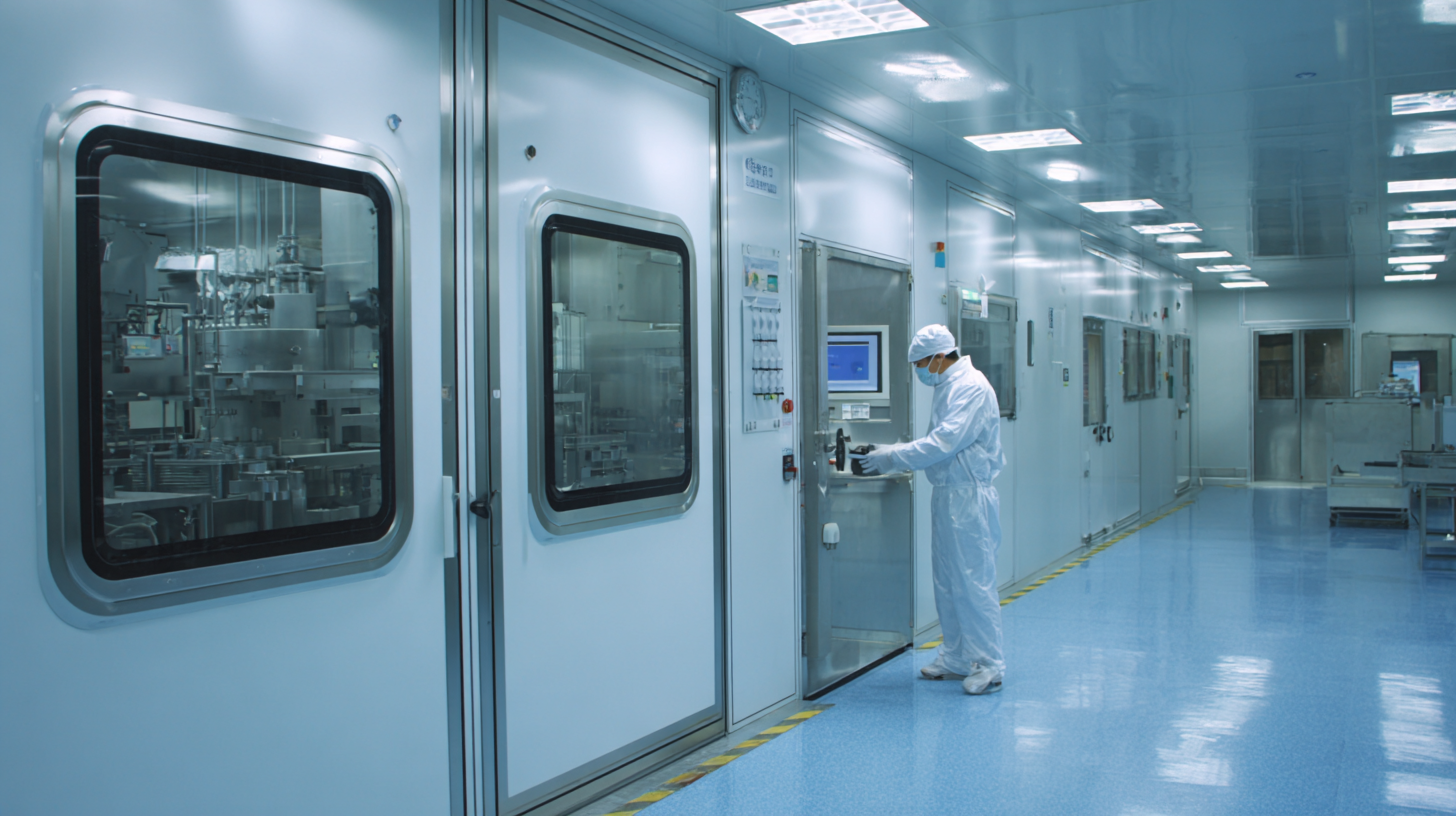
Cleanroom doors might not be something we think about every day, but they actually play a super critical role in keeping those super sterile environments intact—think labs for pharma, biotech, or even electronics manufacturing. These doors are specially designed to keep out contaminants, all while still making it easy for people and equipment to get in and out. They’re usually made from smooth, non-porous materials that don’t trap dust and are easy to wipe clean—that’s such a big deal when you're working under tight sterility standards. Plus, the seals on these doors are pretty sophisticated, preventing air leaks that could mess up the controlled environment — which is crucial when even tiny amounts of contamination could cause big problems.
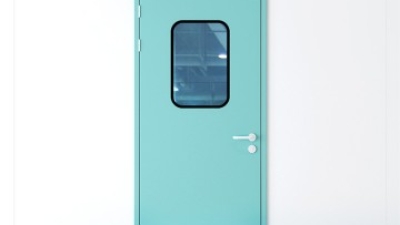
On top of that, their design isn’t just about looking good — it’s tailored to fit specific cleanroom classifications. Features like interlocking systems, automatic closures, and clear viewing panels aren’t just fancy extras; they actually boost safety and make operations smoother. By carefully controlling who and what gets in and out, these doors act like a solid barrier against potential contaminants, all while allowing necessary movement within these sterile spaces. It’s all about striking that balance—keeping things ultra-clean without slowing down the work—and honestly, that’s what keeps everything running safely and efficiently, especially when even the tiniest contamination could throw a wrench in the works.
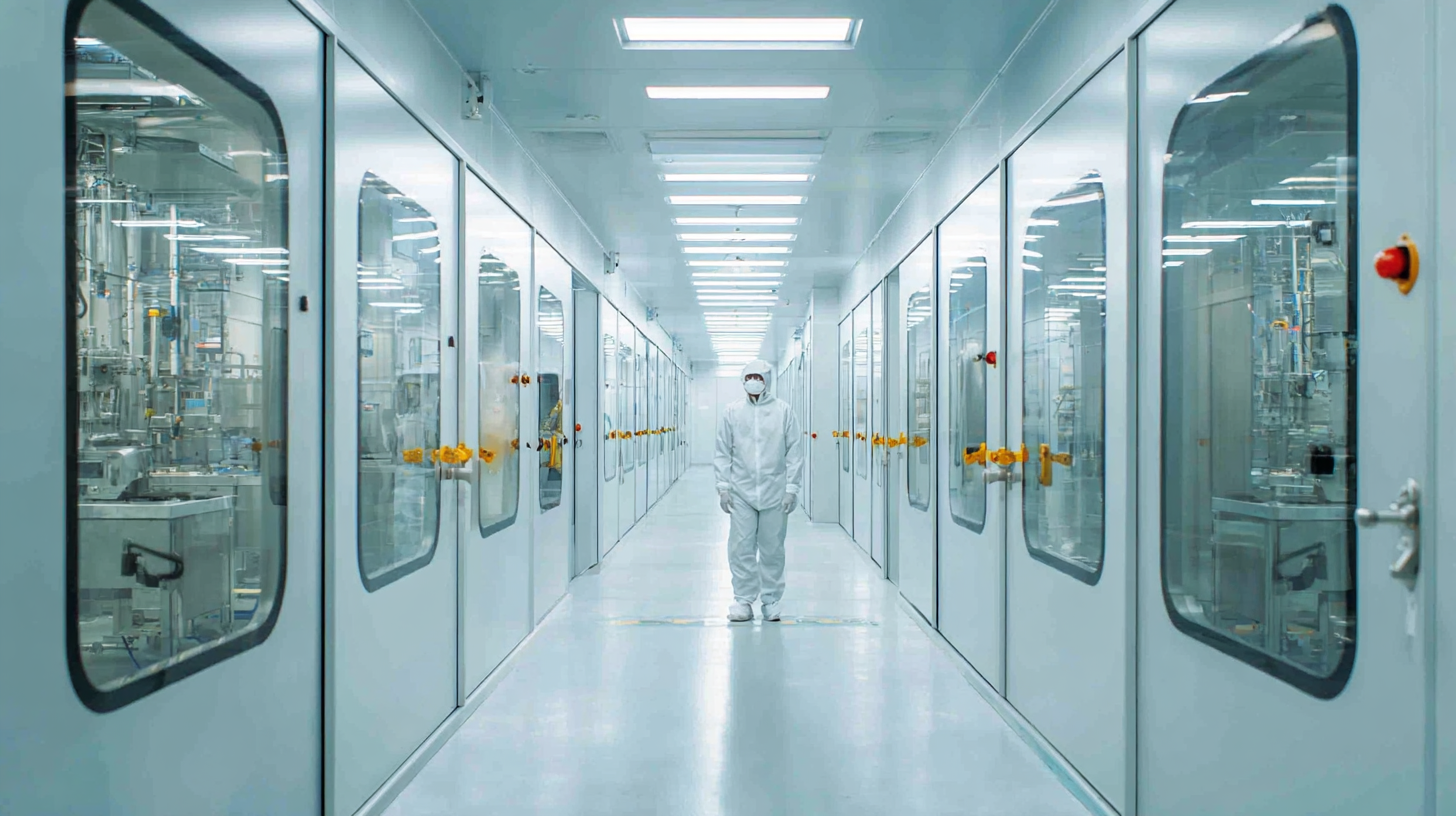
Key Features of Cleanroom Doors: Material, Design, and Functionality
Cleanroom doors are pretty important when it comes to keeping things sterile in a bunch of different industries—think pharmaceuticals, biotech, and electronics manufacturing. The materials you choose for these doors really matter; they need to resist contamination, sure, but also be easy to clean. According to a report from the International Society for Pharmaceutical Engineering (ISPE), non-porous stuff like stainless steel and high-density polyethylene (HDPE) are the favorites because they’re tough and low-maintenance. This is super important because these materials help prevent dust and tiny particles from building up—crucial for meeting those strict cleanliness standards.
And then there’s the design of the doors themselves. It’s not just about looks — features like airtight seals and smooth surfaces are key. They help keep airflow steady and make environmental control much easier. Actually, there was a study in the Journal of Controlled Release showing that poorly designed doors can boost contaminant levels inside by around 30%. Plus, automatic doors with sensors are a big plus—they make access a lot more convenient while also helping to keep air pressure just right. This kind of tech is part of the bigger move toward smarter cleanroom solutions, which are expected to grow at around 15% annually through 2025. Basically, everyone’s looking for ways to be more efficient and stay compliant with health regs — and these innovations are a big step in that direction.
Importance of Cleanroom Doors in Maintaining Sterile Environments
This bar chart illustrates the significance of various features of cleanroom doors in maintaining a sterile environment. It highlights material, design, and functionality as key components affecting cleanliness and contamination control.
Assessing Cleanroom Door Standards: Compliance with ISO 14644-1 Guidelines
When it comes to keeping environments sterile, cleanroom doors play a pretty big role in making sure everything lines up with ISO 14644-1 standards. These guidelines are really important because they help ensure cleanrooms are properly designed, tested, and certified — from ISO Class 1, which allows the tiniest number of particles, all the way to ISO Class 9. The condition of these doors directly affects how sterile and high-quality biotech and pharma products are, especially now with newer therapies like mRNA and gene or cell therapies, which bring their own sterility challenges.
Lately, it seems like continuous monitoring of non-viable particles (NVP) is becoming pretty much essential for maintaining these clean, germ-free spaces. When set up right, NVP systems give real-time readings of particle levels, so facilities can quickly spot and fix any potential breaches. Plus, modular cleanroom setups are gaining popularity in biotech circles, mainly because they make planning, costing, and executing projects more predictable. As compliance standards get tougher, the importance of solid cleanroom doors—those that support ongoing monitoring and help keep conditions sterile—has never been more critical. This is especially true as companies deal with the complicated new tech and stricter regulations out there.
Discover the Importance of Cleanroom Doors in Maintaining Sterile Environments
| Feature |
Standard Compliance |
Material Used |
Benefits |
| Air-tight Seals |
ISO 14644-1 |
Aluminum |
Prevents contamination from outside air |
| Cleanability |
ISO 14644-1 |
Stainless Steel |
Easy to sanitize and maintain |
| Particle Retention |
ISO 14644-1 |
Polycarbonate |
Minimizes particle contamination |
| Operational Efficiency |
ISO 14644-1 |
Fiberglass |
Reduces energy costs and door wear |
| Shock Resistance |
ISO 14644-1 |
Steel |
Ensures durability in high-traffic areas |
Impact of Cleanroom Doors on Contamination Control and Risk Mitigation
Cleanroom doors are more than just a barrier; they’re really crucial when it comes to keeping sterile environments — especially in industries where even tiny particles can cause big problems. These doors are specially designed to block airborne particles and microbes from sneaking in, helping to keep the cleanroom conditions just right. Think of them as the frontline defense, reducing the risks of contamination and protecting sensitive stuff like pharmaceuticals, electronics, or food products. They often feature advanced materials and sealing tech to give that extra layer of protection, so the environment stays tightly controlled.
At Guangdong Vicdowex Modular Housing Technology Co., Ltd., we totally get how vital a solid cleanroom setup is for maintaining sterile processes. Our focus on standardization, modular design, and versatility means we can craft solutions that truly fit your specific needs. By blending R&D with production, sales, and leasing, we’re able to make sure our cleanroom doors meet strict contamination standards while still being flexible and efficient to work with. It’s all about providing a comprehensive, safety-first approach that boosts compliance across various industries and underscores the importance of well-thought-out cleanroom systems.
Best Practices for Maintaining and Inspecting Cleanroom Doors in Pharmaceutical Facilities
Keeping an eye on cleanroom doors in pharma settings is super important if you want to maintain a sterile space. Really, it’s a good idea to check them regularly—like, set up routine inspections—to catch any signs of wear or damage early on. Pay close attention to the seals and gaskets because those are key for keeping the environment tightly controlled. If there's any gap or if they start to break down, it can mess with the whole cleanroom's integrity. Using a checklist can help make sure you don’t forget anything—things like how well the door opens and closes, if it’s clean, and whether the seals are still intact—it’s all about staying compliant with industry standards.
But inspections are just part of the story. You also need to do regular maintenance to keep your doors in good shape over the long haul. That might mean cleaning them with disinfectants that are safe and effective, and also lubricating hinges and moving parts so everything opens smoothly—no squeaky doors or weird jams. Limiting how often doors are used by implementing solid access control policies is also a smart move—less door usage generally means less chance for contamination. If you stay on top of these practices, your cleanroom operations will be way more reliable and effective. Trust me, it’s all about routine and attention to detail!
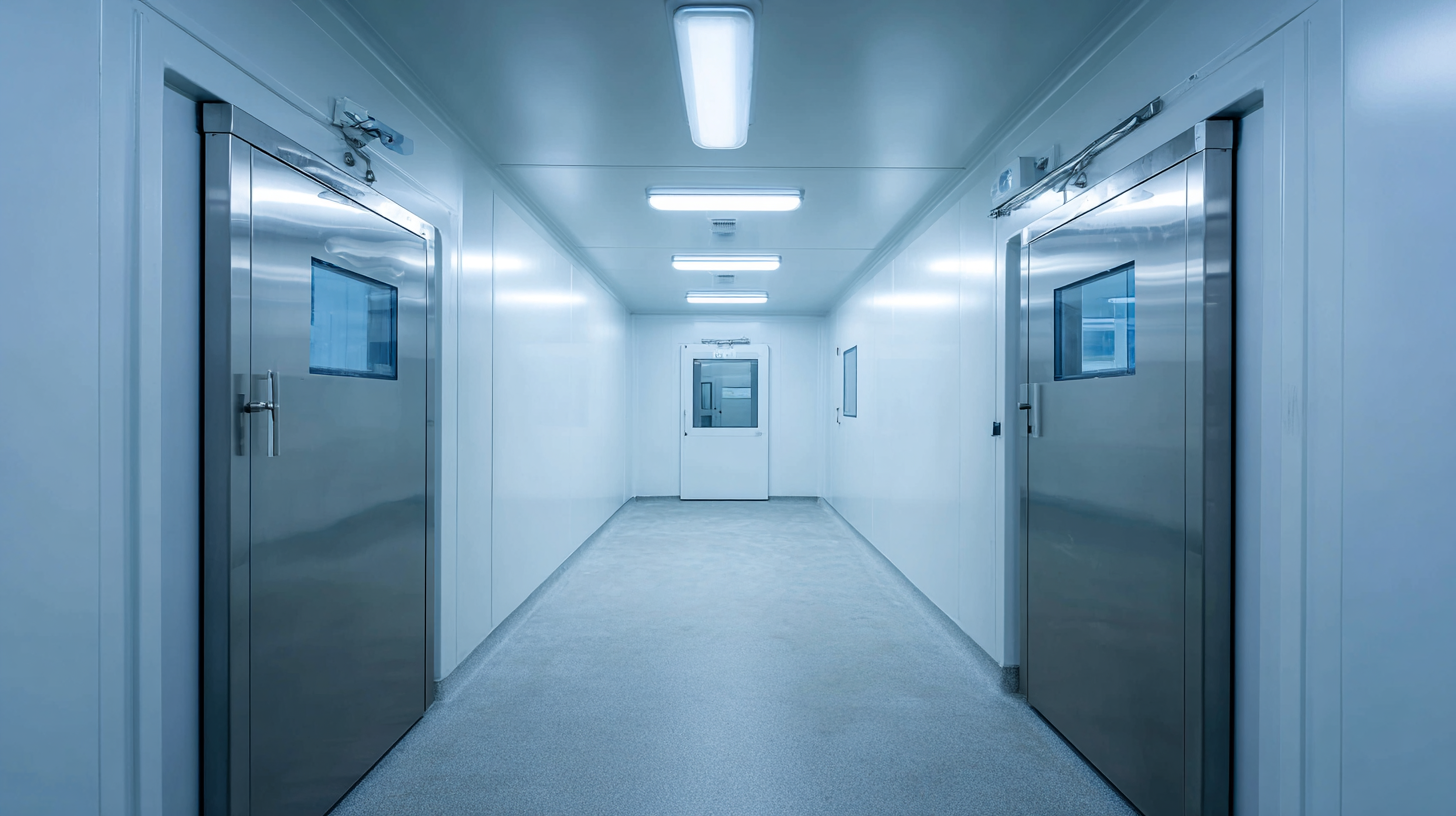
Emerging Technologies in Cleanroom Door Design for Enhanced Sterility and Efficiency
In the world of cleanroom environments, let’s be honest — the door isn’t just a simple entrance. It’s actually a critical piece of the puzzle when it comes to keeping things sterile and avoiding any contamination. Lately, there’s this wave of new tech changing how these doors work. It’s pretty exciting, really—you’ve got materials like antimicrobial coatings and ESD-safe options that are gaining traction because they really help cut down on contamination risks. Plus, more places are installing automated doors with sensors, which means less human touch and a better shot at keeping things spotless.
When you're picking out cleanroom doors, it’s worth thinking about those that include airlocks or pass-throughs — they make life easier and help keep your environment in check. Also, make sure the material you choose can handle the cleaning agents you use; otherwise, the doors might not last as long as you'd like.
And here’s a cool thing—smart tech like IoT is making its way into these doors. Being able to monitor their performance in real-time means maintenance can happen before anything actually goes wrong, which is a pretty huge deal for reliability. As industries keep evolving, investing in the latest and greatest cleanroom door tech isn’t just a trend—it’s pretty much essential for staying compliant and protecting those sensitive processes you’re working so hard to safeguard.
Emerging Trends in Cleanroom Door Solutions: Insights from Industry Reports on Efficiency and Contamination Control
In the evolving landscape of cleanroom design, door solutions play a crucial role in enhancing operational efficiency and contamination control. Recent industry reports highlight a significant shift toward customized cleanroom door options that prioritize both functionality and aesthetics. Among these innovations, doors suitable for clean areas and smaller openings, such as dirt doors and auxiliary rooms, demonstrate the industry's commitment to maintaining stringent cleanliness standards. With an overall operation that is light, quiet, and elegant, these door systems are designed to seamlessly integrate into the cleanroom environment while minimizing airflow disruption.
The specification parameters of these advanced cleanroom door solutions reflect their robust construction and adaptability. With a door frame steel plate thickness of 1.2mm and fan plate options of 0.8/1.0mm, combined with a 50mm thickness for the door fan, these doors are engineered for durability. The internal filling of high-strength honeycomb materials fosters both strength and thermal performance, crucial for maintaining controlled environments. Additionally, various surface materials such as steel plate, stainless steel, and melamine resin allow designers to tailor the doors to meet specific client needs, making them versatile for any cleanroom configuration.
Notably, the incorporation of optional accessories—such as windows, door closers, interlocks, and antibacterial handles—further enhances the functionality of cleanroom doors. According to recent market insights, the use of advanced sealing strips and edging options has been shown to improve cleanliness performance significantly, addressing contamination risks effectively. The flexibility in door designs, accommodating single, mother-and-child, or double-door configurations with a maximum size of up to 2500x2500mm, illustrates the industry's proactive approach in optimizing cleanroom environments for various applications, ultimately contributing to improved operational outcomes and regulatory compliance.
FAQS
: Cleanroom doors are primarily used in industries such as pharmaceuticals, biotechnology, and electronics manufacturing.
Preferred materials for cleanroom doors include non-porous options like stainless steel and high-density polyethylene (HDPE), due to their durability and low maintenance.
The design of cleanroom doors is important because features such as airtight seals and smooth surfaces minimize airflow disturbances, which helps maintain environmental control and cleanliness.
Cleanroom doors help maintain sterility standards by minimizing the entry of contaminants and ensuring easy access for personnel and equipment, while also sealing properly to prevent air leakage.
Modern cleanroom doors may include features such as interlocking systems, automatic closures, and transparent viewing panels to enhance safety and operational efficiency.
Automatic doors equipped with sensor technology enhance accessibility and help maintain air pressure differentials effectively, supporting the overall contamination control strategy.
Improperly designed cleanroom doors can lead to a 30% increase in contaminant levels within a controlled space, highlighting the importance of proper design.
There is a global push for smart cleanroom technologies, projected to grow at a CAGR of 15% through 2025, as organizations aim to improve operational efficiency and comply with health regulations.
Cleanroom doors act as barriers against potential contaminants while allowing for the necessary routine movement of people and materials in sterile facilities.
Cleanroom doors provide a reliable environment for research and production, where even slight contamination could have significant consequences, thus upholding high sterility standards.
Conclusion
Cleanroom doors are truly essential when it comes to keeping sterile environments, especially in places like pharmaceutical labs. They're not just普通doors—they're built with strict standards in mind to stop cross-contamination and ensure everything meets ISO 14644-1 guidelines. These doors do more than just let people in and out; they play a critical role in controlling contamination and reducing risks, which helps protect the integrity of really sensitive processes.
On top of that, taking good care of and regularly inspecting these doors is super important to keep them working well over time. Thanks to tech advancements, we're seeing some pretty cool innovations in cleanroom door design that boost both sterility and efficiency. At Guangdong Vicdowex Modular Housing Technology Co., Ltd., we totally understand how vital these doors are—part of our holistic approach to temporary construction solutions. We focus on standardization and modular design to meet the tough standards needed for sterile environments.