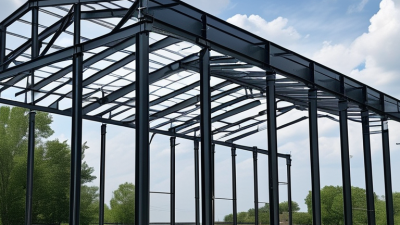
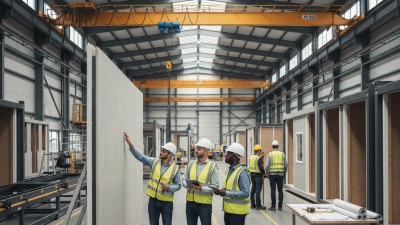
Picking the right steel building materials is a pretty big deal if you want your project to stand the test of time and run smoothly. I mean, as John Anderson from Steel Innovations points out, 'Using the right materials can really make a difference when it comes to both cost and how long your structure lasts.' It’s true—steel materials are at the heart of construction, and choosing the good stuff can really boost the overall strength of what you’re building. But here’s the catch: not all steel is the same. You’ve gotta think about things like resistance to rust, tensile strength, and how it handles heat. Going through trusted suppliers and making sure of quality is super important if you want things to turn out well.
Take your time to weigh your options before settling on materials. Sometimes, cheap alternatives might save you a buck upfront, but could cause headaches down the line. Doing your homework and chatting with experts can save you from expensive mistakes later. So, do your research on suppliers and their offerings—trust me, a little extra effort now pays off big time later on.
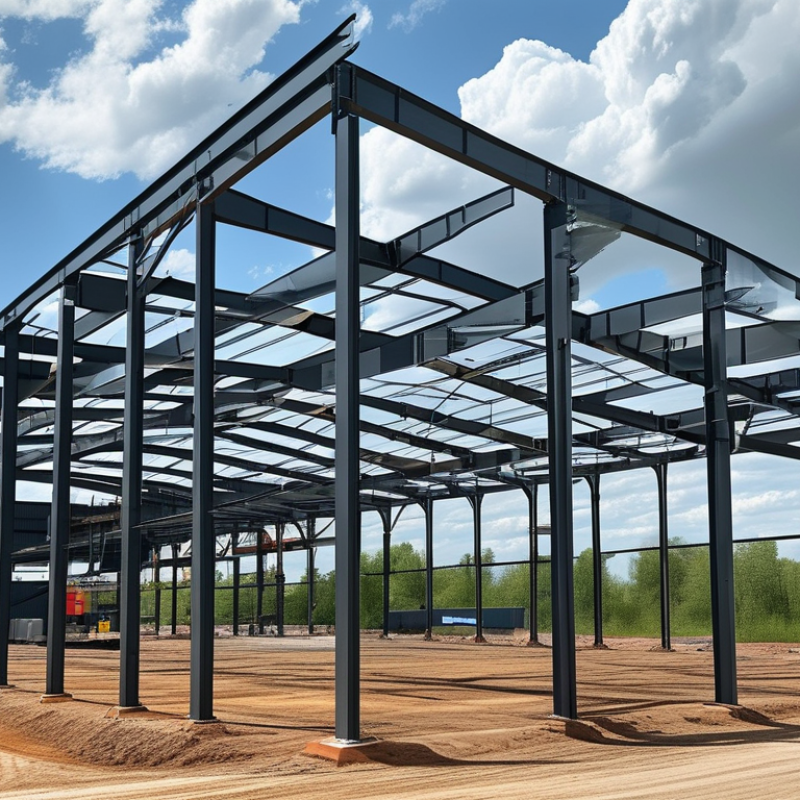
Understanding the Basics of Steel Building Materials
Understanding the basics of steel building materials is essential for making informed choices. Steel is a versatile material widely used in construction due to its strength and durability. It is crucial to know the different types of steel available, such as carbon steel and stainless steel. Each type has its specific properties and applications, which can affect the overall integrity of a building project.
When selecting steel materials, consider their resistance to corrosion and environmental factors. For instance, some steels are treated to withstand moisture, while others may rust in humid conditions. Also, the thickness of the steel can impact its load-bearing capacity. Ensure that you have the right specifications based on your project's needs. Often, people overlook the importance of local building codes. These regulations can dictate the type of materials you can use and may require certain certifications.
Another aspect to reflect on is the sourcing of steel. Not all suppliers offer the same quality. It's wise to investigate the reliability of your material sources. Visiting the supplier's facility can provide insights into their production standards and quality control processes. People sometimes rush through this step, leading to poor material choices. Taking the time to vet suppliers can save both time and money in the long run.
Types of Steel Used in Construction: An Overview
When selecting steel for construction, various types play a critical role. Structural steel is key for its strength and versatility. This category includes beams, columns, and trusses. Each element supports immense loads and withstands significant stress. Various grades exist, offering different tensile strengths and corrosion resistance.
Mild steel is another popular choice for its ease of fabrication. It contains small amounts of carbon. This makes it ductile and malleable. However, it might not be suitable for all environments. Its lower resistance to corrosion could be a concern in harsh weather.
Stainless steel, known for its strong resistance to corrosion, is ideal for specific applications. Its durability makes it perfect for coastal areas. Yet, it is often more expensive than other types. Each type of steel has unique properties. Choosing the wrong type can lead to structural issues. Be sure to evaluate the specific needs of your project carefully.
Factors to Consider When Choosing Steel Materials
When selecting steel building materials, several key factors must be considered to ensure structural integrity and longevity. One dominant concern is the type of steel used. Carbon steel, for instance, is known for its high strength-to-weight ratio, making it a strong candidate for various applications. According to industry reports, high-strength low-alloy (HSLA) steel can improve durability while reducing overall weight by 10-30%. Selecting the right grade is crucial, as it directly impacts both performance and cost.
Environmental factors also play a significant role in the decision-making process. Steel used in coastal areas, for example, should be resistant to corrosion. Using zinc-coated steel can enhance longevity in such environments. However, this adds to the upfront costs, which can lead to hesitation in some projects. Understanding these trade-offs can be challenging but vital. Moreover, the lifecycle of the steel material should be assessed, as more sustainable options may reduce long-term costs, despite higher initial investments.
Finally, consider the supplier's reputation and reliability. Research their track record for quality and service. A reliable supplier should provide certifications and warranties on their products. In the end, being informed and evaluating each factor critically will lead to better material choices for steel construction.
Evaluating Steel Strength and Durability for Your Project
When evaluating steel strength and durability for your project, consider the grade of steel used. According to the American Institute of Steel Construction, structural steel grades like A36 and A992 have distinct mechanical properties that influence performance. A36 offers a yield strength of 36,000 psi, while A992, widely used for steel framing, has a minimum yield strength of 50,000 psi. This demonstrates the importance of selecting materials that meet your engineering requirements.
Corrosion resistance is another key factor. Steel can lose integrity over time if not properly protected. A report by the National Association of Corrosion Engineers states that corrosion can cost industries billions each year. Utilizing galvanized steel or applying protective coatings can significantly enhance durability. Understanding the environment where the structure will be placed is essential for choosing the right materials.
If you’re unsure about choices, consulting with a structural engineer can provide guidance. Experienced professionals can help navigate various steel options to ensure project longevity. Always seek out data-backed materials that align with your specific needs. Reflection on previous projects can also lead to better decisions in material selection. It's beneficial to learn from challenges faced and apply that knowledge to future endeavors.
Cost Analysis: Budgeting for Steel Building Materials
When budgeting for steel building materials, understanding market trends and costs is crucial. According to the Steel Manufacturers Association, the average price of steel per ton fluctuated between $600 to $800 in recent years. However, prices can surge based on demand and global supply chain issues. This unpredictability necessitates a careful analysis of your specific project requirements.
Cost analysis also involves hidden expenses. Delivery fees and fabrication costs can add significantly to the overall budget. A recent report showed that transportation costs can account for up to 15% of the total material budget. Hence, it is wise to source materials from local suppliers whenever possible. This strategy not only reduces costs but also shortens lead times, a crucial factor for timely project completion.
Moreover, while choosing materials, consider their long-term performance. Cheaper options may seem attractive initially, but they can lead to higher maintenance costs down the line. For instance, a study by the National Institute of Standards and Technology highlighted that higher-quality steel often provides better durability, offsetting initial expenses over the building's lifecycle. Balancing immediate costs and future savings is essential for an effective financial plan.
Sustainability in Steel: Eco-Friendly Options
Sustainability is becoming a crucial factor in building material choices. Steel, a vital construction resource, has been evolving to meet eco-friendly standards. According to the World Steel Association, steel is 100% recyclable without losing quality. This recycling potential significantly reduces waste and energy consumption, which is essential in minimizing the carbon footprint in construction.
Recent studies indicate that using recycled steel can save up to 74% of energy compared to producing new steel. Additionally, buildings made from steel utilize less material, reducing their overall environmental impact. An estimated 91% of steel is recycled globally, demonstrating a commitment to sustainable practices in the industry. Choosing steel not only supports structural integrity but also aligns with eco-conscious initiatives.
However, the journey toward sustainability isn't complete. Challenges persist, such as the need for cleaner production methods. Addressing these challenges is essential for improving overall sustainability. Industry stakeholders must prioritize innovations in production processes and supply chains. Encouragingly, renewable energy sources are increasingly being integrated into steel manufacturing, highlighting a roadmap for a greener future in construction materials.
Regulatory Standards and Certifications in Steel Construction
When selecting steel for construction, understanding regulatory standards is essential. These standards ensure safety and performance in building projects. Each region may have its own regulations. Familiarity with these can prevent costly mistakes.
Certifications are vital in steel construction. They show that materials meet industry standards for quality. Look for certifications relevant to load-bearing and corrosion resistance. These details play a significant role in the durability of your structure. Ignoring them can lead to failures, which are not just expensive but dangerous.
Building codes often change. Staying updated with these regulations is a challenge for many. It’s important to regularly consult with professionals in the field. They can guide you through compliance and help you make informed choices. Regular training and education can enhance understanding and adherence to standards. This approach fosters a culture of safety and reliability in steel construction.
2026 How to Choose the Best Steel Building Materials? - Regulatory Standards and Certifications in Steel Construction
| Material Type |
Standard/Certification Name |
Description |
Applicable Regions |
| Mild Steel |
ASTM A36 |
Standard Specification for Carbon Structural Steel |
USA, Canada |
| Stainless Steel |
ASTM A240 |
Standard Specification for Chromium and Chromium-Nickel Stainless Steel Sheet and Plate |
USA, Europe |
| High-Strength Steel |
ASTM A572 |
Standard Specification for High-Strength Low-Alloy Carbon Structural Steel |
USA, Canada |
| Galvanized Steel |
ASTM A123 |
Standard Specification for Zinc (Hot-Dip Galvanized) Coatings on Iron and Steel Products |
USA, Europe, Asia |
| Structural Steel |
EN 10025 |
European Standard for Hot Rolled Products of Structural Steels |
Europe |
FAQS
: The main types are carbon steel and stainless steel. Each type has unique properties and uses.
Corrosion can compromise steel integrity. Proper protection is essential to prevent costly damage over time.
Consider corrosion resistance, environmental factors, and the steel's thickness for load-bearing capacity.
They dictate allowable materials and necessary certifications. Ignoring them can lead to project complications.
Visiting the supplier's facility helps assess production standards. Rushing this step can lead to poor choices.
Grades like A36 and A992 have specific yield strengths. Selecting the right grade is crucial for performance.
Recycling uses up to 74% less energy than new production and significantly reduces waste.
They provide expert guidance on material choices, ensuring alignment with project needs and longevity.
Yes, 91% of steel is recycled, and renewable energy sources are being used increasingly in production.
There is still a need for cleaner production methods. Addressing these will improve sustainability outcomes.
Conclusion
Choosing the best Steel Building Materials for construction projects involves understanding various factors that contribute to their effectiveness. It is crucial to grasp the basics of steel materials, including the different types used in construction and their respective strengths and durability. When selecting steel, one should consider key aspects such as load requirements, environmental conditions, and project-specific needs.
Additionally, a thorough cost analysis is essential for budgeting purposes, as prices can vary widely based on quality and specifications. Sustainability is becoming increasingly important, and exploring eco-friendly options can help minimize the environmental impact of your project. Lastly, ensuring compliance with regulatory standards and certifications is vital for safety and quality assurance in steel construction. By considering these elements, one can make informed decisions when choosing Steel Building Materials that best suit their project requirements.