You know, in today’s world, the idea of a Foldable Container House is really starting to catch on. I mean, experts like John McCarthy from Container Living Solutions point out how game-changing it can be. He once said, “These homes aren’t just about convenience—they totally rethink how we use space and keep things simple.” With housing prices climbing and more folks interested in minimalist living, it’s no wonder more people are exploring new and innovative solutions.
The Foldable Container House offers a lot—it's flexible, affordable, and pretty efficient. Just think about it: a home you can easily move around and set up pretty much anywhere. The design makes it quick to put together and adaptable to different weather conditions. But, of course, there are some hurdles—things like insulation, ventilation, and making sure it’s sustainable. Not everything is sunshine and rainbows.
What really draws people in, though, is how practical and unique it is. Still, yeah, choosing a foldable container home might mean having to accept some space constraints. Switching to this kind of living definitely means changing how we think about things. It pushes us towards a more efficient lifestyle but also makes us stop and think—are we really ready to cut back that much? At the end of the day, jumping into this kind of innovative living can be pretty exciting, but it’s also a little uncertain. Still, it’s one heck of an adventure towards a more streamlined life.
Understanding Foldable Container Houses and Their Benefits
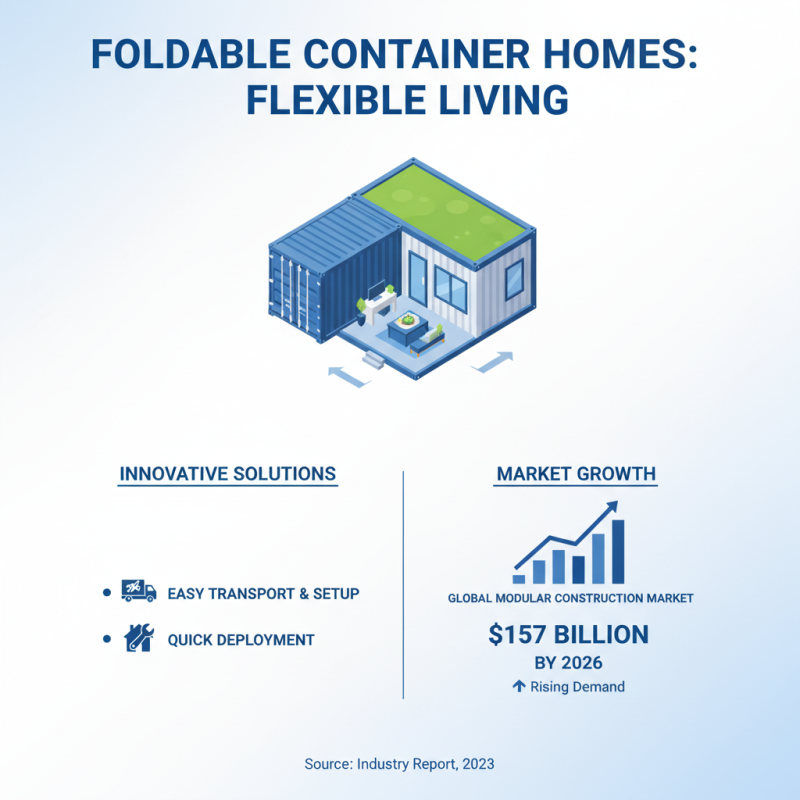
Foldable container houses offer innovative solutions for modern living. These structures are easy to transport and set up, making them ideal for quick deployment in various situations. According to a recent industry report, the global modular construction market is expected to reach $157 billion by 2026. This growth highlights a rising demand for flexible living spaces.
One significant advantage of foldable container houses is their environmental impact. They use fewer materials compared to traditional homes. Some studies show that building with repurposed containers can reduce construction waste by up to 90%. However, this process is not without its challenges. The insulation and ventilation systems need careful planning for year-round comfort. Container House Disaster Relief programs have also gained traction, showcasing how these structures can provide immediate shelter in emergencies.
Despite their advantages, foldable container houses may not be ideal for everyone. The limited space can feel cramped for larger families. Additionally, local zoning laws may restrict their use in some areas. Understanding these limitations is crucial for potential buyers. Overall, foldable container houses present an intriguing option for affordable and sustainable living, yet they require thoughtful consideration of unique needs.
Key Features to Look for in Foldable Container Houses
When considering foldable container houses, focus on essential features that enhance comfort and functionality. Look for good insulation. Proper insulation keeps the interior at a pleasant temperature year-round. This is crucial for those who seek efficient
Container House Climate Control. It reduces energy costs and creates a more pleasant living space.
Another important aspect is space optimization. A cleverly designed layout can make a small container feel spacious. Think about multifunctional furniture that can be folded or stored. Consider storage solutions that maximize limited space. It’s easy to overlook these details, but they dramatically affect daily living.
Lastly, durability is vital. The materials used in the build should withstand wear and tear. Weather-resistance also matters. Waterproof and rust-resistant features can prolong the lifespan of the house. While these factors seem obvious, they can sometimes be neglected in the planning stages. Evaluating these aspects leads to a better living experience that is sustainable and enjoyable.
Tips for Choosing the Right Location for Your Container House
Choosing the right location for your
Container House Portable Housing is crucial.
A great spot can enhance comfort and functionality. According to industry reports, over 80% of container home owners regard location as a top priority. Proximity to utilities like water and electricity simplifies setup. Many people overlook this factor, leading to increased costs later.
Consider the local climate. Extreme weather can impact the durability of your container home. For instance, areas prone to heavy snowfall may require additional insulation. Data shows that nearly 40% of container homes face weather-related issues. Additionally, ensure the foundation is level. An unbalanced base may lead to structural problems.
Also, take into account local zoning laws. Regulations differ widely and may restrict where you can place your container house. Many buyers ignore these guidelines, only realizing the consequences later.
Community access is important too. Local amenities can significantly enhance living quality.
The ideal location is not just about scenery; it’s about practical living solutions.
Design Ideas for Optimizing Space in a Container House
When designing a container house, maximizing space is crucial. One effective idea is to create multi-functional furniture. For example, a sofa can double as a bed. This approach is not just smart; it also makes living more comfortable. Think about converting a coffee table into storage. Such pieces help keep the area tidy while serving multiple purposes.
Another great tip is using vertical space. Wall-mounted shelves can hold books, plants, or decorative items. Additionally, consider installing hanging organizers in the kitchen. They free up counter space and can look stylish. You can also use hooks to hang items, making them easily accessible.
Natural light can make a container house feel larger. Opt for large windows or sliding glass doors. This not only brightens the space but also connects the indoors to the outdoors. However, you must think about temperature control, as it can heat up quickly. Shade or awnings can help balance this issue. Container House Eco Architecture doesn’t just mean efficiency; it also includes comfort and style.
Foldable Container House Tips for Easy Living Solutions
| Tip |
Description |
Benefits |
Design Ideas |
| Multi-Functional Furniture |
Incorporate furniture that serves multiple purposes like a sofa bed or a foldable table. |
Saves space and increases functionality. |
Use a wall-mounted fold-out desk. |
| Vertical Storage Solutions |
Utilize vertical space with shelves and storage units. |
Maximizes available floor space. |
Install tall bookshelves or hanging storage containers. |
| Natural Light Introduction |
Add large windows or skylights to enhance brightness. |
Creates an open and airy feel. |
Use sliding glass doors for access to outdoor space. |
| Color Coordination |
Opt for a cohesive color palette to unify the space. |
Enhances aesthetic appeal and perception of space. |
Use light colors for walls and darker tones for accents. |
| Outdoor Integration |
Create seamless transitions between indoor and outdoor spaces. |
Expands living space and enhances enjoyment of the outdoors. |
Incorporate a deck or patio area with outdoor seating. |
Essential Utilities and Amenities for Comfortable Living
When considering a foldable container house, it's vital to focus on essential utilities and amenities. Basic electricity is crucial. You’ll need adequate wiring and safe outlets. Installing solar panels can be a great upgrade. They reduce reliance on conventional power sources. Water supply is another significant factor. Rainwater collection is practical. Filters ensure clean water, but maintenance is key. You may face challenges in filtering systems, so regular checks are necessary.
Comfortable living spaces require attention to heating and cooling. Portable units are convenient but can be noisy. Insulation might need improvements. Consider double-glazing windows to reduce sound and maintain temperature. Connectivity also impacts daily life. Reliable internet access is essential for remote work or leisure. However, signal strength can vary, and this may require additional solutions.
Lastly, storage solutions often become a concern. Limited space demands creativity. Use multifunctional furniture to maximize efficiency. Open shelving can make small areas feel larger. Yet, clutter can easily build up without proper organization. Regular decluttering should be part of the routine. Reflecting on these aspects will lead to a more enjoyable living experience.
Sustainability Considerations for Foldable Container Housing
Foldable container houses offer unique living solutions that promote
sustainable living. These homes typically use repurposed
shipping containers, minimizing waste. The materials have a lower environmental
impact compared to traditional building methods. They can blend into various landscapes, making them aesthetically versatile.
However, their insulation can be a challenge. Depending on the climate, extra insulation might be necessary.
Another consideration is energy efficiency. Many foldable container
houses incorporate solar panels. This enables homeowners to harness renewable energy.
Yet, the initial costs can be high. It's essential to evaluate long-term savings versus initial investments.
Water management is also crucial. Collecting rainwater and using
greywater systems can enhance sustainability.
Design can be flexible with these homes. They can be expanded, moved, or rearranged
as needed. But, this flexibility can lead to design inconsistencies.
Additionally, some may find the compact space limiting. It requires thoughtful organization to maximize usability.
Reflecting on these aspects ensures that foldable container housing stays practical and eco-friendly.
Maintenance Tips for Longevity of Container Homes
Maintaining a foldable container home is vital for its longevity and comfort. These homes, favored for their mobility and efficiency, require regular upkeep. A recent industry report indicates that with proper maintenance, container homes can last up to 25 years. This is a significant time frame, but it relies heavily on the owner's diligence.
One crucial tip is to inspect the exterior regularly. Look for signs of rust or corrosion. These issues can escalate quickly. Using rust-resistant paint can shield your home from the elements. Additionally, sealing any gaps can prevent moisture intrusion, which is a common problem. Regularly checking for leaks after heavy rain can save you from costly repairs.
Another area to focus on is the interior. Ensure that insulation is intact. Inadequate insulation can lead to increased energy costs. A study shows that homes with proper insulation can reduce heating and cooling costs by about 20%. Regularly cleaning the interior surfaces will also aid in maintaining a fresh environment.
Lastly, don’t overlook the foundation. Ensure it remains stable and level. Shifting can lead to structural issues. It's a good practice to monitor your home’s alignment periodically. These small but essential tips can enhance the longevity of your container home and make living more enjoyable.
FAQS
: Regular exercise improves physical health. It boosts mood and increases energy levels. It can also enhance sleep quality.
Start slowly to avoid injury. Consider short workouts. Gradually increase duration and intensity as your fitness improves.
Aim for at least 150 minutes of moderate activity weekly. Break it into manageable segments. Consistency is key.
Wear comfortable clothing and supportive shoes. Breathable fabrics can help keep you cool. Fit matters for safety.
Yes, occasional breaks are normal. Listen to your body. Consistency is important, but rest is also vital for recovery.
Set specific goals to keep motivated. Find an activity you enjoy. Working out with others can also increase accountability.
Conclusion
Foldable Container Houses are innovative living solutions that offer flexibility and convenience. Understanding their benefits highlights how these structures can be easily transported and assembled, making them ideal for various needs. Key features that potential homeowners should consider include insulation, durability, and space optimization, ensuring comfort and functionality.
When choosing the right location for your Foldable Container House, factors like accessibility, zoning regulations, and the surrounding environment play a crucial role. To maximize space within your container, creative design ideas can transform small areas into efficient living quarters. Additionally, incorporating essential utilities and amenities is vital for a comfortable living experience. Sustainability should also be a priority, with considerations for materials and energy efficiency. Lastly, regular maintenance is important to ensure the longevity and durability of your container home.