You know, it really feels like the way we’re imagining our future homes is shifting toward smarter, greener solutions, especially with the buzz around prefab houses. I read somewhere—MarketsandMarkets, I think?—that the global market for modular construction is expected to jump from around 83.6 billion USD back in 2020 to roughly 130.5 billion USD by 2025. That’s pretty impressive growth, showing just how much people are really warming up to prefabricated buildings. And honestly, it’s not just about solving housing shortages anymore; it’s also about being kinder to our planet, with less waste and more energy-efficient building methods.
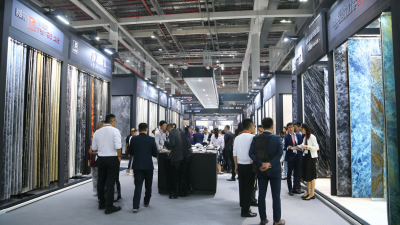
Leading the charge in this scene is Guangdong Vicdowex Modular Housing Technology Co., Ltd. They’re all about standardization, modular design, and making things as straightforward as possible. They’ve got this whole platform that covers R&D, manufacturing, sales, and even leasing, which makes it super convenient. It’s really a smart move considering how many cities are looking for sustainable, affordable options.
And then there’s Dr. Mark McCranie, who’s pretty much a guru in the prefab housing world. He’s got this to say—"Prefab houses aren’t just a quick fix for housing shortages; they’re a complete game-changer in how we go about building our future." That really hits the nail on the head. It’s like we’re on the brink of a whole new way of thinking about where and how we live, thanks to these innovative modular solutions. Who knew that a simple concept like prefab could have such a big impact, huh?
The Rise of Prefabricated Housing: Innovations Driving Sustainable Living
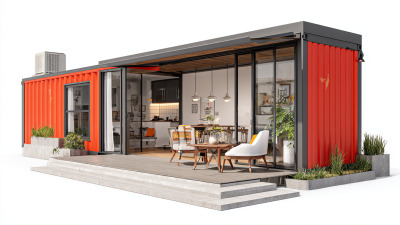
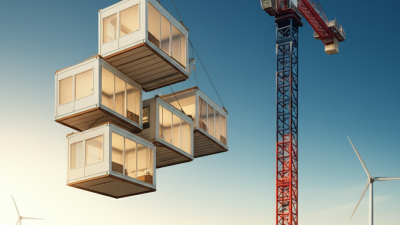
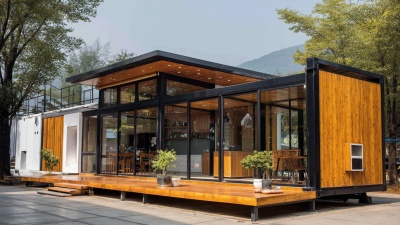
The rise of prefabricated housing is reshaping our understanding of sustainable living. As urbanization accelerates and environmental challenges escalate, innovative building methods are emerging to meet the demand for efficiency and sustainability. Prefab houses are designed with modular components that can be produced off-site and assembled quickly, reducing construction waste and minimizing carbon footprints. Advanced materials, energy-efficient designs, and smart home technology are now integrated into these structures, offering homeowners a greener lifestyle.
Tips for considering prefabricated housing include evaluating the materials used in construction. Opt for manufacturers that prioritize recycled and renewable materials to further enhance sustainability. Additionally, investigate smart home features such as energy-efficient appliances and solar panel readiness, which can significantly reduce utility costs in the long run. Lastly, consider the flexibility of space and design; many prefab homes offer customizable layouts, allowing you to optimize your living space according to your lifestyle needs.
As the prefabricated housing sector continues to evolve, innovations are making these homes more accessible and desirable. The integration of sustainable practices is not only beneficial for the environment but also enhances the quality of life for residents, promoting a future where eco-friendly living is attainable for all.
Market Growth Projections: The Future of Prefab Housing Industry
The prefab housing industry is poised for significant growth in the coming years, driven by an increasing awareness of sustainability and efficiency in construction practices. According to a report by MarketsandMarkets, the global prefab housing market was valued at approximately $10.3 billion in 2022 and is projected to reach around $16.3 billion by 2027, growing at a CAGR of 9.4%. This surge in growth can be attributed to the rising demand for affordable housing solutions, particularly in urban areas where space and resources are limited.
Sustainable practices play a crucial role in this evolving market. The adoption of eco-friendly materials and energy-efficient designs is becoming standard in prefab construction, appealing to environmentally conscious consumers. A study from Grand View Research notes that the green building materials market is expected to expand at a CAGR of 11.3% from 2023 to 2030, indicating a strong alignment with the prefab sector's growth. As innovations in manufacturing processes and technology continue to emerge, the future of prefab housing presents exciting opportunities for both builders and buyers alike, making it a critical component in addressing housing shortages while promoting sustainable living.
Eco-Friendly Materials: Revolutionizing the Construction Process
The rising concern over environmental issues and the need for sustainable development have propelled the construction industry toward innovative solutions, particularly through the use of eco-friendly materials. According to a report from the World Green Building Council, buildings are responsible for about 39% of global carbon emissions, stressing the urgent need for a transformation in construction practices. Prefabricated (prefab) houses, which utilize sustainable materials, stand as a viable solution, reducing both waste and energy consumption during the construction process.
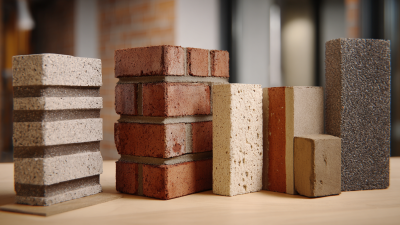
Utilizing materials such as bamboo, recycled steel, and hempcrete not only minimizes the ecological footprint but also enhances the durability and efficiency of prefab structures. Research by McGraw Hill Construction indicates that the use of sustainable materials can reduce construction emissions by up to 30%. The incorporation of eco-friendly insulation materials improves energy efficiency, with the U.S. Department of Energy reporting that homes designed with high-performance materials can lead to energy savings of 20-50%. As innovation in materials continues to evolve, the future of prefab housing looks increasingly promising, portraying a clear pathway to eco-conscious living in the built environment.
Energy Efficiency in Prefab Homes: Reducing Carbon Footprints
As the conversation around climate change grows louder, innovative prefab homes are stepping into the spotlight, especially in terms of energy efficiency. According to the U.S. Department of Energy, homes account for about 22% of greenhouse gas emissions, highlighting the need for sustainable living solutions. Prefab homes, designed with cutting-edge technology and materials, can significantly reduce carbon footprints. A recent report from the National Renewable Energy Laboratory found that energy-efficient prefab models can cut energy consumption by up to 50%, well beyond traditional building practices.
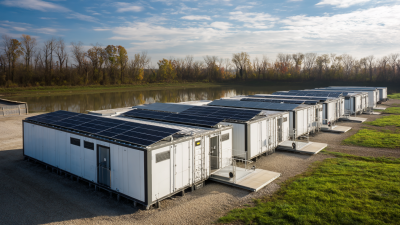
To maximize energy efficiency, consider integrating renewable energy sources such as solar panels. This not only powers your home but can also contribute to grid stability. When selecting a prefab home, look for those with high R-value insulation and energy-efficient windows to minimize heat loss. Techniques like passive solar design can further enhance energy conservation by utilizing natural sunlight for heating and lighting.
Tips: Choose appliances labeled with ENERGY STAR, as they typically use 10-50% less energy than standard models. Additionally, installing a smart thermostat can help regulate energy consumption, ensuring you're using energy only when needed, thereby lowering both utility bills and overall carbon impact.
Exploring the Future of Living with Innovative and Sustainable Prefab Houses - Energy Efficiency in Prefab Homes: Reducing Carbon Footprints
| Feature |
Description |
Environmental Impact (CO2 Reduction) |
Energy Efficiency Rating |
| Insulation Materials |
Use of recycled and high-performance insulation |
Up to 30% reduction in heating energy consumption |
A+ |
| Solar Panels |
Integration of photovoltaic systems for electricity generation |
Reduces reliance on fossil fuels, lowering emissions by 40% |
A++ |
| Water Recycling System |
Graywater systems for irrigation and toilet flushing |
Saves up to 60% of water usage |
A+ |
| Smart Home Technology |
Automated systems for energy management |
Minimizes energy waste by up to 20% |
A++ |
| Sustainable Sourcing |
Materials sourced locally and sustainably |
Reduces transportation emissions significantly |
A |
Smart Home Technology Integration in Prefab Designs
The integration of smart home technology into prefab designs is revolutionizing the way we think about living spaces. By incorporating advanced technology right from the construction phase, prefab houses can enhance energy efficiency, security, and convenience. Smart thermostats, lighting systems, and automated security features allow residents to monitor and control their environment with just a few taps on their smartphones. This seamless integration not only improves the quality of life but also aligns with sustainable living practices, making it easier for homeowners to reduce their carbon footprint.
Moreover, the adaptability of prefab designs means that these smart technologies can be easily updated or expanded as new innovations emerge. Homeowners can implement the latest advancements in smart home technology without the need for extensive renovations. This flexibility encourages a culture of continuous improvement, where residents can maintain modern, efficient living spaces that evolve alongside technological advancements. As the prefab housing market continues to grow, the fusion of innovative design and smart technology will play a vital role in shaping sustainable living for future generations.
Cost-Effectiveness: The Economic Advantages of Prefabricated Living Spaces
As the world increasingly prioritizes sustainable living, prefabricated houses are emerging as a cost-effective alternative to traditional construction. These innovative living spaces not only minimize environmental impact but also significantly reduce construction costs. By employing advanced manufacturing techniques and streamlined processes, prefab homes can be built in factories and assembled on-site, saving both time and labor expenses. This approach allows for a more predictable budget, reducing unforeseen costs associated with traditional building methods.
Moreover, the energy efficiency of prefabricated homes contributes to long-term savings for homeowners. Many of these structures are designed with sustainability in mind, featuring high-quality insulation and energy-efficient systems that lower utility bills. By investing in a prefab house, owners can enjoy a more affordable lifestyle while contributing to environmental conservation. The economic advantages extend beyond initial savings; the durable materials and designs often result in lower maintenance costs over the lifetime of the home, making prefab houses an increasingly attractive option for budget-conscious consumers looking for innovative living solutions.
FAQS
: Homes account for about 22% of greenhouse gas emissions, underscoring the need for sustainable living solutions.
Energy-efficient prefab models can cut energy consumption by up to 50% compared to traditional building practices.
Solar panels can be integrated to power homes and contribute to grid stability.
Look for high R-value insulation and energy-efficient windows to minimize heat loss.
Passive solar design utilizes natural sunlight for heating and lighting, further enhancing energy conservation.
ENERGY STAR appliances use 10-50% less energy than standard models, contributing to lower utility bills.
A smart thermostat regulates energy consumption, ensuring energy is used only when needed, which lowers utility bills and carbon impact.
Smart home technology improves energy efficiency, security, and convenience, allowing residents to monitor and control their environment easily.
Yes, the adaptability of prefab designs allows for easy updates or expansions of smart technologies as new innovations emerge.
Combining innovative design with smart technology shapes sustainable living by promoting continuous improvement in energy efficiency and modern living spaces.
Conclusion
The exploration of prefab houses is transforming the future of sustainable living, driven by innovations that enhance both environmental responsibility and economic viability. As the prefabricated housing market continues to grow, advances in eco-friendly materials and energy efficiency are revolutionizing conventional construction processes. These homes not only reduce carbon footprints but also integrate smart home technologies that improve convenience and efficiency.
Guangdong Vicdowex Modular Housing Technology Co., Ltd. is at the forefront of this movement, focusing on standardization and modularization to provide comprehensive solutions for temporary construction. By combining research and development with production and sales, the company is uniquely positioned to lead in the prefab houses sector, maximizing both cost-effectiveness and sustainability for future living environments.