Leave Your Message
Request a Quote
0%

Picking the right wall material isn’t just a small detail—it’s a pretty big deal when you're working on building or renovating something. It affects more than just how it looks; it also influences how sturdy everything is and what your budget ends up looking like. Funny enough, according to a report by the McKinsey Global Institute, the construction world’s kinda been lagging behind other industries when it comes to trying out new materials and tech. That sometimes means more waste and wasted effort, which is a bummer.
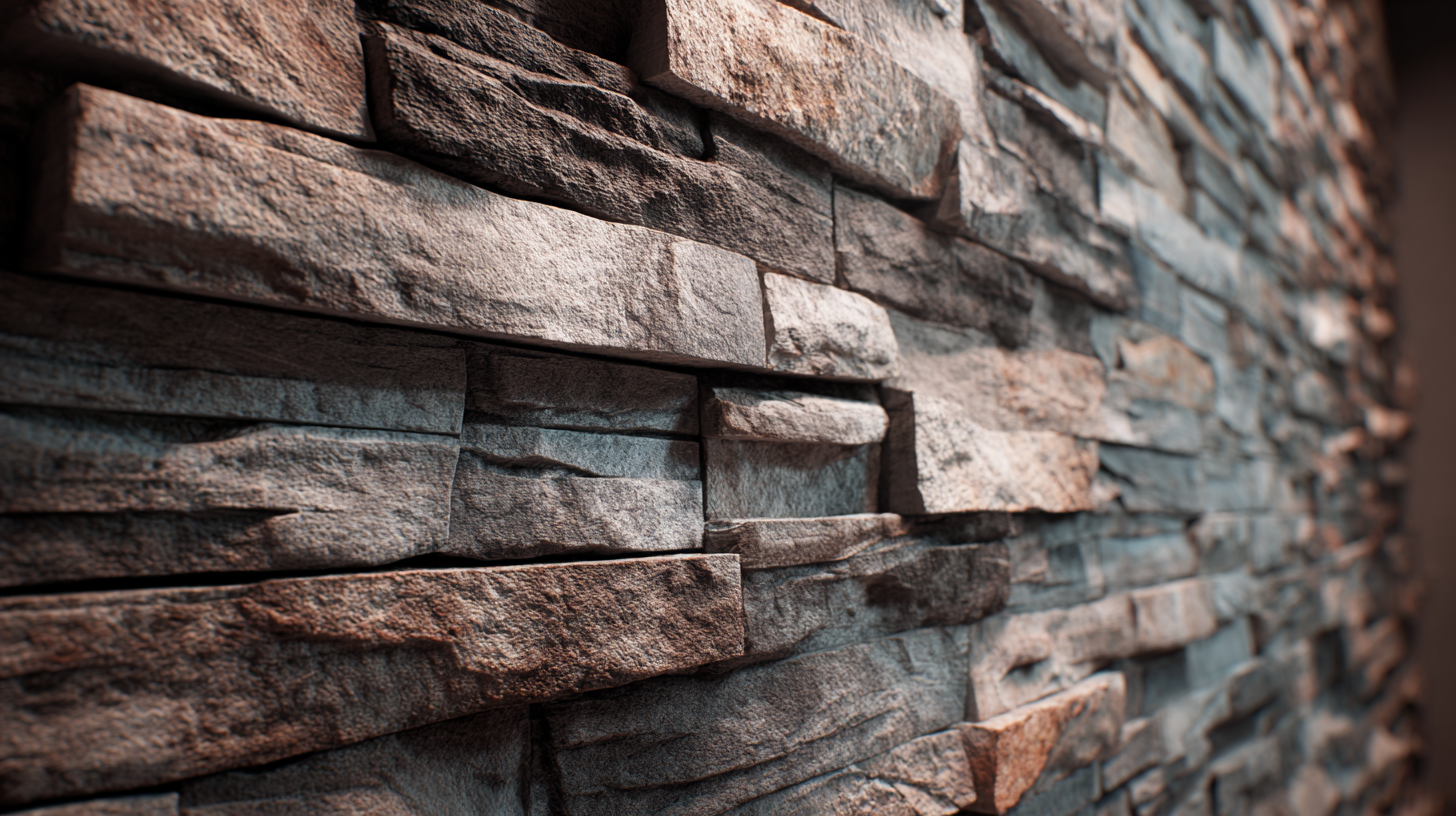
10 Essential Tips for Choosing the Right Wall Material for Your Next Project

But here’s some good news—more and more companies are jumping on the sustainability and modular design train. For example, Guangdong Vicdowex Modular Housing Technology Co., Ltd. is working on new solutions by focusing on “standardization, modularization, and generalization” to keep up with what’s needed today. And with demand for temporary construction options expected to grow by around 5% each year, choosing the right wall material is more crucial than ever. So, to help you out, I’ve put together ten tips to guide you toward making smarter choices—things that match both current trends and your specific project needs.

Key Factors Influencing Wall Material Selection: Cost, Durability, and Aesthetics

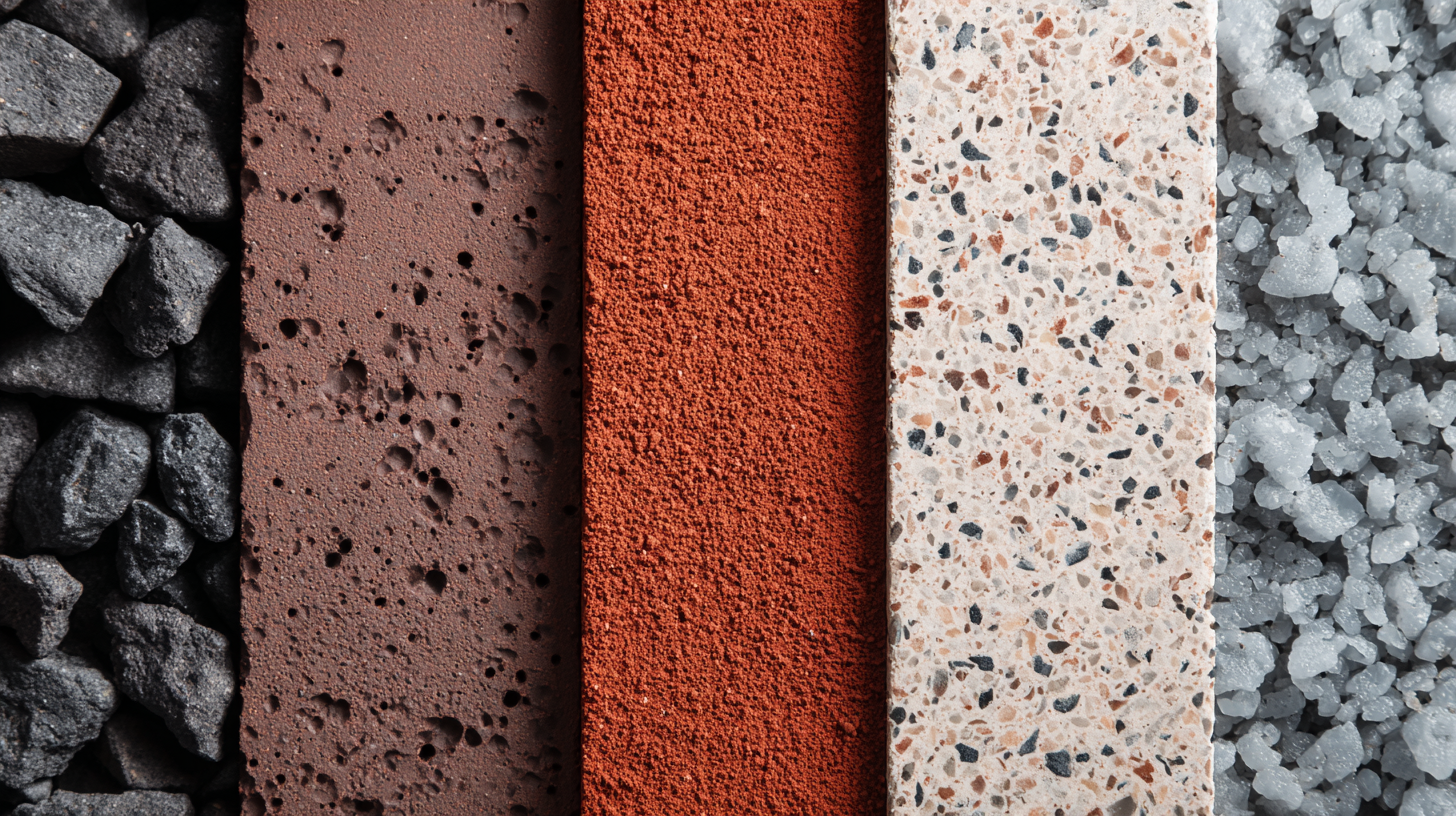
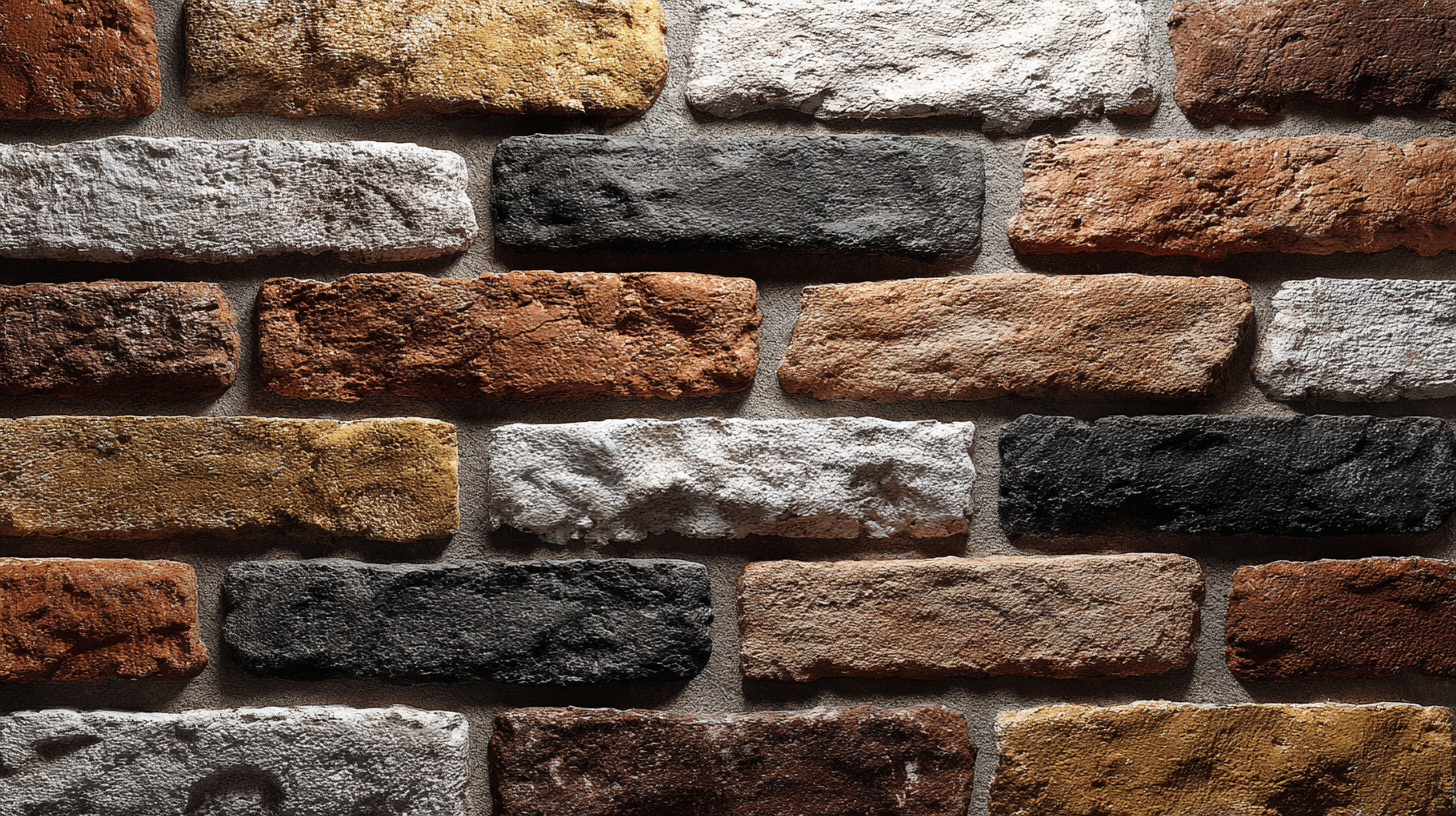
When you're choosing wall materials for a construction project, there are really three main things to think about: how much it costs, how durable it is, and how it looks. I read somewhere—actually, a report from ResearchAndMarkets—that the global market for construction materials is expected to hit about $1.2 trillion by 2025. That just shows how much folks are craving new, innovative materials that can tick both the budget and performance boxes. Usually, builders tend to go for cheaper options because, well, gotta save a buck, right? But here’s the thing—cheaper materials might not last as long or stand up to the elements. Take medium-density fiberboard, for example—it’s budget-friendly, but it’s not exactly tough enough to handle weather stresses the way concrete or steel can.

Durability’s getting more important too, especially for both temporary setups and permanent structures. The International Energy Agency points out that buildings make up about 36% of global energy consumption—pretty hefty. So, picking materials that are sturdy can help save energy and cut down on those long-term operational costs. And of course, the look of things matters a lot these days—especially with modern design trends leaning toward eco-friendly options. Not only do those materials look good, but they also boost a project’s sustainability creds, which clients love. At Guangdong Vicdowex Modular Housing Tech, we focus on using standardized, modular parts so that our wall materials check all these boxes—being durable, stylish, and aligned with eco-conscious principles. We aim to give our clients solutions that are both solid and eye-catching, tailored just for each project.

Cost, Durability, and Aesthetics: Key Factors in Wall Material Selection

Understanding Insulation Values: R-Values of Common Wall Materials Explained

So, when you're picking out wall materials for your next project, it's pretty important to get a handle on insulation values. You know, the R-value thing? It basically measures how good a material is at resisting heat transfer. The higher the R-value, the better the insulation—this is super key if you're aiming for energy efficiency and keeping your place comfy. Different materials like fiberglass, foam boards, and cellulose all have their own R-values, and these can really make a difference in how well your home holds heat or stays cool.

For example, fiberglass insulation usually gives you an R-value somewhere between 2.9 and 4.3 per inch, making it a pretty affordable choice for most homes. Meanwhile, foam boards can offer R-values as high as 6.0 or even 7.0 per inch—perfect if you’re after top-notch thermal performance. Knowing these numbers helps you make smarter decisions about which wall stuff works best for your climate and energy saving goals. Oh, and don’t forget, it's worth thinking about the long-term savings on your energy bills, especially if you pick materials with suitable R-values for where you live. All in all, understanding this stuff can really help you create a more sustainable, comfy space in the end.

Sustainability Matters: Evaluating Eco-Friendly Wall Material Options

When it comes to picking wall materials for your construction projects these days, sustainability is really starting to take center stage. I mean, did you know that according to a recent report from the World Green Building Council, buildings are responsible for about 39% of the world's carbon emissions? That’s pretty huge, and it just shows why we really need to go for eco-friendly options that keep the environmental impact in check. Stuff like reclaimed wood, bamboo, and recycled metal isn’t just good for cutting down waste — it also offers great thermal insulation and is pretty durable’s well.

On top of that, using non-toxic materials such as low-VOC paints and finishes can seriously boost indoor air quality. The U.S. Green Building Council points out that homes built with sustainable materials can lower energy use quite a bit — like 30 to 40 percent in some cases — which also translates into lower utility bills over time. As more folks are jumping on the sustainability bandwagon, it’s super important to pick materials that not only do their job well but also align with our environmental goals. It’s all about creating spaces that look good, work well, and help us take better care of the planet in the long run.

Comparative Analysis: The Lifespan of Popular Wall Materials in Different Climates

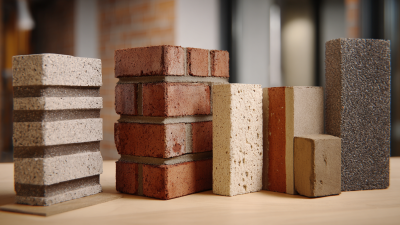
Hey, so when you're picking out wall materials for your next project, it’s super important to consider how the climate around you might impact their lifespan. Like, I came across some info from the National Association of Home Builders that says materials like stucco and brick can actually last up to 50 years if you're in a pretty moderate, temperate climate. They’re pretty good at handling moisture and temperature swings. But here’s the catch—if you’re in a place that sees really extreme heat or humidity, those materials might not hold up as well. For example, stucco can crack if it stays dry for too long, and brick can soak up water, which eventually causes erosion, especially in rainy areas.

On the flip side, some materials like fiber cement and vinyl siding are pretty much champions when it comes to different weather conditions. According to the folks at the Fiber Cement Manufacturers Association, fiber cement siding can last over 30 years whether it’s blazing hot or freezing cold, making it a solid all-rounder. Vinyl siding isn’t far behind either—it’s low maintenance and can last up to 40 years, especially in places with mild to warm weather. So, understanding how long these materials tend to last in different climates isn’t just good info—it helps you make smarter choices and get a result that’ll stand the test of time, no matter what Mother Nature throws at you.

10 Essential Tips for Choosing the Right Wall Material for Your Next Project - Comparative Analysis: The Lifespan of Popular Wall Materials in Different Climates

Wall Material Lifespan (Years) Climate Suitability Maintenance Level
Brick 100+ All Climates Low
Concrete 75-100 Cold & Tropical Climates Medium
Wood 30-50 Moderate Climates High
Vinyl Siding 20-40 Temperate Climates Low
Stucco 50-80 Dry & Warm Climates Medium

Acoustic Performance: How Wall Materials Affect Sound Insulation and Noise Control

When you're picking out wall materials for your next project, it's pretty important to get a grasp on how they perform acoustically. Different materials can block or let sound pass through in different ways, which can really affect how cozy or noisy a space feels. For example, heavier stuff like brick or concrete tends to be much better at stopping sound because it's dense, whereas lighter materials like drywall won't do quite as much. This is especially key if you're working on a home, a recording studio, or an office—places where cutting down on noise can make a real difference in comfort and productivity.


10 Essential Tips for Choosing the Right Wall Material for Your Next Project

Also, it's not just about thickness. What the material is made of really matters too. Stuff like acoustic panels, cork, or special insulation can soak up sound waves, cutting down on echoes and background noise. Putting these layers together—good insulation plus sound-absorbing materials—can help create a much calmer, more peaceful environment where people can concentrate better.


So, when you're choosing your wall materials, keep in mind both the structural aspects and their sound properties. It’s all about creating a space that’s both functional and pleasant to be in, tailored to what you need.


Hope that gives you a clearer idea—sometimes the little details really make a big difference!

Installation Considerations: Time and Labor Costs Associated with Various Wall Types

When you're picking out the right wall material for your project, it's super important to think about the installation process—especially how long it takes and the labor costs involved. I recently read a report from the National Association of Home Builders, and it blew my mind to learn that labor can make up almost half of the total project expenses. So, choosing materials that are quicker to put up can actually save you a good chunk of cash. For example, pre-fabricated wall panels can often go up in less than half the time it takes to do traditional stud framing—big difference, right?

10 Essential Tips for Choosing the Right Wall Material for Your Next Project

And here’s another thing — different wall types have their own install timelines. Drywall, for instance, usually takes about an hour and a half per panel, but if you're dealing with concrete blocks, you're looking at over two hours per block because of their weight and how tricky they can be to handle. Those little differences really add up, so it’s worth taking the time to think about your project schedule.

A tip I’d give is to keep the complexity of the installation in mind when you’re choosing your materials. Things like vinyl or plywood are not only lightweight but also tend to go up pretty fast, which might save you both time and money. And hey, don’t hesitate to chat with pros who’ve worked with different materials—they can give you some solid advice to help you pick what's best for your specific project.

Innovative Design and Practical Applications of the Hollow Spring Sheet Wall: Unveiling Durability and Versatility

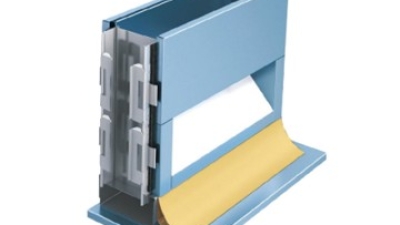
The innovative design of the Hollow Spring Sheet Wall significantly elevates both durability and versatility in various applications. This cutting-edge wall system is engineered for quick installation and removal, making it an ideal choice for dynamic environments that require flexibility. Equipped with an independent and reliable built-in return air unit, the Hollow Spring Sheet Wall not only enhances airflow but also addresses the growing demand for efficient climate control in commercial and industrial settings.

The structural integrity of the Hollow Spring Sheet Wall is reinforced by its H-shaped frame system, which provides exceptional strength to the overall wall structure. According to industry reports, walls with enhanced frameworks can improve load resistance by up to 30%, a vital consideration in high-traffic areas. Additionally, the beautiful and smooth surface of the Hollow Spring Sheet Wall contributes to its aesthetic appeal, allowing it to seamlessly integrate into modern architectural designs without compromising functionality.

Furthermore, its lightweight attributes simplify the installation process, making it a preferred choice for both temporary and permanent setups. The combination of ease in handling and the robust design standards makes the Hollow Spring Sheet Wall an attractive solution for architects and contractors looking to optimize their projects. Reports indicate that using such advanced materials can reduce installation time by as much as 50%, thus streamlining workflows and reducing labor costs.

FAQS

: What is an R-value and why is it important?

: The R-value is a measure of thermal resistance, indicating how well a material can resist heat flow. It is important because higher R-values signify better insulation, which contributes to energy efficiency and comfort in a building.

What are some common materials and their R-values?

Common materials include fiberglass, which has an R-value ranging from 2.9 to 4.3 per inch, and foam board, which can provide R-values as high as 6.0 to 7.0 per inch. These values impact the energy performance of a project.

How does insulation choice affect long-term energy savings?

Choosing the right insulation material with an appropriate R-value for your climate zone can lead to significant long-term savings on energy bills by improving the energy efficiency of your building.

What factors should be considered when selecting wall materials for acoustic performance?

When selecting wall materials for acoustic performance, consider both the thickness of the material and its composition, as thicker materials like brick or concrete reduce sound transmission, while materials like acoustic panels enhance sound absorption.

How do sound insulation and noise control affect comfort in various environments?

Effective sound insulation and noise control improve overall comfort by reducing noise transmission and creating a more serene atmosphere, which is particularly important in residential homes, offices, and recording studios.

Why is material composition important for sound absorption?

Material composition plays a key role in sound absorption because specialized materials like acoustic panels and cork can trap sound waves, minimizing echoes and creating a quieter environment.

Can all wall materials provide the same level of sound insulation?

No, different materials provide varying levels of sound insulation. Heavier, denser materials typically offer better sound reduction compared to lighter materials.

Is it important to consider both thermal and acoustic properties when choosing wall materials?

Yes, it is crucial to consider both thermal and acoustic properties to ensure the space is not only energy-efficient but also comfortable and functional in terms of sound.

What kind of environments benefit most from sound insulation?

Environments such as residential homes, offices, and recording studios benefit most from sound insulation, as reducing noise can enhance productivity and well-being.

How do you determine the appropriate insulation value for your project?

To determine the appropriate insulation value, consider the specific R-value needed for your climate zone and your project's energy efficiency goals.

Conclusion

Picking the right wall material is super important when you're working on a construction project - there’s just so many factors to keep in mind. Things like cost, how long it lasts, and how good it looks all matter because you want your final choice to fit both your budget and your style. It’s also pretty essential to understand insulation, especially the R-values of different wall options, if you want to keep energy bills in check. And with everything going green these days, considering eco-friendly materials is more important than ever. It’s a good idea to think about how long different wall types will last in various climates, too, especially if you’re planning for the long haul. Oh, and don’t forget about sound! Acoustic performance can make a huge difference—whether you want quiet in your space or just don’t want noise sneaking in. Plus, installation isn’t just about what looks good or costs the most; the time and effort you’ll need can really impact your overall plans.

At Guangdong Vicdowex Modular Housing Technology Co., Ltd., we totally get all this. That’s why we offer smart modular solutions that make working with different wall materials a lot easier. Our complete platform combines research, production, sales, and even leasing, so our clients can confidently choose options that are both practical and eco-friendly for their building projects.


Ethan

Ethan

Ethan is a dedicated marketing professional with a profound expertise in the temporary construction solutions sector. With a focus on standardization, modularization, and generalization, he plays a pivotal role in promoting our company's comprehensive service platform that seamlessly integrates......
Previous Why Wall Material Selection Impacts Your Building Energy Efficiency and Costs