You know, as more people get interested in making their living spaces
eco-friendly, it's pretty clear that using
sustainable interior panels is becoming a big deal in modern design.
These panels are not only doing wonders for how a space looks—they’re also helping out the environment by being made from
recyclable stuff and cutting down on
carbon footprints.
Guangdong Vicdowex Modular Housing Technology Co., Ltd. is really leading the charge here.
They’re focusing on really practical stuff like
standardization,
modular design, and creating solutions that are easy to adapt for temporary buildings.
They combine research, production, sales, and leasing to stay ahead of the game, so they’re perfectly positioned for folks who want stylish and
eco-friendly living spaces.
In this article, I’ll go over some different ways you can use these decorative panels in sustainable interior design—showing how
versatile and
effective they are for creating spaces that really vibe with today’s environmental values.
Understanding Eco-Friendly Interior Decorative Panels
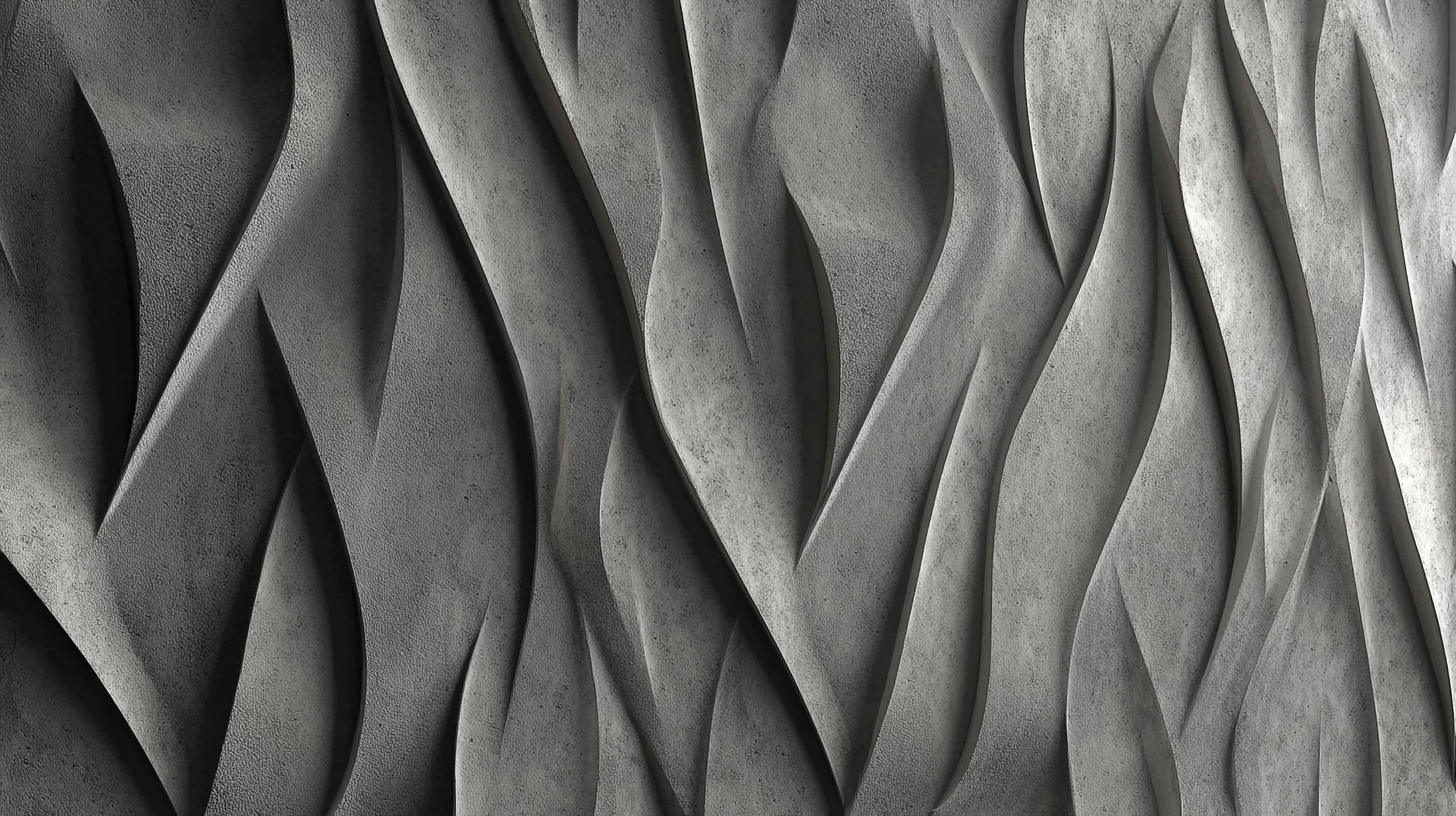
Eco-friendly interior wall panels are really catching on these days, especially with everyone becoming more aware of how our choices impact the environment. These panels, often made from recycled stuff or sustainably sourced materials, aren’t just about looking good—they actually help create healthier homes too. Using natural finishes and non-toxic adhesives not only adds a nice touch but also improves indoor air quality and cuts down the carbon footprint compared to traditional decor options.
Thanks to new manufacturing techniques, there’s now a whole range of options like bamboo, reclaimed wood, and recycled plastic panels. Designers are loving these materials because they're versatile and bring in cool textures that you can’t find everywhere. As people become more conscious about the environment, the demand for these sustainable interior options is definitely picking up. You see it in both homes and commercial spaces. Incorporating eco-friendly decorative panels really shows a shift towards more responsible, creative design choices—allowing folks to express themselves while still caring about the planet. It’s pretty exciting to see how sustainability and style can go hand in hand now.
Benefits of Using Sustainable Materials in Interior Design
Lately, you’ve probably noticed how eco-friendly interior decorative panels are really gaining popularity. It’s part of this bigger trend toward sustainable design—where people want spaces that look great but also do good for the planet. Using sustainable materials in interior decor isn’t just about cutting down on environmental harm; it actually helps create healthier, more comfortable places to live and work. These materials usually take less energy to produce and leave a smaller carbon footprint, making them a smart choice if you’re looking to make your environment more eco-conscious. Plus, they can improve indoor air quality by cutting down on those nasty chemicals found in traditional materials—bonus, right?
Here at Guangdong Vicdowex Modular Housing Technology Co., Ltd., we’re totally on board with this green wave. Our approach is all about ‘standardization, modularization, and generalization,’ which means we’ve built a pretty innovative platform that combines research, production, and sales all in one. We design our temporary construction solutions using eco-friendly materials to ensure that our modular housing isn’t just practical but also environmentally responsible. Our goal? To make spaces that are better for people and the planet alike. By sticking to sustainable practices, we hope to help shape a greener future and set new standards in quality and environmental care in the industry.
Transforming Spaces: The Rise of Eco-Friendly Interior Decorative Panels in Sustainable Design
| Material Type |
Source |
Environmental Benefits |
Durability |
Applications |
| Bamboo |
Rapidly Renewable Resource |
Carbon Sequestration, Low Emission |
High Strength, Long-Lasting |
Wall Panels, Flooring |
| Recycled Wood |
Post-Consumer Waste |
Waste Reduction, Resource Conservation |
Sturdy and Resilient |
Furniture, Decorative Features |
| Cork |
Sustainable Harvesting |
Regenerative, Sound Absorption |
Durable, Water Resistant |
Wall Panels, Flooring |
| Sheep Wool |
Natural Fiber |
Bio-Degradable, Insulation |
Good Resilience |
Insulation Panels, Wall Coverings |
| Hemp |
Fast-Growing Crop |
Soil Improvement, Carbon Sink |
Durable, Mold Resistant |
Insulation, Panels |
Key Materials and Innovations in Eco-Friendly Panels
Lately, there's been a big shift towards using eco-friendly interior panels, and honestly, it's pretty exciting how they're changing spaces across all sorts of industries. People are really leaning into sustainable stuff and clever new materials. For example, bioplastics and recycled plastics are coming up as cool alternatives to the usual stuff—it's all part of smarter green building methods. The market for bioplastics, in particular, is expected to grow a lot, which shows we're heading towards more sustainable interiors. Plus, there's this neat thing called geopolymer materials being used for modular panels, offering a strong, eco-friendly option that’s both durable and easier on the planet.
If you’re thinking about adding these kinds of panels, a good tip is to go for locally sourced recycled materials—it's a win-win because it supports sustainable practices while cutting down on transportation emissions. And don’t forget, incorporating bioplastics into your designs isn’t just about looks; it also means you're contributing to a healthier planet.
Oh, and here's a fun one—mushroom-based materials are starting to carve out a place in interior design. They’re biodegradable, so they won’t mess up the environment, and they bring some unique textures and styles to the table. Playing around with these innovative materials can really push your projects into a more sustainable and creative direction. Overall, highlighting these cutting-edge options not only makes your work stand out but also promotes a greener, more conscious construction industry.
Installing and Maintaining Eco-Friendly Decorative Panels
Lately, installing eco-friendly decorative panels has really become a key part of creating sustainable, stylish interiors. Honestly, they’re not just eye-catching—they also play a big role in helping the environment by being made from sustainable materials and produced in eco-conscious ways. At Guangdong Vicdowex Modular Housing Technology Co., Ltd., we truly believe in weaving these green solutions into our modular home designs. Since we focus on standardization and modularization, we can offer a bunch of different panels that are super easy to install, so buildings go up quickly without sacrificing quality or going easy on the planet.
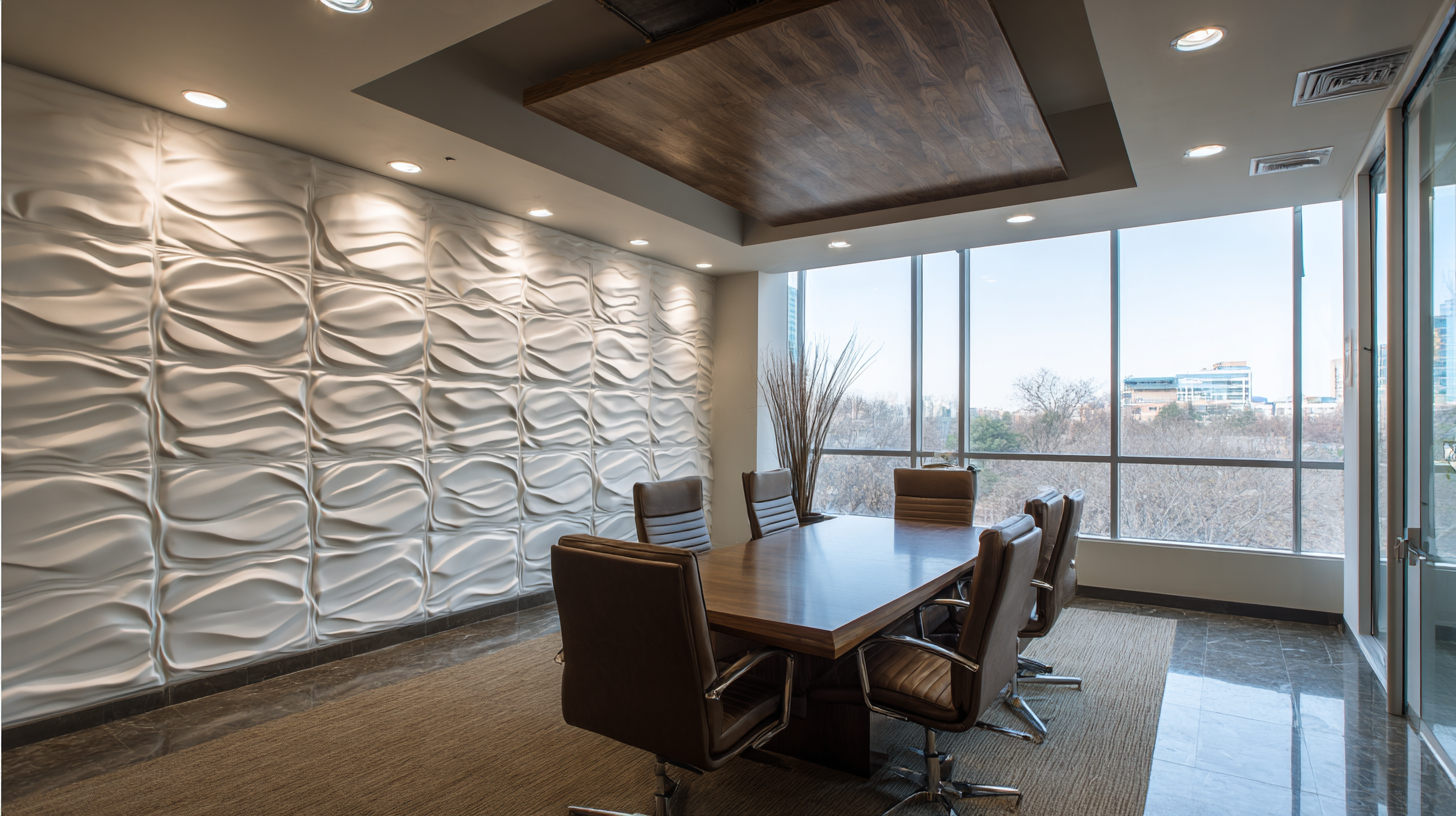
Taking good care of these eco-friendly panels is just as important as installing them in the first place. When you maintain them properly, they last longer and keep looking great, which means more environmental benefits down the line. We’ve also put together a handy platform with all the best tips and practices for maintenance, so clients can keep their spaces beautiful and sustainable at the same time. Choosing Vicdowex’s modular systems isn’t just about style and convenience—it’s a way to be part of a bigger movement toward eco-conscious living. Plus, it shows off your commitment to the planet, all while creating a space that looks fantastic.
All in all, these panels are more than just decorative—they’re a statement about caring for our environment, and with the right care, they’ll serve you well for a long time.
Incorporating Eco-Friendly Panels into Various Design Styles
You know, lately, mixing eco-friendly interior panels into home design has really taken off. It’s a pretty cool way to blend style with sustainability. These panels are super versatile—they can match just about any look, whether you're going for sleek modern minimalism or cozy rustic vibes. Like, you might pick bamboo panels for a fresh, contemporary feel or go with reclaimed wood if you’re aiming for that vintage charm. Using eco-friendly materials not only makes your space feel warm and inviting but also helps cut down on environmental impact — totally a win-win.
When you're adding these panels, it’s definitely worth paying attention to the existing colors and materials in the room. You want everything to work together seamlessly, so pick panels that complement your furniture and accessories. Plus, don’t be afraid to get creative with patterns and textures. For example, textured cork panels can add nice depth to a minimalist setup, plus they can improve sound quality too.
Switching to eco-friendly panels is a great way for homeowners to show off their green side without sacrificing style. For instance, using recycled glass for your kitchen backsplash not only injects a pop of color but also keeps things eco-conscious. And of course, choosing certified sustainable materials ensures your space looks beautiful but also stays true to your eco-values.
Transforming Spaces: The Rise of Eco-Friendly Interior Decorative Panels in Sustainable Design
This chart illustrates the growing popularity of various types of eco-friendly interior decorative panels used in sustainable design from 2018 to 2023. It showcases the percentage of usage across different materials, indicating a shift towards more sustainable practices in interior design.
Case Studies: Successful Transformations with Sustainable Design Panels
Lately, eco-friendly interior panels have really been making waves in sustainable design, transforming ordinary spaces into fresh, green havens. It's pretty awesome—studies show that using sustainable materials in interior decor can cut down a building's carbon footprint by up to 30%. No wonder architects and builders who care about the environment are totally into it.
Companies like Guangdong Vicdowex Modular Housing Technology Co., Ltd. are leading the charge, offering modular solutions that blend eco-friendly materials with stylish looks—so you get beauty without the eco-guilt.
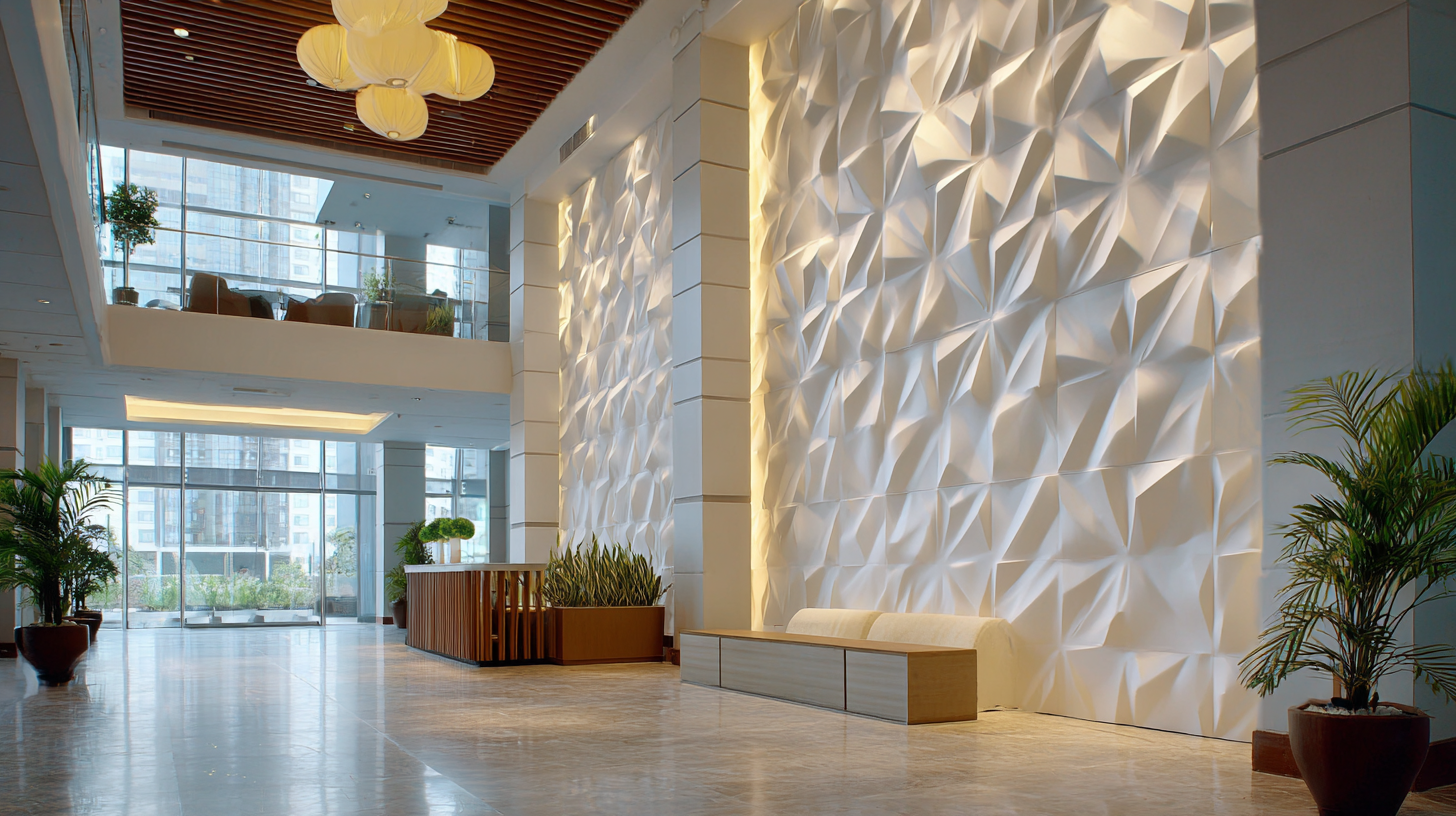
There are some great success stories out there too. For instance, turning boring old office spaces into healthier, greener environments with these panels not only improved air quality but also boosted employee productivity by around 15%, according to a 2022 report from the International Green Building Council. As Vicdowex shows, these solutions are not only efficient but also super practical—standardized options that fit right into modern design needs.
Some tips if you're thinking about jumping in: Try to source your materials locally whenever possible—less transportation means fewer emissions. Also, aim for designs that let in plenty of natural light and promote good airflow. It’s a win-win that reduces energy use and makes the space way more comfortable. And don’t forget to keep an eye on the latest trends and reports about sustainable materials, so you’re always ahead of the game in this ever-changing industry.
FAQS
: Sustainable materials minimize ecological impact, enhance overall well-being, require less energy to produce, have a lower carbon footprint, and contribute to better indoor air quality by reducing harmful chemicals.
The company focuses on standardization, modularization, and generalization, integrating research and development with production and sales while incorporating eco-friendly materials in their comprehensive temporary construction solutions.
Eco-friendly panels can complement various design styles, including modern minimalism and rustic charm, allowing for versatility in aesthetic appeal while promoting environmental responsibility.
Consider the existing color palette and materials in the room, choose panels that harmonize with furniture and accents, and explore innovative patterns and textures to create a cohesive and inviting look.
Options include bamboo panels for a contemporary look, reclaimed wood for a vintage feel, and recycled glass panels for kitchen backsplashes, all of which contribute to both sustainability and aesthetic appeal.
Look for certified sustainable materials to ensure that your interior space reflects both beauty and environmental awareness, aligning your design choices with a commitment to sustainability.
Eco-friendly panels contribute to a warm and inviting atmosphere while reducing the carbon footprint, creating healthier living and working environments.
Textured cork panels, for example, can enhance acoustic properties while adding depth to minimalist designs, helping to improve sound quality in a space.
Yes, eco-friendly materials can help improve indoor air quality by reducing the presence of harmful chemicals often found in traditional materials.
Embracing sustainable practices helps transform spaces, contributes to a greener future, and sets a benchmark for quality and sustainability in the interior design industry.
Conclusion
Hey, have you checked out that article called 'Transforming Spaces: The Rise of Eco-Friendly Interior Decorative Panels in Sustainable Design'? It dives into how these eco-friendly panels are really becoming a big deal in sustainable interior design these days. Honestly, it’s pretty cool to see how using green materials can boost a space’s look while also being gentle on the planet. The piece talks about some of the latest innovations and types of materials that make these panels so effective, and even gives practical tips on installing and keeping them in top shape.
What's also neat is how versatile these panels are—they work with all kinds of design styles. The article even shares some real-life examples showing off spaces that were transformed beautifully using eco-conscious principles. Oh, and companies like Guangdong Vicdowex Modular Housing Tech are playing a huge role, offering modular, sustainable solutions that make these panels more accessible and functional in today’s modern interiors. Overall, it’s an exciting momentum towards greener, more stylish spaces you’d actually want to live and work in.