As more folks are really starting to pay attention to sustainable living, the materials we choose for building are becoming more important—especially with those cool container homes gaining popularity. By 2025, how we use Container House Materials is going to shape not just how these homes look but also how much they impact the environment. Dr. Emily Hart, a pretty well-known expert in sustainable architecture, once said, 'The future of housing depends on our ability to get creative with Container House Materials—building structures that mix naturally with the environment while still being comfy and practical.'
Building with shipping containers is totally changing the way modern architecture works, pushing us toward greener, more eco-friendly options. When you combine the unique qualities of these containers with smarter, sustainable materials, you can get homes that are not only budget-friendly but also energy-efficient and tough as nails. As we look at the top materials for eco-friendly container homes, it’s clear—they don’t just strengthen the structure; they also help cut down on the carbon footprint, paving the way for a greener future.
Since sustainability is kind of a big deal right now, it’s super important to understand the different kinds of container house materials out there. From insulation to the final finishes, every single choice has an impact on how well the home performs. Exploring new materials and innovative designs keeps inspiring a whole new wave of eco-conscious homeowners, making the dream of sustainable living more achievable for everyone.
Top Container House Materials for Sustainable Living in 2025
As we anticipate the future of sustainable living, the materials used in container house construction are evolving significantly. By 2025, energy-efficient materials such as SIPs (Structural Insulated Panels) and advanced insulation technologies are projected to become commonplace. According to the 2021 Building Materials Report, buildings that utilize SIPs show a potential energy savings of up to 50% compared to traditional framing methods. This shift not only enhances thermal performance but also reduces the overall environmental footprint of container homes, making them an ideal choice for eco-conscious builders.
In addition to SIPs, the use of recycled materials is gaining traction. Studies indicate that incorporating recycled steel and repurposed shipping containers contributes to a significant reduction in carbon emissions during construction. A report from the International Sustainability Institute highlighted that using recycled content in construction can reduce lifecycle emissions by as much as 30%. Moreover, innovations in sustainable concrete alternatives, such as those made with fly ash or crushed glass, provide durable options that align with green building standards. These materials not only support the circular economy but also improve the resilience of container houses against extreme weather, further promoting sustainable living practices in an ever-changing environment.
Top Container House Materials for Sustainable Living in 2025
Key Advantages of Using Shipping Containers in Sustainable Housing
Shipping containers are becoming a popular choice for sustainable housing due to their versatility and eco-friendly attributes. One of the key advantages is their ability to be repurposed, significantly reducing the need for new construction materials. By reusing these robust structures, homeowners contribute to reducing landfill waste and the carbon footprint associated with traditional building materials. This not only conserves resources but also exemplifies a commitment to sustainability in housing.
Moreover, shipping containers offer a strong and durable framework ideal for various climates. Their design enables excellent insulation when properly outfitted, which can lead to significant energy savings over time. The inherent resilience of containers means they can withstand harsh weather conditions, thus prolonging their lifespan and reducing maintenance needs.
Finally, the modular nature of container housing allows for innovative designs and configurations, promoting efficient use of space and resources while allowing for personalized living environments that can adapt to changing needs.
Current Trends in Sustainable Container House Designs for 2025
As we look toward 2025, sustainable container house designs are evolving significantly, reflecting a heightened awareness of environmental impact and a demand for innovative housing solutions. According to a report by the Global Institute for Green Construction, the container housing market is projected to grow by over 30% by 2025, as more people recognize its potential for reducing carbon footprints and promoting sustainable living.
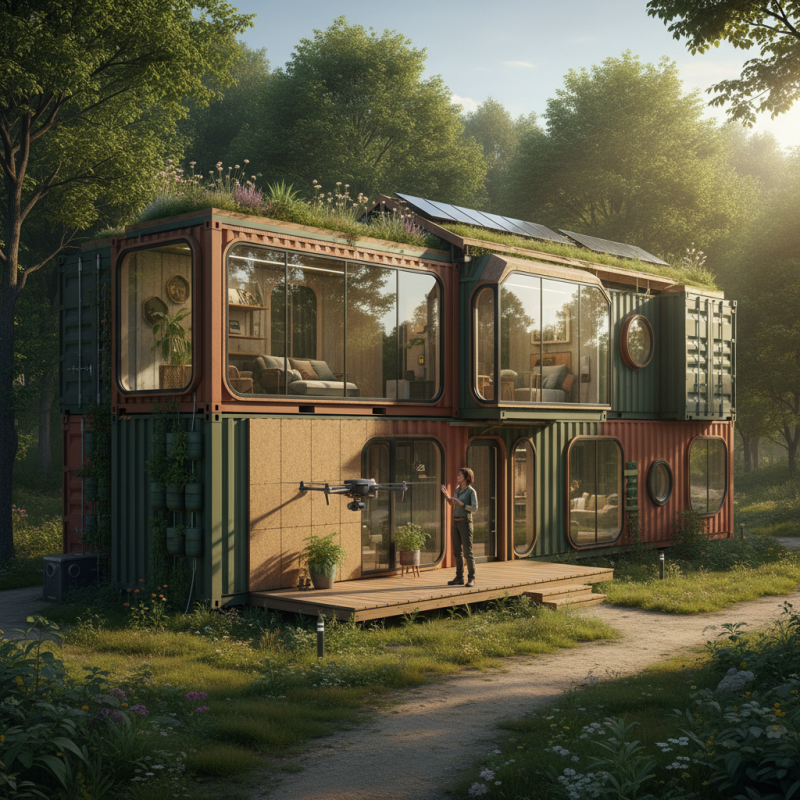
Key trends in design include the integration of energy-efficient technologies, such as solar panels and green roofs, which not only lower energy consumption but also enhance the aesthetic appeal of container homes.
One notable trend is the use of reclaimed materials in conjunction with container structures, promoting a circular economy. Architects are increasingly sourcing local wood and other sustainable materials to complement the steel containers, creating unique and environmentally responsible designs. Additionally, smart home technologies are being incorporated, allowing for greater energy efficiency and enhanced living experiences. Research indicates that homes equipped with smart technologies can reduce energy costs by up to 20%, making them an attractive option for future homeowners.
Tips: When designing a sustainable container home, consider maximizing natural light through strategically placed windows and skylights. This can reduce energy consumption during the day. Also, think about incorporating passive heating and cooling techniques, such as thermal mass materials, to further enhance energy efficiency. Lastly, exploring local zoning laws and building codes can help streamline the construction process and ensure compliance with regional sustainability standards.
Eco-Friendly Insulation Materials for Container Homes: A 2025 Overview
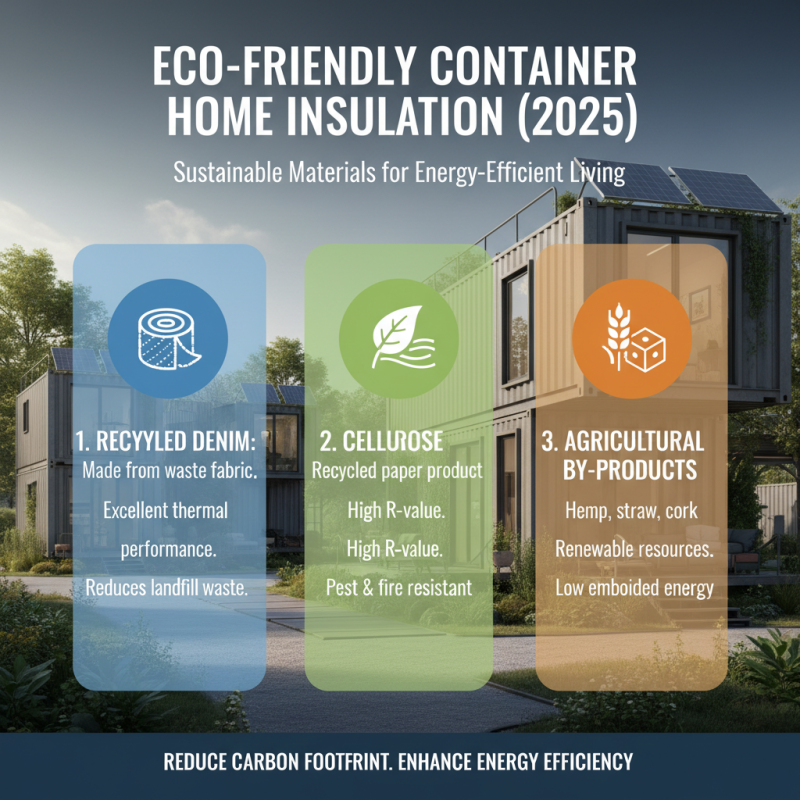
As the movement towards sustainable living continues to gain momentum, eco-friendly insulation materials are increasingly becoming a focal point for container home construction in 2025. These materials not only enhance energy efficiency but also contribute to reducing the overall carbon footprint of homes. Among the most promising options are recycled denim, cellulose, and agricultural by-products, each offering unique benefits that align with eco-conscious building practices. Recycled denim insulation, for instance, provides excellent thermal performance while being composed of waste fabric, reducing landfill contributions.
Cellulose, derived from recycled paper products, is another highly sustainable choice. This material is not only effective in regulating temperature but also demonstrates superior soundproofing qualities. Its ability to absorb moisture helps to create a healthier indoor environment, making it a desirable option for container homes that may experience humidity fluctuations. Moreover, agricultural by-products, such as straw or hemp, are gaining popularity due to their renewability and low ecological impact. These materials can offer comparable insulation properties while promoting sustainable agricultural practices.
Ultimately, the selection of eco-friendly insulation materials for container homes in 2025 encompasses a blend of functionality and environmental responsibility. By choosing sustainable options, homeowners can significantly enhance their living spaces while contributing to a greener future. Innovative insulation solutions will play a crucial role in making container homes not only comfortable but also a blueprint for sustainable architecture.
Recycled and Upcycled Materials for Enhancing Container House Sustainability
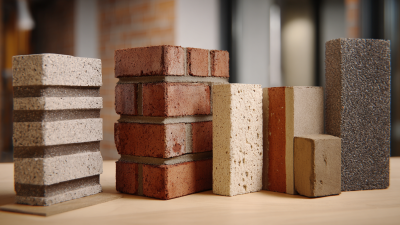
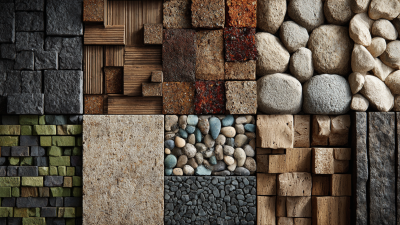
In the pursuit of sustainable living, the use of recycled and upcycled materials in container homes has gained remarkable traction. These innovative building practices not only minimize waste but also contribute to an eco-friendly lifestyle. Incorporating salvaged wood, repurposed metals, and reclaimed bricks can significantly enhance the durability and aesthetic of a container dwelling. For instance, using reclaimed wood for flooring or interior finishes adds warmth and character while reducing the need for new materials, thus lowering the overall carbon footprint of the construction process.
Moreover, upcycling offers creative solutions to traditional design challenges. By converting discarded items like pallets into furniture or using old shipping containers as structural elements, homeowners can create unique spaces that reflect their personal style. This approach not only supports environmental sustainability but also encourages a culture of creativity and resourcefulness. Additionally, integrating insulation made from recycled materials can enhance energy efficiency, ensuring that container homes remain comfortable year-round while significantly reducing energy consumption.
The thoughtful selection of materials fosters not only a sustainable living environment but also promotes an ethos of reusing and repurposing in the broader community.
Innovative Energy Solutions for Container Houses in Sustainable Living
As we move towards 2025, innovative energy solutions for container houses are becoming crucial for sustainable living. One of the most promising advancements is the integration of solar energy systems.
Photovoltaic panels can be installed on the roofs of container homes, converting sunlight into electricity while minimizing the carbon footprint. These systems not only provide a renewable energy source but also empower homeowners with energy independence. With increasing efficiency and lower costs, solar technology is now more accessible, making it an ideal choice for those wanting to embrace sustainable housing.
In addition to solar power, energy storage solutions, such as advanced battery systems, play a vital role in optimizing energy use in container houses. These batteries can store excess energy generated during sunny days for use during nighttime or cloudy periods, ensuring a continuous power supply.
Furthermore, smart energy management systems can be implemented to monitor and control energy consumption, maximizing efficiency and reducing waste. By leveraging these innovative technologies, container homes can achieve a level of sustainability that meets the needs of the modern eco-conscious homeowner.
Regulatory Considerations and Building Codes for Container Homes in 2025
As container homes gain popularity as an innovative solution for sustainable living, understanding the regulatory landscape and building codes is crucial for prospective owners in 2025. Many regions have begun to embrace container housing, but local regulations vary widely. According to the Container Housing Association, approximately 70% of municipalities are still developing specific guidelines for container structures. It's essential for builders and homeowners to consult local planning departments to ensure compliance with zoning laws, occupancy permits, and safety standards.
In 2025, one significant trend in building codes is the integration of eco-friendly materials and sustainable construction practices. The International Code Council has updated its guidelines to encourage the use of renewable resources in building containers, promoting energy efficiency and reduced environmental impact. For instance, container homes are now encouraged to meet the standards set by the International Energy Conservation Code (IECC), which outlines minimum energy efficiency requirements. Furthermore, local jurisdictions may require additional inspections and certifications related to the structural integrity and habitability of repurposed containers, emphasizing the need for thorough compliance with engineering standards.
In navigating this evolving regulatory landscape, potential container home builders should also consider the importance of adhering to accessibility standards as outlined in the Americans with Disabilities Act (ADA). Ensuring that container homes are designed to accommodate individuals with disabilities not only promotes inclusivity but also aligns with broader trends in sustainable living. As the market matures, the emphasis on comprehensive regulatory compliance will be crucial for the long-term viability of container homes as a sustainable living option.
Top Container House Materials for Sustainable Living in 2025
| Material |
Sustainability Rating |
Thermal Performance |
Cost ($/sq ft) |
Regulatory Considerations |
| Recycled Steel |
High |
Excellent |
6.00 |
Complies with most building codes |
| Insulated Panels |
Very High |
Good |
8.50 |
Requires special insulation permits |
| Shipping Container |
Moderate |
Moderate |
5.00 |
Must meet structural standards |
| Wood Composites |
High |
Good |
7.00 |
May have fire regulations |
| Green Roof Systems |
Very High |
Excellent |
10.00 |
Requires specific installation guidelines |
Innovative Design Solutions for Expanding Container Homes: The Space Extension Adaptation
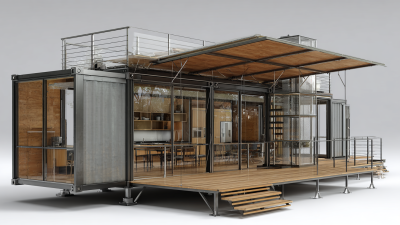
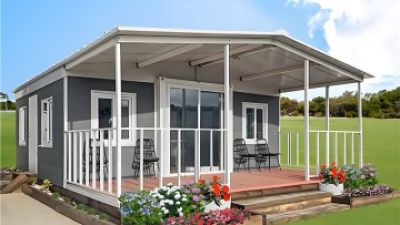
Container homes have garnered significant attention in recent years due to their versatility and sustainability. The innovative design solution of an expandable box presents numerous possibilities for expanding living spaces effectively. This adaptation allows homeowners to maximize their dwellings while maintaining a sleek and modern aesthetic. With the ability to expand on demand, these container homes cater to a variety of needs, whether for growing families, home offices, or temporary living arrangements.
Utilizing advanced materials and modular construction techniques, the expandable box concept not only enhances the livable area but also encourages a smart use of resources. Prospective buyers looking to invest in this transformative solution can access a range of options with favorable price terms such as FOB, EXW, CIF, and CFR, ensuring flexibility in budgeting and logistics. The ports in Nansha, Huangpu, Xinsha, Antian, and Shekou provide strategic access for shipping, making it convenient for homeowners and builders alike. With a minimum order quantity of 100 square meters and a reliable delivery timeframe of 20-25 days, the expandable design is an attractive choice for effective space management without compromising quality.
FAQS
: SIPs can provide up to 50% energy savings compared to traditional framing methods, enhancing thermal performance and reducing the environmental footprint of container homes.
Incorporating recycled steel and repurposed shipping containers significantly reduces carbon emissions, with studies showing lifecycle emissions can be cut by up to 30%.
Sustainable concrete alternatives made with materials like fly ash or crushed glass offer durable and environmentally friendly options that align with green building standards.
Shipping containers can be repurposed, reducing the need for new construction materials, which minimizes landfill waste and lowers the carbon footprint associated with traditional building methods.
Shipping containers provide a strong and durable framework that can be properly insulated, leading to significant energy savings. They are resilient against harsh weather, extending their lifespan and reducing maintenance.
Solar energy systems, such as photovoltaic panels, can be installed on container homes, providing a renewable energy source that promotes energy independence and reduces the carbon footprint.
Advanced battery systems store excess energy generated during the day for use at night or during cloudy periods, ensuring a continuous power supply and optimizing energy use.
Smart energy management systems monitor and control energy consumption, maximizing efficiency and reducing waste, contributing to the overall sustainability of container homes.
The modular nature of container housing allows for innovative designs and configurations, enabling efficient use of space and the ability to create personalized living environments that adapt to changing needs.
By utilizing energy-efficient materials, repurposing robust structures, integrating renewable energy solutions, and minimizing resource utilization, container houses embody the principles of sustainability and contribute to eco-conscious living.
Conclusion
The article "Top Container House Materials for Sustainable Living in 2025" explores the essential materials and innovations shaping the future of sustainable container housing. It highlights the key advantages of using shipping containers, such as their durability and potential for reuse, which make them a viable option for eco-friendly living. Current trends in container house designs emphasize creativity and functionality while integrating eco-friendly insulation materials that optimize energy efficiency.
In addition, the discussion on recycled and upcycled materials showcases how these resources can further enhance the sustainability of container homes. The article also delves into innovative energy solutions tailored for container houses, ensuring they meet the growing demand for sustainable living. Lastly, it addresses the regulatory considerations and building codes relevant to container homes in 2025, providing a comprehensive overview of the landscape for future builders and homeowners.