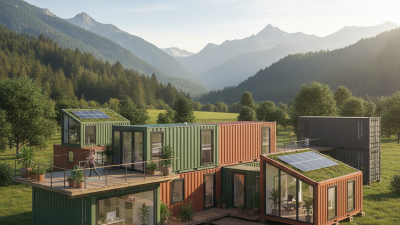
Container House Kits are really changing the way we think about living spaces these days. They take these old shipping containers and turn them into stylish, actually pretty practical homes. Honestly, it’s kinda amazing how versatile they are. Mark T. Anderson from EcoContainer Living, who’s pretty much an expert when it comes to modular homes, says that “A Container House Kit can be a super eco-friendly choice while still looking modern and sleek.” I totally agree—that blend of sustainability and style is hard to beat.
If you're thinking about going the container route, choosing the right kit isn’t always straightforward. You’ve gotta think about stuff like size, what the design looks like, and how well it’s insulated. And don’t forget to check out your local building laws and zoning rules—because not every kit is gonna fit everywhere. Some might have issues like poor ventilation or might need extra waterproofing to handle the weather properly.
Now, while there are some pretty big perks, there are also a few hurdles. For instance, not all kits are customizable to the extent you might want, and the quality can really differ depending on which manufacturer you go with. That’s why it’s a smart idea to read reviews and maybe even ask for some expert advice before jumping in. Thinking these things over can save you a lot of headaches later.
All in all, investing in a Container House Kit can be an exciting project! It’s a cool way to combine eco-conscious living with modern design—definitely worth considering if you’re into that kind of thing.
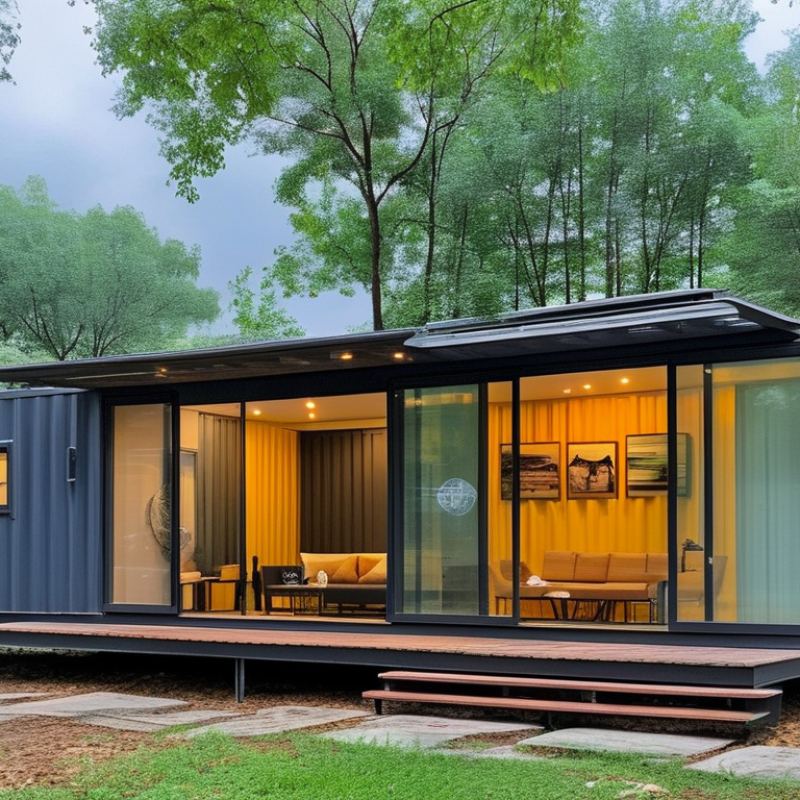
What is a Container House Kit?
Container house kits are becoming increasingly popular for their sustainability and affordability. These structures are built from repurposed shipping containers, which can significantly reduce waste. According to the World Economic Forum, the global market for modular construction, including container homes, is expected to reach $157 billion by 2023. This reflects a growing shift towards innovative housing solutions.
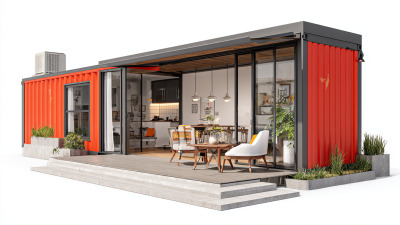
A typical container house kit includes essential components: pre-fabricated containers, insulation, windows, and doors. These kits are designed for easy assembly, making them accessible for DIY enthusiasts. However, potential buyers shouldn’t overlook important factors. Local building codes and regulations vary greatly. It's crucial to ensure compliance to avoid future complications.
While container homes offer flexible designs, they can present challenges. Insulation is vital, given metal’s propensity to heat up or cool down quickly. Poor insulation can lead to discomfort and higher energy costs. Additionally, the initial design may not fit the actual needs of the occupants. Investing time in planning can help mitigate these issues, ensuring the home is both functional and efficient.
Benefits of Using Container House Kits
Container house kits have gained popularity due to their unique benefits. One major advantage is their affordability. Using repurposed shipping containers can significantly reduce construction costs. Additionally, container houses are quick to set up. Many kits come with prefabricated components that streamline the building process.
Sustainability is another compelling reason to choose these kits. They help reduce waste and the environmental impact of traditional construction. By opting for container house kits, you contribute to eco-friendly living. These homes can be energy-efficient when designed correctly.
Tips: When selecting a container house kit, consider its insulation and structural integrity. Proper insulation is key to comfort. Also, assess the local climate. Not all designs suit every environment. Lastly, be aware that container houses can be modified for various uses, including Container House Disaster Relief. Flexibility in design allows these homes to serve as temporary shelters or permanent residences.
Key Features to Look for in Container House Kits
When exploring container house kits, certain key features are vital for making an informed choice. First, insulation is crucial. Effective insulation ensures comfortable living conditions. A study by the Green Building Council shows that well-insulated homes can save up to 40% on energy costs. This statistic is significant for those looking for sustainable living options.
Another important aspect is the structural integrity of the kit. Look for kits made from high-quality materials. The quality affects durability and safety. According to a report by the International Institute of Container Housing, over 60% of container homes face issues due to subpar materials. This statistic highlights the need for careful material selection.
Tip: Always check for certifications regarding materials used. It adds an extra layer of reliability. Additionally, consider customization options. A flexible design can adapt to your needs over time. Not all kits allow for modifications, which can limit your future choices. Reflect on how your living space might evolve.
Ventilation also plays a significant role in container homes. Proper airflow reduces moisture and improves indoor air quality. Research indicates that homes with good ventilation can see a 30%% decrease in indoor pollutants. Investing in ventilation features can lead to better health outcomes.
Types of Container House Kits Available
Container house kits have gained popularity for their eco-friendliness and cost-effectiveness. Understanding the types available helps in making an informed choice.
There are various types of container house kits tailored to different needs. Standard kits often consist of one or more shipping containers, typically 20 or 40 feet long. These are versatile and can be mixed and matched. Modular kits, on the other hand, come with pre-designed layouts. They are ideal for those looking for convenience. Custom kits allow for personal creativity but may take longer to deliver.
Tips for choosing: Look for insulation and ventilation options. Containers can get hot or cold depending on the climate. Consider the layout based on your lifestyle. This affects how comfortable your space will be. Lastly, research local building codes. They will guide you in avoiding potential legal hassles.
While container kits are appealing, remember they have limitations. Limited natural light is a common issue. The original container structure might need reinforcement. It's crucial to envision what modifications may be necessary. Think about how you will utilize the space effectively.
Container House Kits Popularity by Type
Factors to Consider When Choosing a Container House Kit
When choosing a container house kit, several factors are critical to ensure a successful project. One of the main considerations is insulation. Reports indicate that insulation quality can impact energy efficiency by up to 50%. This directly affects the Container House Climate Control, which can lead to significant long-term savings.
Design flexibility is also essential. Modular designs allow for creative configurations. Some kits may include pre-designed layouts, but custom options cater to unique needs. Understand your space requirements clearly before committing to a specific layout. This can save time and prevent regrets later.
Tips: When evaluating kits, pay attention to customer reviews and testimonials. These can provide insights into durability and ease of assembly. Additionally, check for companies that offer post-purchase support. A reliable support system can mitigate potential issues during the construction phase. Investing in high-quality materials is crucial; cheap kits may lead to unforeseen costs down the line. Consider environmental factors and choose a location that maximizes natural light.
Understanding the Cost of Container House Kits
Container house kits are an innovative solution for affordable housing. However, understanding their cost is crucial for potential buyers. The average price range for a container house kit can vary significantly. According to industry reports, basic kits start at around $10,000, while custom models can exceed $50,000. Price can be affected by design, features, and local labor costs.
When considering the cost, it's vital to factor in additional expenses. Land purchase, site preparation, and utility connections can increase the budget substantially. A comprehensive estimate should include all these elements to avoid financial surprises later. It’s common for new buyers to underestimate these costs. Therefore, potential owners should conduct thorough research.
Tip: Always ask for a detailed breakdown of costs from suppliers. Compare several Container House Portable Housing options. Another area to reflect on is resale value. Research market demand for container homes in your area. This insight can be critical for long-term investment decisions.
Design Options for Container House Kits
Container house kits offer diverse design options, appealing to various lifestyles. The versatility in layout and aesthetics is one of the key benefits of choosing a container home. A recent report by the Container Home Association highlights that over 30% of container home buyers prioritize unique design features. This shows the growing trend toward personalized living spaces.
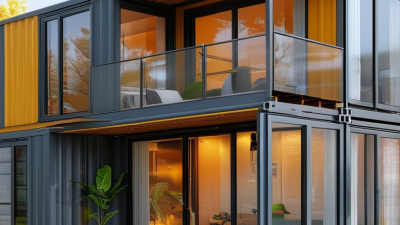
When considering a container house kit, think about the layout. Open-concept designs maximize space and light. Alternatively, buyers may select modular layouts that allow for expansion. Features like oversized windows or eco-friendly siding are also popular. These choices not only enhance beauty but support Container House Eco Architecture principles, promoting sustainability.
Tips: Always check zoning laws before purchasing. Local regulations can influence design options significantly. Ensure the kit includes insulation plans to enhance energy efficiency. Also, think critically about your lifestyle needs. Will the design allow for functional living over the years? The right choices today will create lasting satisfaction in your container home.
What is a Container House Kit and How to Choose One? - Design Options for Container House Kits
| Design Option |
Material |
Estimated Cost |
Size (sq ft) |
Eco-Friendly Features |
| Single Container Home |
Steel |
$25,000 |
160 |
Solar Panels |
| Two-Container Home |
Steel |
$40,000 |
320 |
Rainwater Harvesting |
| Stacked Container Home |
Steel |
$75,000 |
640 |
Green Roof |
| Custom Modular Container |
Steel & Wood |
$100,000 |
800 |
Energy Efficient Insulation |
FAQS
: Container house kits are affordable and quick to set up, reducing construction costs significantly.
They help lower waste and reduce the environmental impacts of traditional building methods.
Consider insulation, structural integrity, and the local climate for comfort and suitability.
Yes, they can serve as temporary shelters or permanent residences based on design flexibility.
Options include open-concept designs, modular layouts, oversized windows, and eco-friendly siding.
Local regulations can limit design choices and require adjustments to your plans.
Proper insulation is essential for maintaining comfortable temperatures throughout the year.
Eco-friendly siding and energy-efficient designs support sustainable living in container homes.
Reflect on how the design will meet your needs for functionality over many years.
Thoughtful choices about layout and features will contribute to lasting contentment and practical living.
Conclusion
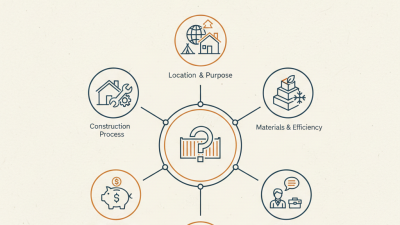
A Container House Kit is a modular construction solution that utilizes repurposed shipping containers as the primary building material. These kits offer numerous benefits, including cost-effectiveness, sustainability, and quick assembly. When choosing a Container House Kit, it's essential to consider key features such as insulation, water-resistant materials, and customizable designs to ensure that the final product meets your living needs.
Various types of Container House Kits are available, catering to different preferences and budgets. Factors such as location, intended use, and local building regulations also play a critical role in the selection process. Additionally, understanding the costs associated with Container House Kits, including potential design options, can help in making a well-informed decision for your future home.