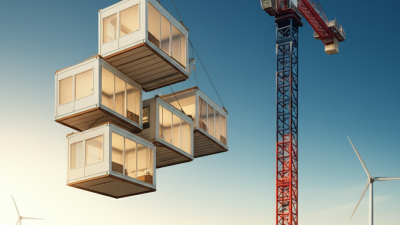
Lately, prefab houses have really been gaining popularity, and it’s not hard to see why. More people are looking for sustainable and efficient ways to live, and these homes fit the bill perfectly. According to a report by the Modular Building Institute, the market for prefab construction is expected to hit around $157 billion by 2025 — that’s a huge shift, showing how folks are leaning toward more affordable and eco-friendly housing options. When you’re trying to balance your budget with your dream home design, the big question is: how do you pick the right prefab house that’s actually suited to your unique needs?
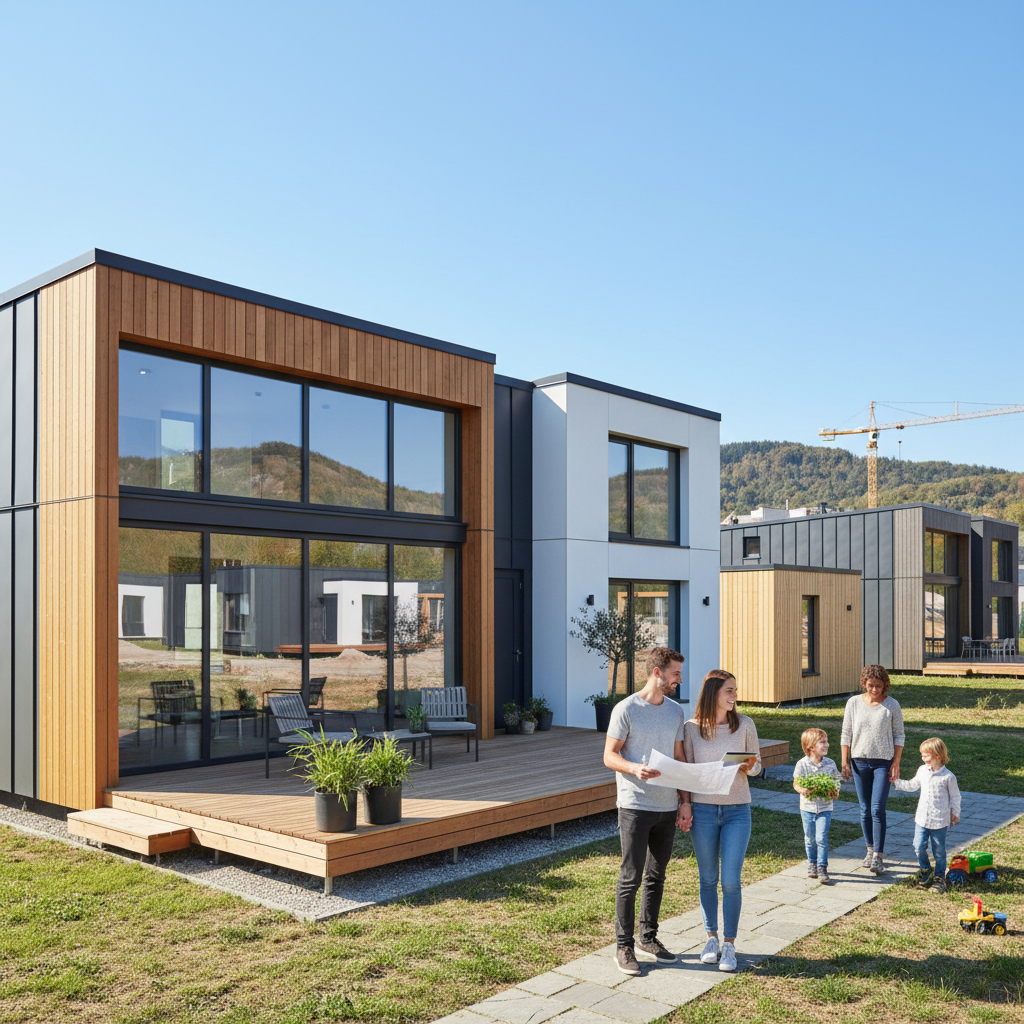
John Smith, CEO of EcoModular Homes and a real expert in the field, pushes the idea that customization is key in this industry. He says, “Choosing the right prefab house isn’t just about saving money; it’s about finding a design that reflects your lifestyle while still being super efficient.” With so many styles, sizes, and materials out there, it can feel a bit overwhelming to find what really works for you.
This article’s gonna break down what you should think about when shopping for a prefab home — sharing tips from industry pros, interesting case studies, and the latest trends to help you make better choices for 2025’s top options.
Understanding Prefab House Types: Key Features and Benefits
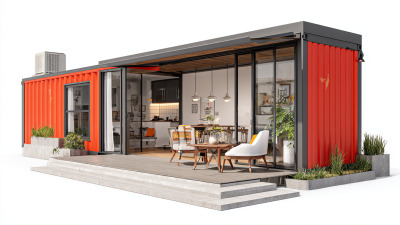
When considering a prefab house, it's essential to understand the various types available, as each offers unique features and benefits. One popular type is the modular home, which is constructed in sections in a factory setting and then assembled on-site. This option often provides a more customizable design, allowing homeowners to select layouts, finishes, and energy-efficient materials.
Additionally, modular homes typically have shorter construction times compared to traditional builds, making them an attractive choice for those who need to move in quickly.
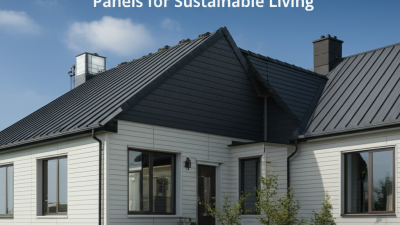
Another prevalent option is the panelized home, which consists of pre-manufactured wall panels delivered to the site for assembly. This type of prefab house allows for a faster building process while still offering flexibility in design.
With built-in insulation and the potential for eco-friendly materials, panelized homes can also be energy-efficient, significantly reducing heating and cooling costs over time.
Understanding these different prefab house types empowers prospective buyers to make informed decisions that align with their lifestyle, needs, and budget.
Evaluating Your Budget: Cost Factors in Prefab Home Construction
When evaluating your budget for a prefab home, there are several critical cost factors to consider. One of the main expenses will be the construction and delivery fees, which can vary significantly based on the complexity of the design and the distance from the manufacturing facility to your desired location. Additionally, it’s essential to account for land costs, including purchasing the plot and any required site preparation, such as clearing, leveling, or utility hookups. These preliminary expenses can quickly add up, so a detailed site assessment is necessary.
Another important aspect is the customization options available. While many prefab homes come with standard designs, you may want to add personal touches or upgrades, which can increase the overall cost. Factors such as material quality, energy efficiency features, and interior finishes also play a role in the final price. Thus, it’s crucial to prioritize your needs and preferences, ensuring that your budget aligns with the types of modifications you are considering for your new home. Careful planning and research can lead to a successful purchase that meets both your financial constraints and lifestyle requirements.
Assessing Land Choices: How Location Impacts Prefab Home Selection
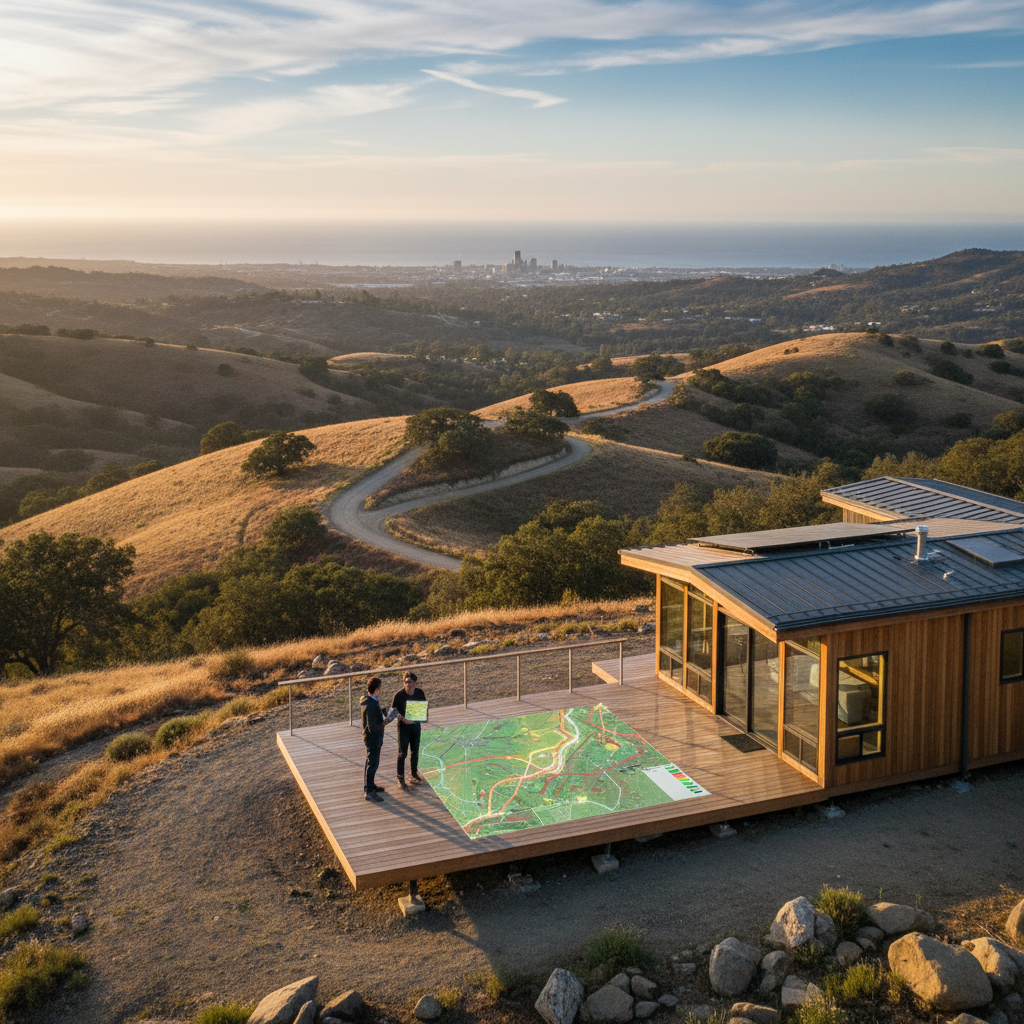
When selecting a prefab house, the impact of land choices and location cannot be overstated. In California, where housing costs are notoriously high, the choice of location dramatically influences both the budget and the viability of prefab home options.
Proximity to urban centers often leads to increased property prices, necessitating careful consideration of the balance between location desirability and financial feasibility. By analyzing residential trajectory data, potential homeowners can make informed decisions that align with their lifestyle preferences and budget constraints.
Moreover, the integration of AI technologies in land development can significantly enhance the selection process for prefab homes. Embracing innovative modeling techniques allows homebuyers to assess various factors such as transportation accessibility, environmental sustainability, and community amenities. For individuals exploring prefab housing solutions, these strategic insights can facilitate smarter decisions that not only accommodate immediate housing needs but also contribute to long-term sustainability goals. Hence, understanding how location impacts the choice of prefab homes is crucial in navigating California's complex housing market.
Customization Options: Balancing Personal Style and Practicality
When choosing a prefab house, customization options play a critical role in balancing personal style with practicality. Just like selecting the perfect band for a smartwatch, homeowners can reflect their unique tastes through various enhancements, including exterior finishes, interior layouts, and energy-efficient technologies. This personalization allows individuals to create a space that not only looks good but also meets their specific needs, making each home truly their own.
Additionally, just as smartwatch users might opt for different bands to suit various occasions or activities, homeowners should consider their lifestyle when customizing their prefab houses. Whether it’s adding a sunroom for relaxation, incorporating smart home features for convenience, or choosing sustainable materials for eco-friendliness, the possibilities are endless. Ultimately, the goal is to find the right balance that marries aesthetic appeal with functional living, ensuring that the finalized home is not only beautiful but also livable for years to come.
Sustainability Considerations: Eco-Friendly Features in Prefab Homes
When selecting a prefab house, sustainability should be at the forefront of your decision-making process. Eco-friendly features not only reduce the environmental impact of your home but also can lead to significant energy savings over time. According to a report from the U.S. Department of Energy, energy-efficient homes can save homeowners between 20% to 30% on energy costs annually. This means investing in a prefab home with features like enhanced insulation, energy-efficient windows, and advanced HVAC systems can pay off in the long run, making them an economically sound choice as well.
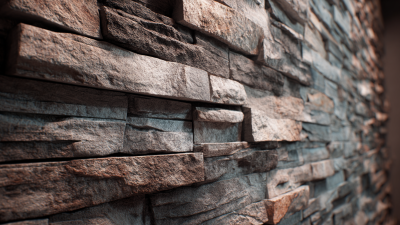
Moreover, many prefab homes utilize sustainable building materials such as reclaimed wood, recycled steel, and low-VOC paints, which minimize the ecological footprint. A study by the National Institute of Standards and Technology highlights that these materials not only favorably impact indoor air quality but also contribute to achieving LEED certification, which many buyers now prioritize. As more consumers become aware of their carbon footprint, the demand for sustainable prefab homes continues to grow, reflecting a significant shift in industry trends towards greener construction practices.
Analyzing Market Trends: Current Demand for Prefab Housing Solutions
The demand for prefab housing solutions has surged in recent years, driven by a variety of factors including affordability, sustainability, and the need for rapid construction. As homebuyers increasingly prioritize efficiency and cost-effectiveness, many are turning to prefabricated homes as a viable alternative to traditional construction. This shift is particularly pronounced among millennials and first-time buyers, who often seek innovative living options that fit their budgets without compromising quality.
Market trends indicate a growing interest in customizable prefab designs that cater to diverse lifestyles and preferences. Consumers are not only looking for homes that are easy to assemble but also those that offer eco-friendly features and modern aesthetics. Companies are responding to this demand by expanding their offerings to include a wide range of sizes, styles, and energy-efficient technologies. As the market evolves, staying informed about these trends is crucial for prospective buyers aiming to make an informed decision that aligns with both their needs and financial capacity.
Current Demand for Prefab Housing Solutions (2023)
FAQS
: Customization options for prefab houses include exterior finishes, interior layouts, and energy-efficient technologies. Homeowners can personalize their space to reflect their unique tastes and specific needs.
Homeowners should consider their lifestyle when customizing prefab homes, choosing features like sunrooms for relaxation, smart home technologies for convenience, or sustainable materials for eco-friendliness to enhance their living experience.
The demand for prefab housing has increased due to factors such as affordability, sustainability, and the need for rapid construction. Many homebuyers, especially millennials and first-time buyers, are looking for efficient and cost-effective alternatives to traditional homes.
Millennials and first-time homebuyers are primarily driving the trend towards prefab homes. They often seek innovative housing solutions that are budget-friendly and do not compromise on quality.
Consumers are increasingly looking for customizable prefab designs that offer eco-friendly features, modern aesthetics, and ease of assembly, catering to diverse lifestyles and preferences.
Companies are responding by expanding their offerings to include a variety of sizes, styles, and energy-efficient technologies in prefab homes, aligning their products with current market trends.
The main goal of customizing a prefab house is to find a balance between aesthetic appeal and functionality, ensuring that the home is not only visually pleasing but also livable for years to come.
Staying informed about market trends is crucial for prospective buyers to make informed decisions that align with their needs and financial capacity, especially as the prefab housing market evolves.
Conclusion
Choosing the right prefab house involves a careful consideration of various factors, starting with an understanding of the different types of prefab houses available and their unique features. Potential homeowners should evaluate their budget against the various costs associated with prefab home construction, ensuring that it aligns with their financial capabilities. Land choices also play a critical role, as location can influence not only the price but also the suitability of a prefab home for specific climates and regulations.
Customization options are essential to balance personal style with practicality, allowing homeowners to create spaces that reflect their tastes while meeting functional needs. Moreover, sustainability considerations should not be overlooked, as many prefab houses incorporate eco-friendly features that appeal to environmentally conscious buyers. Keeping an eye on market trends is crucial, as the demand for prefab housing solutions continues to rise, indicating a shift towards more efficient and versatile living options. At Guangdong Vicdowex Modular Housing Technology Co., Ltd., we embrace these principles of standardization and modularization to offer comprehensive solutions that cater to modern housing needs.