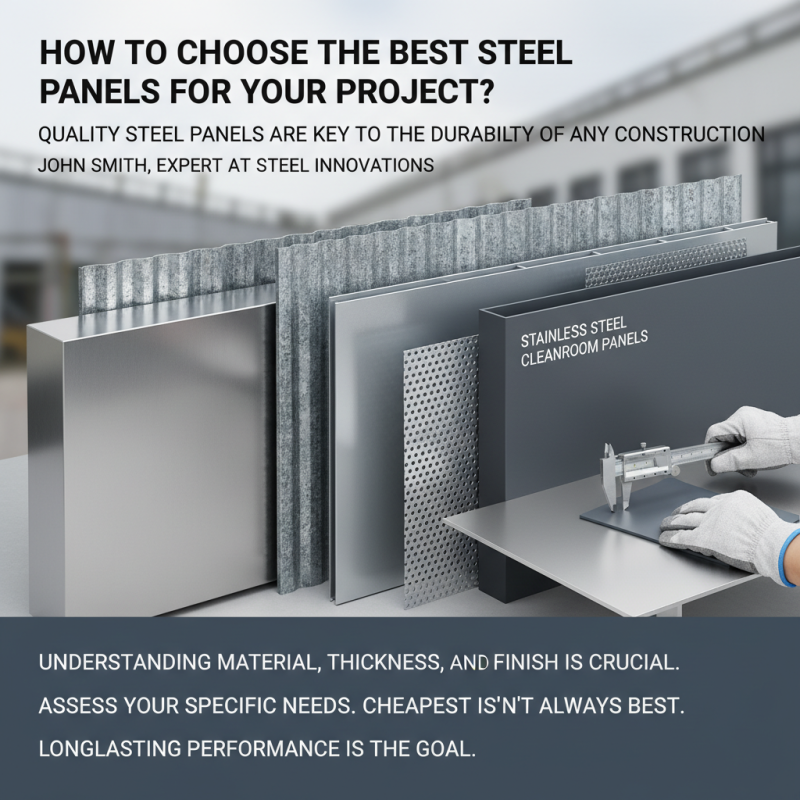
Picking out the right steel panels for your project can actually feel pretty overwhelming sometimes. I mean, John Smith from Steel Innovations once told me that, ‘Good quality steel panels are really the backbone of any durable build.’ Honestly, it’s so important to understand the different kinds of panels out there because they can vary a lot — from the materials used, to how thick they are, and even the finish.
For instance, stainless steel cleanroom panels are a big deal in places where hygiene can’t be compromised — they’re built to resist contamination and are super easy to keep clean. But here’s the thing — not every project needs those super strict cleanroom standards. It’s really worth taking the time to figure out what your specific needs are before you pick something.
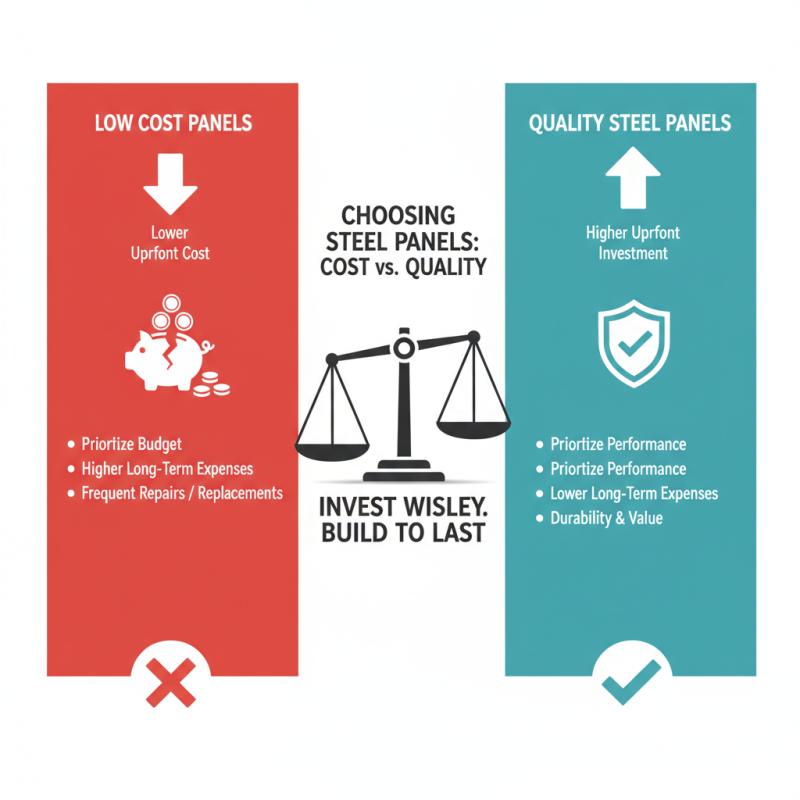
And let’s be honest, it’s easy to make mistakes here. Going for the cheapest option might seem like a win upfront, but it can really bite you later on with higher maintenance costs. The best panel for your project should match the environment it’s going into and what you actually need it to do. Thinking through all these things can actually save you a lot of hassle down the line. At the end of the day, choosing the right steel panels isn’t just about how they look — it’s about making sure they hold up and perform well over time.
Understanding Different Types of Steel Panels Available
When choosing Steel Panels, understanding the types available is essential. Steel panels come in various forms, including corrugated, flat, and insulated. Corrugated steel panels are known for their ribbed design, providing strength and durability. They are often used in roofing and siding applications.
Flat steel panels offer a sleek, modern look. These panels can be painted or finished to enhance aesthetics. Insulated steel panels feature a core that improves thermal efficiency, making them ideal for buildings in extreme climates. Each type has unique benefits that can influence your decision.
Consider how the panels will be used. For a warehouse, durability might be crucial. A cozy home may prioritize insulation and appearance. You might find that some panels are more expensive than anticipated. This reality could lead to rethinking your initial choices. Take your time and research thoroughly. Choosing the right steel panels can significantly impact your project's overall success.
Evaluating Steel Panel Thickness and Durability
When selecting steel panels, thickness and durability play crucial roles. Research indicates that steel panels typically range from 22 to 14 gauge. Thicker panels often resist deformation and withstand harsh weather conditions better. The choice of gauge impacts not only the strength but also the overall weight of the panels. A 14-gauge panel is significantly heavier than a 22-gauge one. This factor can affect installation processes and support requirements.
Durability is equally vital. Steel panels are often evaluated for their resistance to rust and corrosion. A study by the Institute of Steel Construction found that galvanized coatings extend the lifespan of steel panels by an average of 20 years. However, it's essential to consider the environment. Coastal areas with salt exposure may accelerate corrosion. Proper maintenance practices can mitigate these risks but require ongoing commitment.
Unexpected factors can also emerge. Even with high-quality materials, improper installation can lead to issues down the road. It’s vital to ensure that panels are correctly sealed and fastened. The decision-making process involves weighing short-term costs against long-term benefits. Each project presents unique challenges, so careful evaluation is necessary.
Assessing Corrosion Resistance in Steel Panels
When selecting steel panels, corrosion resistance is crucial. Corrosion can significantly reduce the lifespan and durability of your project. Look for panels with protective coatings, like galvanization. These coatings help keep moisture and salt at bay. Also, consider the environment where panels will be used. Marine locations often require higher resistance.
Testing the local climate conditions is vital. Humidity, rainfall, and temperature fluctuations can affect steel. A project may seem perfect on paper, but real-world factors often create unexpected issues. Regular maintenance can also be overlooked, leading to corrosion over time. Investing in high-quality panels, such as Color Steel Rockwool Sandwich Panel, can pay off in the long run.
Evaluate the steel's composition as well. Alloys can enhance performance. For example, stainless steel offers better resistance. It's also worth noting that not all panels are created equally. Choosing the wrong type can result in costly repairs later. A project that seems sound initially might face challenges down the road due to insufficient corrosion resistance.
Choosing the Right Finish for Steel Panels
Choosing the right finish for steel panels is crucial. The finish not only affects aesthetics but also impacts durability. A more polished surface can enhance appearance. However, it may require more maintenance over time. Some finishes resist corrosion better than others. This is an essential consideration for outdoor applications.
Matte finishes tend to hide imperfections well. They can create a modern look, but they may not be as weather-resistant. On the other hand, glossy finishes shine brightly and can reflect light beautifully. Yet, they can show fingerprints and smudges easily. Think carefully about the environment where the panels will be used.
Consider your project's location. High humidity areas need finishes that combat rust. Urban environments might call for options resistant to pollution. Each choice comes with trade-offs and it's okay to feel uncertain. This decision deserves careful thought and reflection. The right finish makes a difference over time. Your initial choice impacts long-term satisfaction.
How to Choose the Best Steel Panels for Your Project? - Choosing the Right Finish for Steel Panels
| Finish Type |
Durability |
Maintenance Level |
Cost Range ($/sq ft) |
Best Use Case |
| Galvanized |
High |
Low |
2.00 - 3.50 |
Outdoor Structures |
| Powder Coated |
Very High |
Medium |
3.00 - 5.00 |
Architectural Elements |
| Zinc Alloy |
High |
Low |
3.50 - 5.50 |
Industrial Use |
| Stainless Steel |
Very High |
Very Low |
5.00 - 10.00 |
Food Processing, Medical |
| Pre-Painted |
Medium |
Medium |
2.50 - 4.50 |
Residential Projects |
Determining Cost vs. Quality in Steel Panels
Choosing the right steel panels requires careful consideration of cost and quality. When assessing options, it’s easy to prioritize budget over performance. However, low-cost panels may lead to higher long-term expenses. They could result in repairs or replacements that diminish overall value. Spending more upfront can be wiser in certain situations.
Tips: Evaluate the lifespan of the steel panels. A higher-quality option usually lasts longer. Look for panels resistant to corrosion and weathering. These features can save money over time.
On the other hand, some projects may not require top-tier materials. If your budget is tight, consider alternatives. Steel Structure Rockwool Sandwich Panels can offer decent insulation at a lower price. Yet, weigh the durability against the cost. The wrong choice can limit your project’s success.
Tips: Always read reviews. Past customer experiences can offer insights into quality. Also, consult with professionals when unsure. Their advice can guide you toward a balance between cost and quality.
Identifying Environmental Considerations for Steel Panels
When selecting steel panels, environmental considerations play a crucial role. Steel production is energy-intensive, generating significant CO2 emissions. According to the World Steel Association, about 1.9 billion tons of steel were produced globally in 2020 alone. This figure highlights the industry’s environmental impact. Choosing recycled steel panels can reduce energy consumption by up to 74%. Such choices lower your project's carbon footprint.
Consider the lifecycle of Steel Building Materials. From production to disposal, these panels can contribute to environmental harm. Yet, steel is highly recyclable. Reports indicate that nearly 90% of steel can be recycled after use. Engaging with these statistics prompts a deeper reflection on sustainability practices in construction. Each project can incorporate efficient designs that utilize fewer resources, reducing overall waste.
The choice of coating for steel panels also matters. Some coatings are more eco-friendly than others. For instance, powder coatings emit fewer volatile organic compounds than traditional paints. Understanding these factors can be challenging. Contractors must weigh durability against environmental impact when making choices. Inadequate knowledge can lead to poor decisions, raising questions about environmental stewardship in the industry. Emphasizing sustainability in your decisions will positively impact future generations.
Selecting the Suitable Steel Panel for Specific Applications
When selecting steel panels, consider the specific application first. For instance, the thickness and type of steel influence both strength and durability. Thinner panels may suffice for less demanding environments. In contrast, heavy-duty applications necessitate panels with higher gauge thickness. According to the American Iron and Steel Institute, hot-rolled panels provide enhanced flexibility, making them ideal for complex shapes.
Another critical factor is corrosion resistance. Different environments expose panels to varying levels of moisture and chemicals. For example, coastal areas require panels with higher resistance to saltwater. A study by the National Association of Corrosion Engineers indicates that 30% of structural failures can be traced back to corrosion issues. Choosing the wrong panel could lead to costly repairs down the line.
Additionally, consider the aesthetic aspect of steel panels. While functionality is key, visual appeal can also play a role. The right finish can elevate a project’s overall design. However, it’s important not to sacrifice usability for looks. Balancing both elements requires thoughtful evaluation of material properties.
Steel Panel Selection for Various Applications
Revamp Your Entryway: Explore the Benefits of Colored Steel Clean Doors for a Durable and Stylish Home Entry Solution
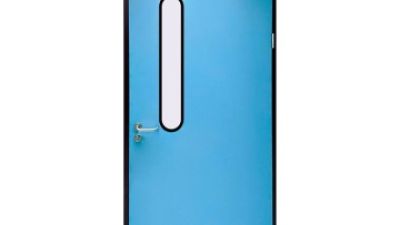
Revamping your entryway with colored steel clean doors offers a perfect blend of durability and style, making it an ideal choice for homeowners looking to enhance their home’s first impression. These doors boast a construction thickness of 40mm or 50mm, ensuring excellent insulation and security while maintaining a sleek appearance. The outer layer consists of a color-coated steel plate with a thickness of 0.5mm, which not only adds aesthetic appeal but also increases resistance to weather elements and wear, giving you peace of mind for years to come.
Moreover, the internal filling options, including high-strength paper honeycomb, aluminum honeycomb, or rock wool, provide superior sound insulation and thermal efficiency. According to industry reports, homes equipped with well-insulated doors can save up to 15% on energy bills annually, underlining the practical benefits of investing in quality entry solutions. The door frames also feature robust profiles with a thickness of 1.2mm, enhancing stability and security.
With customizable options like windows, door closers, and various locking mechanisms, colored steel clean doors cater to specific preferences and functional needs. Available in both single and double door configurations, these doors can accommodate large entryways—up to 1100*2500 for single doors and 2200*2500 for double doors—making them versatile for various architectural styles. The combination of style, durability, and customization ensures that your entryway stands out while providing the functionality that modern homeowners require.
FAQS
: The product aims to enhance convenience in daily tasks. It simplifies processes and saves time.
It is designed for a wide audience. Anyone looking for efficiency can benefit.
There are no specific age restrictions mentioned. However, adult supervision may be required for young users.
Regular cleaning and proper storage are essential. This ensures longevity and optimal performance.
Technical issues might arise, and troubleshooting steps are provided. Reflection on usage can help identify problems.
A warranty is included, but details vary. Check the documentation for specific terms and conditions.
The product features eco-friendly materials, aiming to reduce environmental impact. It's a small step toward a larger goal.
It performs well in various settings, but certain conditions may affect its efficiency. Assess the environment beforehand.
It includes multiple functionalities, enhancing user experience. However, some features may not be essential for everyone.
Feedback can be submitted through various channels. Sharing insights can help improve future versions.
Conclusion
When choosing the best steel panels for your project, it's essential to understand the different types available, each suited for specific applications. Evaluating steel panel thickness and durability will help ensure they meet your structural requirements. Additionally, assessing corrosion resistance is crucial for long-lasting performance, especially in harsh environments. The finish of the steel panels can also impact both aesthetics and protection, so selecting the right one is important.
Cost versus quality is another factor to consider, as investing in higher-quality steel panels often saves money in the long term due to decreased maintenance needs. Finally, environmental considerations should not be overlooked; opting for panels that adhere to sustainable practices can contribute positively to your project. By carefully weighing these factors, you can select the most suitable steel panels that fit your needs and specifications.