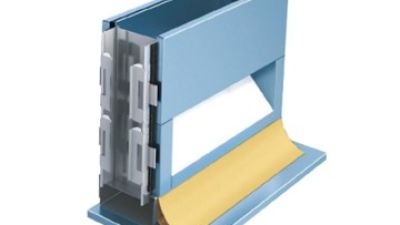
Picking the best insulated wall for your building isn't something to take lightly. Honestly, the right materials can make a huge difference—not just in how comfortable your space feels, but also for your wallet when it comes to energy bills. Did you know that, according to the U.S. Department of Energy, good insulated walls could cut down your heating and cooling costs by up to 30%? That’s pretty impressive and just shows how important it is to make smart choices here.
Dr. Emily Wong, who’s pretty much an expert in building insulation at Insulation Innovations, points out, "Choosing the right insulated wall system can really impact a building's performance in the long run." Her words remind us—I mean, we shouldn’t just pick any option but really think it through.
Now, when you’re looking at Thermal Insulated Wall Panels, be aware there are some pitfalls. Not all panels are created equal, and using the wrong one can lead to inefficiencies — especially depending on your building’s design, the climate you’re in, or local building codes. That’s why chatting with an expert can really save you headaches later. It’s a bit complex, so getting good advice is definitely worth it.
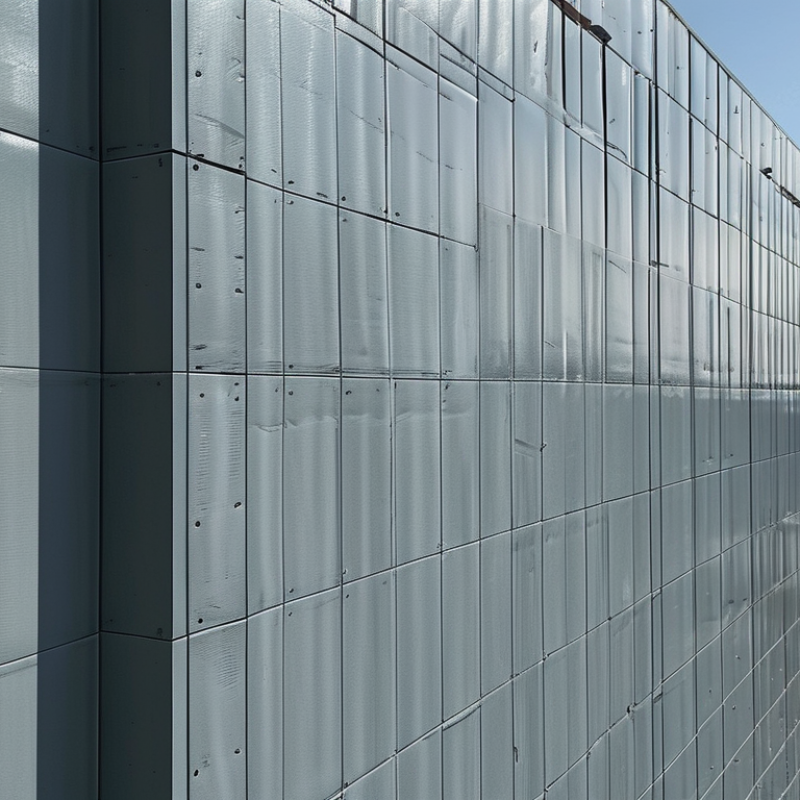
Understanding Insulated Walls: Fundamentals of Thermal Resistance
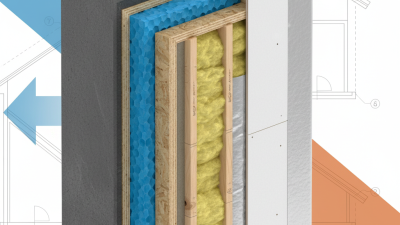
Understanding Insulated Walls is crucial for effective building design. Thermal resistance is the core aspect to consider. This resistance indicates how well the wall can resist heat flow. Higher thermal resistance means better energy efficiency. Factors influencing thermal resistance include insulation type, thickness, and material properties.
Choosing the right insulated wall can be challenging. Focus on R-value, which measures insulation effectiveness. A higher R-value signifies better insulation. However, don’t solely rely on numbers. Real-world performance can differ due to factors like installation quality and moisture issues. Ensure proper sealing around the insulated wall to maximize its performance.
Tips for selecting insulated walls include evaluating local climate requirements. Adjust insulation levels according to temperature ranges. Inspect wall materials for durability and compatibility with insulation. Consider using eco-friendly options that reduce environmental impact. Always consult experts to refine your selection process. While your choices may seem sound, keep in mind that no system is perfect, and ongoing adjustments may be needed for optimal results.
Types of Insulation Materials: Comparing Performance and Cost
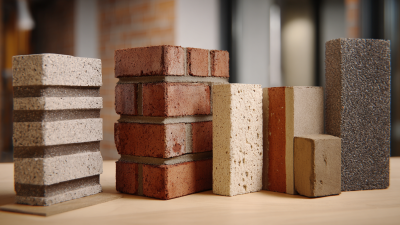
Choosing the right insulation material for your building can greatly impact energy efficiency and comfort. There are various types of insulation materials, each with different performances and costs. Rockwool is a popular choice for its fire resistance and sound-dampening qualities. The Exterior Wall Rockwool Sandwich Panel provides excellent thermal performance and is often favored in commercial construction.
When evaluating insulation options, consider the R-value, which indicates thermal resistance. Higher R-values generally mean better insulation. Materials such as fiberglass and foam board come with varying costs but can differ significantly in effectiveness. While fiberglass is affordable, it may not offer the same thermal performance as rockwool. Reflect on the long-term savings of investing in superior insulation.
Tips: Check local codes to ensure compliance with insulation requirements. It is also wise to balance upfront costs with future energy savings. Remember that the installation process can affect overall performance, so consider hiring a skilled contractor for the job. Balancing cost and performance requires careful thought; what might be inexpensive now could lead to higher energy bills later.
Factors Influencing Insulation Efficiency in Building Design
When selecting the best insulated wall for your building, several factors impact insulation efficiency. The material of the wall plays a crucial role. According to the U.S. Department of Energy, materials such as insulated concrete forms (ICFs) can significantly reduce thermal bridging, which enhances energy efficiency. Overall, proper material choice can cut heating and cooling costs by 30% or more.
Another critical factor is the wall assembly design. A comprehensive study from the National Institute of Standards and Technology shows that an air barrier system integrated into the wall can prevent air leaks, dramatically improving performance. Even the best materials won't achieve full effectiveness without proper installation. Poor workmanship can compromise insulation benefits, leading to energy loss.
Climate is an often overlooked aspect. Different regions require tailored insulation solutions. For example, a building in a hot climate may prioritize reflective materials, while cold climates need high R-values. The optimal solution requires a balanced approach, integrating local climate conditions with building design. As designs evolve, continuous evaluation is essential to achieve superior energy efficiency.
The Role of R-Value: Measuring Wall Insulation Effectiveness
When selecting the best insulated wall for a building, understanding R-value is crucial. R-value measures thermal resistance, indicating how well insulation resists heat flow. Higher R-values equate to better insulation efficiency. According to the U.S. Department of Energy, walls with R-values ranging from 20 to 30 are effective for most climates.
However, achieving the ideal R-value can be challenging. Space limitations, building design, and cost can influence the choice of insulation materials. For example, fiberglass insulation typically offers R-values between 2.9 to 4.3 per inch. In contrast, spray foam insulation may reach R-values up to 6.5 per inch. This significant difference prompts a careful assessment of the building's needs and budgetary constraints.
Furthermore, relying solely on R-value can be misleading. Other factors, such as air leakage and moisture control, significantly impact a wall's overall performance. A well-insulated wall might fail if it isn’t properly air-sealed. A USDA report highlighted that 30% of energy loss in buildings occurs through air leakage. Therefore, while R-value is important, it is not the only metric to consider for effective insulation.
How to Choose the Best Insulated Wall for Your Building? - The Role of R-Value
This chart illustrates the R-Value per inch for different types of insulation materials commonly used in building walls. Higher R-Values indicate better insulating effectiveness, which is crucial for energy efficiency in buildings.
Building Codes and Standards: Compliance for Insulated Walls
Building codes and standards are crucial when selecting insulated walls for your building. They ensure safety and energy efficiency. Each region has its own building codes, so familiarizing yourself with local regulations is essential. Ignoring these can lead to costly mistakes and potential legal issues. Compliance is not optional; it’s a necessity.
The insulation materials you choose must meet specified R-values set by building codes. R-value measures thermal resistance. Higher values provide better insulation, saving energy and enhancing comfort. It's worth noting that some materials might offer lower initial costs but could lead to higher energy bills. Also, consider fire safety regulations. Some insulation types may not meet fire resistance standards.
Incorporating these codes into your decision-making process might seem tedious. However, a thoughtful approach can lead to better outcomes. Engaging with professionals can provide clarity. Still, it’s vital to stay proactive and informed, as regulations can change. Building a resilient structure today involves understanding the importance of compliance in your insulation choices.
How to Choose the Best Insulated Wall for Your Building? - Building Codes and Standards: Compliance for Insulated Walls
| Insulation Type |
R-Value |
Thermal Conductivity (W/m·K) |
Moisture Resistance |
Code Compliance |
| Fiberglass Batt |
13-38 |
0.025 |
Moderate |
IRC & IECC |
| Foam Board |
10-30 |
0.020 |
High |
IGCC |
| Spray Foam |
R-Value up to 6.5/inch |
0.021 |
Excellent |
IRC & IECC |
| Cellulose |
R-Value 3.2-3.8 |
0.040 |
Moderate |
LEED & IECC |
| Mineral Wool |
R-Value 3.1-4.3 |
0.036 |
High |
IRC & IECC |
Long-term Energy Savings: Calculating Payback Periods
When choosing the best insulated wall for your building, understanding long-term energy savings is crucial. A well-insulated wall can significantly lower energy costs over time.
To calculate payback periods, one should consider the initial investment versus potential savings. For instance, investing in Wall Fireproof Rockwool Sandwich Panels might seem expensive at first, but they offer excellent thermal performance and durability.
Quantifying savings is essential for informed decisions. Estimate the annual heating and cooling costs prior to installation.
Compare these figures with your energy bills after implementing the new insulation. Shorter payback periods indicate more beneficial choices. A quick calculation can reveal insights.
While some may overlook smaller details, these can impact overall energy efficiency.
However, not all products perform the same. Some may deliver on insulation but lack fire safety or vice versa. Assess different options carefully.
Check performance ratings and reviews. Despite overwhelming data, different buildings have unique requirements.
This process requires reflection on your building's specific needs and circumstances.
Environmental Impact: Sustainable Choices for Insulated Wall Systems
When considering insulated walls, sustainability should take center stage. The choice of materials significantly impacts the environment. Some options include wood fiber, recycled plastics, and mineral wool.
Building Exterior Wall Rockwool Sandwich Panel is known for its thermal performance. However, it’s essential to assess its lifecycle and production footprint.
Environmental concerns must guide decisions in construction. Opting for low-impact materials fosters a healthier ecosystem. Recycled materials often carry lower carbon footprints but may sacrifice certain performance aspects. The durability of the chosen insulated wall is vital. Quality must not be overlooked for the sake of sustainability.
Reassessing commonly used materials could yield surprising insights. Insulated walls are not merely about energy efficiency; they should also reflect an awareness of environmental cost. Balancing performance with sustainable choices often requires innovative thinking. The challenge lies in selecting the optimal investment for both the environment and building longevity.
Hollow Spring Sheet Wall: Exploring the Advantages of a Durable and Versatile Design for Modern Spaces
The Hollow Spring Sheet Wall offers an innovative solution for modern spaces, emphasizing its durability and versatility. One of the standout advantages of this design is its quick installation and removal process, ensuring that spaces can be adapted efficiently to meet changing needs. According to a recent industry report, projects that utilize flexible wall systems can reduce installation times by up to 40%, significantly lowering labor costs while maintaining high standards of functionality.
Key features, such as the H-shaped frame system, enhance the wall's strength, allowing it to withstand various environmental pressures while providing a beautiful and smooth surface finish. The lightweight nature of the materials used in these walls not only facilitates easy handling but also contributes to overall energy efficiency, as lighter materials generally lead to lower energy consumption during transportation and installation. With an independent and reliable built-in return air unit, these walls also contribute to better air circulation, essential for maintaining a healthy indoor environment.
As the demand for sustainable and adaptable design continues to grow, hollow spring sheet walls are increasingly becoming a preferred choice for architects and interior designers. The combination of rapid installation, structural reliability, and aesthetic appeal makes this wall system a fitting solution for contemporary architectural needs.
FAQS
: Thermal resistance measures how well a wall resists heat flow. Higher resistance indicates better energy efficiency.
R-value measures thermal resistance. A higher R-value means more effective insulation. It's key in selecting materials.
R-value can be misleading. Other factors like air leakage and installation quality affect overall performance significantly.
Space limitations, building design, and budget constraints play a role in selecting insulation materials effectively.
Estimate heating and cooling costs before insulation. Compare these figures with energy bills after installation for insights.
Evaluate the local climate, material durability, and ensure proper sealing. Adjust insulation levels based on temperature ranges.
Yes, eco-friendly materials can reduce environmental impact. Assess their thermal performance and compatibility with building needs.
Inspect installation carefully. Gaps or leaks can significantly reduce insulation effectiveness and increase energy loss.
Yes, consulting experts can refine your selection process. They provide valuable insights based on your building's specific requirements.
Remember that no insulation system is perfect. You may need ongoing adjustments for optimal performance over time.
Conclusion
When choosing the best insulated wall for your building, it's essential to understand the fundamentals of thermal resistance and the various insulation materials available. Different types of insulation can impact performance and cost, making it crucial to consider factors such as insulation efficiency in your building design. The effectiveness of an insulated wall is often measured by its R-value, which indicates how well the wall can resist heat flow.
Additionally, compliance with building codes and standards is vital to ensure safety and efficiency. Long-term energy savings can be calculated to determine the payback periods, ultimately highlighting the financial benefits of investing in quality insulated walls. Furthermore, considering the environmental impact of insulation choices will lead to more sustainable construction practices, promoting a greener future.