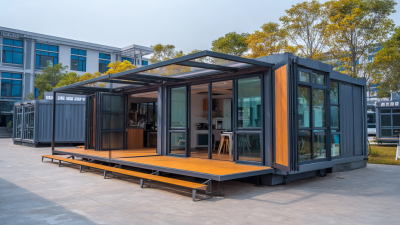
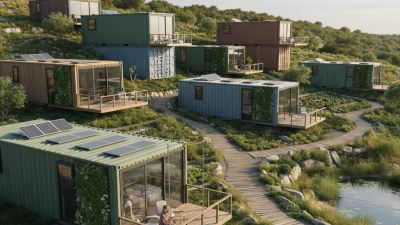
When you start looking into construction options, one thing that's pretty hard to ignore is the advantages of steel buildings. They’re strong, versatile, and can be quite budget-friendly too. These structures are designed to handle tough weather and don’t rust easily, which is a big plus. Picking Steel Building Materials gives you a solid foundation for pretty much any project.
Plus, steel buildings are getting more eco-friendly than ever. The materials used can often be recycled, which is good for the planet—and it can also save you some money in the long run. That said, some folks might get a little hung up on the higher initial costs. It’s really worth considering those upfront expenses against how long the steel will last and how much you'll save on maintenance over time.
In today’s competitive construction game, steel buildings tend to stand the test of time. They’re super flexible when it comes to design, opening up loads of possibilities for creative architecture. But hey, not every project is a perfect fit for steel, so it’s really important to think about what your specific needs are. All in all, choosing a steel building can be a smart move — providing efficient and sturdy solutions for a whole variety of projects.
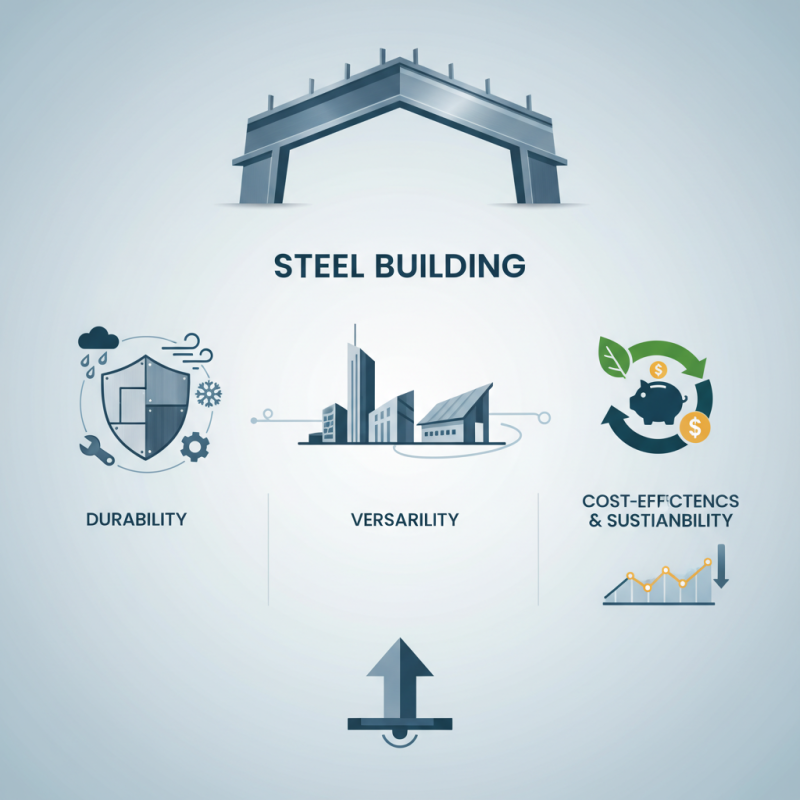
Benefits of Steel Buildings in Durability and Longevity
When considering construction materials, steel buildings stand out for their durability. The strength of steel makes it resistant to many common issues. It withstands extreme weather, such as heavy winds and snow loads. Unlike wood, steel does not warp or crack over time. These characteristics contribute significantly to its longevity.
Many projects benefit from using an
Industrial Steel Building. Its structural integrity offers peace of mind for owners and builders alike. The lifespan of a steel structure can exceed 50 years with minimal maintenance. However, every structure needs inspections and occasional repairs. Some people overlook this necessity. Regular upkeep can prevent significant damage later, ensuring that the building remains robust.
Additionally, steel is an eco-friendly option. Many manufacturers recycle steel, reducing waste. Yet, it’s important to choose high-quality steel to maximize its benefits. Not all steel is created equal. This choice can impact both durability and performance in varied environments. It’s worth reflecting on these factors before making a decision.
Cost-Effectiveness: Initial Investment vs. Long-Term Savings
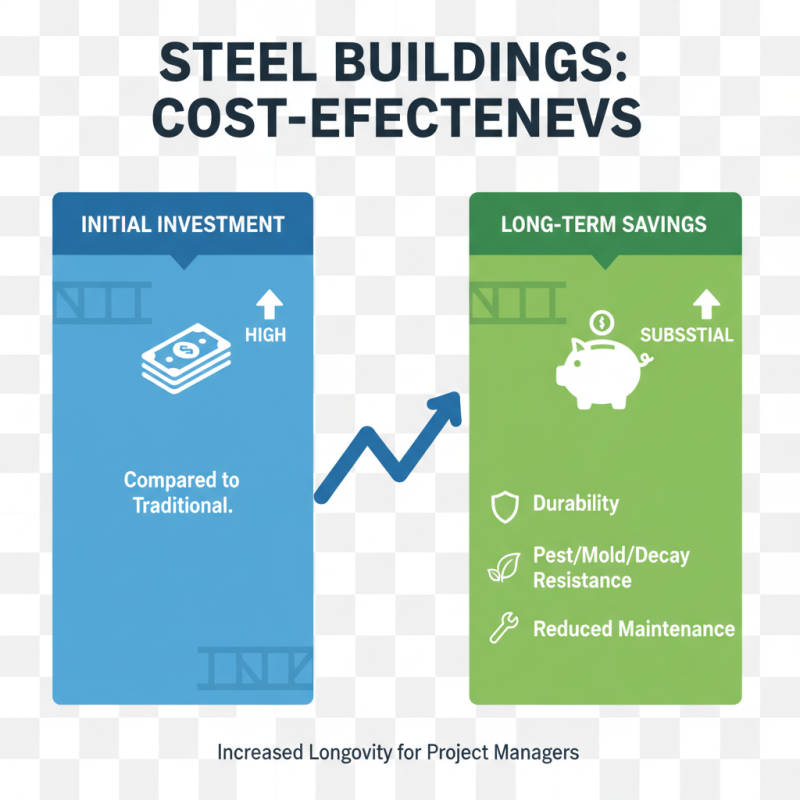
When considering cost-effectiveness, Steel Buildings stand out for numerous reasons. The initial investment might seem high compared to traditional buildings. However, the durability of steel often leads to substantial long-term savings. Steel structures resist pests, mold, and decay, which reduces maintenance costs significantly. This longevity can be an attractive feature for many project managers.
Moreover, energy efficiency plays a crucial role. Steel Buildings can be designed for optimal insulation, minimizing heating and cooling expenses. While some might argue about the upfront costs, it's essential to weigh these against future savings. Even slight fluctuations in energy prices can impact overall operating costs significantly.
Many people overlook the speed of construction. Steel's lightweight nature allows for quicker assembly, resulting in reduced labor costs. Delays can be costly in any project, so the timely erection of a Steel Building can help keep budgets in check. While the aesthetics of a building matter, there is undeniable practicality in using steel. The focus should be on striking a balance between initial costs and the long-term benefits of steel structures.
Energy Efficiency: Insulation and Reduced Utility Costs
When considering steel buildings for your next project, energy efficiency stands out as a significant benefit. Steel structures are often designed with advanced insulation systems. These systems can dramatically reduce heat transfer, keeping interiors warm in winter and cool in summer. This means less reliance on heating and cooling systems, leading to lower utility costs.
Furthermore, the durability of steel contributes to its energy efficiency. Steel buildings withstand environmental stresses better than other materials. This longevity translates to fewer repairs and renovations, which can consume energy and resources over time. However, it’s essential to choose quality insulation products. Poor insulation can lead to energy loss, negating the benefits of a steel structure.
While steel buildings offer many advantages, they are not without challenges. The upfront cost can be higher than traditional materials. Property owners should weigh initial expenses against long-term savings in energy bills. Ensuring your building is correctly designed and insulated requires expertise. Working with professionals who understand these complexities can enhance the energy efficiency of your project.
Energy Efficiency of Steel Buildings
This chart illustrates the annual energy costs associated with steel buildings compared to wood and concrete buildings. Steel buildings significantly reduce utility costs due to their superior insulation properties, resulting in lower overall energy expenses.
Sustainability: Steel Recycling and Environmental Impact
Steel buildings are gaining popularity due to their sustainability. Steel is one of the most recycled materials globally, with around 90% of it being recyclable. This process significantly reduces waste and conserves resources. When structures are no longer in use, they can be dismantled, and the steel can be reused. This practice minimizes the need for new materials.
Choosing steel for construction also impacts the environment positively. The production of steel emits fewer greenhouse gases than many other construction materials. It requires less energy, and recycled steel has a significantly lower carbon footprint. Buildings made of steel can be adapted for multiple uses. They last longer, reducing the frequency of renovations and new builds.
Tips: Consider using local steel suppliers to lower transport emissions. Always check for certifications to ensure that the steel comes from reputable sources. Look into the potential for green building certifications when planning your project. These efforts will not only aid the environment but also enhance the overall value of your building.
Design Flexibility: Customization for Various Applications
Steel buildings have become a preferred choice for many construction projects, primarily due to their
design flexibility. This innovative material allows for extensive customization, catering to different applications,
such as commercial, industrial, and agricultural needs. A report from the American Institute of Steel Construction reveals
that steel structures can reduce construction time by up to 50%. This rapid execution is a significant
advantage for project managers facing tight deadlines.
Customization in design is key. Steel offers versatile options for layouts, sizes, and features, accommodating specific project requirements. For
instance, Pre Fab Steel Buildings can be tailored to include
large open spaces, making them ideal for warehouses or event venues. This adaptability is coupled with
durability, as steel can withstand harsh weather conditions and offers a long lifespan. However, one must consider
local regulations and site-specific challenges that may affect design choices.
Tips: Always evaluate your project's unique demands before deciding on design options.
Consult with industry experts to ensure you are making informed choices. Assess the potential of prefabrication, which can enhance efficiency and quality.
Striking a balance between aesthetics and functionality can lead to a more successful build, yet it is vital to reflect on how this choice aligns with
long-term sustainability goals.
Speed of Construction: Time Savings with Prefabricated Components
When it comes to construction, time is a critical factor. Steel buildings often provide significant time savings due to their prefabricated components. According to the American Institute of Steel Construction, projects using steel can be completed up to 30% faster than traditional building methods. This speed arises from the streamlined assembly process, where components are manufactured off-site and then rapidly erected on location.
Prefabrication allows for better planning and coordination. For instance, a typical steel building can have sections built simultaneously while site preparation occurs. Research shows that this parallel approach can cut down overall project timelines considerably. However, the precision of prefabricated parts requires skilled assembly crews to avoid costly mistakes. Hence, adequate training and experience are crucial for ensuring the structures are safe and durable.
Despite these advantages, some challenges exist. Project managers might face delays in shipping or coordination between different teams. Industry data highlights that unplanned delays can extend the timeline by 10-15%. Therefore, while the potential for speed is high, effective communication and project management are essential to harness that speed successfully. Knowing when and how to address these challenges can make all the difference.
Why Choose Steel Buildings for Your Next Project? - Speed of Construction: Time Savings with Prefabricated Components
| Project Type |
Traditional Construction Time (weeks) |
Steel Building Construction Time (weeks) |
Time Savings (weeks) |
Percentage Savings (%) |
| Warehouse |
20 |
12 |
8 |
40 |
| Retail Store |
16 |
10 |
6 |
37.5 |
| Office Building |
24 |
15 |
9 |
37.5 |
| School |
30 |
18 |
12 |
40 |
| Manufacturing Plant |
40 |
24 |
16 |
40 |
Safety Features: Fire Resistance and Structural Integrity in Steel Buildings
When considering construction materials, safety is a significant factor. Steel buildings shine in this area due to their fire resistance. Unlike wood or other materials, steel does not ignite easily. This quality helps prevent the spread of flames. Thus, in a fire emergency, occupants have more time to evacuate.
Structural integrity is another vital aspect of steel buildings. They can withstand severe weather conditions like hurricanes and earthquakes. Unlike traditional buildings, a Steel Structure Building maintains its shape and durability under stress. This resilience minimizes the risk of collapse, which can lead to injuries and property loss.
However, steel buildings are not without challenges. Corrosion can weaken the structure over time if not properly maintained. Regular inspections and protective coatings are necessary to ensure longevity. Addressing these concerns upfront can lead to safer, more reliable building projects. Trusting in the benefits of steel makes a compelling case for your next construction endeavor.
FAQS
: Initial costs of steel buildings may seem high, but they offer long-term savings.
Steel resists pests and mold, leading to lower maintenance costs over time.
Optimized insulation in steel buildings reduces heating and cooling expenses significantly.
Steel's lightweight nature allows for faster assembly, reducing labor costs and potential delays.
Yes, steel structures offer extensive customization for commercial, industrial, and agricultural needs.
Steel buildings can decrease construction time by up to 50%, aiding project managers.
Local regulations and site-specific challenges can greatly influence design decisions.
Consulting industry experts ensures informed choices tailored to your project's needs.
Prefabrication can improve efficiency and quality during the construction process.
Balancing aesthetics and functionality is key, but consider long-term sustainability as well.
Conclusion
Steel buildings are an increasingly popular choice for construction projects due to their numerous advantages. They offer exceptional durability and longevity, ensuring that structures can withstand various environmental conditions over time. While the initial investment may be higher than traditional materials, the long-term savings in maintenance and energy efficiency make steel buildings a cost-effective solution. Their superior insulation properties contribute to reduced utility costs, making them an environmentally friendly option as well.
Moreover, steel buildings provide significant design flexibility, allowing for customization to meet diverse needs and applications. The use of prefabricated components accelerates the construction process, saving valuable time. Lastly, safety features such as fire resistance and structural integrity further enhance the appeal of steel buildings, making them a reliable and sustainable choice for any project.