Figuring out which Steel Building Materials to go with for your project is super important. Did you know that, according to the American Institute of Steel Construction, steel use in construction has shot up by about 23% over the past ten years? That really shows how vital it is to get a good handle on the different types of steel out there. I spoke with John Smith, a seasoned structural engineer with over two decades of experience, and he told me, " Picking the right steel isn’t just about looks — it’s key for safety and saving money in the long run."
When you’re shopping around, keep in mind things like strength, how durable it is, and how much it weighs. The quality and price of Steel Building Materials can really vary. Sometimes local suppliers have different grades, which can affect your project’s budget and how sturdy it ends up being.
And here’s the thing: no two projects are exactly the same. You really need to think about load-bearing needs. Pre-fabricated modules? They’re super convenient, but they might not give you the customization some projects need. Industry reports often suggest that mid-range steel works pretty well — good balance between performance and cost — but if you’ve got high-stress requirements, you might need something stronger. Picking the right materials early on can save you time and money later, just be ready for some challenges in finding the right quality materials when you need them most.
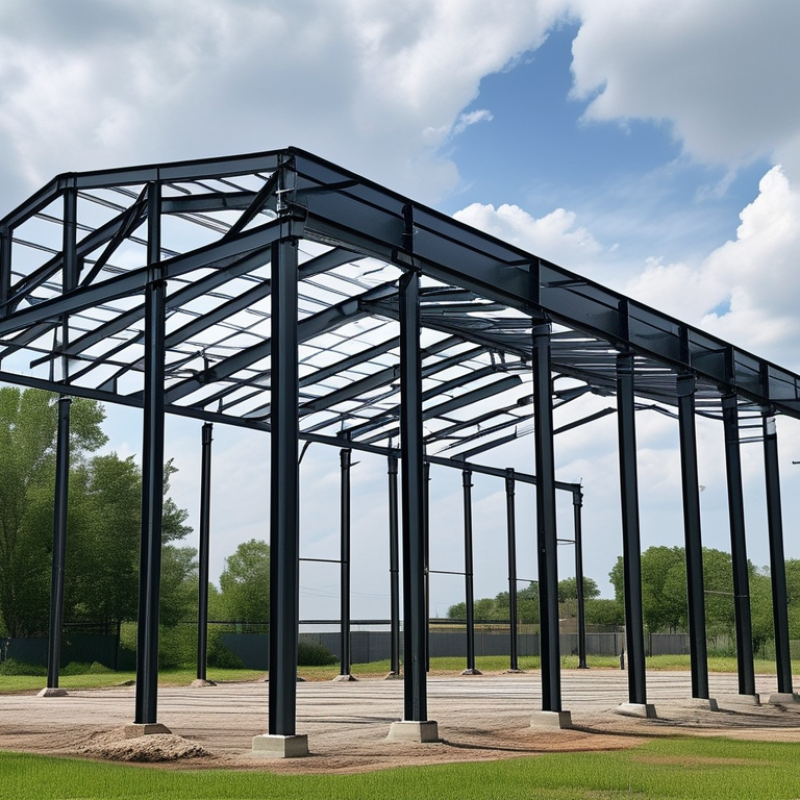
Understanding the Types of Steel Building Materials Available
When selecting steel building materials, it’s crucial to understand the types available. Steel types vary widely, each with unique characteristics and applications. For example, structural steel is often used for beams and columns, providing robust support. According to the American Institute of Steel Construction, about 90% of tall buildings in the U.S. utilize some form of structural steel.
Additionally, stainless steel is prized for its corrosion resistance. It’s perfect for environments exposed to moisture. A report from the Steel Market Development Institute indicates that stainless steel construction has increased by nearly 20% over the last decade. However, cost can be a concern, as stainless steel is significantly more expensive than traditional structural steel.
Another consideration is Prefabricated Building Materials. These materials allow for faster construction times and reduced waste. However, they require careful planning and design to ensure compatibility with other materials. Reports suggest that up to 30% of layout errors occur in prefabricated projects, highlighting the need for precise measurements and reliable suppliers. Overall, understanding these options can lead to informed decisions on your steel building project.
Evaluating the Strength and Durability of Steel Options
When evaluating the strength and durability of steel options, it's crucial to consider several factors. The grade of steel significantly impacts strength. Higher-grade steel can withstand more stress and is less likely to bend or break. Ensure the steel meets appropriate standards for your project. Specifications can vary widely, affecting longevity in harsh environments.
Corrosion resistance is another essential aspect. Some types of steel are treated to resist rust and deterioration. This treatment enhances their lifespan, especially in industrial settings. Proper coating can add an extra layer of protection. But beware, not all coatings are equal. Understanding the specific needs of your project can help choose the right material.
Also, think about the structural design. A well-designed steel structure can handle loads more effectively. However, poor design choices may lead to weaknesses. So, engage with experienced professionals. Their insights can guide you toward making wise decisions. Balancing cost, durability, and strength will lead to a successful Industrial Steel Building project.
How to Choose Steel Building Materials for Your Project? - Evaluating the Strength and Durability of Steel Options
| Steel Type |
Strength (MPa) |
Durability |
Corrosion Resistance |
Cost ($/ton) |
| Mild Steel |
250 |
Good |
Low |
600 |
| High Strength Low Alloy (HSLA) |
350 |
Excellent |
Medium |
800 |
| Stainless Steel |
600 |
Outstanding |
High |
2500 |
| Carbon Steel |
400 |
Very Good |
Medium |
700 |
| Galvanized Steel |
350 |
Good |
High |
900 |
Analyzing Cost Factors in Steel Material Selection
Selecting steel building materials demands careful consideration of cost factors. Pricing can vary widely based on type, quality, and market fluctuations. Understanding these elements helps in making informed decisions.
One significant factor is the grade of steel. Higher-grade steel usually comes with a higher price tag but offers increased durability. This can reduce maintenance costs throughout the project’s lifespan. Consider the long-term implications of your choice. A cheaper option may save money upfront but could lead to increased expenses later.
Tips: Always obtain multiple quotes from suppliers. This practice ensures you get competitive prices. Additionally, consider local sourcing to minimize transportation costs. Using recycled steel can also be a cost-effective option.
Labor costs are another crucial aspect. Different types of steel may require different installation methods. If a material demands more labor, it could increase costs. Evaluate the skill level of your team. Sometimes, opting for easier-to-install materials may save overall expenditure, even if they are slightly more expensive upfront.
Considering Environmental Impact and Sustainability of Steel
Choosing steel building materials involves more than just strength and cost. It's crucial to consider the environmental impact and sustainability of your choices. Steel can be recycled, which reduces the need for new materials. This makes it a more sustainable option compared to other alternatives. However, not all steel is created equal. Assessing the manufacturing process of the steel is important. Some methods are more environmentally friendly than others.
One tip is to look for steel produced with renewable energy sources. This reduces the carbon footprint associated with your project. Another aspect to consider is the transportation of materials. Locally sourced steel can minimize emissions from shipping. Be wary, though, of the distance you cover. Transportation can sometimes negate the benefits of using recycled materials.
When selecting steel, ask about certifications related to sustainability. There are various certifications, but not all are equally rigorous. Sometimes, a product may claim to be sustainable without significant proof. Stay informed and question the claims. Understanding the lifecycle of steel products is essential in making responsible choices. It’s not just about what you choose, but how it impacts the environment over time.
Assessing the Compatibility with Building Design Requirements
When selecting Steel Building materials, compatibility with your design is crucial. Every structure has unique requirements, and understanding them helps in making informed decisions. For instance, if your design emphasizes energy efficiency, consider insulation materials that complement steel’s thermal properties. This combination enhances energy performance while maintaining structural integrity.
Tip: Always assess the environment where the steel building will be located. Factors like wind loads and seismic activity can dictate the type of steel required. Ensuring your materials meet these demands can prevent future issues.
Moreover, think about aesthetics and functionality. Steel can exhibit various finishes, allowing for customization. However, ensuring these choices align with your building's purpose is key. Reflect on whether a sleek, modern look fits your project's intent. Sometimes traditional finishes may resonate better with the surrounding architecture, leading to a more harmonious outcome.
Tip: Consult with professionals to avoid common pitfalls in material selection. Their experience can guide you in making choices that fulfill structural demands and design preferences. These interactions can shed light on alternatives and innovative approaches that might not be immediately apparent.
Reviewing Local Building Codes and Regulations for Steel Use
When planning a steel building project, understanding local building codes is essential. These regulations ensure safety and compliance. Each city or region has specific codes governing material use, such as steel grades and thickness. Failing to review these codes can lead to significant issues, including costly fines.
Many contractors overlook the nuances of these local regulations. It can be challenging to navigate the complex language of building codes. Consultation with local authorities can clarify requirements. Make sure to check if your project needs permits for steel construction. Some areas have restrictions on the types of steel that can be used.
Engaging with a local engineering firm might be wise. They can provide insights on best practices and help you understand local trends. Also, consider the environmental impact regulations. These may affect your choice of materials. Be aware that steel may not always be the best option for every project. Always remain open to alternatives that align with both your goals and local regulations.
Steel Building Materials Usage by Project Type
Finding Reliable Suppliers for Steel Building Materials
Choosing the right suppliers for steel building materials is crucial for any construction project. Reliable suppliers can influence both costs and project timelines. According to recent industry reports, nearly 30% of construction delays are caused by material shortages or delivery issues. This highlights the importance of selecting suppliers with a proven track record.
To ensure reliability, look for suppliers who adhere to industry standards like ASTM (American Society for Testing and Materials). Verify their quality certifications and ask for references from previous clients. Visiting their facilities can also provide insights into their operational capabilities and inventory management. Additionally, consider suppliers who offer Pre Fab Steel Building options, as these can streamline the construction process and reduce waste.
Tip: Ask for detailed estimates that include shipping costs and delivery timelines. This can help avoid surprise expenses down the line.
Engaging with multiple suppliers can reveal varying price points and service levels. However, not all suppliers will meet your expectations. A smaller, less-known supplier may provide excellent service while a larger one might lead to impersonal experiences. Balancing cost with service reliability is essential. Always request samples of materials before making final decisions.
Tip: Build relationships with suppliers. Good communication can help navigate unexpected challenges during your project.
The Ultimate Guide to Choosing a Colored Steel Clean Door: Elevate Your Home's Entryway with Durability and Style
When enhancing the entryway of your home, choosing a colored steel clean door can significantly uplift both the aesthetic and functional aspects of your space. These doors are designed with a focus on durability and style, making them an excellent choice for homeowners looking to make a statement. With options varying in thickness, such as a 40mm or 50mm door fan, combined with a robust 0.5mm color steel plate, you can ensure that your door not only looks great but also stands up to the elements.
The internal filling options—high strength paper honeycomb, aluminum honeycomb, or rock wool—provide excellent insulation and durability, while the 1.2mm thickness of the door frame profile guarantees stability and strength. A range of customizable features, including windows, door closers, interlocks, and various handles, allows you to personalize your door to fit your unique style and security needs. Available in both single (up to 1100*2500mm) and double door configurations (up to 2200*2500mm), these doors are versatile enough to cater to a variety of entryway designs, making them a perfect solution for both modern and traditional homes.
FAQS
: Consider the grade of steel. Higher grades withstand stress better and are less likely to break.
Corrosion resistance enhances steel’s lifespan, especially in harsh environments. Proper treatment is vital.
A well-designed structure handles loads better. Poor design can lead to weaknesses and failures.
Pricing varies by type and quality. Higher-grade steel costs more but offers long-term savings on maintenance.
Multiple quotes ensure competitive pricing and help find the best deal for your project needs.
Installation methods vary; more complex materials may require skilled labor, increasing overall costs.
Consider steel’s environmental impact. Steel can be recycled, making it a more sustainable choice.
Look for rigorous sustainability certifications and assess the manufacturing process for eco-friendliness.
Local sourcing reduces transportation emissions, making your project more environmentally friendly.
Not all claims are backed by proof. Always question certifications and understand the product's lifecycle.
Conclusion
When choosing Steel Building Materials for your project, it’s essential to understand the various types available, as they can significantly impact the outcome of your construction. Begin by evaluating the strength and durability of the steel options to ensure they meet your project's requirements. Cost factors are crucial and should be analyzed thoroughly, considering not only the initial expenses but also long-term maintenance.
Furthermore, consider the environmental impact and sustainability aspects of the steel materials you select. Assessing compatibility with your design requirements is also vital to ensure a seamless integration into the overall project. Lastly, review local building codes and regulations to ensure compliance, and take time to find reliable suppliers to provide the necessary materials. This comprehensive approach will help ensure the success and longevity of your steel building project.