If you're thinking about going for Modular Container Homes, you’ll want to get a good handle on a few things first. These kinds of homes are pretty cool—they’re versatile and eco-friendly, and they’re becoming more popular because they’re usually cheaper and can be put together pretty quickly. Honestly, it’s hard not to get excited about how flexible they can be.
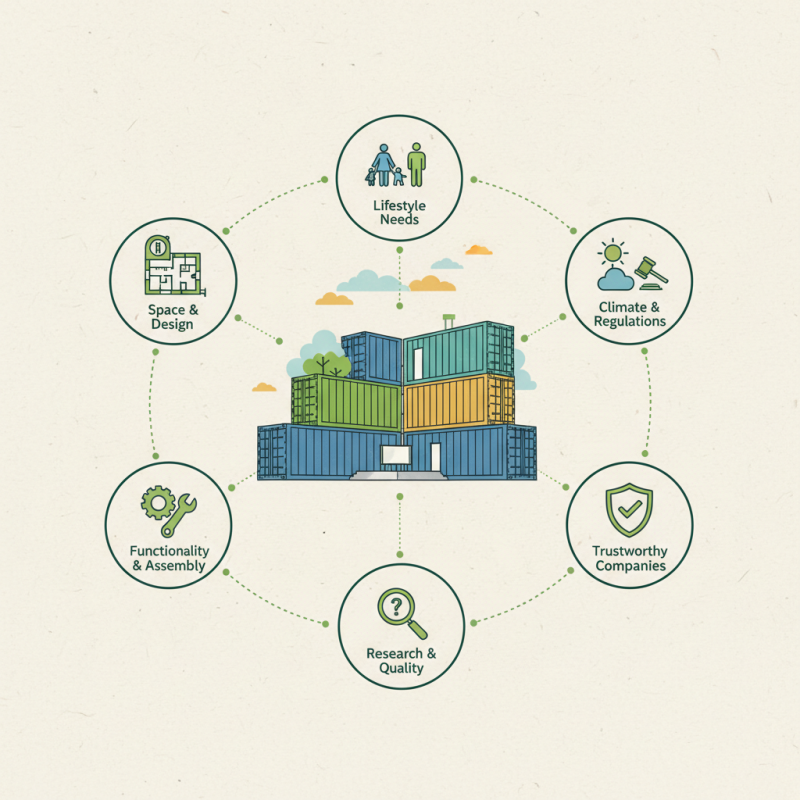
When you’re choosing one, think about your space needs, what kind of design vibes you’re into, and whether it’s all about function for you. Your lifestyle really matters here. Also, make sure to look into the climate of your area and any local rules or regulations—those can definitely influence what you end up picking. Sometimes, you might need to go through a bit of trial and error to find the perfect fit, and that’s totally normal.
It's also a good idea to check out trusted companies like Container Homes USA. They’re great for sharing insights on materials, different layout options, and how to keep energy bills in check. But remember, not every modular home is created equal. Do your homework, compare options, and find something that matches your vision — and most importantly, that you know is well-made. Picking the right home doesn’t have to be stressful, just make sure you do your research and choose what feels right for you.
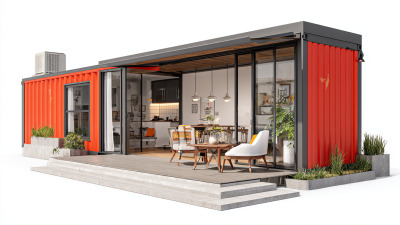
Modular container homes offer a unique solution for diverse housing needs. These homes are built using repurposed shipping containers, making them both affordable and eco-friendly. Understanding their structure is key. They are durable, weather-resistant, and can be customized to fit various styles. This flexibility allows for creating distinctive living spaces that cater to individual preferences.
Choosing a modular container home involves more than just aesthetics. It’s important to consider insulation, plumbing, and electrical systems. Some designs may not meet local building codes, leading to unexpected challenges. Potential homeowners should research zoning laws carefully. Failing to address site conditions or layout can result in costly adjustments later.
While modular container homes present innovative benefits, they also require thoughtful planning. Each project might reveal unforeseen complications, such as space limitations or permitting issues. Engaging with professionals who have experience in this niche ensures the home meets basic living standards. This step is vital for timeless comfort and safety. Investing time in understanding these homes brings you closer to making an informed decision.
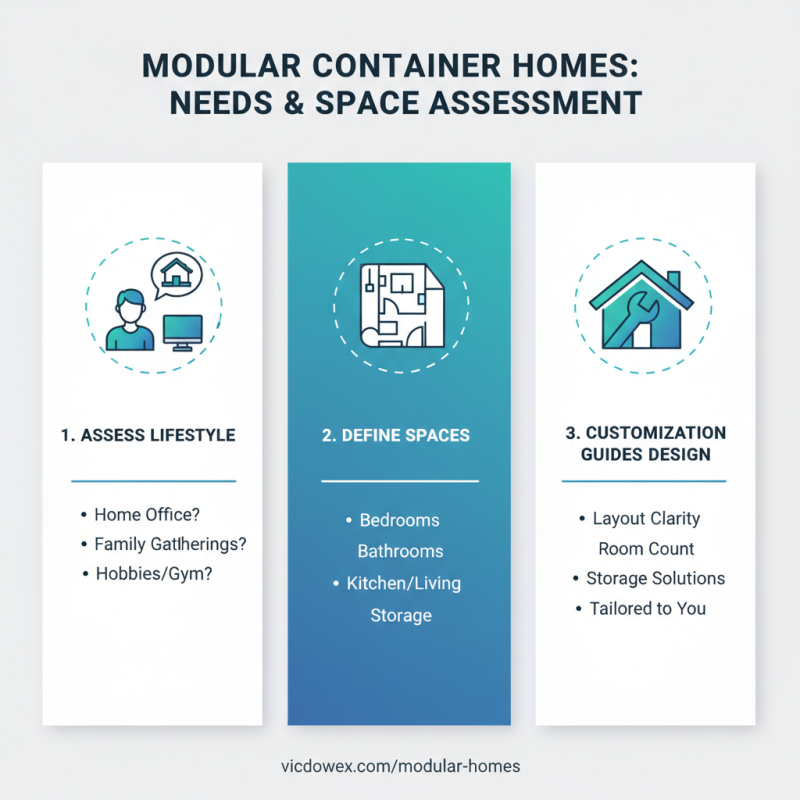
When choosing modular container homes, understanding your lifestyle needs and space requirements is crucial. Assess how you live. Do you need a home office? Or perhaps a space for family gatherings? Identifying these needs gives direction for your modular home design. Think about the number of rooms, layout, and storage space. Modular Homes can be customized but require clarity.
Tips: Start by creating a list of essential features. This helps prioritize what matters to you. Consider the layout as an essential aspect. Open designs often create a sense of spaciousness. Smaller spaces can feel cramped without proper planning.
Also, reflect on future needs. Will your family grow? Do you plan to work from home? Modular container homes are adaptable but planning ensures sustainability. Research local regulations before making decisions. It’s easy to overlook these details, yet they can impact your project significantly. Adjusting plans isn't uncommon, so stay flexible.
When selecting modular container homes, the layout and design options play a critical role. Each design reflects varying lifestyles and needs.
Open floor plans offer flexibility, while compartmentalized spaces provide privacy.
Consider how each arrangement suits your routine.
Evaluate what matters most: space for gatherings or quiet areas for relaxation?
Tips: Visualizing the space can help. Use a scale model or drawings to imagine your life in a prefab modular home.
Review the uses of different areas — a combined kitchen and living room could enhance your bond with family. Additionally, think about the furniture you'll need.
A well-planned layout accommodates both style and function.
Don't overlook natural light when choosing a design.
Large windows can brighten interiors, creating a welcoming atmosphere.
Yet, realize that too much sun can lead to overheating. Assess the climate of your location carefully.
Adaptations might be necessary for comfort. Each choice you make influences not just aesthetics, but also livability.
Reflect on these aspects as you finalize your decision.
When choosing modular container homes, budget and cost considerations are key factors. Start by determining how much you can afford. Set a realistic budget that covers all aspects, including land, utilities, and permits. Container homes can vary significantly in price. The cost often hinges on size and design complexity. Simple designs are more affordable, while custom features raise costs.
Remember to account for hidden expenses. Transportation costs to your site can quickly add up. Installation fees should not be overlooked either. It's wise to consult professionals to get a clearer picture of all expenses involved. They can provide insights into typical costs in your area. Understanding these factors allows for better financial planning.
While it’s tempting to choose the cheapest option, consider long-term value. Cheaper materials may lead to higher maintenance costs down the line. Research sturdy materials that offer durability. Reflect on your lifestyle needs too. A home that fits perfectly now might not serve your future needs. Therefore, always weigh initial savings against long-term benefits.
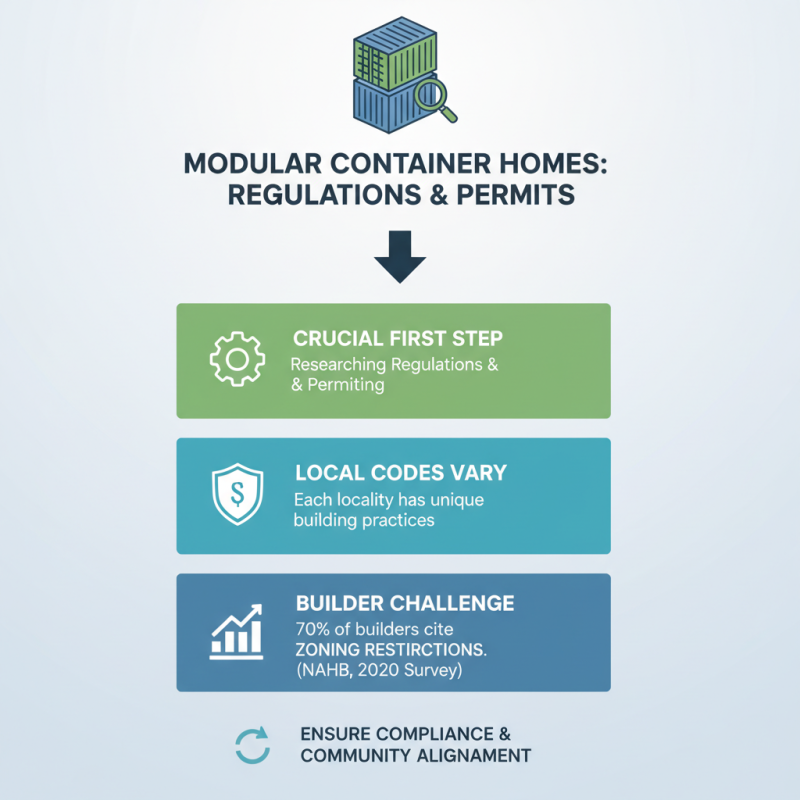
Researching regulations and permitting requirements is crucial when selecting modular container homes. Each locality has unique codes that govern building practices. A 2020 survey by the National Association of Home Builders found that 70% of builders cited zoning restrictions as a primary challenge. Understanding local regulations ensures your project aligns with community standards.
Often, potential homeowners overlook the importance of permits. A recent study by the International Code Council highlighted that almost 25% of new constructions faced delays due to permitting issues. These setbacks can inflate costs and extend project timelines. Planning ahead by thoroughly researching your area’s requirements simplifies the process and reduces risks.
Furthermore, the public perception of modular homes varies significantly across regions. Some communities embrace innovative housing solutions, while others resist change. Engaging with local zoning boards and neighborhood associations can provide insights into potential hurdles. A proactive approach will help you navigate the complexities of regulations, ultimately leading to a more streamlined experience in your modular home journey.
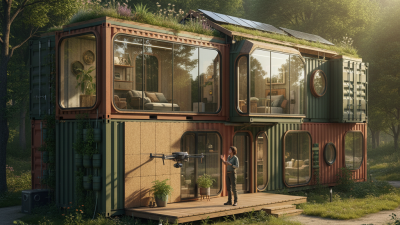
When choosing modular Container Homes, focusing on sustainable and energy-efficient features is essential. Energy efficiency improves comfort and reduces utility costs. Look for homes with high-quality insulation to minimize heat loss. Double-glazed windows can enhance energy retention. These features not only promote a comfortable living environment but also align with eco-friendly values.
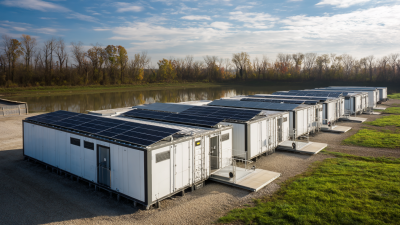
Solar panels are a popular choice among container homes. They harness renewable energy, reducing dependency on fossil fuels. This feature can significantly lower energy bills over time. However, consider local sunlight exposure. In some areas, solar panels may not be as effective. Rainwater harvesting systems can also be beneficial. They promote sustainability by utilizing natural resources. It’s important to weigh the costs versus benefits when integrating such systems.
Incorporating energy-efficient appliances is another key aspect. These choices can lead to long-term savings. However, be mindful of the initial investment. Sometimes, upgrading older appliances might be more economical. Additionally, having an energy-efficient design can enhance the overall value of your container home. Every decision counts in creating a sustainable living space. Evaluate all aspects carefully to ensure they meet your needs.
When embarking on the journey to choose modular container homes, one crucial aspect is finding reputable manufacturers and contractors. Research their reputation through online reviews and testimonials. Look for examples of previous work. Reliable contractors often share pictures and case studies to demonstrate their expertise. Utilize social media to gauge client experiences. Never hesitate to ask for references.
Understanding local regulations is vital when selecting manufacturers. Evaluating compliance ensures the modular construction meets safety and zoning standards. It’s not just about aesthetics; structural integrity is key. Also, compare pricing between multiple vendors. Discrepancies in cost can reflect either quality or flaws. Seek transparency in pricing to avoid hidden costs.
Lastly, don't rush into a decision. Take your time to explore construction options. Meet potential manufacturers in person. Ask questions that reveal their process and materials used. A good contractor will listen to your needs while offering honest feedback. This will help align Container House Modular Units with your vision and requirements. Sometimes, what looks perfect on paper might not suit your specific needs. Reflecting on your choices can lead to better outcomes.
: They are built using repurposed shipping containers. This makes them eco-friendly and affordable.
Each locality has unique building codes. Understanding these ensures compliance with community standards.
Unforeseen complications like zoning restrictions or permitting issues can occur. Proper planning helps avoid costly adjustments.
Engaging with experienced professionals is vital. Their expertise ensures your home is safe and comfortable.
Insulation, plumbing, and electrical systems are essential. These factors impact overall comfort and functionality.
Almost 25% faced setbacks. This highlights the importance of researching permitting requirements early.
Attitudes vary widely. Some embrace them, while others resist innovative housing solutions.
Ignoring site conditions can lead to expensive modifications later. It’s crucial to assess these before construction.
They provide insights into potential regulatory hurdles. This helps you navigate the complexities of building approvals.
It allows for creating distinctive living spaces that fit individual styles. Customization is a key advantage.
Modular Container Homes offer a flexible and innovative housing solution that can cater to various lifestyle needs. When choosing the right modular container home, it's essential to start with a thorough understanding of your specific requirements, including your space needs and lifestyle preferences. Evaluating different designs and layout options can help identify the perfect fit for your situation.
Additionally, budget considerations play a critical role in the selection process, as various models come with different price points and potential hidden costs. It's also vital to research local regulations and permitting requirements to ensure compliance. Incorporating sustainable and energy-efficient features can enhance the home's livability and reduce environmental impact. Finally, finding reputable manufacturers and contractors will ensure a smooth construction process and high-quality results in your modular container home project.