Leave Your Message
Request a Quote
0%

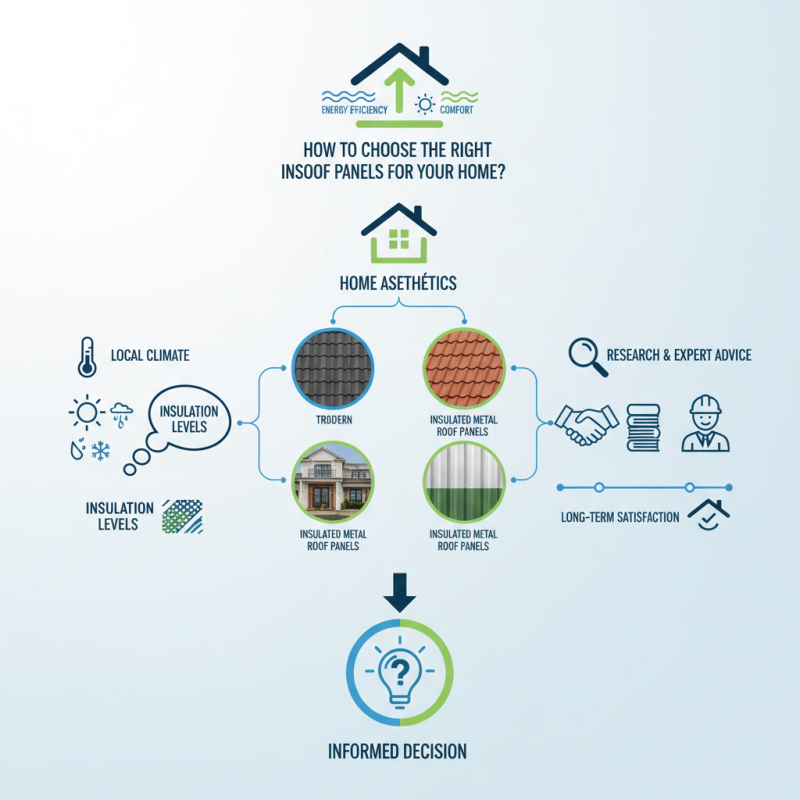
Choosing the right insulated roof panels for your home? Yeah, that’s a pretty big decision. Experts often say that these panels do more than just boost energy efficiency—they actually make your space way more comfy. I mean, Mark Robinson from Thermal Solutions once pointed out that picking the right panels can really turn your house into a cozy little retreat. It’s not just about function, though; you wanna think about how they’ll look too.

There’s quite a few options out there. First off, consider your local climate—different materials offer different levels of insulation, after all. And don’t forget about the style! Insulated Metal Roof Panels come in all sorts of designs, so they can match your home’s vibe pretty well.

But heads up—not all panels are created equal. Some might not perform as expected, which can be pretty disappointing in the long run. Doing a bit of research on each option is definitely worth it. And if you’re feeling a little unsure, chatting with a professional could really help you make a smarter choice. At the end of the day, making an informed decision about your insulated roof panels is key to feeling happy with what you’ve got down the line.
How to Choose the Right Insulated Roof Panels for Your Home?

Understanding Insulated Roof Panels: Definition and Benefits

Insulated roof panels are essential for modern homes. They provide thermal efficiency and comfort. These panels are typically made of a core material sandwiched between two outer layers. This design contributes to better insulation and energy savings. According to a report from a leading industry research firm, homes with insulated roof panels can save up to 30% on energy costs annually.

The benefits of insulated roof panels extend beyond energy efficiency. They can enhance the aesthetic appeal of your home. Available in various styles and colors, they can complement any architectural design. Additionally, these panels can minimize outside noise, creating a tranquil living environment. However, choosing the wrong type of panel can lead to issues. Make sure you consider your local climate and building codes before making a decision.

Tips: Always evaluate insulation ratings. Look for panels with higher R-values for better performance. Remember, not all panels are suitable for every application. Pay attention to installation details. Professional installation is often recommended to avoid common mistakes. Inadequate sealing can reduce the performance of insulated panels significantly.

Types of Insulated Roof Panels: A Comprehensive Overview

How to Choose the Right Insulated Roof Panels for Your Home?

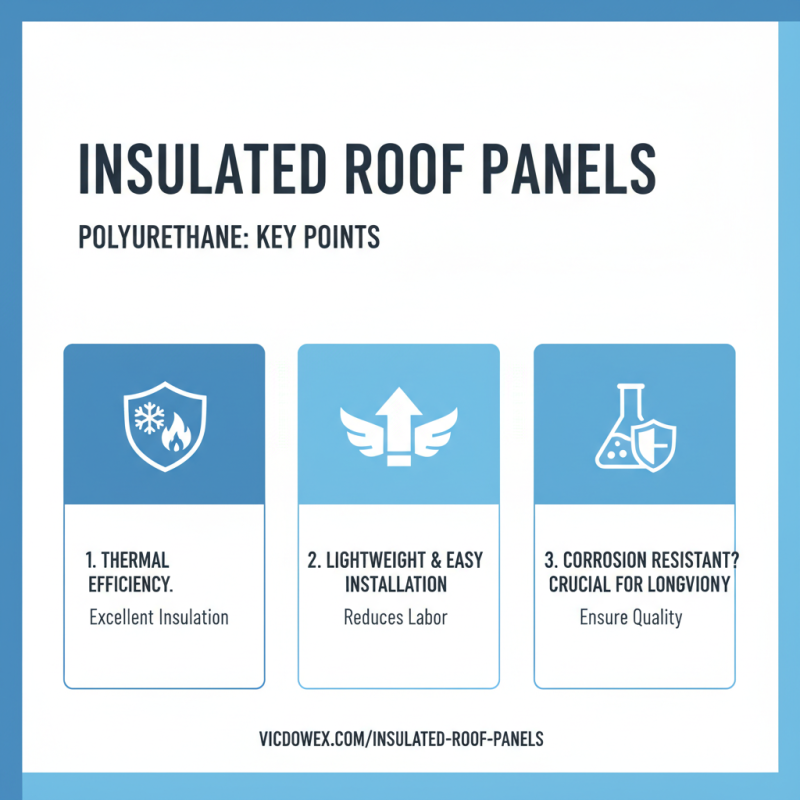
When considering Insulated Roof Panels, it's essential to explore various types to find the best fit for your home. One common option is polyurethane panels. They are efficient in thermal insulation and lightweight, making installation easier. However, you need to ensure they are corrosion-resistant to avoid future issues.

Another type is polystyrene panels. These are often more affordable and provide decent insulation. They are suitable for budget-conscious projects. Yet, be aware of their lower fire resistance. Lastly, mineral wool panels offer great sound insulation. They are fire-resistant and environmentally friendly. However, they can be heavier and may require additional structural support.

Ultimately, the choice of insulated roof panels depends on your specific needs and budget. Consider factors like climate, durability, and long-term energy savings. Each type has pros and cons, and reflecting on these can help in making a wise decision.

Factors to Consider When Choosing Insulated Roof Panels

How to Choose the Right Insulated Roof Panels for Your Home?

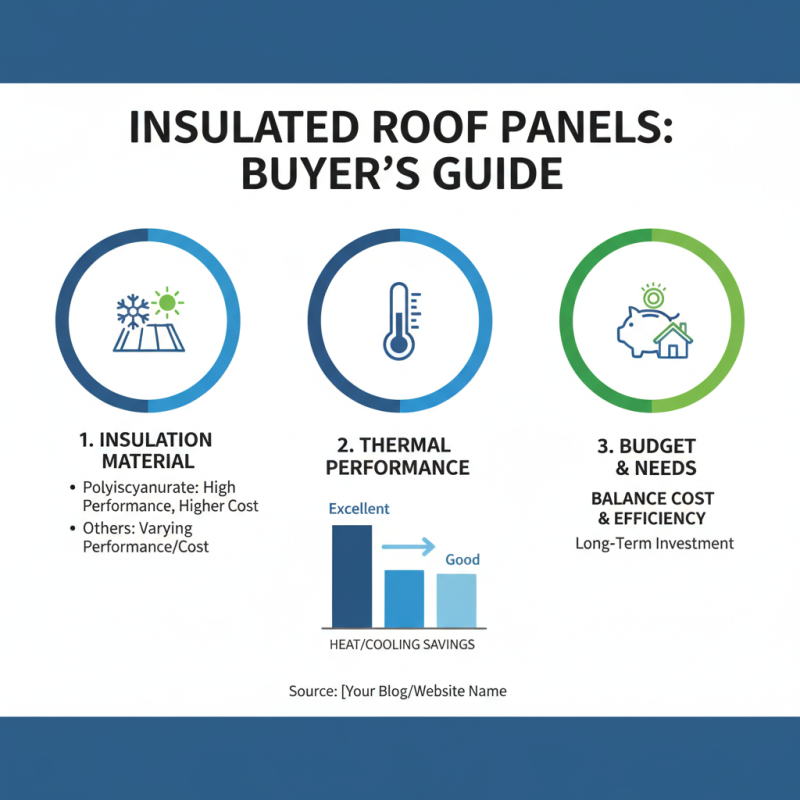
When selecting insulated roof panels for your home, several factors play a crucial role. The first consideration is insulation material. Different materials offer various thermal performance levels. For instance, polyisocyanurate provides excellent insulation but may be pricier. Evaluate what fits your budget and needs.

Next, think about the panel thickness. Thicker panels generally provide better insulation. However, they can increase the overall weight of your roof structure. Ensure your building can support this weight. Also, consider your local climate. Homes in colder regions may need panels with higher R-values for better heat retention.

In addition, durability is essential. Choose panels that can withstand local weather conditions. Look for features such as UV resistance or water resistance. Don't overlook aesthetics. The appearance of your roof panels should match your home's style. Balancing functionality and looks can be challenging. Reflect on your long-term goals. Selecting the right panels is not just a one-time choice. It's an investment in your home's efficiency and value.

Thermal Performance: Assessing Insulation Efficiency

When considering the thermal performance of insulated roof panels, assessing insulation efficiency is key. Effective insulation can significantly reduce energy bills. According to industry data, a well-insulated roof can decrease heating and cooling costs by up to 30%. This efficiency often comes from the materials used, like the Roof Fireproof Rockwool Sandwich Panel. Its unique properties allow for superior thermal resistance, helping maintain comfortable indoor temperatures.

The thickness of insulation plays a crucial role. For example, panels with greater thickness typically offer better insulation. Yet, thicker insulation may not always fit the aesthetic design of your home. It’s essential to balance functionality and appearance. Additionally, not all insulation retains heat equally well. Some materials may degrade over time, impacting their effectiveness.

Many homeowners overlook the impact of roof color and design on thermal performance. Light-colored roofs reflect sunlight, making insulation less critical. However, darker roofs absorb heat, increasing the load on insulation. This discrepancy means careful planning is vital when selecting roof panels. Misjudging these factors could lead to discomfort and higher energy costs.

Durability and Maintenance: Selecting Long-lasting Materials

When selecting insulated roof panels, durability is crucial. The right materials can greatly enhance a home’s lifespan and energy efficiency. Reports indicate that structural insulated panels (SIPs) have a longevity of 30 years or more. In contrast, traditional roofing materials might only last two decades. Investing in SIPs or high-quality metal panels can yield significant long-term savings.

Maintenance plays a key role in the longevity of roof panels. Easy-to-clean surfaces can reduce upkeep time. For example, panels with protective coatings often require less frequent maintenance. However, not all materials hold up equally against weather conditions. Some may show signs of wear sooner than expected. This inconsistency might require homeowners to rethink their choices. It's essential to assess factors like local climate when selecting materials. High humidity areas may wear down certain types of panels faster.

Furthermore, the initial cost of durable materials can be higher. Yet, this upfront investment may pay off in reduced repair costs later on. A study found that homes with resilient roofing can reduce heating and cooling bills by up to 30%. Homeowners might hesitate at first due to price. However, choosing the right materials can lead to better performance and safety. This requires careful consideration and research.

Cost Considerations: Budgeting for Insulated Roof Panels

When budgeting for insulated roof panels, consider the materials and installation costs. Insulated panels come in various types. Each type has a different price point. For example, polyurethane panels usually cost more than polystyrene ones. It’s essential to weigh performance against expense.

Installation costs can add up quickly. Hiring professionals may seem necessary, but DIY options exist. Researching local contractors helps find the best rates. However, don't forget to account for potential hidden costs. What happens if you need to adjust the existing roof structure? Unexpected expenses often arise.

Consider the long-term savings too. Insulated roof panels can lower heating and cooling bills. The initial investment can pay off over time. Yet, if you're on a tight budget, you might opt for cheaper materials. This could mean compromising on quality. Always reflect on your choices to ensure you select durable Roof Structure Materials that suit your needs.

Installation Options: DIY vs. Professional Services

When deciding between DIY installation and hiring professionals for insulated roof panels, it's essential to weigh your options carefully. DIY can be a tempting choice, especially for homeowners looking to save on costs. However, reports from the Home Improvement Research Institute show that improper installation can lead to energy inefficiencies and increased long-term costs.

If you choose to go the DIY route, consider the complexity of your roof design. Simple structures are manageable. However, roofs with multiple angles or heights may pose challenges. Make sure you have the necessary tools and skills. Inadequate preparation can result in wasted materials and time.

Opting for professional services guarantees proper installation. Pros have experience and knowledge about local building codes. They can ensure your Metal Sandwich Panel Roof is correctly aligned and sealed, which maximizes its thermal efficiency. A study revealed that professionally installed panels can improve energy savings by up to 30% compared to poor DIY installations.

Before making a decision, evaluate your skills honestly. Ask yourself if you will be comfortable working at heights and managing large materials. Investing in skilled labor may save you from costly mistakes and headaches later on. When in doubt, getting professional help could be the best choice for a durable and efficient roofing solution.

How to Choose the Right Insulated Roof Panels for Your Home? - Installation Options: DIY vs. Professional Services

Feature DIY Installation Professional Installation
Cost Lower overall costs, but requires time and effort Higher costs due to labor, but less hassle
Skill Level Required Basic to intermediate DIY skills required Professional skills with experience
Time Investment Significant time for planning and execution Quicker installation due to expertise
Warranty Limited warranty, may depend on manufacturer Comprehensive warranty typically includes installation
Safety Considerations Must follow safety precautions and guidelines Professionals trained in safety protocols
Customization Can be tailored to personal needs May offer limited customization options

Innovative Design and Benefits of Standardized Metal-Integrated Insulated Curtain Walls in Modern Architecture

In modern architecture, the integration of standardized metal-insulated curtain walls presents an innovative approach that combines aesthetics with functionality. These curtain walls provide not only an attractive façade but also enhance energy efficiency and sustainability in building design. By utilizing high-quality hydrophobic rock wool as core material, these systems significantly improve insulation properties, ensuring optimal thermal performance throughout varying climatic conditions.

The standard specifications for these curtain wall panels are versatile, accommodating lengths of 500mm to 12,000mm, widths ranging from 200mm to 1200mm, and thickness options from 50mm to 120mm. With the choice of materials including pre-roller coated aluminum, stainless steel, copper, or titanium zinc, architects and designers can select finishes that best suit their vision while maintaining structural integrity. Moreover, the use of durable thermoplastic two-component polyurethane PU adhesives ensures robust bonding between components, enhancing the longevity and resilience of the walls against environmental factors.

By standardizing the design and material parameters, metal-integrated insulated curtain walls streamline the construction process, reducing lead times and costs while promoting uniform quality across projects. This innovative solution not only supports creative architectural expressions but also adheres to modern standards of energy efficiency and sustainability, making it a preferred choice in contemporary building designs.

FAQS

: What are the benefits of using this type of product?

: It can improve efficiency and enhance productivity. Users often report better results in their daily tasks.

How should I maintain the product?

Regular cleaning is essential. Ensure it is stored in a dry place to avoid mold or damage.

Are there any risks involved?

Incorrect usage can lead to accidents. Always follow the safety instructions to minimize risks.

How do I know if it's the right choice for me?

Assess your needs and intended use. Sometimes, it may not fit every situation perfectly.

Can anyone use it?

Most users can benefit. However, some may require specific experience or training before use.

What should I do if I encounter problems?

Refer to the troubleshooting guide. If issues persist, seeking help from a knowledgeable individual may be necessary.

Is it easy to use for beginners?

Some find it intuitive. Others may struggle initially and may need time to adapt.

What features should I pay attention to?

Look for durability and user-friendliness. Not all features will be beneficial for everyone.

How can I improve my experience with it?

Experiment with different settings and use methods. Learning from mistakes is part of the process.

Where can I find additional resources?

Online forums and communities often share tips and experiences. These can be valuable for further learning.

Conclusion

Insulated roof panels are essential components for enhancing energy efficiency and comfort in residential buildings. These panels not only provide excellent thermal performance but also contribute to the overall durability and maintenance of the structure. When selecting insulated roof panels, it is crucial to understand the various types available and how they meet specific insulation needs. Additionally, considerations such as installation options, cost, and long-term benefits play a vital role in the decision-making process.

Factors like insulation efficiency, material durability, and budget limitations should guide homeowners in choosing the most suitable insulated roof panels for their homes. Whether opting for a DIY approach or hiring professional services, careful evaluation of these elements ensures a successful installation that maximizes both energy savings and structural integrity.
Oliver

Oliver

Oliver is a dedicated marketing professional with a deep understanding of the construction industry's evolving landscape. With a strong focus on "standardization, modularization, and generalization," he plays a pivotal role in promoting the company's comprehensive temporary construction solution......
Previous Why Wall Material Selection Impacts Your Building Energy Efficiency and Costs