Picking the right Steel Building Materials for your project really can make a big difference in how things turn out. I was talking to Mark Johnson from Steel Structures Inc., and he’s quick to point out, “Quality really makes or breaks a project.” It’s a solid reminder that your choices in materials matter big time.
When you're looking into Steel Building Materials, there’s quite a bit to consider—like durability, cost, and how eco-friendly they are. Every project is different, so you’ve gotta evaluate what’s most important based on what you’re building. For example, thinking about what the building’s gonna be used for can really help narrow down which material properties are most important. Sometimes it’s easy to overlook potential issues with materials, and that can bite you later on with costly mistakes.
And let’s not forget, the supplier you work with can really influence how well your project goes. Going with trusted providers is key to making sure you get top-quality Steel Building Materials. Sadly, not all companies can be counted on to deliver the standards you need. So, it’s just as crucial to vet your suppliers and stick with reputable sources. Doing these little checks can save you a lot of headaches down the line and give your project a real boost.

Understanding the Different Types of Steel Building Materials
When selecting steel building materials, it's essential to understand the various options available. Steel offers durability, strength, and flexibility, making it a common choice in construction. According to a report by the American Institute of Steel Construction, steel structures can last over 30 years with minimal maintenance. The main types include structural steel, cold-formed steel, and stainless steel, each serving different purposes.
Structural steel is widely used for frameworks. It provides excellent load-bearing capabilities. Cold-formed steel is lighter, ideal for smaller projects or interior applications. Stainless steel, while more expensive, offers corrosion resistance, which is vital in certain environments. These distinctions are crucial in ensuring the material meets project specific needs.
Tips: When considering Prefabricated Building Materials, evaluate the environmental conditions of the site. This can impact material choice significantly. Always consult with a structural engineer for optimal safety and performance. Keep in mind that high-quality steel can be an investment, often reducing long-term costs. Choosing materials without proper guidance can lead to structural integrity issues or excessive maintenance costs. Consider the advantages each type of steel offers, and weigh them against your project requirements carefully.
Assessing the Strength and Durability of Steel Options
When assessing the strength and durability of steel options, it’s vital to consider various factors. Steel’s inherent properties offer impressive strength, but durability depends on the-grade and type of steel used. Different projects may require different steel specifications. For instance, galvanized steel resists corrosion, making it ideal for outdoor Industrial Steel Buildings. Heavy-duty structural steel can support larger loads, perfect for expansive warehouses.
Tips: Always check the material’s yield strength. Higher yield strength indicates greater resistance to deformation. Use reliable sources to understand material specifications. Regular inspections of your steel can save costs in the long run, ensuring safety and integrity.
Choosing the right steel involves understanding your needs and environment. Each project has unique requirements. For example, coastal areas may demand corrosion-resistant materials. Evaluating climatic conditions can affect long-term durability. Quality is as important as strength. Sometimes, cheaper steel options might not deliver the durability you need. Investing in high-quality steel can prevent future issues.
Evaluating Cost-Effectiveness in Steel Material Selection
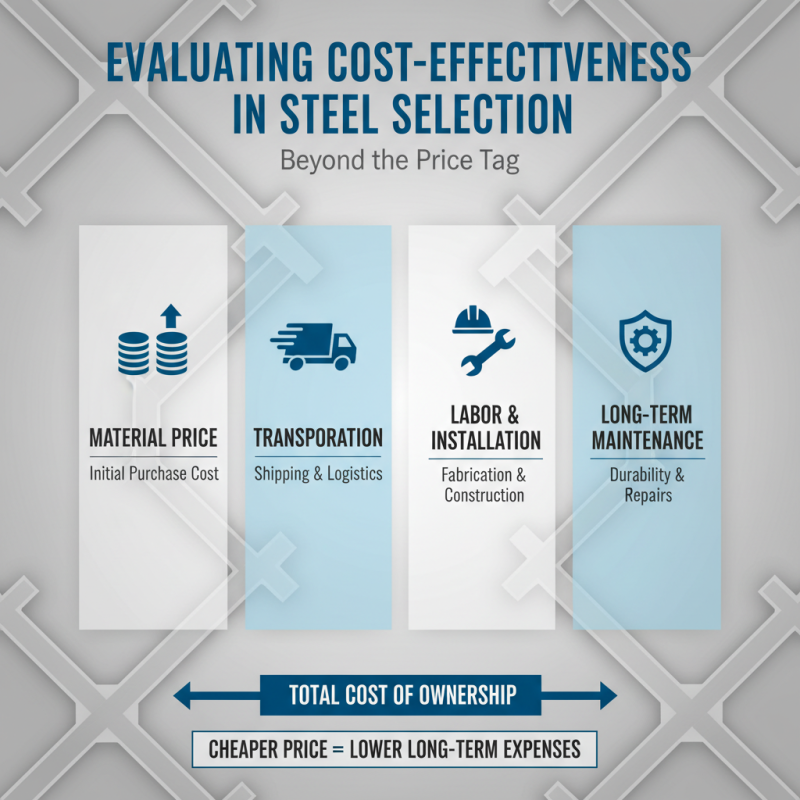
When selecting steel building materials, cost-effectiveness is crucial. Evaluating the total cost involves more than just the material price. Consider transportation, labor, and potential maintenance costs. A cheaper price might mean higher long-term expenses.
Sourcing steel locally can reduce shipping costs. Pay attention to the overall lifecycle of the materials. Some steels require more upkeep, leading to increased future expenses. Look for materials that combine durability with affordability.
It's important to weigh options carefully. Quality should not be sacrificed for low prices. Sometimes, spending a bit more upfront results in better value. Engage with professionals who understand the nuances of steel types. Their expertise can guide you toward the best choices for your project.
Environmental Considerations in Choosing Steel Building Materials
When selecting steel building materials, environmental considerations play a crucial role. The production of steel can be energy-intensive and contribute to greenhouse gas emissions. Opting for recycled steel can dramatically reduce your project's carbon footprint. Steel is 100% recyclable, making it a sustainable option for construction.
Tips: Consider the life cycle of the materials. Evaluate how long they will last and how they will be disposed of at the end of their life span.
Additionally, explore local sourcing. Transporting materials over long distances increases emissions. By choosing locally sourced steel, you not only support local economies but also minimize environmental impact. Look for suppliers who follow sustainable practices.
Remember, this choice is not always straightforward. The balance between cost, durability, and environmental impact can be complex. Reflect on your priorities and the long-term effects of your materials. Make informed decisions that align with your project's values.
Compliance with Building Codes and Regulations for Steel Structures
When selecting materials for a Steel Building, compliance with local building codes is essential. Regulations vary significantly across regions. Each jurisdiction may have unique requirements relating to steel sizes, strength, and environmental standards. Following them ensures safety and durability.
Building codes often reference the American Institute of Steel Construction (AISC) standards. According to a 2020 report by AISC, 80% of projects faced compliance issues due to misunderstandings of these codes. Understanding them early can save time and resources during construction. Familiarity with local regulations can lead to fewer modifications later in the project.
Tip: Consult with a structural engineer or a licensed contractor. Their expertise can guide you through regulatory requirements effectively.
Moreover, various steel grades have different compliance standards. A mismatch can delay the project or lead to costly fixes. Understanding S235 and S355 steel grades is crucial, as they cater to different structural loads. Ensure the material choices align with your project needs.
Tip: Review the latest building permits before selecting materials. This step can prevent potential legal complications down the line. Remember, due diligence now can lead to better outcomes and safer structures.
Exploring Aesthetic Options in Steel Building Designs
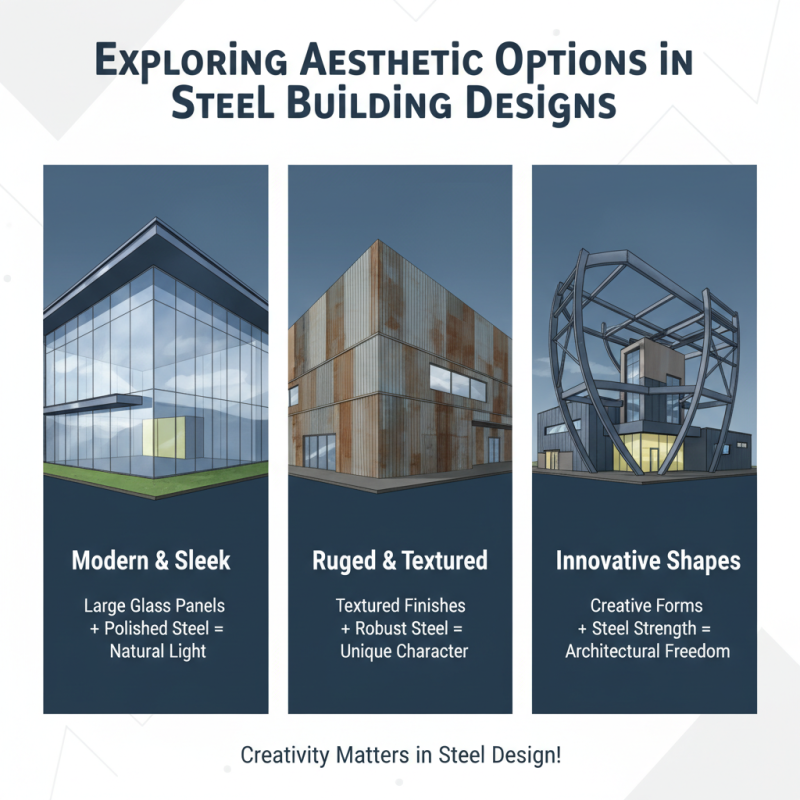
When considering the aesthetic options in steel building designs, creativity matters. Steel’s inherent strength allows for innovative shapes and styles that can complement various environments. Large glass panels can create a modern look, letting in natural light. On the other hand, textured steel finishes can add a unique touch. The choice between a sleek, polished surface or a more rugged texture can reflect the overall vision for the project.
Color plays a significant role in aesthetics as well. Custom colors can enhance a building’s visual appeal and harmonize it with surrounding landscapes. Bold colors may stand out, while muted tones can blend in. Finding the right balance between performance and aesthetic is crucial. A beautiful design should not compromise structural integrity or durability.
However, aesthetic choices come with challenges. A stunning façade might require additional maintenance. Special coatings can enhance appearance but may raise costs. The environment can also dictate what works aesthetically. Steel structures in coastal areas need extra protection against corrosion. Reflecting on these factors is essential to ensure a harmonious blend of beauty and practicality in steel building projects.
Identifying Suppliers and Manufacturers for Quality Steel Products
When embarking on a project involving steel construction, selecting reliable suppliers is crucial. Quality materials can significantly impact the durability and safety of your structure. Start by researching local manufacturers. Look for those with a proven track record in producing stable, long-lasting products. This might include reviewing customer testimonials and case studies.
Examine their certifications and industry standards. Check if they adhere to guidelines set by reputable organizations. A trustworthy supplier prioritizes quality and ensures adherence to safety regulations. Be wary of companies that lack transparency. The decision to choose a supplier should not only rely on price. The cheapest option may not guarantee the best steel building materials.
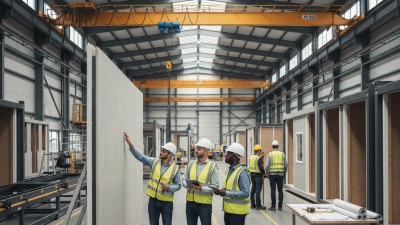
Engage with industry professionals for recommendations. Builders and architects often have insights on reliable suppliers. Consider visiting manufacturing sites. This hands-on approach offers a clearer picture of their operations. In the case of a Pre Fab Steel Building, evaluating the quality of pre-fabricated components is vital. Always ask about material sourcing and production processes. This diligence can prevent oversights that lead to costly mistakes.
Enhancing Home Aesthetics and Security: Insights from Industry Reports on Stainless Steel Doors and Their Market Trends
In today's contemporary home design, achieving both aesthetics and security is paramount. Stainless steel doors emerge as a preferred choice, thanks to their combination of strength, durability, and elegant appearance. The sleek, modern look of stainless steel can enhance the visual appeal of any entryway while providing robust protection against intrusions and harsh weather conditions. The material's natural resistance to corrosion makes it an ideal solution for spaces with high humidity, ensuring longevity and reduced maintenance.
Key features of stainless steel doors include a solid structure with a door fan thickness of 50mm, which provides added security and thermal insulation. Available in varying thicknesses for the door fan plate (0.8mm/1.0mm) and door frame steel plate (1.2mm/1.5mm), these doors can be tailored to suit specific safety needs. Internal fillings, such as high-strength paper or aluminum honeycomb, contribute to the door's lightweight yet sturdy nature. Moreover, options for surface material like 304 stainless steel ensure that the door not only meets functional requirements but also integrates seamlessly with the overall aesthetic of the home.
Customization options further enhance the appeal of stainless steel doors. Features such as windows, door closers, custom locks, and access control systems can be incorporated, allowing homeowners to create an entry that reflects their personal style and security preferences. With configurations for both single and double doors, the versatility of stainless steel doors makes them a valuable investment for any homeowner looking to elevate their property's design and security.
FAQS
: Creativity matters. Strength allows for innovative shapes and complements environments effectively.
Color significantly enhances visual appeal. Custom colors can harmonize buildings with their surroundings.
Yes, stunning façades may require extra maintenance. Special coatings can enhance appearance but increase costs.
Research local manufacturers with a proven track record. Customer testimonials can provide valuable insights.
Certifications ensure adherence to safety regulations. This prioritizes quality materials and reliable products.
Visit manufacturing sites for hands-on inspection. Engage with professionals for recommendations and insights.
Yes, cheaper options may compromise quality. Assess how materials can impact durability and safety.
Coastal areas require additional corrosion protection. Design should consider environmental factors for practicality.
The choice between polished surfaces and rugged textures can reflect the project’s intended aesthetic.
No, prioritizing quality is crucial. The cheapest option may lead to costly mistakes down the line.
Conclusion
When embarking on a construction project, selecting the right Steel Building Materials is crucial for ensuring the success and longevity of the structure. Understanding the various types of steel materials available, such as carbon steel and stainless steel, is fundamental in assessing their strength and durability. Additionally, considerations of cost-effectiveness, compliance with building codes, and environmental impacts are important factors that play a significant role in material selection.
Moreover, aesthetic preferences should not be overlooked when designing steel structures, as they can enhance the visual appeal of a building. Identifying reliable suppliers and manufacturers is essential for sourcing high-quality steel products that meet the necessary standards. By taking a comprehensive approach to the selection of Steel Building Materials, project planners can ensure a successful building endeavor that balances performance, cost, and design.