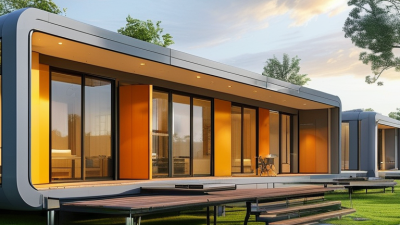
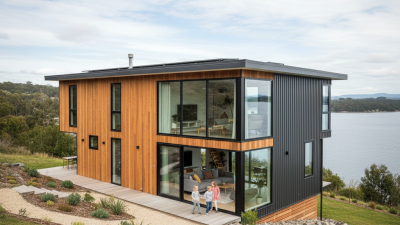
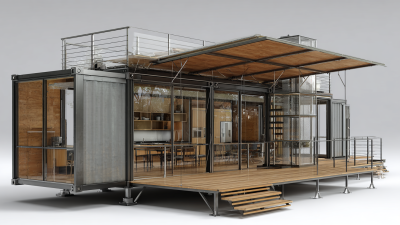
Lately, more folks have been getting pretty excited about Modular Homes. Honestly, it’s easy to see why — they’re often more efficient and can save you some serious cash. Actually, a report from the National Association of Home Builders (NAHB) mentioned that you can build these homes about 30% faster than the usual traditional ones. That’s a huge plus if you’re in a hurry to move in! But, and here’s the catch, picking the right modular home isn’t just a walk in the park — it takes some real thought.
There was even a recent survey by the National Institute of Building Sciences that pointed out lots of folks tend to overlook certain details and then end up kind of regretting their choice later. Like, you really gotta pay attention to the layout and size — do they match your lifestyle? Plenty of homeowners have shared how they feel like their space isn’t quite utilized the way they expected. So, it’s important to think about what you need and whether the design makes sense for your everyday life.
And let’s not forget — not all modular homes are created equal. The quality can vary a lot depending on the builder. Some companies seem to focus a lot on how their homes look, but maybe don’t put enough effort into making sure they’re solid and built to last. That’s why it’s super important to do your homework before jumping in. Chatting with experts and doing your research on reputable companies can really make the difference. Because at the end of the day, your dream home starts with making smart, informed choices about where and how you’re building.
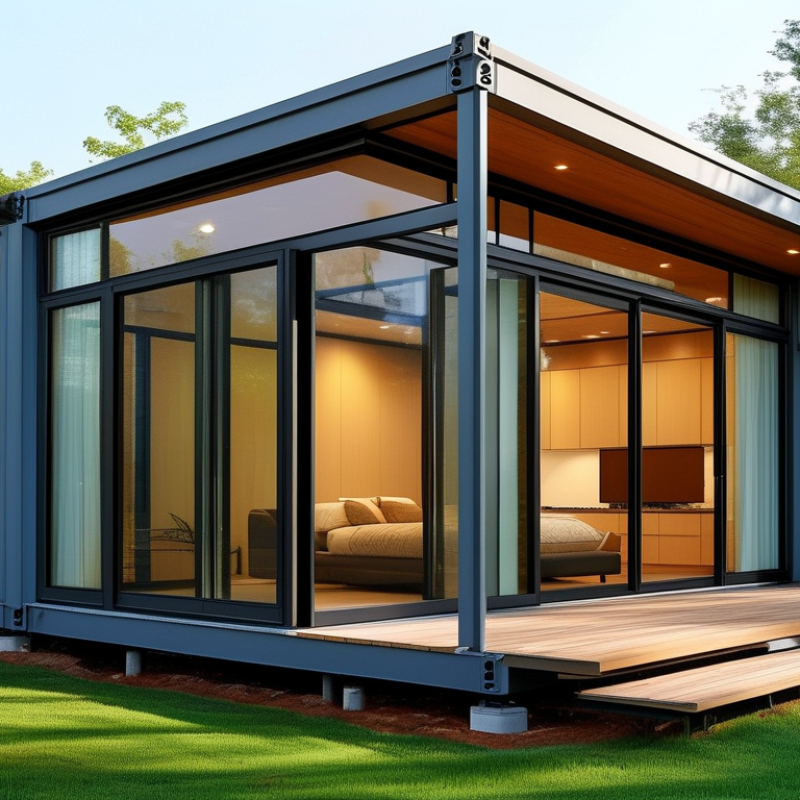
Understanding Modular Homes: Definitions and Characteristics
Modular homes are gaining popularity due to their unique properties.
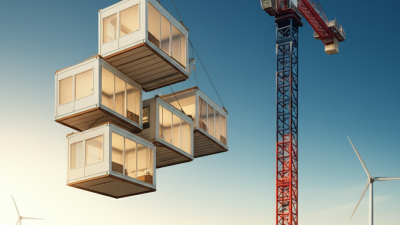
These homes are built in sections, or modules, in a factory setting.
After that, the modules are transported to the construction site for assembly.
This method offers a level of quality control rarely seen in traditional home building.
According to the Modular Building Institute, modular homes can be constructed 30% faster than conventional homes.
Understanding modular homes involves recognizing their key characteristics.
They are customizable, allowing homeowners to choose layouts and finishes.
Energy efficiency is another significant feature.
Many modular homes meet or exceed energy standards set by the Department of Energy.
These homes often use sustainable materials, promoting eco-friendliness.
However, local building codes can affect the design and construction of modular homes.
Potential buyers should check local regulations before committing.
Here are some tips to consider when selecting a modular home.
First, understand your needs and budget.
Do you prefer open spaces or more defined rooms?
Next, research various manufacturers.
A reputable company with good client reviews is essential.
Additionally, consider future resale value.
Some regions may not value modular homes as much as traditional ones.
Always factor in long-term plans when making your choice.
Assessing Your Needs: Space, Style, and Budget Considerations
Choosing a modular home is a significant decision. Assessing your space needs is crucial. Think about family size and lifestyle. Do you need extra rooms? A home office or guest room can enhance comfort. Open floor plans create a feeling of spaciousness. Consider layouts that suit your daily activities.
Style is another key aspect. Modular homes offer a range of designs, from modern to traditional. Find a style that resonates with you. Visualize how you want your living space to look. Small details matter, like exterior finishes and interior layouts. Don’t overlook how colors and materials affect the overall vibe.
Budget considerations are critical. Determine what you can afford. Modular homes often come with lower costs, but customization can add up. Factor in additional expenses, like land, utilities, and permits. Be realistic about your financial limits and prioritize features that truly enhance your lifestyle. Balancing these factors can be challenging, but it shapes a fulfilling living environment for the long term.
Modular Homes Selection Criteria
Researching Modular Home Manufacturers and Their Offerings
When researching modular home manufacturers, it’s crucial to understand their offerings. Many companies vary widely in design, cost, and quality. It's beneficial to look at customer reviews and ratings. Check how their homes perform over time. Durability and energy efficiency are key factors to consider. It’s vital to ask about the materials used in construction. Are they sustainable? High-quality materials can lead to long-term savings.
Visiting showrooms can provide insight into the craftsmanship of prefabricated modular homes. Observing the design and layout can help visualize living spaces. Take note of the available customization options. Some manufacturers offer limited choices, which can be frustrating. Comparing floor plans and designs allows for better decision-making. Additionally, looking into the company’s customer service is important. A responsive team can ease your journey from selection to installation.
Lastly, consider the time frame for delivery and installation. Some companies may promise quick timelines, but delays are common. Evaluate the overall experience of previous buyers. Take your time to reflect on their feedback. Building your dream home is not a rush job – it requires careful thought and research.
Evaluating Construction Quality and Building Materials Used
When choosing modular homes, evaluating construction quality is crucial. High-quality materials ensure longevity and reliability. Look for homes built with sturdiness in mind. Steel frames provide structural support and resist weather changes. Consider insulation types as well. Effective insulation makes a significant difference in energy consumption. Poor insulation can lead to increased costs over time.
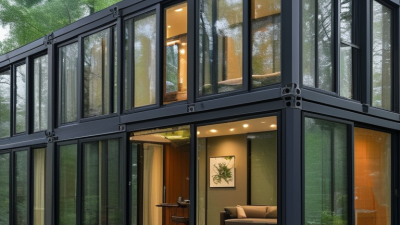
Building materials directly impact the home's safety and performance. For instance, certified wood is preferable over untreated alternatives. It offers better durability and pest resistance. Check for eco-friendly options, which may be more sustainable. Modular Container Homes often utilize recycled materials, making them an attractive choice for environmentally conscious buyers.
It's also important to reflect on the overall design. Open spaces or compact layouts? Which meets your needs better? Evaluate these aspects carefully. Sometimes, affordable price tags may hide inferior quality. It's worth spending more for better craftsmanship. Understanding these factors will empower your decision-making process, ensuring you choose a home that truly fits your lifestyle.
Exploring Customization Options for Modular Homes
When considering modular homes, customization options are essential. The beauty of modular homes lies in their flexibility. You can personalize layouts, wall colors, and materials. This ensures that your home reflects your style and meets your family’s needs. For example, an open floor plan can enhance social interactions. It gives ample space for holidays and gatherings.
Another great advantage is energy efficiency. You can choose eco-friendly materials for your modular home. This decision reduces your carbon footprint. Container Homes are particularly popular for their sustainability. They utilize recycled materials and can be designed in various styles. However, think about the insulation. Choosing the right insulation impacts comfort and energy bills.
Customization comes with challenges. It can be overwhelming to narrow down your choices. Each option has trade-offs. For instance, a unique design might increase costs. Evaluate your budget carefully. Reflect on how each choice serves your long-term goals. Prioritize, and you will find the perfect blend of function and style for your modular home.
Understanding Regulations and Permitting Processes in Your Area
When considering modular homes, it's crucial to understand local regulations. Each area has specific building codes and zoning laws. These rules dictate where you can place a home, what designs are acceptable, and energy efficiency standards. For those interested in Container House Modular Units, local guidelines may affect your choices. Some areas may have restrictions on such innovative designs.
Navigating the permitting process can be daunting. Start by contacting your local building authority. They can provide information on necessary permits and inspections. In some regions, you may require an environmental impact assessment. This review addresses how your modular home can affect the local ecosystem. It’s essential to stay informed about these steps as delays can arise if paperwork is missing.
Sometimes, regulations may feel overwhelming. Builders might face unexpected challenges during the permitting phase. It's important to remain flexible and patient. Engaging with local experts can offer insights and ease the process. By understanding regulations and permitting, you empower yourself in making informed decisions about your modular home journey.
Comparing Costs: Modular Homes vs. Traditional Homes
When comparing the costs of modular homes and traditional homes, several factors come into play.
Modular homes often present a more budget-friendly option. They are constructed in a factory setting,
which allows for efficient production and reduced labor costs. In contrast, traditional homes can incur
higher costs due to site preparation, unpredictable weather, and labor delays.
A key aspect to consider is customization.
Modular homes can be tailored to fit specific needs. However, this customization can increase costs.
Traditional homes typically offer more choices in design, but these can quickly add up. It’s essential to
balance personal preferences with budget constraints when deciding.
Financing is another crucial factor. Lenders often view modular homes differently than traditional ones.
Some may perceive them as lesser investments, potentially leading to higher interest rates.
Understanding these nuances before committing to a purchase is vital. Each option has its pros and cons
that require careful reflection. Choosing wisely can mean significant savings or unexpected expenses in the long run.
FAQS
: Assess your space needs based on family size and lifestyle. Think about necessary rooms and layouts that suit your activities.
Style matters significantly. Consider designs that resonate with you. Details like colors and finishes influence the overall vibe.
Determine affordability. Factor in costs for land, utilities, and permits. Prioritize features that enhance your life.
Yes, local building codes and zoning laws vary. They dictate home placement, design, and energy standards vital for compliance.
Start by contacting your local building authority for necessary permits. Be prepared for inspections and possible environmental assessments.
Modular homes often save costs due to efficient production. Traditional homes face higher expenses from labor and site preparation.
Yes, but customization can increase the overall price. Balance personal preferences with what fits your budget.
Lenders often see modular homes differently, possibly leading to higher interest rates. Understand these nuances before purchasing.
Delays can occur if paperwork is missing. Builders may face unexpected challenges, so patience is necessary.
Balancing factors like space, style, and budget is critical. Reflecting on these can lead to a fulfilling living environment.
Conclusion
When selecting the best modular homes, it is essential to start by understanding their fundamental definitions and characteristics. This insight allows potential buyers to assess their specific needs regarding space, style, and budget. Researching various modular home manufacturers helps in identifying the best options available, while evaluating construction quality and the types of building materials used ensures durability and safety.
Customization options are also vital, enabling homeowners to tailor modular homes to fit their unique preferences. Additionally, understanding the regulations and permitting processes in your area is crucial for a smooth installation. Finally, comparing costs of modular homes with traditional homes can provide insights into the economic benefits of choosing modular options, making it a smart choice for many buyers.