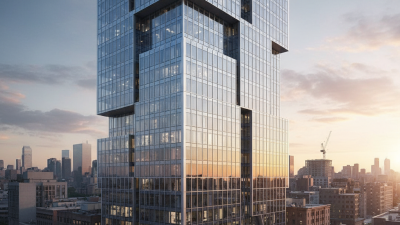
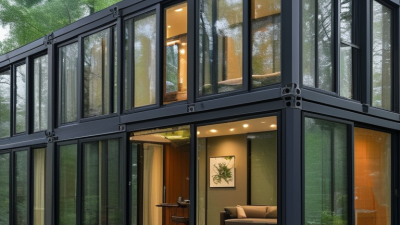
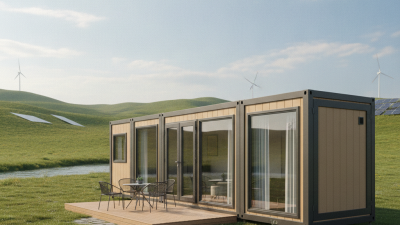
Picking out the right metal curtain wall for your project can really make a difference, not just in how things look but also in how well they work. Just take what industry expert John Smith from Advanced Architectural Solutions often says—he emphasizes that a good metal curtain wall can totally change a building's vibe and efficiency. It’s that nice balance between style and function that really matters.
Now, a metal curtain wall isn’t just about the outer shell of a building; it’s also about protecting against weather and letting your creativity shine through. Today, with all the focus on sustainability and energy savings, choosing the right one is more complicated than ever. You need to know your materials, installation tricks, and how things hold up over time. Since brands differ a lot in quality and look, picking the right option can feel pretty overwhelming.
Plus, builders sometimes don’t give enough thought to making sure their choice fits local rules or the environmental stuff involved. Picking a metal curtain wall isn’t just a visual decision — it’s also about how tough it is and how much maintenance it’ll need down the line. Keeping these things in mind can save you from costly mistakes. In the end, really understanding the ins and outs of Metal Building Metal systems helps you make a smarter, more reliable choice for your project. It’s all about doing your homework and maybe getting some expert advice along the way.
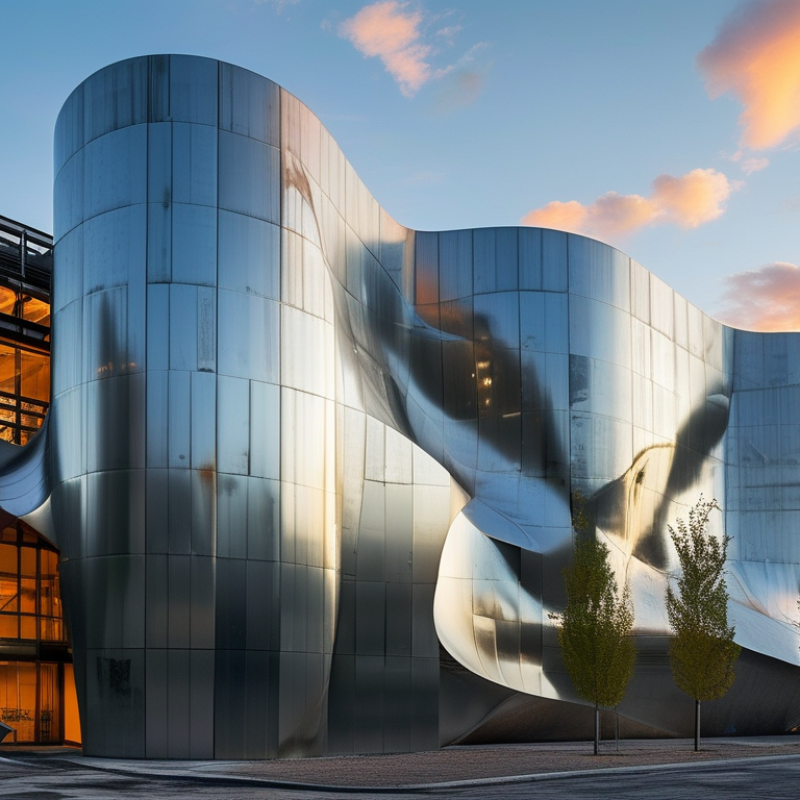
Understanding Metal Curtain Walls and Their Applications
Metal curtain walls are widely recognized for their aesthetic appeal and functional benefits in contemporary architecture. They provide a lightweight façade that can withstand various environmental factors. A report by the American Institute of Steel Construction states that metal curtain walls can reduce the overall weight of a building's exterior by 30% compared to traditional materials. This reduced load can offer significant savings in structural support systems.
Understanding their applications is essential for selecting the right type for your project. Metal curtain walls excel in commercial buildings, where natural light is crucial. A study by the National Institute of Building Sciences found that buildings with extensive glazing can save up to 25% on energy costs. However, improper installation can lead to issues such as water infiltration and thermal bridging, which can undermine energy savings and structural integrity.
Diverse materials like aluminum and steel can be tailored to suit specific needs. The choice affects durability, insulation, and aesthetics. Aluminum, typically favored for its lightweight properties, is nonetheless prone to corrosion in certain environments. Conversely, steel offers higher strength but comes with increased maintenance demands due to potential rust. Each material has its challenges and advantages, which need thorough analysis before making a choice.
Key Factors to Consider When Selecting Metal Curtain Walls
When selecting metal curtain walls for your project, several key factors deserve attention. The choice of material can significantly impact performance and aesthetics. Common options include aluminum and steel, both of which can withstand various environmental stresses. According to industry reports, aluminum accounts for roughly 70% of the metal curtain wall market due to its lightweight and corrosion-resistant nature.
Thermal performance is another vital consideration. Effective insulation can enhance energy efficiency. Studies show that buildings with well-insulated curtain walls can reduce energy consumption by up to 20%. Additionally, look for specific ratings, such as U-values and R-values, which measure insulation effectiveness. It’s often beneficial to consult with experts to assess the thermal properties appropriate for your climate.
Tips: Always consider local climate conditions. Depending on whether you’re in a hot or cold region, the insulation requirements will vary. Engage with experienced architects to refine your selection. Also, keep in mind that the installation quality plays a crucial role in performance. A poorly installed curtain wall can negate benefits, leading to costly repairs later. Reflect on these factors, as a miscalculated choice can lead to aesthetics and functionality issues down the road.
Different Types of Metal Curtain Wall Systems Explained
Metal curtain walls are popular in modern architecture, offering aesthetic appeal and function. There are several types of metal curtain wall systems, each with unique benefits. One common type is the unitized system, where panels are pre-fabricated and assembled on-site. This method can save time and labor costs.
Another popular option is the stick-built system. It is assembled on-site with individual components. This allows for flexibility in design. However, it demands more labor and time. The Exterior Wall Rockwool Sandwich Panel is an excellent choice for energy efficiency. This panel system provides insulation, which reduces energy costs and boosts sustainability.
Understanding these systems is crucial for project success. Your choice of curtain wall impacts aesthetics and functionality. It’s essential to evaluate each option carefully. Sometimes, the most popular choice is not the best fit. Consider your project's unique requirements and constraints. Don't rush your decision.
Evaluating Performance Characteristics of Metal Curtain Walls
When choosing the best metal curtain wall for your project, evaluating performance characteristics is crucial. Consider structural integrity first. A well-designed wall should withstand various weather conditions. Pay attention to factors such as wind load and thermal expansion. Also, durability is essential. A high-quality metal panel should resist corrosion and wear. This will ensure a longer lifespan and maintenance savings.
Thermal performance is another key characteristic. Look for options that provide effective insulation. This aids in energy efficiency and comfort. The use of materials like Wall Fireproof Rockwool Sandwich Panel can significantly enhance insulation properties. They not only provide fire resistance but also keep buildings warm in winter and cool in summer.
Aesthetic appeal cannot be overlooked either. The visual impact of your curtain wall will influence the overall building design. Experiment with colors and finishes. However, ensure that these choices do not compromise functional aspects. Finding the right balance between beauty and performance can be challenging. Reflect on the design choices you make; they must meet both aesthetic and practical needs. Each project is unique, requiring careful consideration of its specific challenges.
Performance Characteristics of Metal Curtain Walls
Comparing Aesthetics and Design Options for Metal Curtain Walls
When it comes to designing a building's exterior, selecting the right metal curtain wall can significantly impact both aesthetics and functionality. The visual appeal is crucial. Your choice should harmonize with the overall architecture and surrounding environment. For instance, consider how different finishes like matte or glossy can alter perceptions of depth and space.
Metal curtain walls offer diverse design options. You can opt for intricate patterns or minimalist styles. These choices reflect your project's identity. While sleek lines exude modernity, textured surfaces can add warmth. Choosing a color palette that complements other materials, like a Building Exterior Wall Rockwool Sandwich Panel, enhances the building's cohesiveness. It’s worth exploring different alloys too; varying materials can create unique statements.
Tips: Make time to visit completed projects. Observing how metal curtain walls perform in real-life settings can offer invaluable insights. Also, consult with experts during the selection process. They can guide you through the nuances of materials and designs that suit your vision. Remember, even minor imperfections in material can lead to striking final results, so keep an open mind during your project’s evolution.
Budgeting and Cost Analysis for Metal Curtain Wall Projects
Choosing the right metal curtain wall for your project requires careful budgeting. Costs vary significantly based on materials, labor, and design complexity. The materials selected often determine a project's overall quality. For instance, aluminum and steel offer different benefits and price points. Thorough analysis helps in making informed decisions.
Labor costs can be a surprising factor in your budget. Skilled installation is vital for longevity and performance. However, finding skilled labor can add to the expenses. It's crucial to assess your region's market rates for labor. Conducting research on local contractors ensures you don’t overpay. Always seek multiple quotes to get a clearer picture.
Finally, don't forget about maintenance costs in the future. Metal elements require upkeep to maintain their aesthetics and functionality. As projects develop, unexpected expenses can arise. Planning for these can save you from future headaches. Reflect on timelines and unforeseen changes that could impact budgets. Effective planning is not just about the initial costs; it’s about the overall lifecycle of the project.
Installation and Maintenance Considerations for Metal Curtain Walls
When considering the installation of metal curtain walls, understanding their maintenance is crucial. The longevity and performance of these systems rely heavily on proper upkeep. According to a recent industry report, buildings with well-maintained metal curtain walls exhibit a 15% longer lifespan than those neglected. This highlights the importance of regular inspections and timely repairs.
It’s essential to routinely check for corrosion and sealant integrity. If you notice peeling paint or rust, address these issues quickly. Inspect joints and connections every year. Some experts recommend using a qualified contractor for detailed evaluations. This can prevent costly repairs later on.
For optimal performance, ensure that drainage systems are unblocked. Poor drainage can lead to trapped moisture, leading to potential structural issues. Consider incorporating an
Exterior Wall Fireproof Rockwool Sandwich Panel for added insulation and safety. It can enhance your wall's fire resistance while improving thermal performance.
Always document maintenance activities. This record can be invaluable when assessing the wall's performance over time. Reflect on any issues encountered during maintenance. Learning from these experiences helps refine future practices.
FAQS
: Aluminum and steel are popular options due to their durability and performance in various environments.
Well-insulated curtain walls can reduce energy consumption by up to 20%, improving overall efficiency.
Experts can help assess thermal properties suitable for your climate, ensuring effective insulation.
Poor installation can lead to costly repairs. Skilled labor can add to budgets, so assess local rates.
Regular inspections, addressing corrosion, and checking sealant integrity are crucial for longevity.
Blocked drainage can trap moisture, leading to potential structural issues and damage over time.
Keeping records helps assess wall performance and learn from maintenance experiences for future improvements.
Planning for unexpected expenses and upkeep is essential to avoid future financial burdens.
Neglect can shorten its lifespan, leading to costly repairs and other functional issues down the line.
Insulation requirements vary by climate, impacting both performance and material choices for the project.
Conclusion
When selecting the best Metal Curtain Wall for your project, it's essential to understand their applications and the various types available. Key factors include performance characteristics, aesthetics, and design options that align with your vision. Considerations such as budgeting and cost analysis are crucial in ensuring the feasibility of your project, while installation and maintenance aspects will affect long-term efficiency and durability.
Different Metal Curtain Wall systems offer diverse benefits and functionalities, catering to specific architectural needs. A thorough evaluation of these elements will help you make an informed decision, ensuring that your chosen metal curtain wall not only enhances the building's appearance but also meets the necessary performance standards for your project.