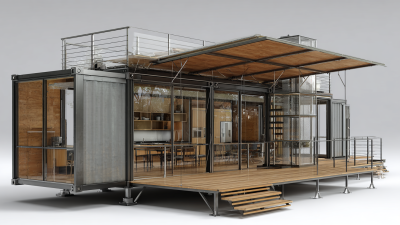
Lately, container homes have really been catching on as a cool, eco-friendly way to live. These innovative spaces are pretty flexible and don’t break the bank – especially appealing if you're into sustainability and thinking outside the box. Basically, they’re built from old shipping containers, which shows we’re finding new uses for things and rethinking how housing can work.
That said, picking the right container home isn’t always straightforward. You’ve got to think about stuff like insulation, how it looks, and where you want it located. Getting a solid foundation is crucial, but it can sometimes be a bit tricky. Plus, local rules and what the community thinks can add extra hurdles to the process.
Many companies, like Container Build Group, focus on eco-friendly building practices, which is great. Still, it’s super important to stay alert about quality and how durable these structures are. Trying to find the perfect balance between looks and function isn’t always easy either. When you’re choosing a container home, it really pays to think about your personal needs and lifestyle—after all, it’s about building a sustainable future that works for you.
Overall, it’s an exciting option, but like anything, it takes some research and planning to get it right.
Types of Container Homes Suitable for Sustainable Living
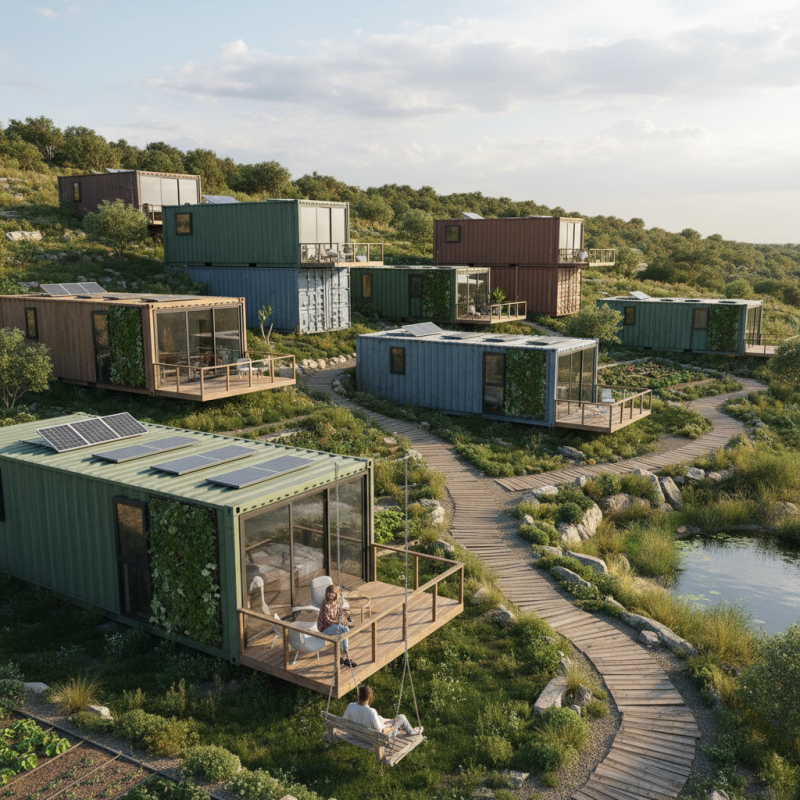
When considering container homes for sustainable living, various types appeal to different lifestyles. A popular choice is the single-container home. It’s compact, cost-effective, and ideal for minimalist living. These homes can be easily transported and set up in diverse locations. They often have open-plan designs that maximize space and natural light.
Another option is multi-container homes, which combine several shipping containers. They offer more space and flexibility in design, making them suitable for families or those needing extra room. The layout can vary, with some configurations allowing for separate living, working, and leisure spaces. However, careful planning is needed to ensure functionality and comfort.
Eco-friendly container homes can also integrate green features. Consider solar panels and rainwater collection systems. These elements enhance sustainability. Insulation is critical as well. Without it, the homes can get uncomfortably hot or cold. While container homes are an exciting option, they come with challenges. Local zoning laws and building codes might complicate the process. Research is essential before making decisions. Embracing a container home lifestyle requires thoughtful consideration and adaptation.
Key Considerations for Location and Site Selection
Choosing the right location for Modular Container Homes is crucial for sustainable living. A survey by the U.S. Green Building Council indicates that site selection can impact energy efficiency by up to 30%. Factors like climate, local resources, and proximity to amenities play a significant role. For instance, a site with abundant sun exposure can maximize solar energy use.
Soil quality is another critical consideration. Poor soil can lead to costly foundation problems. A study from the National Association of Home Builders shows that 40% of construction delays stem from unforeseen site challenges. This means that digging into local geology beforehand is essential. Consider hydrology as well; building near water sources can enhance sustainability but also increases flood risks.
Assessing local zoning laws is vital too. Some areas restrict the use of container homes due to aesthetic regulations. These rules can hinder your sustainable vision. Furthermore, community acceptance often shapes the success of modular container homes. Engaging with local residents can help avoid resistance and create a more harmonious environment.
How to Choose the Best Container Homes for Sustainable Living?
| Consideration |
Details |
| Location |
Proximity to amenities such as schools, hospitals, and grocery stores. |
| Climate |
Climate suitability for container homes, including insulation needs and ventilation. |
| Zoning Regulations |
Understand local zoning laws and building codes for container homes. |
| Utilities |
Access to electricity, water, sewage, and internet services. |
| Land Topography |
Type of land (flat, hilly) and soil conditions affecting installation. |
| Environmental Impact |
Consideration of ecology and local wildlife in choosing a location. |
| Budget |
Total budget for land, permits, and container home construction. |
| Future Expansion |
Possibility for future additions or modifications to the container home. |
Essential Features for Energy Efficiency in Container Homes
When choosing container homes for sustainable living,
energy efficiency is a vital feature to consider. Proper insulation plays a crucial role.
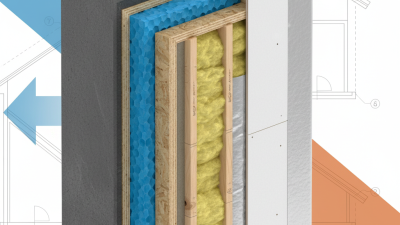
It minimizes energy loss and regulates indoor temperatures. High-quality insulation materials can keep homes warm in winter and cool in summer.
Look for products with a high R-value. This indicates better thermal performance.
Windows also make a significant difference.
Double-glazed or triple-glazed windows provide excellent insulation. They prevent drafts and allow natural light to enter without heat loss.
Additionally, consider the orientation of the windows. South-facing windows can capture more sunlight, enhancing passive solar heating.
Renewable energy solutions are essential.
Solar panels can significantly reduce reliance on the grid. They harness sunlight and convert it into energy, making container homes more self-sufficient.
Rainwater harvesting systems are another investment worth considering. They can help manage water resources effectively.
Implementing these features takes effort but leads to greater sustainability.
Modular Homes
often benefit from these systems due to their adaptable designs.
Materials and Construction Techniques for Sustainability
When selecting container homes for sustainable living, it's crucial to focus on materials and construction techniques. Many builders are turning to eco-friendly options. Experts suggest that using recycled steel or reclaimed wood reduces the carbon footprint. According to a report from the World Green Building Council, building with sustainable materials can lower energy bills by 30% to 50%. This is significant for those looking to reduce their environmental impact.
Prefab Modular Homes often feature insulation made from natural fibers. Choosing hemp or sheep wool insulation can improve energy efficiency. These materials are not only sustainable but also provide excellent thermal performance. Additionally, integrating green roofing systems can enhance water retention and support biodiversity. A study by the National Association of Home Builders indicates that homes built with sustainable methods sell for more, appealing to eco-conscious buyers.
However, there are challenges in adopting these techniques. Sourcing sustainable materials may sometimes lead to delays or increased costs. The construction process may require specialized knowledge, potentially complicating the project. It is essential to evaluate local resources and regulations. Engaging with professionals familiar with sustainable practices can mitigate these issues and lead to a more successful outcome.
Designing Container Homes for Optimal Space Utilization
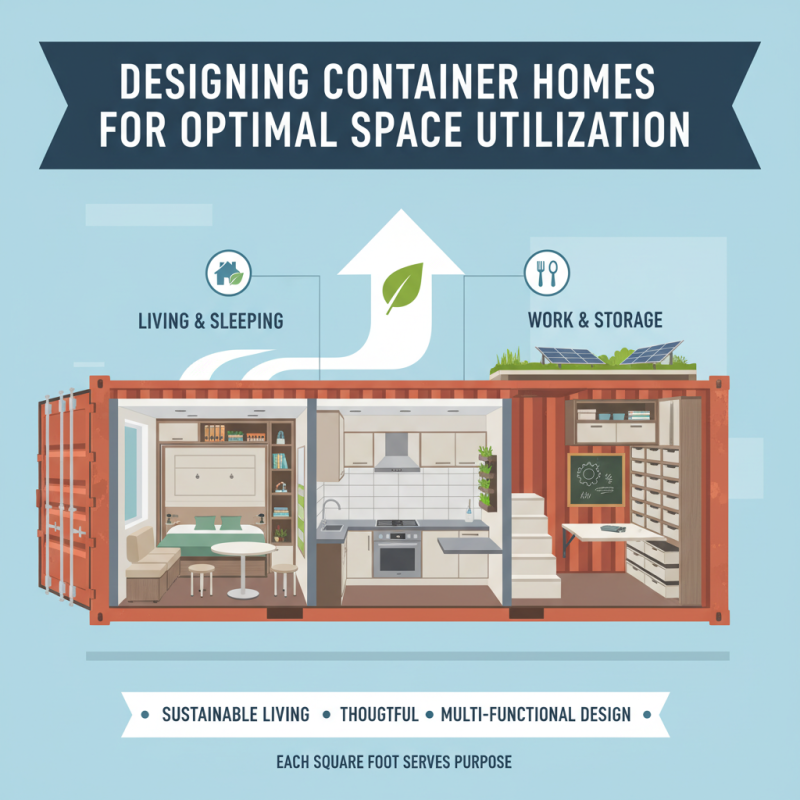
Container homes can be a unique solution for sustainable living. Designing these homes for optimal space utilization requires thoughtful planning. Each square foot must serve a purpose. This ensures efficiency without sacrificing comfort.
Using open floor plans can enhance the sense of space. Large windows let in natural light, making interiors feel more expansive. Multi-functional furniture can maximize utility. For instance, a sofa that converts to a bed saves space. However, too much furniture can clutter the area.
Thoughtful storage solutions are key. Use vertical space with shelves and cabinets. These keep essentials organized and within reach. Containers may limit width, making it crucial to avoid overcrowding. Setbacks in design can lead to overcrowding or poor airflow. It’s important to test different layouts before finalizing plans. Achieving balance in design always requires reflection and revisions.
Cost Analysis and Budgeting for Container Home Projects
Budgeting for container home projects requires careful planning. Begin by understanding the initial costs involved. The price will vary based on container size, condition, and location. Good quality shipping containers can range from a few thousand to over ten thousand dollars.
Consider additional expenses like land acquisition, permits, and utilities. Installation can also add to your budget. It’s wise to set aside funds for unexpected costs. Building a foundation, insulation, and plumbing can quickly increase your expenses.
Financial transparency is crucial. Track your spending closely. This helps you stay within your budget, but also allows room for adjustments. If your first estimate is too tight, be ready to rethink your plans. Sustainable living may mean adapting your budget along the way. Engaging with experienced builders can provide insight into potential savings.
Regulations and Zoning Laws Affecting Container Home Construction
When considering container homes for sustainable living, understanding regulations and zoning laws is crucial. Each region has its own rules that dictate what can be built and where. For instance, many areas require permits and inspections that focus on safety and environmental impact. According to a recent report by the National Association of Home Builders, about 30% of new housing projects face delays due to zoning issues. This statistic underscores the importance of navigating local regulations before embarking on a container home project.
Container homes can serve various purposes, including Container House Disaster Relief. They can offer quick and efficient housing solutions after natural disasters. However, local zoning laws may not accommodate such adaptations. Some jurisdictions restrict the use of shipping containers on residential lots. Ideal locations will allow for alternative housing models but may have limitations on aesthetics or structure height. Understanding these specifics can save time and money, and improve the sustainability of your living space.
The challenge lies in balancing innovative design with legal requirements. Many container home advocates suggest engaging with local officials early in the process. This approach can avoid unforeseen setbacks. Additionally, researching community standards is vital. Some areas have embraced container homes, while others remain skeptical. Issues like insulation, safety codes, and overall congestion need careful consideration. These factors determine not only feasibility but also the impact on sustainable living environments.
Innovative Solutions for Modern Living: Exploring the Benefits of Light Steel Quick Assembly Container Houses
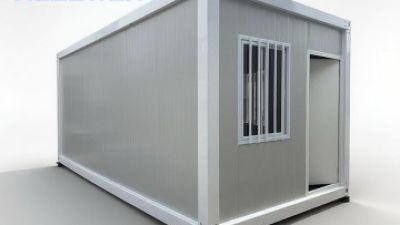
Innovative solutions for modern living often require a blend of functionality, sustainability, and rapid adaptability. Light steel quick assembly container houses epitomize this modern approach to housing, offering a versatile and efficient living solution that caters to the demands of contemporary lifestyles. These structures not only maximize space but also provide a streamlined building process, significantly reducing construction time to as little as 20-25 days.
The assembly of these container houses is designed for ease and efficiency, making them an ideal choice for various applications—from temporary housing solutions to permanent residences. They are built using durable light steel materials that ensure stability and longevity while being lightweight enough for quick assembly. This innovative method not only saves time but also minimizes labor costs, making modern living more accessible to a wider audience.
With flexible pricing options including FOB, EXW, and CIF, these structures cater to diverse commercial needs, and ports like Nansha and Shekou facilitate smooth logistics. A minimum order quantity of 100 square meters allows for scale while offering the flexibility needed in production. This unique approach to housing reflects a shifting paradigm toward sustainable and efficient living spaces, paving the way for a future where innovative construction meets practicality.
FAQS
: A single-container home is compact and cost-effective. It suits minimalist living and is easily transportable.
Multi-container homes provide more space and design flexibility. They are ideal for families needing separate living and leisure areas.
Container homes can integrate solar panels and rainwater collection systems. These features enhance sustainability and reduce utility costs.
Insulation is critical to maintain comfort. Without it, homes can become uncomfortably hot or cold.
Local zoning laws and building codes can complicate construction. Researching these regulations is vital before starting a project.
Using open floor plans and large windows enhances space use. Multi-functional furniture can also save room but avoid clutter.
Utilizing vertical space with shelves and cabinets keeps essentials organized. It’s crucial to avoid overcrowding due to container width limits.
Each square foot must serve a purpose. Thoughtful design prevents issues like overcrowding or poor airflow. Reflection is essential.
Large windows can let in natural light, making spaces feel more expansive. Proper lighting design greatly enhances comfort.
Overcrowding with furniture can hinder comfort and utility. Regularly testing different layouts can help achieve balance in design.
Conclusion
Container homes have emerged as a popular choice for sustainable living due to their versatility and eco-friendly advantages. When selecting the best container homes, it is crucial to consider the types available, ensuring they align with sustainable living principles. Key factors such as location and site selection play a significant role, as they can influence energy efficiency and overall living experience.
Essential features for energy efficiency, along with sustainable materials and construction techniques, should be prioritized to minimize environmental impact. Moreover, effective design can optimize space utilization, making container homes both functional and efficient. A thorough cost analysis and budgeting are vital to ensure the project remains financially viable. Lastly, understanding regulations and zoning laws is essential to ensure compliance and successful establishment of container home projects.