When you're kicking off a home renovation, one of the biggest decisions you'll face is picking the right wall material. Honestly, this choice isn’t just about how everything looks; it also impacts how energy-efficient your space is, how durable the walls are, and how much maintenance you'll need down the line. As John Smith, a well-known expert in wall materials and author of "Building Forward," puts it, "Choosing the right wall material sets the tone for your whole remodel—everything from insulation to the vibe of your space depends on it."
Nowadays, homeowners have tons of options—from traditional drywall to some pretty eco-friendly new materials. Every choice has its own perks and things to think about. Getting a good handle on these differences is key so that your walls not only match your style but also meet the functional needs of your home. Taking the time to consider things like texture, color, sustainability, and budget can help you make a smart, informed decision—one that really adds value and longevity to your place.
At the end of the day, picking the right wall material is a pretty important part of any renovation. It’s worth taking your time and maybe even chatting with some pros to weigh your options. The right choice won't just make your home look better; it'll also make it more comfortable and last longer over time.
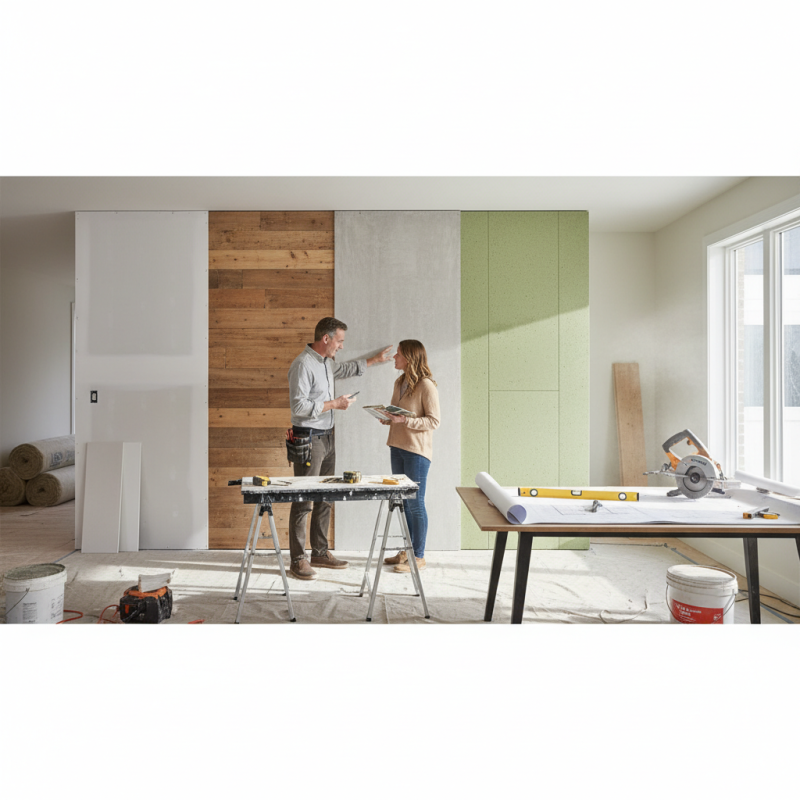
Understanding the Importance of Choosing Wall Materials
When undertaking a home renovation project, the choice of wall materials is pivotal, impacting not just aesthetics but also functionality, cost, and longevity. Selecting the right wall material goes beyond mere preference; it requires a thorough understanding of how these materials interact with the home environment. According to a report by the National Association of Home Builders, nearly 30% of homeowners regret their material choices due to insufficient research, leading to additional expenses and time delays in renovations. This statistic underscores the importance of informed decision-making.
Different wall materials offer varying degrees of insulation, noise reduction, and resistance to wear and tear. For instance, a study from the Building Research Establishment indicates that insulated wall materials can reduce heating costs by up to 20%, significantly impacting long-term energy efficiency. Additionally, the choice of wall material influences indoor air quality; materials such as low-VOC paint or natural finishes can help in maintaining a healthier living space. By carefully considering these factors, homeowners can make choices that enhance not only the aesthetic appeal of their homes but also their overall comfort and sustainability.
Types of Wall Materials for Home Renovation
When selecting wall materials for home renovation, it’s important to consider the various options available, each offering unique benefits and aesthetics. One popular choice is drywall, known for its ease of installation and versatility. Drywall comes in different thicknesses and can be painted or decorated to match any interior style. It’s an excellent option for creating smooth surfaces in living rooms and bedrooms, providing good insulation and soundproofing.
Another material to consider is plaster, which offers a traditional and textured look that can enhance the architectural appeal of a home. Plaster walls are durable, resistant to dents and scratches, and can be customized with various finishes. This material is particularly suitable for areas where a more classic or sophisticated appearance is desired, such as dining rooms or formal living spaces.
For a more contemporary feel, consider using paneling or reclaimed wood. Wood panels can add warmth and character to a room, while also serving as a statement feature. They are ideal for accent walls in family rooms or home offices, where creating a cozy ambiance is key. Alternatively, eco-friendly options like bamboo or composite materials are gaining popularity, offering sustainable choices that align with modern design principles. Each of these materials can significantly impact the overall look and feel of your home, making the choice of wall material crucial in your renovation project.
Evaluating Durability and Maintenance Requirements
When selecting the right wall material for your home renovation project, durability and maintenance requirements are crucial factors to consider.
According to a study by the National Association of Home Builders, more than 80% of homeowners prioritize materials that not only withstand the elements but also require minimal upkeep.
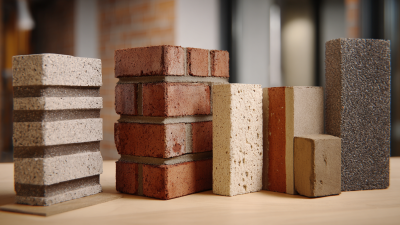
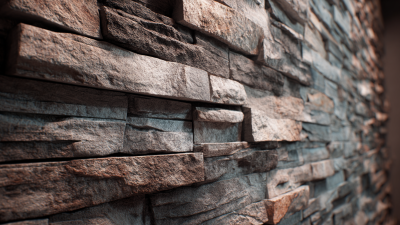
For instance, brick and stone are highly durable options that can last several decades with little more than periodic cleaning, making them attractive for long-term investments.
In contrast, materials like vinyl siding may offer easier installation but can require more frequent maintenance to keep them looking new.
In terms of maintenance, different wall materials present varying needs. A report from the American Institute of Architects indicates that while materials like stucco can create a beautiful finish, they demand regular inspections and maintenance to prevent moisture issues and cracking, especially in regions with extreme weather.
On the other hand, fiber cement boards provide enhanced durability against pests and rot, with many manufacturers claiming they require maintenance only every 15-20 years.
Understanding these differences can significantly impact the long-term performance and cost-effectiveness of your renovation, especially if you consider the potential costs associated with repairs and maintenance over time.
Assessing Aesthetic Preferences for Interior and Exterior Walls
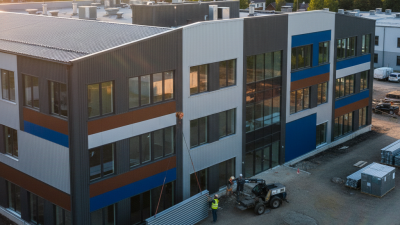
When embarking on a home renovation project, the aesthetic appeal of wall materials for both interior and exterior surfaces plays a crucial role in achieving your desired look. The right wall material can enhance the visual impact of your space, whether you're going for a modern, rustic, or classic style. Consider how the texture, color, and finish of your wall materials interact with the overall design theme of your home. For example, sleek finishes can complement contemporary spaces, while textured materials may add charm and character to traditional designs.
Tips: When assessing your aesthetic preferences, gather inspiration from home design magazines or websites. Create a mood board that reflects the colors and textures you are drawn to. Visit showrooms to see samples in person, as lighting can greatly affect how colors are perceived. Discuss your vision with a designer or contractor who can offer valuable insights into material options that align with your style.
In addition to aesthetics, think about how the chosen wall materials harmonize with your home’s architecture and landscape. For exterior walls, consider how the colors and textures will blend with the natural surroundings and complement other design elements of your home. For interior walls, synergy with furniture and decor will create a cohesive look, allowing your space to feel inviting and thoughtfully designed.
Considering Environmental Impact and Sustainability
When selecting wall materials for your home renovation, the environmental impact and sustainability of your choices should be a primary consideration. Traditional materials like concrete and brick, while durable, often carry substantial carbon footprints due to their production processes. In contrast, eco-friendly alternatives such as bamboo, reclaimed wood, or even hempcrete can reduce your renovation's overall impact on the environment. These materials not only minimize resource depletion but also promote biodiversity by using renewable resources.
Moreover, it's essential to evaluate the lifecycle of wall materials. Opting for products with low VOC (volatile organic compounds) emissions can contribute to better indoor air quality, benefiting both the environment and your home's occupants. Energy-efficient materials that improve insulation can also lead to significant energy savings in heating and cooling, further enhancing sustainability. By prioritizing materials that are both environmentally friendly and beneficial to energy efficiency, homeowners can create spaces that are not only aesthetically pleasing but also conscientious of their ecological footprint.
Budgeting for Wall Material Options
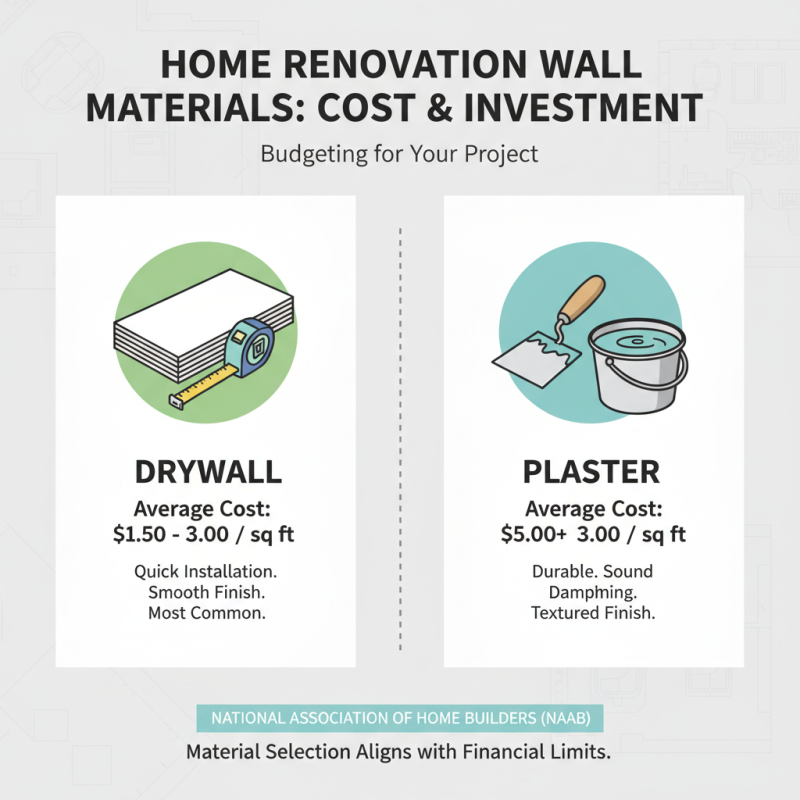
When embarking on a home renovation project, budgeting for wall material options is critical in determining the overall cost and effectiveness of your investment. According to the National Association of Home Builders (NAHB), wall materials can significantly impact both the aesthetic and structural integrity of a renovation. The average cost for drywall installation can range between $1.50 to $3.00 per square foot, while options like plaster can exceed $5.00 per square foot. This variance emphasizes the importance of aligning material selection with your financial limits.
Further analysis from the Remodeling Cost vs. Value report indicates that choosing the right wall material not only influences initial costs but also resale value. For example, homes utilizing high-quality materials like reclaimed wood or sustainable bamboo may see an increase in market appeal, often commanding a premium of 10-15% over similar homes with less durable options. Therefore, while it may be tempting to opt for the most affordable materials, considering the long-term benefits and potential return on investment is essential to making a financially sound decision in your renovation project.
Consulting Professionals for Expert Recommendations
When embarking on a home renovation project, the right wall material can significantly influence both the aesthetic appeal and functionality of your space. However, deciding on the best material can be a daunting task, given the myriad of options available. This is where consulting professionals becomes essential. Experts in the field possess a wealth of knowledge about the various wall materials, including their benefits, durability, and maintenance requirements. By leveraging their expertise, homeowners can make informed choices that align with their vision and the specific needs of their home.
In addition to providing tailored recommendations, professionals can also assist in navigating potential challenges related to wall materials. They understand local building codes, environmental considerations, and historical preservation regulations that might affect your renovation plans. Moreover, professionals can offer insights into emerging trends and innovative materials that could enhance the overall design of your space. Engaging with these experts not only saves time and effort but also helps ensure that your renovation project is successful and meets your long-term goals.
Conclusion
Choosing the right wall material for your home renovation project is crucial for both aesthetic appeal and structural integrity. This decision involves understanding the various types of wall materials available, such as drywall, plaster, wood, or stone, each offering different durability and maintenance characteristics. Homeowners should assess their aesthetic preferences for both interior and exterior walls, ensuring that the selected materials complement their overall design vision.
Moreover, considering the environmental impact and sustainability of these materials is becoming increasingly important. Budgeting for wall material options requires careful planning, as prices can vary significantly. Finally, consulting professionals can provide invaluable insights and recommendations tailored to your specific needs, ensuring a successful renovation that meets both functional requirements and design goals.