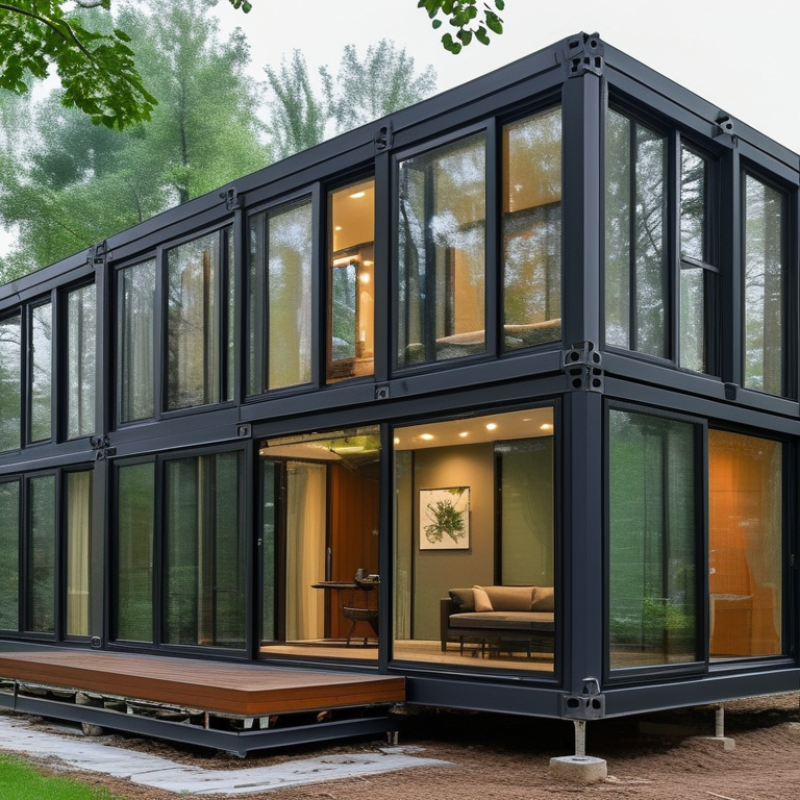
Hey there! So, in the world of construction these days, Prefab Modular Homes are really starting to catch people's attention. They sort of strike a cool balance between sleek modern design and practicality, which is pretty appealing. Plus, their building process is super efficient—meaning homes get built faster and it can save on labor costs. No wonder lots of homebuyers and developers are jumping on this bandwagon for their next projects.
What’s great about prefab modular homes is that they’re pretty customizable. You can add your own personal touches when it comes to style and features. And, they’re often more eco-friendly compared to traditional houses, which is a big plus these days. That said, it's worth considering how durable they are over the long haul and what maintenance might be needed down the line.
Of course, there are a few things to keep in mind. Local building codes can vary a lot, and finding reliable contractors isn’t always a breeze. Not every prefab home is built to perfection, so doing your homework and planning ahead is pretty important. As the housing scene keeps changing, understanding what you’re really getting into with prefab homes becomes even more crucial—it's all about making smart choices!
So yeah, while prefab modular homes are pretty exciting and offer a lot of benefits, just make sure you weigh the pros and cons before jumping in. Hope this helps some!
Benefits of Prefab Modular Homes for Modern Living
Prefab modular homes are increasingly popular for modern living. They offer a range of benefits that can enhance your lifestyle. One major advantage is their shortened construction time. Unlike traditional homes, these modular units can be assembled rapidly. This speed can save you both time and money, allowing you to move in sooner.
Another key benefit is flexibility in design. Modular homes can be customized to suit various preferences. You can choose layouts that fit your family's needs. This adaptability is essential for modern living. However, keep in mind that not all designs are equal. Some may require more adjustments than anticipated, affecting the final outcome.
Here are tips to consider when selecting a prefab home: Visit production facilities to gain a better understanding. Engage in discussions with experts in the field. Lastly, read reviews and case studies to gauge reliability. Investing time in research can help avoid pitfalls. Reflection on your choices ensures a home that truly fits your vision.
Cost-Efficiency of Choosing Prefab Modular Homes
Prefab Modular Homes are gaining popularity for many reasons, particularly their cost-efficiency. According to a recent industry report, these homes can reduce construction costs by up to 20-30% compared to traditional building methods. This is primarily due to streamlined manufacturing processes. Factories produce components in bulk, leading to less waste and reduced labor costs. This efficiency can significantly lower the overall budget for your next project.
Moreover, the time saved in construction contributes to financial benefits. Reports highlight that prefab modular homes can be completed in half the time it takes to build a traditional home. This rapid assembly means that clients can invest in their new properties sooner. However, it’s crucial to ensure that quality is not sacrificed during the speed of construction.
Tips: Always review local regulations before starting your project. It’s essential to engage with experienced contractors who specialize in modular homes. Their expertise will guide you through the design and permitting processes effectively. Keep an open mind regarding customization options, as many prefab designs allow for personal touches that don’t significantly impact costs.
Cost Efficiency of Prefab Modular Homes vs. Traditional Construction
Speed of Construction in Prefab Modular Home Projects
Prefab modular homes have gained popularity due to their fast construction speed. Projects using this approach can typically be completed in half the time compared to traditional homes. According to the Modular Building Institute, modular construction reduces project timelines by around 30-50%. This efficiency benefits homeowners who desire quick occupancy and investors looking for faster returns.
The speed of construction comes from factory manufacturing, where components are built simultaneously with site preparation. This parallel process accelerates overall project timelines. A report from the National Institute of Standards and Technology showed that prefabricated buildings can often be erected in just a few weeks.
Modular Container Homes, in particular, allow for the blending of cutting-edge design with speed, making them a compelling choice for modern living spaces.
However, there are challenges. Not all regions have the same acceptance of prefab homes. Some local regulations can slow down the permitting process. Builders might also face difficulties in transporting and installing large modules. According to industry experts, addressing these hurdles early can make a significant difference. Investing in pre-approved designs can also streamline approvals, ensuring that the rapid advantages of modular construction are realized.
Sustainability and Environmental Impact of Prefab Homes
The sustainability of prefab modular homes is a pressing topic today. Prefab homes, including
Container Homes, minimize waste during construction. On average, they produce 90% less waste
than traditional building methods. This efficiency stems from precise manufacturing processes. Less on-site waste leads to reduced environmental impact.
Energy efficiency is another critical factor. According to the U.S. Department of Energy, prefab homes often require less energy for heating and cooling. Many of these structures incorporate sustainable materials. Over time, their energy savings can significantly lower carbon footprints. It's essential to note, however, that not all prefab homes are built equally. Some may prioritize quick construction over eco-friendly materials.
While prefab homes present various benefits, challenges exist. Some structures may not suit every climate, and designs can sometimes limit customization. Ensuring that a prefab home meets local codes can be complex. Still, the potential for reduced environmental impact makes them a worthwhile consideration.
Customization Options Available for Modular Home Designs
Prefab modular homes offer a range of customization options that can truly reflect your lifestyle and preferences. From the overall layout to interior finishes, these homes can be tailored to meet individual needs. Imagine choosing open floor plans or cozy nooks that suit your family dynamics. The flexibility in design allows for personal touches, transforming a standard model into a unique living space.
It's not just about aesthetics; practical considerations matter too. You can select energy-efficient materials, smart home technologies, and eco-friendly features. However, navigating these options can be overwhelming. Balancing your desires with budget constraints is essential. Sometimes, the choices can lead to confusion, making it hard to prioritize what truly matters.
In the quest for personalization, some may overlook functional aspects. For instance, ensuring the layout optimizes natural light while maintaining energy efficiency can be challenging. It’s beneficial to focus on what will work best for you in the long run. Reflecting on how each choice impacts daily life is crucial. This way, the customization of your prefab modular home becomes a thoughtful process, enhancing both comfort and functionality.
Why Choose Prefab Modular Homes for Your Next Project? - Customization Options Available for Modular Home Designs
| Feature |
Description |
Benefits |
| Customization Options |
Choose layouts, finishes, and materials tailored to your needs. |
Tailored design reflects personal style and functional requirements. |
| Speed of Construction |
Modular homes are built in sections in a factory and assembled on-site. |
Significantly reduced construction time compared to traditional homes. |
| Energy Efficiency |
Designed with energy-saving materials and technologies. |
Lower utility bills and reduced environmental impact. |
| Quality Control |
Built to strict standards in a controlled factory environment. |
Consistent quality and reduced risk of construction defects. |
| Cost Effectiveness |
Reduced labor costs and shorter project timelines. |
More predictable budget and possibly lower overall costs. |
Quality and Safety Standards of Prefab Modular Homes
Prefab modular homes are gaining traction due to their adherence to
quality and safety standards. According to the
Modular Building Institute,
buildings constructed with modular methods can be up to
20% more efficient than traditional ones. The design and manufacturing
process of prefab homes allows for rigorous
quality control. This ensures durability and compliance with local building codes.
New studies indicate that
90% of modular homes are built in a controlled environment. This significantly
reduces the risks associated with weather delays and material degradation. Features such as
fire-resistant materials and
seismic stability are common in the industry. However, builders must ensure proper
installation to maintain these standards. For example, while
Container House Prefab Kits
offer flexibility, misalignment during assembly can
compromise structural integrity.
The safety of prefab homes is continuously evaluated through testing and certification. In fact, a
report by the National Institute of Standards and Technology
highlights that prefab homes withstand
high winds and
earthquakes effectively when built correctly. Despite this, some consumers remain skeptical about
the overall safety. Addressing these concerns requires
transparent communication from builders and
clear documentation of safety protocols.
Comparing Prefab Modular Homes to Traditional Construction Methods
Prefab modular homes present a unique solution in modern construction, particularly when compared to traditional methods.
According to a report by the Modular Building Institute, modular construction can reduce building time by up to 50%.
This shift allows developers to meet tight deadlines more efficiently. In urban areas, where space is limited, modular homes offer a viable alternative.
They can be constructed in a factory, minimizing site disruption and enhancing quality control.
Despite the advantages, some may question the perception of modular homes. Often viewed as less desirable, they have evolved tremendously.
Recent data suggests that modular construction can provide energy-efficient designs, with homes achieving up to 30% better energy savings compared to traditional builds.
This aligns well with growing consumer demand for sustainability.
Yet, challenges accompany these benefits. Limited customization options can deter some buyers.
There is also the need for a deeper understanding of local regulations regarding modular construction.
The upfront investment can be higher, requiring careful budgeting.
As the industry progresses, potential homeowners must weigh these factors thoroughly.
The decision may not be straightforward; assessing the full scope is essential.
FAQS
: Prefab homes produce 90% less waste during construction, reducing environmental impact.
Yes, they often require less energy for heating and cooling, leading to significant savings over time.
No, some prioritize speed over using sustainable materials, which is a concern.
Customization can be limited, depending on the design of the prefab home.
Most prefab homes meet quality and safety standards, enhancing their durability when built correctly.
Proper installation is crucial. Misalignment can compromise structural integrity.
Building in a controlled environment minimizes risks related to weather delays and material degradation.
Features like fire-resistant materials and seismic stability are commonly incorporated into designs.
No, some designs may not perform well in every climate, which should be considered.
Transparency from builders and clear safety documentation are essential for addressing concerns.
Conclusion
Prefab Modular Homes are increasingly becoming a popular choice for modern living due to their numerous benefits. They offer cost-efficiency by reducing labor and material expenses while maintaining high quality. The speed of construction is another significant advantage, with projects often completed in a fraction of the time compared to traditional building methods. Additionally, these homes are designed with sustainability in mind, minimizing environmental impact through efficient use of resources.
Customization options make Prefab Modular Homes appealing, allowing homeowners to tailor designs to their specific needs and preferences. Furthermore, they adhere to strict quality and safety standards, ensuring durability and reliability. Overall, when comparing Prefab Modular Homes to conventional construction methods, it is clear that they provide a practical and innovative solution for contemporary housing needs.