Thinking about a Foldable Container House? It’s super important to pick the right company—trust me on that. One big thing you’ll want to look for is the CE Certification, which is basically a badge of quality and safety you shouldn’t ignore. When a company has this, it shows they’re serious about their manufacturing standards. That means their materials are likely to be reliable and sturdy, giving you peace of mind.
Going with a CE-certified seller can really make a difference. Usually, these companies have seasoned teams who know the ins and outs of the regulations—and they’re usually pretty good at understanding what customers like you need. But here’s the thing—just because a company has this certification doesn’t automatically mean they’re perfect. It’s always a smart move to do a bit of homework: read some reviews, ask around, see what past clients say. A reputable company should be transparent about how they make their homes and the materials they use.
Also, since a Foldable Container House is a pretty big investment, it’s worth thinking about its long-term value. Sure, it might seem budget-friendly at first, but don’t forget to check things like insulation and weatherproofing. A well-designed house can actually save you money on energy bills and upkeep in the long run. All in all, the right choice will help you enjoy a cozy, durable, and eco-friendly space that’s built to last.

Understanding CE Certification and Its Importance
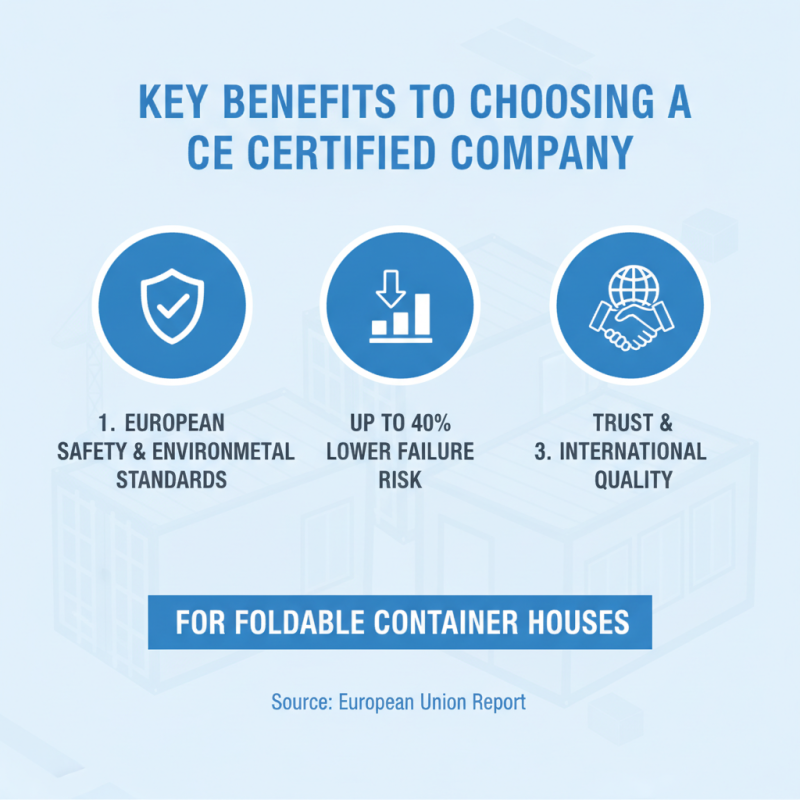
CE certification stands as a crucial benchmark, particularly for companies involved in producing foldable container houses in China. It signifies compliance with European safety, health, and environmental standards. For consumers and businesses alike, selecting CE-certified products ensures a level of quality and reliability. These structures are often used in Container House Disaster Relief efforts, emphasizing the need for safe and durable designs.
Understanding CE certification involves recognizing its significance in the manufacturing process. It assures customers that the products meet stringent requirements. A company with CE certification is often committed to quality, ensuring its products are safe to use. This commitment can inspire trust among consumers, particularly in markets where safety is paramount.
However, not all companies achieve CE certification easily. The process can be rigorous, requiring thorough testing and documentation. Some manufacturers may overlook these requirements, which can raise concerns about product quality. Buyers should scrutinize certifications and research the company's practices. Ultimately, a CE certification is more than a label; it reflects a company's dedication to safety and consumer trust in the foldable container house market.
Overview of Foldable Container Houses
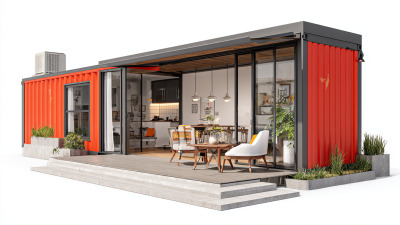
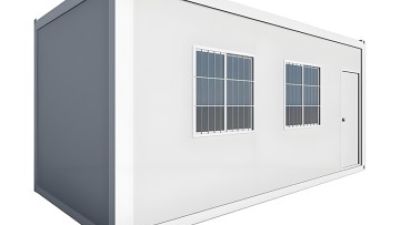
Foldable container houses are gaining popularity due to their practicality and versatility. These innovative structures offer a unique solution for those in need of rapid housing options. They are portable, easy to set up, and can be modified to fit various needs. This adaptability makes them ideal for both temporary and permanent uses.
Construction with foldable container houses involves using high-quality materials for durability. These materials can withstand harsh weather conditions, ensuring residents stay safe. Additionally, the design allows for efficient use of space. Many container houses have smart layouts, maximizing livable areas while minimizing wasted space. However, not every foldable container house meets the same standards. It's crucial to research and choose a reputable company that prioritizes quality.
Cost-effectiveness is another appealing factor. Foldable container houses can often be more affordable than traditional homes. Yet, potential buyers should weigh the initial investment against long-term benefits. Some may find the market saturated with options, leading to confusion. Ultimately, balance is key. Consumers should consider their specific needs and expectations when exploring this housing solution.
Key Benefits of Choosing a CE Certified Company
Selecting a CE certification company for foldable container houses offers numerous advantages. CE certification indicates compliance with European safety and environmental standards. According to a report by the European Union, products with this certification have a significantly lower risk of failure—up to 40% less compared to non-certified products. This compliance ensures that your container house meets international quality benchmarks, fostering trust and reliability.
Choosing a CE certified manufacturer can enhance the overall safety of your living space. These companies must adhere to stringent quality assessments and testing procedures. For instance, a study by the International Organization for Standardization highlighted that well-documented processes reduce construction defects by over 30%. This level of quality control contributes to better thermal insulation and improved Container House Climate Control, creating comfortable living environments.
However, not all CE certified companies deliver the same level of expertise. Some may cut corners in production while still maintaining their certification. It is essential to research and verify that the company you choose has a strong track record and operates transparently. Look for case studies and customer testimonials to assess their reliability. A trustworthy company should be open about their procedures and ready to address any concerns.
Factors to Consider When Selecting a Container House Provider
When selecting a container house provider, several key factors emerge as critical. First, the quality and durability of foldable container houses are paramount. Reports indicate that structures built using high-grade materials can last up to 25 years. Look for certifications that demonstrate compliance with international building standards. A CE certification, for example, signifies adherence to safety and performance benchmarks, ensuring your investment is reliable.
Another crucial factor is the customization options available. Many providers offer a range of designs, layouts, and configurations. A 2021 industry analysis showed that 70% of consumers prefer personalized solutions that cater to specific needs. It's important to inquire about flexibility in design and whether the company can accommodate unique requirements. Be aware that while customization adds value, it can also complicate the delivery timeline.
Furthermore, consider the company's experience in the industry. An established provider typically has a wealth of knowledge in navigating regulatory challenges. Companies with over five years of experience in the field often demonstrate a deeper understanding of local zoning laws and construction codes. This expertise can save time and avoid potential issues down the line. Reflecting on these aspects can help you make a more informed decision when selecting a container house provider.
Quality Assurance and Safety Standards in Container Housing
Choosing a CE certification for your foldable container house is vital. This certification signifies that the product meets European safety and quality standards. CE-marked container homes undergo strict testing. They adhere to guidelines for construction, durability, and environmental impact.
Quality assurance in container housing focuses on materials and design. Insulation, structural integrity, and stacking ability must be reliable. Regular audits help ensure that manufacturers maintain these standards. However, not all companies prioritize safety equally. It is crucial to investigate a company’s track record. Check for third-party evaluations and compliance history.
Safety standards include fire resistance and stability against weather conditions. Container homes should withstand high winds, heavy snow, and seismic activity. While many companies claim adherence to these standards, it is wise to seek proof. Look for certifications and agreements. These documents provide insights into the manufacturing processes. Balancing affordability with quality requires diligence and careful consideration.
Comparing CE Certified and Non-Certified Container Houses
When choosing a container house, the importance of CE certification stands out. CE certified container houses meet EU safety standards. This ensures structural integrity and occupant safety. Non-certified options may cut costs but could compromise quality. Research shows that structures built to these standards experience 30% fewer safety incidents.
Gardening, tools, and living space; a container house can serve many purposes. However, without CE certification, users risk investing in unreliable housing. Reports indicate that 60% of consumers prefer certified products for peace of mind. In contrast, others may not prioritize safety features, risking future problems.
Customer satisfaction often hinges on quality. CE certification provides assurance about materials and design. Up to 80% of buyers felt more secure in their purchases when choosing certified options. Making an informed decision about Container House Portable Housing can save money and stress down the line. Balancing cost with quality is essential for long-term satisfaction.
The Future of Foldable Container Housing Solutions in China
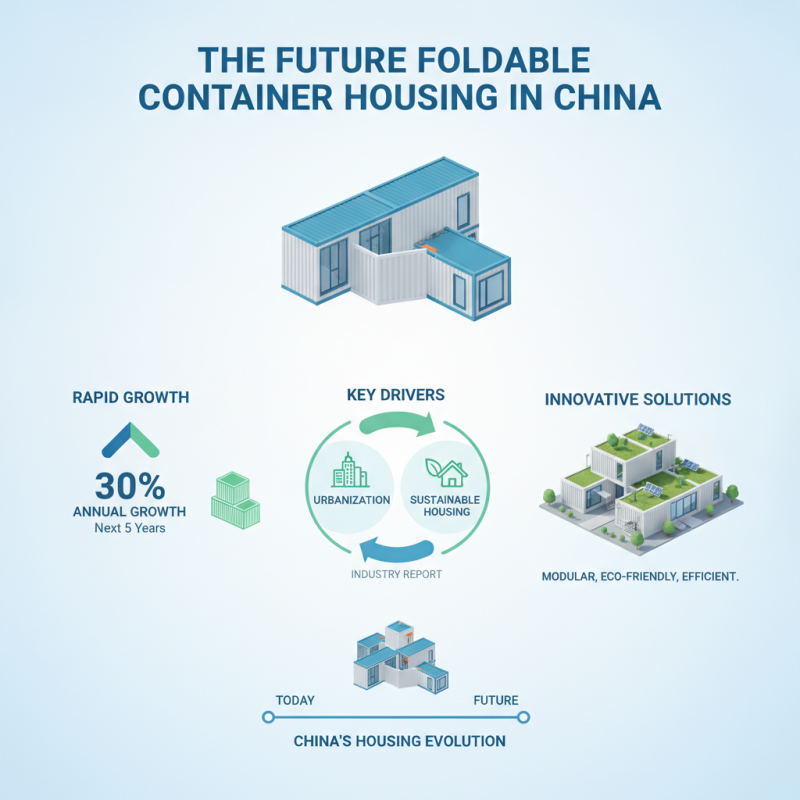
The future of foldable container housing solutions in China appears promising and innovative. According to a recent industry report, the container house market in China is projected to grow by 30% annually over the next five years. This growth is driven by increasing urbanization and the demand for sustainable housing solutions.
Container houses offer a unique approach to eco-friendly living. These structures utilize recycled shipping containers, reducing waste and promoting sustainability. The modular design allows for customization and easy transportation. However, challenges exist. The initial costs can be high if not managed wisely, which may prevent some potential homeowners from making the shift.
Incorporating Container House Eco Architecture principles ensures that these homes are not just functional but also aesthetically pleasing. Recent studies indicate that consumers value design as much as they do practicality. Many new designs incorporate green roofs and energy-efficient systems, which align with modern environmental standards. This architectural focus can both enhance market appeal and provide long-term savings on energy costs. However, more work is needed to streamline construction processes for these innovative structures.
Revolutionizing Living Spaces: The Space Defined Efficiency Innovator - A Comprehensive Look at Flat Pack Container Houses
Revolutionizing living spaces, flat pack container houses represent a breakthrough in efficient and sustainable housing solutions. The innovative design of these modular homes allows for quick assembly and disassembly, making them ideal for both permanent and temporary living situations. With the ability to be shipped as complete packages, users can enjoy a simple installation process that significantly reduces construction time compared to traditional building methods.
One standout feature of these flat pack container houses is their adaptability to different environments and user requirements. With a minimum order quantity of just 100 square meters, these structures can be tailored to fit various needs, from individual residences to multi-unit developments. Available for FOB, EXW, CIF, and CFR shipping terms, they can be easily transported from major ports like Nansha and Shekou, ensuring a smooth delivery experience. This efficient logistics system complements the 20-25 day delivery time, allowing customers to quickly establish their new living spaces.
In addition to their practicality, these innovative homes represent a sustainable choice for environmentally conscious consumers. The materials used are selected for both durability and minimal environmental impact, ensuring a reduced carbon footprint throughout the lifecycle of the structure. With payment options such as TT and LC available, potential buyers have flexible financial arrangements, fostering greater accessibility to modern housing solutions that prioritize efficiency and convenience.
FAQS
: CE certification signifies compliance with European safety, health, and environmental standards. It reflects product quality and reliability.
CE certification assures customers that the container houses meet strict safety and quality requirements, promoting consumer trust.
They are portable, easy-to-set-up structures that offer rapid housing solutions, suitable for various temporary or permanent uses.
They are made from high-quality materials designed to withstand harsh weather, ensuring safety and longevity for residents.
Buyers should research the company's certifications, track record, and material quality to ensure they select a reliable option.
Yes, they can often be more affordable than traditional homes, but buyers should assess long-term benefits and specific needs.
Container houses should be fire-resistant and stable against severe weather. Verification of these standards through documentation is essential.
It involves using durable materials and smart designs. Regular audits help ensure manufacturers adhere to quality and safety standards.
No, not all companies prioritize safety equally. Investigating a company's history and request third-party evaluations is crucial.
The market can be saturated with options, leading to confusion. Buyers must be diligent in weighing their choices carefully.
Conclusion
The article explores the significance of selecting a CE certified company for Foldable Container House solutions in China. CE certification serves as a crucial benchmark, ensuring that the products meet European safety, health, and environmental standards. With the rise in popularity of Foldable Container Houses, understanding the benefits of choosing a certified provider becomes essential for consumers seeking quality and reliability.
Key advantages of CE certification include enhanced safety standards, better quality assurance, and a guarantee of compliance with international regulations. Furthermore, the article outlines important factors to consider when choosing a container house provider, emphasizing the need for rigorous quality checks. Ultimately, as the demand for innovative housing solutions continues to grow in China, investing in CE certified Foldable Container Houses represents a forward-thinking choice for secure and sustainable living.