Leave Your Message
Request a Quote
0%

Picking the right insulated wall for your specific needs isn't just a small detail — it’s actually a pretty big deal when it comes to saving energy and staying comfortable at home or work. Did you know that, according to the Insulated Wall Association, almost 30% of a building’s energy gets lost right through the walls? That’s a significant chunk! So, investing in good quality Thermal Insulated Wall Panels really makes a difference. Industry expert John Smith from EcoBuild Solutions puts it simply: "The right insulated wall can cut down your energy bills and make your indoor climate way more comfortable."
How to Choose the Best Insulated Wall for Your Needs?

Understanding Insulated Walls: Definition and Importance

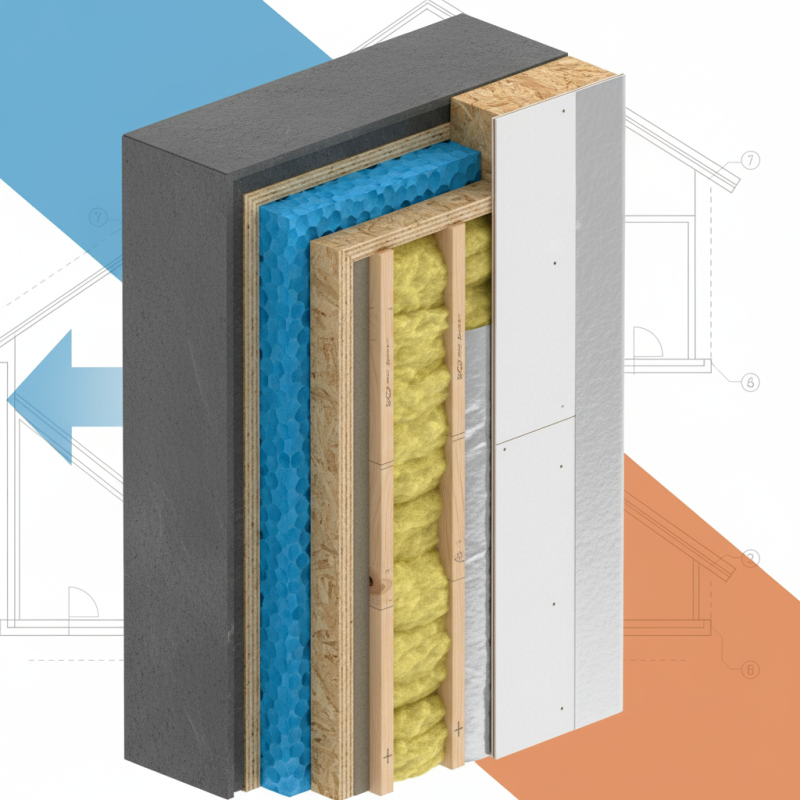
Insulated walls play a crucial role in the energy efficiency of buildings. They help maintain indoor temperatures, no matter the weather outside. According to the U.S. Department of Energy, nearly 30% of a building's heating and cooling energy can be lost through walls. This statistic highlights the importance of choosing the right insulated wall. Effective insulation can lower energy costs and create a more stable indoor environment.

The type of insulation material used can significantly impact its performance. Materials such as fiberglass, foam, and cellulose offer various benefits and drawbacks. For instance, fiberglass insulation is affordable and widely available. However, its effectiveness can diminish over time if not installed properly. In contrast, foam insulation can provide superior thermal resistance but may come at a higher initial cost. A report from the National Renewable Energy Laboratory suggests that homeowners can save up to 20% on energy bills with the right insulation choice.

Selecting the best insulated wall requires careful consideration. Reflecting on the specific needs of your building is essential. Factors such as climate, building design, and budget will all influence your decision. Sometimes, it’s challenging to find a perfect solution. Nevertheless, understanding these elements can guide you toward a more informed choice. Remember, the goal is not only comfort but also long-term sustainability.

Types of Insulated Walls: Choosing the Right Material for Your Project

When selecting an Insulated Wall for your project, consider various materials. Common options include rigid foam, spray foam, and insulated concrete forms (ICFs). According to a recent industry report, the energy efficiency of buildings can be enhanced by up to 40% with proper insulated wall systems. Each material presents unique benefits and challenges.

Rigid foam offers excellent thermal resistance but may require a vapor barrier. On the other hand, spray foam provides superior air sealing capabilities, which can be crucial in climates with extreme temperatures. Insulated concrete forms provide structural integrity while ensuring thermal performance, making them popular in energy-efficient designs.

Tips: Always assess local building codes. They may affect your choice of insulated wall. Conduct a life-cycle assessment to weigh costs versus performance. Experimenting with different materials can lead to better outcomes. Reflect on the limitations of your chosen material and how it fits into your overall project goals. This evaluation can lead to innovative approaches and greater long-term satisfaction.

Evaluating R-Values: How Thermal Resistance Influences Insulation

When evaluating thermal resistance, R-value is a crucial metric. It measures the effectiveness of insulation. A higher R-value indicates better insulation quality. Homeowners often overlook this factor. Many feel that any insulation will suffice. However, choosing wisely can lead to significant energy savings.

R-values can vary based on material type and thickness. For instance, foam boards may offer higher R-values per inch than fiberglass batts. In colder climates, selecting insulation with a higher R-value is essential for comfort and efficiency. Conversely, in milder areas, it may not be as critical. Still, evaluating your specific needs will guide you to the right choice.

Installation plays a role in performance. Poorly installed insulation can compromise its effectiveness. Gaps and compression can reduce the intended R-value. It’s worth reflecting on the quality of installation. Consider hiring a professional if you feel uncertain. They can help ensure that the chosen insulation functions as intended.

R-Values Comparison of Insulation Materials

Factors to Consider: Climate, Building Type, and Energy Efficiency

Choosing the right insulated wall requires careful consideration of several key factors. Climate plays a crucial role in determining the best materials. For instance, in colder regions, walls need better thermal resistance. According to industry reports, effective insulation can reduce energy bills by up to 30%. This is significant when evaluating long-term savings.

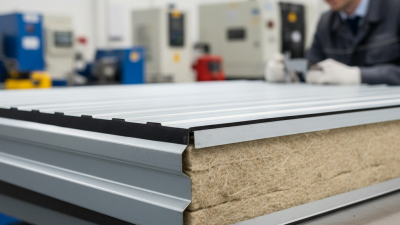
Building type also influences insulation choice. Residential homes may require different materials than commercial structures. Lightweight solutions like the Exterior Wall Rockwool Sandwich Panel are effective for many applications, offering both thermal and acoustic insulation. Reports indicate this type of panel can lower heating costs significantly while enhancing comfort.

Tips: Always consider local regulations when selecting materials. Different areas may have specific insulation requirements. The energy efficiency of your chosen wall should reflect not just initial costs but long-term savings and environmental impact. Balancing these priorities may seem challenging, but the benefits are undeniably worth the effort.

Cost Considerations: Budgeting for Insulated Wall Solutions

How to Choose the Best Insulated Wall for Your Needs?

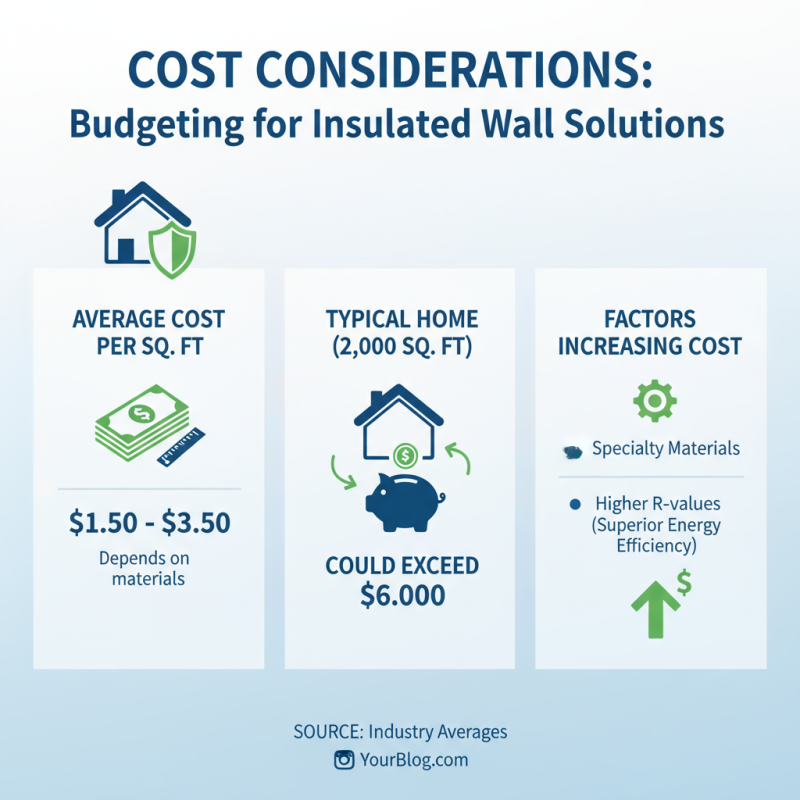
When budgeting for insulated wall solutions, it's essential to understand the costs involved. The average expense for insulated walls can range between $1.50 and $3.50 per square foot, depending on the materials used. This variation impacts overall project costs significantly. For a typical 2,000-square-foot home, insulation costs could exceed $6,000. Costs may escalate if you require specialty materials or higher R-values for superior energy efficiency.

Examining energy savings is crucial. Insulated walls can reduce heating and cooling costs by up to 30%. The Department of Energy estimates that proper insulation can cut energy bills by 15%. However, the initial investment might deter some homeowners. It's vital to weigh short-term expenses against long-term benefits. In some cases, the cheapest option may result in higher energy costs down the line. Reflecting on project goals can clarify what level of insulation is necessary. Balancing upfront costs with potential savings requires thoughtful consideration. It’s not just an expense; it’s an investment in comfort and sustainability.

Installation Methods: Assessing DIY vs. Professional Services

When deciding whether to install insulated walls yourself or hire professionals, it’s crucial to assess your skills. DIY can save money but may lead to mistakes. For instance, improper installation of a Wall Fireproof Rockwool Sandwich Panel can compromise insulation effectiveness. This can result in higher energy bills and discomfort in your space.

Professional services bring expertise and experience. They can ensure that panels are installed correctly and meet safety standards. However, hiring a contractor can be expensive. The trustworthiness of a contractor plays a significant role in your decision. Reviews and certifications should be thoroughly checked. Even well-intentioned DIY enthusiasts may struggle with complex tasks. Sometimes, investing in professional help ensures the job is done right the first time.

Ultimately, consider the scale of your project. For simple jobs, DIY might suffice. More complex installations often require professional oversight. Reflecting on your capabilities is essential in making the right choice for your insulated wall needs. Choosing the right installation method can affect cost, efficiency, and comfort long-term.

How to Choose the Best Insulated Wall for Your Needs?

Insulation Type R-Value Cost per Square Foot DIY Feasibility Professional Installation
Fiberglass Batts 2.9 - 3.7 $0.50 - $1.00 Moderate Low
Spray Foam 5.0 - 6.0 $1.50 - $3.00 Low High
Rigid Foam Board 3.6 - 4.2 $0.80 - $1.50 Moderate Moderate
Cellulose 3.1 - 3.7 $0.40 - $1.00 High Low
Mineral Wool 3.0 - 4.0 $0.80 - $1.20 Moderate Moderate

Maintenance and Longevity: Ensuring Your Insulated Walls Last

How to Choose the Best Insulated Wall for Your Needs?

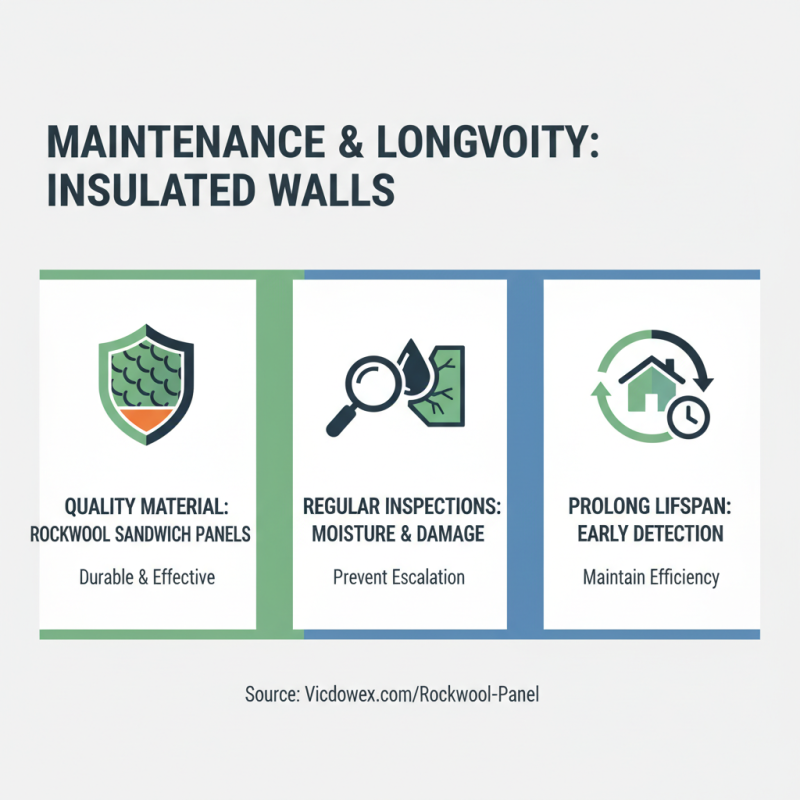
Maintaining insulated walls is crucial for their longevity and effectiveness. One important aspect to consider is insulation material quality. For instance, using a Building Exterior Wall Rockwool Sandwich Panel can be beneficial. This material is known for its durability, but it can still be susceptible to wear and tear. Regular inspections for moisture or damage can help you identify issues before they escalate.

Another key factor is proper installation. If insulated walls are not installed correctly, they may not perform as intended. Gaps or misalignments can lead to air leaks and reduced energy efficiency. Homeowners should ensure that the contractor follows the best practices throughout the installation process. A poor installation can negate the advantages of high-quality insulation.

Lastly, routine cleaning is often overlooked. Dust and debris can accumulate, impacting both the appearance and functionality of insulated walls. Simple maintenance tasks can extend the lifespan of your walls and keep them looking fresh. However, many homeowners neglect these tasks, contributing to premature deterioration. Taking the time to assess and care for your insulated walls will ultimately enhance their durability and overall performance.

FAQS

: What are insulated walls?

: Insulated walls help maintain indoor temperatures and improve energy efficiency in buildings.

Why are insulated walls important?

They prevent heating and cooling loss, which can account for nearly 30% of energy expenditure.

What materials are commonly used for insulation?

Common materials include fiberglass, foam, and cellulose, each with distinct benefits.

What is the R-value?

R-value measures insulation effectiveness; higher values indicate better thermal resistance.

How does installation affect insulation performance?

Poor installation creates gaps that reduce effectiveness. It’s critical for proper placement.

Can choosing the right insulation save money?

Yes, effective insulation can reduce energy bills by up to 20%, depending on choices made.

How should I select insulation for my building?

Consider climate, budget, and design. The ideal choice varies by individual circumstances.

Is it always easy to find the best insulated wall solution?

No, finding the perfect solution can be challenging. It often requires deep reflection.

Should I hire a professional for insulation installation?

If uncertain about installation, hiring a professional ensures proper function and effectiveness.

What happens if I underestimate insulation needs?

Underestimating can lead to discomfort and higher energy costs over time.

Conclusion

When selecting the best insulated wall for your project, understanding the definition and importance of insulated walls is crucial. These walls play a significant role in energy efficiency and climate control in buildings. Various types of insulated walls are available, and choosing the right material depends on your specific project needs. Evaluating R-values will help you understand how thermal resistance affects insulation performance, while considering factors such as climate, building type, and energy efficiency will further guide your selection process.

Budgeting for insulated wall solutions is essential, as costs can vary widely depending on materials and installation methods. You can opt for DIY installation or hire professional services, each with its own advantages. Finally, maintaining your insulated walls is vital for ensuring their longevity and effectiveness, so understanding proper care techniques is an indispensable part of the decision-making process.
Ethan

Ethan

Ethan is a dedicated marketing professional with a profound expertise in the temporary construction solutions sector. With a focus on standardization, modularization, and generalization, he plays a pivotal role in promoting our company's comprehensive service platform that seamlessly integrates......
Previous Best Container House Materials for Affordable Housing Solutions?