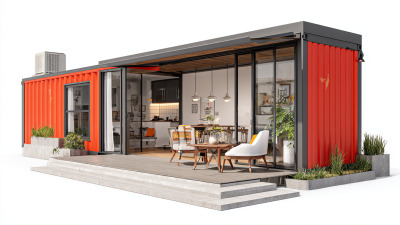
Container house kits are actually a pretty cool solution when you’re looking into modern housing options. They come in all sorts of styles and sizes, so it’s pretty flexible depending on what kind of lifestyle you’re aiming for. Honestly, picking the right one can feel a bit overwhelming with so many choices out there—stuff from affordable options to really fancy, luxury designs.
A good tip is to really think about where you want to put it and what you’re planning to use it for. Some kits are great if you just need a temporary space, while others are built to be permanent homes. It’s also worth noting that the building process varies quite a bit—don’t underestimate how much time and effort it might take. Honestly, it’s smart to take a honest look at your skills and resources before jumping in.
And oh, don’t forget to check what materials are being used. Not all container house kits are created equal—some have really good insulation and quality components, while others might cut corners. Doing a little research on brands like Container Homes USA or MODS can really help you find something that’s durable and efficient. At the end of the day, your choice should really match what you need and what matters most to you—whether that’s cost, comfort, or sustainability.

Understanding the Basics of Container House Kits
When considering a container house kit, understanding its components is vital. These kits typically include pre-fabricated containers, insulation materials, and essential fixtures. Each element contributes to building a functional living space. However, many overlook crucial details. The size of the container impacts the overall layout. Larger containers provide more space but can be harder to transport.
Energy efficiency is a common concern. Proper insulation can significantly reduce energy costs. Many kits come with basic insulation options, but you may need to invest more for better efficiency. Additionally, consider venting and humidity control. These aspects often get neglected. Poor ventilation can lead to mold or discomfort.
Customization is another aspect that often requires reflection. While many kits offer standard designs, personalizing your home can pose challenges. It might be tempting to choose unique features. However, some modifications can compromise structural integrity. Balancing aesthetics and functionality is key. Each choice influences the final outcome and should be thoughtfully considered.
Identifying Your Purpose for a Container House
When considering a container house, it's crucial to identify its purpose. Are you looking for a cozy living space or perhaps a workspace? Understanding your needs shapes your decisions in a significant way. For example, a small family may require more amenities than a single person. Think about how you plan to use the space daily.
Tips: Define your primary function. Will it be temporary or permanent? Consider how long you will stay. This directly impacts your design choices. If it’s a home, prioritize insulation and comfort. On the other hand, a studio needs natural light and an open layout.
The purpose extends to location too. Urban areas demand different styles than rural ones. Do you want to blend in or stand out? Your container's look can affect its acceptance in the neighborhood. Unique aesthetics can be appealing but may require local permits.
Tips: Research local building codes. Understanding these rules can save time and prevent future headaches. Consider sustainability in your design too. Is the environmental impact a concern? Make choices that reflect your values. They resonate with the container's purpose.
Reflecting on your intent keeps you focused. A clearly defined goal leads to better choices in container house design. It’s a process of exploration and discovery.
Container House Kit Usage by Purpose
Evaluating Different Types of Container House Kits
When evaluating different types of container house kits, consider your specific needs. Kits come in various designs and sizes. Some are ideal for permanent living, while others suit temporary use. Pay attention to insulation. Proper insulation is crucial for comfort in different climates. You might face challenges with heating or cooling if it’s lacking.
Accessibility is another factor. Ensure that the kit allows for easy entry and exit. Some designs lack ramps or proper doorways for mobility. Think about layout and space utilization. An open concept may feel spacious, but can be impractical for families.
Container House Disaster Relief projects often prioritize functionality over aesthetics, but comfort should not be overlooked.
Materials matter too. Quality can vary significantly between kits. Cheaper options may skimp on durability and safety features. Reflect on what matters most to you. Is it sustainability, cost, or aesthetics? Finding that balance is not always straightforward. Research thoroughly before making a decision, and don’t hesitate to consult the community for insights.
Assessing Size and Space Requirements for Your Needs
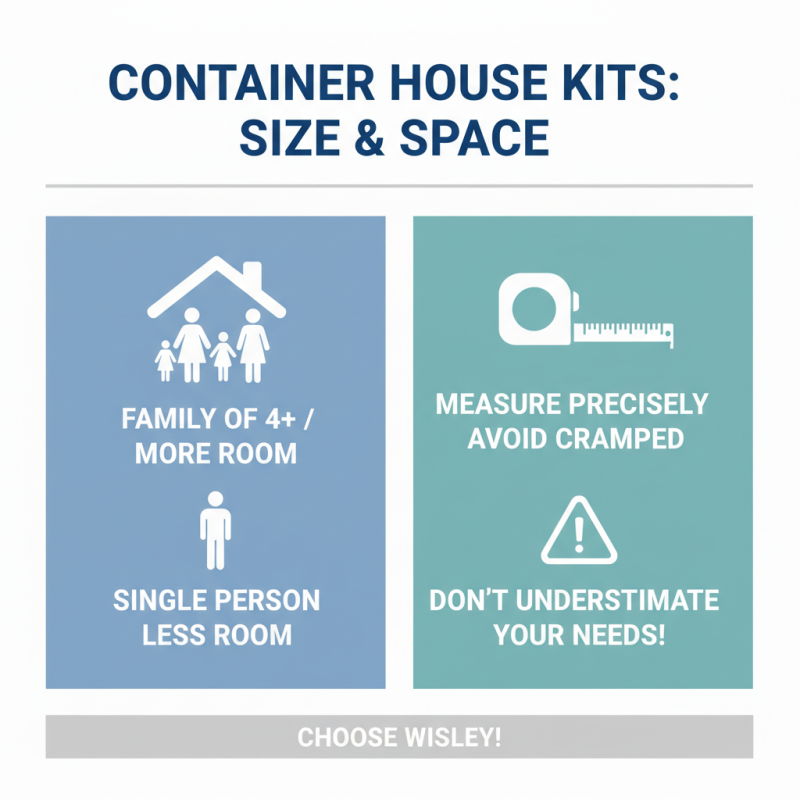
When choosing a container house kit, size and space are crucial. Consider how many people will live there. A family of four needs more room than a single person. Measure your space precisely. A compact size can feel cramped quickly. Avoid the mistake of underestimating your needs.
Think about layout as well. An open floor plan can create a sense of spaciousness. However, it may limit privacy. Separate rooms can feel cozier, but they also take up more space. Each choice impacts how you live daily. Container House Climate Control is vital too; ensure your space can adapt to different climates. A bigger container might mean better ventilation.
Reflect on your lifestyle. If you expect guests regularly, extra space is essential. If you work from home, a designated area is wise. Every decision shapes your comfort. Take time to visualize your daily routine in the space. It’s easy to overlook these details. A well-planned space makes living enjoyable.
Budgeting for Your Container House Kit Purchase
Budgeting for your container house kit is crucial. Start by determining your total budget. Consider not just the kit price, but also transportation and site preparation. Think about additional costs for utilities and permits. Analyze your financial situation carefully. A tempting low price can be misleading. Ensure you account for hidden expenses.
When exploring Container House Portable Housing options, prioritize essential features. Focus on insulation, layout, and windows. Decide how many containers you need. Simpler designs often keep costs down. Reflect on trade-offs you might make. Do you need a large space or a cozy unit? Sometimes a smaller design can be more functional and cost-effective.
Don't overlook long-term costs. A well-planned container home can save money over time. Energy-efficient options might require a higher upfront investment but pay off later. Think about your lifestyle, too. Will you live there full-time or part-time? Adjust your budget accordingly. Ultimately, a careful budget will help you create the container house of your dreams.
Researching Manufacturers and Their Reputation
When selecting a container house kit, investigating manufacturers is crucial. The reputation of a manufacturer can greatly influence the quality of your build. According to recent industry reports, nearly 70% of buyers prioritize brand reputation when making their choice. An established manufacturer often has a history of quality and customer satisfaction. This information can guide potential buyers in their decision-making process.
Researching online reviews can provide insights into a manufacturer's reliability. While positive reviews are important, negative feedback shouldn't be overlooked. Poor reviews often reveal issues such as design flaws or subpar customer service. An analysis by the Container House Eco Architecture community highlighted that 40% of new buyers reported feeling disappointed due to lack of transparency from manufacturers. Checking forums and discussion groups can yield authentic experiences from past customers.
In addition, look for certifications that assure quality standards. Not all manufacturers have the same track record. Some may focus more on aesthetics than on durability. Knowing the particulars can help avoid potential pitfalls. Constructing a home is a significant investment, and understanding the manufacturer’s background is key to ensuring satisfaction.
Understanding Local Building Regulations and Permits
When choosing a container house kit, understanding local building regulations is crucial. Different regions have various rules on construction materials and safety. You might need a permit to set up a container home. Ignoring these regulations can lead to fines or forced removal of your home.
Tips: Always check with your local building department. It helps to visit their website for specific guidelines. Sometimes, neighbors may have valuable insights about the approval process. Know your area’s zoning laws; they can affect your project significantly.
Permits can take time. Be prepared for delays while your application is processed. Gather necessary documentation early. This might include site plans and structural details. Each requirement varies by location, so customization is key.
Don’t overlook inspections. They can feel overwhelming, but they ensure safety. Often, you may need to adjust your plans based on inspection feedback. This process may seem frustrating, yet it is essential for a successful build. Embrace the challenges; they can lead to a more satisfying outcome.
Embracing Minimalism: The Benefits and Innovations of Folding Container Houses for Modern Living
In today's fast-paced urban environment, minimalism has emerged as a key lifestyle trend, encouraging individuals to embrace simplicity and efficiency in their living spaces. One innovative solution that aligns perfectly with this philosophy is the foldable container house. These modular structures offer a versatile and sustainable alternative to traditional housing, making them an appealing option for modern living. According to a recent industry report, the global market for modular housing is projected to reach $120 billion by 2027, fueled by increasing demand for affordable and eco-friendly construction solutions.
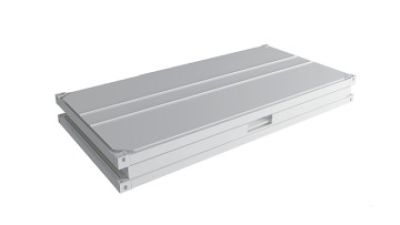
Folding container houses not only save space but also provide quick and cost-effective housing options, often delivered within 20 to 25 days of order placement. With a minimum order quantity of just 100 square meters, these structures can be customized to meet various needs, whether for residential, office, or even recreational use. Their design allows for easy transportation and assembly, making them highly adaptable to diverse locations, including urban and rural settings. As cities continue to grapple with housing shortages, the demand for such innovative living solutions is expected to grow.
Furthermore, the environmental impact of these homes is significantly lower compared to conventional building methods. Reports indicate that modular construction can reduce waste by up to 60%, while the energy efficiency of folding houses also contributes to lower carbon footprints. As more people seek to minimize their environmental impact and attain effective living solutions, folding container houses are poised to play a pivotal role in the future of sustainable housing.
FAQS
: The product aims to improve daily tasks effectively. It can enhance productivity and save time.
Follow the simple instructions included. Using it correctly can lead to good results.
Some users may experience mild discomfort. Be aware and monitor your response when using it.
Daily use is generally safe. However, individual tolerance may vary. Listen to your body.
Reach out for support. Troubleshooting often helps resolve common problems. Persistence is key.
While many can benefit, not everyone may find it useful. Assess your needs before using.
Results can vary significantly. Some may notice changes quickly, others may need more time.
Returns are typically allowed within a certain period. Be sure to check the specific policy details.
Users often benefit from online guides and forums. Engaging with the community can provide further insights.
Missing a few uses isn't ideal but not the end of the world. Get back on track when you can.
Conclusion
When choosing the best Container House Kit for your needs, it is essential to first understand the basics of these kits and identify your specific purposes, whether for permanent living, vacation use, or as a workspace. Evaluating the different types available on the market allows you to find the right fit, while assessing size and space requirements ensures your selected kit meets your lifestyle demands.
Budgeting for your Container House Kit is crucial, as prices can vary significantly based on design and materials. Additionally, researching manufacturers and their reputation will help you select a quality product, while understanding local building regulations and permits is necessary to ensure compliance with safety and zoning laws. By considering these factors, you can make an informed decision and create a suitable container home tailored to your preferences.