Aluminium wall panels have really become a hot topic in the construction world lately. People love them for their versatility and toughness. If you look at the stats, a report from Grand View Research says that the global market for aluminum composite panels was worth around $4.5 billion back in 2022, and it’s expected to grow at about 4.6% each year until 2030. A big reason for this growth? The fact that aluminum is super lightweight but still really strong — making it perfect for all sorts of buildings.
Opting for aluminium wall panels isn’t just about looks; it also helps make buildings more energy-efficient. Some recent research even suggests that using these panels could cut down a building’s energy use by up to 30%. But, of course, it’s not all smooth sailing — you’ve gotta consider things like finding quality materials and making sure everything gets installed properly. Companies like Alucobond are leading the charge with innovative products, but they’ve also been under some scrutiny over how they handle their supply chains.
Now, even though aluminium wall panels generally outperform options like the Exterior Wall Rockwool Sandwich Panel in many ways, it’s important to choose what works best for your specific project. Ultimately, the perfect choice depends on what you need for that particular job. All in all, aluminium wall panels are a solid, reliable pick — but taking the time to assess your options will definitely pay off in the long run.
Advantages of Aluminium Wall Panels in Building Construction
Aluminium wall panels are increasingly popular in building construction. Their lightweight nature makes them easier to install, reducing labor costs. According to a report by the World Aluminium Organization, aluminium construction materials can cut energy consumption by 20% during production. This efficiency also translates to lower operating costs for buildings.
One significant advantage of aluminium wall panels is their durability. They resist corrosion and require less maintenance over time. A study from the Architectural Institute noted that buildings using aluminium panels can last up to 30 years or more without needing significant repairs. This longevity makes them a cost-effective choice in the long run.
Tip: When selecting wall panels, consider the climate of your project location. Aluminium performs well in various conditions but may need specific coatings in harsher environments.
In addition to durability, aluminium wall panels provide excellent thermal insulation. This feature can significantly enhance energy efficiency in buildings. A report from the National Renewable Energy Laboratory indicated that proper insulation reduces heating and cooling costs by up to 30%. However, it is crucial to ensure panels are installed correctly to maximize their insulating properties.
Tip: Review installation guidelines carefully. Improper installation can negate the benefits of insulation and lead to higher energy costs.
Durability and Longevity of Aluminium in Various Climate Conditions
Aluminium wall panels are popular in various building projects for their durability and longevity. They can withstand harsh climate conditions, from scorching sun to frigid winters. Research indicates that aluminium has a high corrosion resistance, which is crucial for buildings exposed to moisture or salt environments. For instance, studies show that aluminium retains its integrity in coastal regions, reducing maintenance costs significantly.
The longevity of aluminium alloy components is evident. An Australian report claims that properly maintained aluminium can last over 50 years. This is impressive compared to traditional materials. However, challenges exist. Improper installation can lead to issues like thermal bridging. These pitfalls must be addressed during the planning stages.
Many builders now incorporate insulation materials, like Wall Fireproof Rockwool Sandwich Panel, to enhance energy efficiency alongside aluminium panels. This combination enhances the structure’s performance against weather extremes while keeping occupants comfortable. Yet, using these materials requires skilled labor to ensure optimum efficiency and longevity. Investing in training and quality assurance can prevent mistakes that lead to costly repairs in the future.
Durability and Longevity of Aluminium Wall Panels in Various Climate Conditions
Energy Efficiency: How Aluminium Wall Panels Contribute to Sustainability
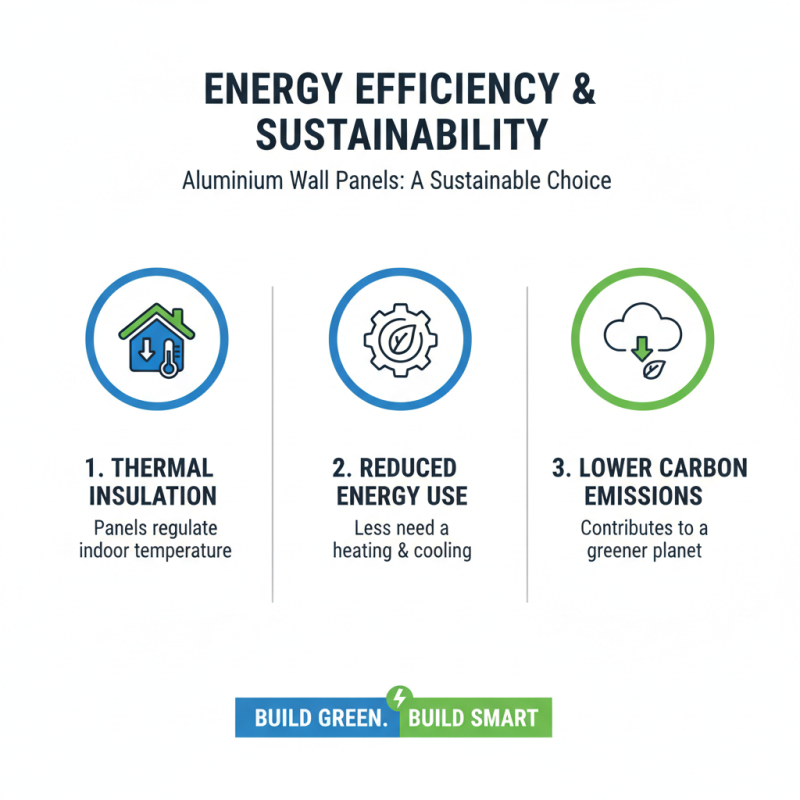
Aluminium wall panels are increasingly popular in building projects. Their energy efficiency is a significant factor in promoting sustainability. They help regulate indoor temperatures by providing excellent insulation. This reduction in energy consumption leads to lower carbon emissions.
These panels reflect heat during summer and retain warmth in winter. This dual function can drastically cut heating and cooling costs. In commercial buildings, the savings can be substantial. However, it’s essential to consider the panel's initial cost and overall lifecycle. Simple aesthetic choices can sometimes overshadow functionality.
Sustainability involves more than just energy savings. The production of aluminium has environmental impacts too. Recycling processes can mitigate these effects, making aluminium almost infinitely reusable. Choosing aluminium wall panels means considering not just upfront expenses, but long-term sustainability. Balancing these factors is crucial for informed decision-making in building design.
Design Flexibility and Aesthetic Appeal of Aluminium Panel Systems
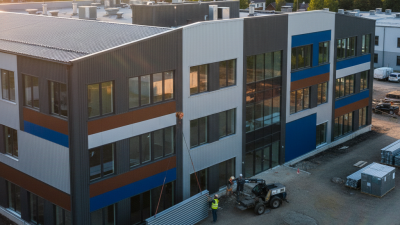
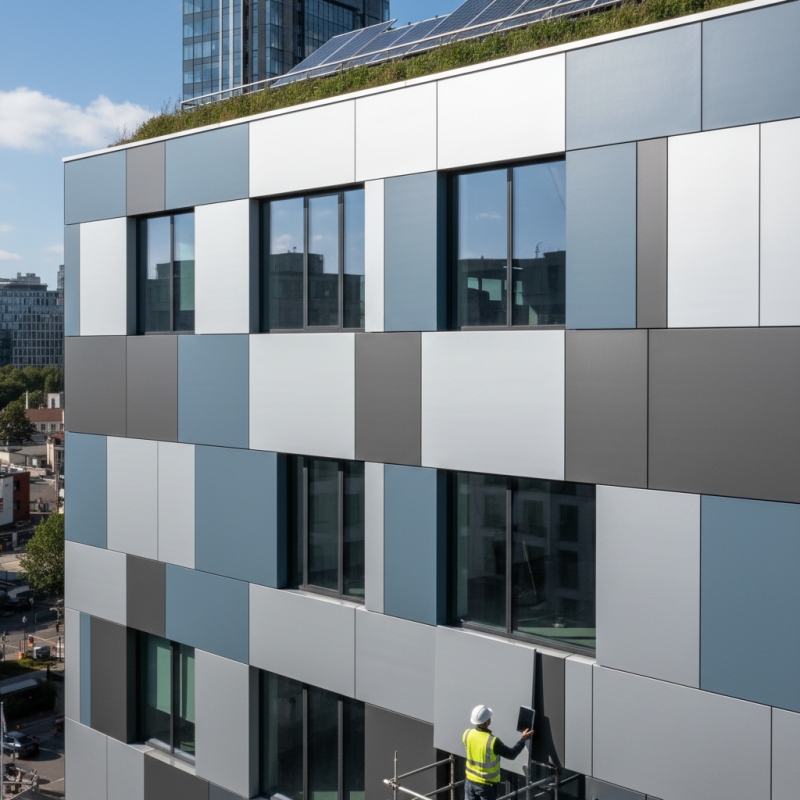
Aluminium wall panels offer incredible design flexibility. They can adapt to various architectural styles, enhancing the overall look of a building. From modern to traditional designs, these panels can transform any structure. Their lightweight nature makes them easier to install, speeding up the construction process.
When incorporating aluminium panels, consider the textures and finishes available. Matte, glossy, or even metallic options can impact the aesthetic appeal significantly. Also, colors play a critical role. Selecting a color that fits the environment will enhance the whole project. For instance, a bright panel may stand out in an urban landscape. While a muted tone may harmonize with nature.
Tip: Always request samples before finalizing your choice. It helps visualize how the panels will look in natural light.
Another aspect to keep in mind is the maintenance. Although aluminium requires less upkeep than other materials, dirt and grime can accumulate. Regular cleaning ensures the panels retain their appeal over time. Keep in mind that the structural integrity of your building relies on the right choices. Building Exterior Wall Rockwool Sandwich Panel systems can provide durability and insulation when combined with aluminium panels.
Tip: Consider sustainability. Choosing recycled aluminium can reduce your project's environmental impact. Often, this decision positively affects public perception and enhances the building's overall branding.
Cost-Benefit Analysis of Aluminium vs. Traditional Building Materials
Choosing aluminium wall panels can significantly impact your building project's overall costs and benefits. Compared to traditional materials, aluminium offers durability and low maintenance. The lightweight nature of aluminium panels reduces structural load, translating into savings on foundations and framing. This aspect is often overlooked, but it has meaningful implications for the overall budget.
Consider the environmental impact as well. Aluminium is recyclable and requires less energy to produce than materials like concrete and steel. In today’s eco-conscious market, this can enhance the appeal of your project. Many builders have found that incorporating options such as the Exterior Wall Fireproof Rockwool Sandwich Panel can combine fire safety with sustainability, further improving the project’s value.
**Tip: Always assess the lifecycle costs of materials you choose.** Low upfront costs may lead to expensive maintenance in the future. **Tip: Consult with experts** in materials science to understand the long-term benefits of each option. Ultimately, the choice between aluminium and traditional materials depends on the specific needs of your project and the nuanced benefits each offers. Balancing these factors requires careful consideration.
Fire Resistance and Safety Features of Aluminium Wall Panels
Aluminium wall panels are gaining popularity in modern architecture, particularly for their notable fire resistance and safety features. These panels are designed to withstand high temperatures, ensuring they do not easily ignite. Unlike traditional building materials, aluminium panels can slow the spread of flames. This capability significantly enhances the safety of a building, especially in urban settings where fire hazards are a concern.
In addition to fire resistance, these panels often come equipped with thermal insulation, contributing to energy efficiency. Thermal Insulated Wall Panels help regulate indoor temperatures, reducing energy consumption. This not only lowers utility bills but also aids in maintaining a comfortable environment year-round. On the flip side, not every installation of these panels meets the required standards. It's crucial to ensure that fire-rated products are selected and installed correctly.
While aluminium wall panels are a strong choice for safety, careful consideration is necessary. Choices around materials should be informed by building needs, as well as local regulations. Regular inspections and maintenance are also essential to uphold these safety standards over time. Each project presents unique challenges that require thoughtful planning and execution.
Why Choose Aluminium Wall Panels for Your Building Projects?
| Feature |
Description |
Benefits |
| Fire Resistance |
Aluminium panels have a non-combustible core that prevents fire spread. |
Enhances building safety and complies with fire regulations. |
| Durability |
Resistant to weather conditions, corrosion, and impacts. |
Long lifespan reduces maintenance and replacement costs. |
| Lightweight |
Aluminium panels are much lighter than traditional building materials. |
Easier handling and installation, saving time and labor costs. |
| Aesthetic Appeal |
Available in various colors and finishes to match design styles. |
Enhances the visual attractiveness of buildings. |
| Thermal Efficiency |
Aluminium panels can have insulating properties to regulate temperature. |
Reduces energy consumption and improves comfort within buildings. |
Maintenance Requirements and Longevity of Aluminium Paneling Systems
Aluminium wall panels are gaining popularity for various reasons. They offer a unique blend of aesthetics and functionality. Maintenance is a crucial aspect of these systems. Unlike other materials, aluminium panels require minimal upkeep. A simple wash with soap and water can keep them looking fresh. Regular inspections can prevent minor issues from escalating.
Longevity is a critical factor in construction. Aluminium panels can last for decades when maintained correctly. However, neglect might lead to corrosion or fading. Periodic touch-ups are necessary to retain their appeal. The material is resistant to weather extremes, making it reliable for different climates. Builders should monitor for scratches that could lead to rust over time.
Choosing aluminium wall panels is wise, but it requires some reflection on maintenance routines. Relying solely on their durability without proper care might be a mistake. Professionals recommend developing a maintenance schedule. This proactive approach ensures that the panels remain in excellent condition throughout their lifespan.
Innovative Applications and Benefits of Metal Corrugated Composite Panels for Interior Wall Design
Metal corrugated composite panels have emerged as a game-changer in interior wall design, offering both aesthetic appeal and functional benefits. These panels, available in materials such as aluminum and steel, are not only lightweight but also exhibit impressive fire ratings, achieving Class A as per the GB8624-2012 standard. This makes them an excellent choice for both commercial and residential applications, where safety and design integrity are paramount.
One of the significant advantages of using corrugated composite panels is their superior flatness and durability. The large panels maintain high surface flatness, creating a grand and smooth design effect within any given space. The innovative design includes a middle layer of aluminum corrugated core technology, which consists of sealed unit chambers that enhance strength and rigidity. This structure not only supports the visual impact of the panels but also contributes to their resistance to deformation, ensuring longevity and reliability in various environments.
With customizable options available for corrugated height and dimensions, these panels can cater to diverse design requirements. Typically, the panels come with a maximum width of 1200mm and a length of up to 6000mm, allowing architects and designers to achieve their desired effects without compromising on quality or safety. This adaptability, combined with outstanding performance characteristics, underscores the significance of metal corrugated composite panels in modern interior wall design.
FAQS
: Aluminium panels are durable, low-maintenance, and lightweight. They reduce structural load and save on framing costs.
Aluminium is recyclable and requires less energy to produce compared to traditional materials. This makes it more eco-friendly.
Maintenance is minimal. A simple wash with soap and water keeps them fresh. Regular inspections are also recommended.
With proper maintenance, aluminium panels can last for decades. Neglect can lead to corrosion or fading over time.
Low initial costs might lead to high maintenance expenses later. Understanding lifecycle costs helps in making informed decisions.
Yes, consulting materials science experts helps understand long-term benefits. This can lead to better project outcomes.
Monitor scratches closely. They can lead to rust if neglected. Periodic touch-ups are necessary for maintaining their appeal.
No, this can be risky. Regular maintenance routines are crucial for longevity and performance.
Aluminium is resistant to weather extremes, but regular inspections are needed. Neglecting them could lead to degradation.
Yes, incorporating eco-friendly materials can enhance appeal. It resonates well in today's market, attracting environmentally conscious clients.
Conclusion
Aluminium wall panels present numerous advantages for building construction, making them a favored choice for modern projects. Known for their durability and longevity, these panels can withstand various climate conditions without significant wear. Additionally, their energy-efficient properties contribute to sustainability by minimizing energy consumption. Aluminium wall panels also offer exceptional design flexibility, allowing for a wide range of aesthetic choices that enhance the overall visual appeal of any structure.
Furthermore, when conducting a cost-benefit analysis, aluminium demonstrates favorable economic advantages over traditional building materials, delivering long-term savings. The inherent fire resistance and safety features of aluminium wall panels add another layer of security for building occupants. With minimal maintenance requirements, aluminium paneling systems not only promise longevity but also ensure that buildings remain attractive over time.