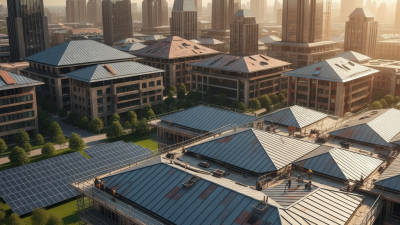
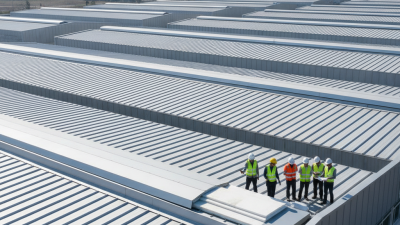
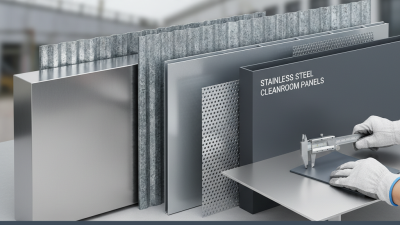
When you're choosing a metal roof supplier, quality really matters, you know? A solid, reliable roof doesn’t just last longer—it also helps with energy savings. Companies like Tianjin Huilaisi Metal Roof and Shanghai Micky Metal Supplies are pretty well-known, but what actually makes them stand out from the rest? It’s worth getting a little insight into how the metal roof market works. The kind of materials you pick can make a big difference when it comes to durability. Things like weather resistance and insulation are super important too. Take a look at Metal Sandwich Panel Roof – it’s a great option because it’s both strong and efficient thermally.
Figuring out which supplier to trust isn’t always easy, right? It’s a good idea to check their certifications and see what kind of track record they’ve got. Also, don’t forget to read reviews from other customers—those honest experiences can tell you a lot about their service and product quality. Spending some extra time on this step actually pays off in the long run because you'll end up with a better roofing solution. And hey, be open to learning from what others say—feedback is a goldmine of useful info.
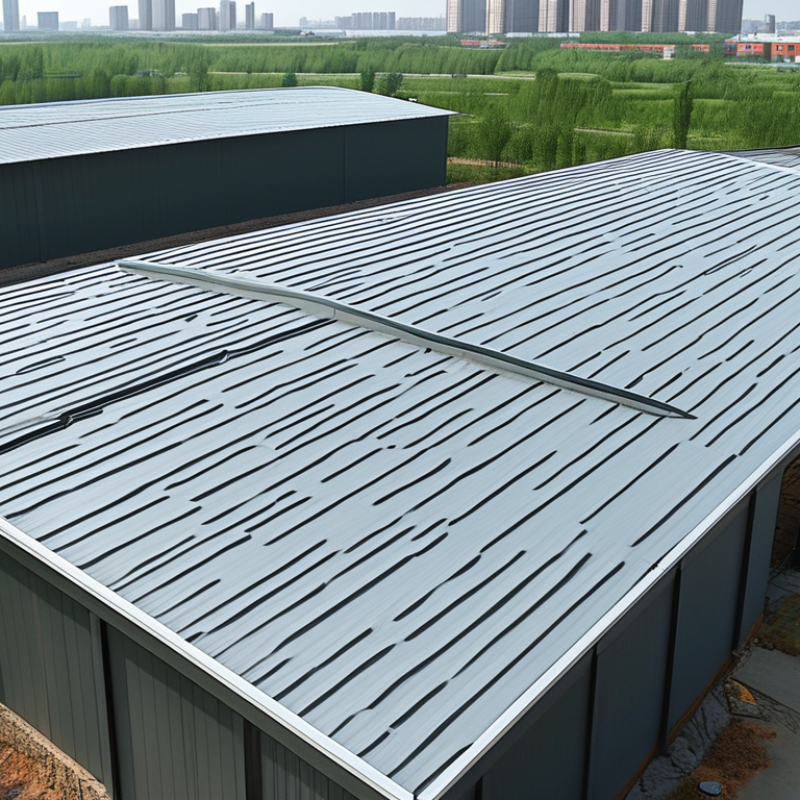
Understanding China's Metal Roof Market Landscape
China's metal roof market is diverse and dynamic. It encompasses various materials and technologies, impacting the quality of products available.
Galvanized Sheet Metal Roof options dominate due to their durability and resistance to corrosion. Many suppliers focus on cutting-edge manufacturing techniques, enhancing the strength and longevity of their roofs.
Quality control is crucial in this sector. Not all suppliers adhere to the same standards, resulting in varying product reliability. It is essential to evaluate suppliers based on their certifications and experience. Look for companies with a solid track record in the industry. Researching their production processes can reveal valuable insights into material sourcing and overall workmanship.
The market also faces challenges, like fluctuating raw material prices and evolving consumer preferences. Suppliers must adapt quickly to maintain competitiveness. A focus on sustainable practices is becoming increasingly important. Consumers desire roofs that are both efficient and environmentally friendly. This evolving landscape offers opportunities for improvement in product quality and supplier reliability.
Key Factors Influencing Quality in Metal Roofing Products
When considering quality in metal roofing, several key factors come into play. The material itself is crucial. High-grade steel or aluminum offers better durability and resistance to corrosion. Different finishes also affect longevity. Some coatings can enhance UV resistance and prevent fading. These criteria are essential when choosing a supplier.
Another important aspect is insulation.
Insulated Metal Roof Panels play a significant role in energy efficiency. They reduce heat transfer and can lower energy costs.
Good insulation also helps maintain a consistent indoor temperature. This is especially critical in extreme weather conditions. Suppliers should guarantee the thermal performance of their products.
Installation methods deserve attention as well. Incorrect installation can lead to leaks and structural issues. A reliable supplier should provide guidance and recommend experienced contractors. Ultimately,
quality assurance and performance standards matter. Each factor, from material choice to installation, contributes to the overall effectiveness of metal roofing. It's essential to evaluate these aspects carefully to ensure satisfaction.
Materials Used in High-Quality Metal Roofs
When selecting high-quality metal roofs, materials play a crucial role. A mix of metals, such as aluminum, steel, and copper, are commonly used. According to industry reports, aluminum is lightweight and resistant to corrosion. Steel, on the other hand, is strong and durable, especially when galvanized. Copper, while expensive, offers long-lasting aesthetics and resistance to environmental factors.
High-quality metal roofs often incorporate coatings. These coatings enhance corrosion resistance and reflectivity, improving energy efficiency. Studies show that reflective metal roofs can reduce cooling costs by up to 20%. However, not all coatings perform equally well. Some may degrade over time, impacting durability and aesthetics. It's essential to evaluate the type of coating used.
Insulation is another consideration. Proper insulation helps regulate temperature, reducing energy costs. Many premium metal roofs offer options for built-in insulation. Reports suggest that buildings with well-insulated roofs experience lower energy bills. Challenges may arise, such as ensuring proper installation. Even the best materials can underperform if not installed correctly.
Assessing Supplier Certifications and Standards
When selecting metal roof suppliers in China, it’s crucial to assess their certifications and standards. These credentials can indicate the quality and reliability of the products offered. Look for suppliers with certifications such as ISO 9001, which signifies adherence to consistent quality management systems. This standard ensures the processes are streamlined, reducing defects and enhancing product performance.
Moreover, consider industry-specific certifications. For instance, suppliers engaged in the construction sector should comply with local building codes and safety regulations. Each certification serves as a benchmark for quality assurance. However, obtaining these certifications can sometimes involve complex procedures. It’s worth noting that not all suppliers may fully understand these processes, leading to incomplete or misleading certifications.
Evaluating the certifications is not just a checkbox process. Engage with suppliers directly to discuss their quality control measures. Request evidence of past projects and client feedback. This interaction can reveal their commitment to quality beyond the paperwork. Critical reflection on the supplier’s ability to meet standards is essential. It ensures that you choose a partner capable of delivering reliable roofing solutions.
Evaluating Durability and Weather Resistance of Metal Roofs
When evaluating the durability and weather resistance of Metal Roofs, one must consider several key factors. A study by the Metal Roofing Alliance highlights that high-quality metal roofs can last 40 to 70 years, far exceeding traditional roofing materials. This longevity is critical, reducing the frequency of replacements and associated costs.
Weather resistance is another essential aspect. Metal roofs exhibit superior performance against severe weather conditions, including heavy rain and strong winds. According to the American Society of Civil Engineers, a well-installed metal roof can withstand winds of up to 140 mph. This resilience minimizes the risk of leaks and structural damage during thunderstorms.
However, not all metal roofs offer the same level of durability. Variations in material quality, coatings, and installation practices can affect performance. Some installations might reveal premature corrosion or fading, especially in harsh climates. Homeowners need to weigh these factors carefully when selecting a metal roof. Ultimately, understanding these elements can lead to a more informed decision, ensuring a reliable and long-lasting roofing solution.
Importance of Manufacturing Techniques in Metal Roofing
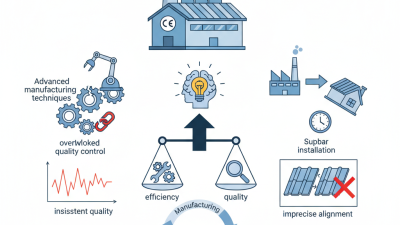
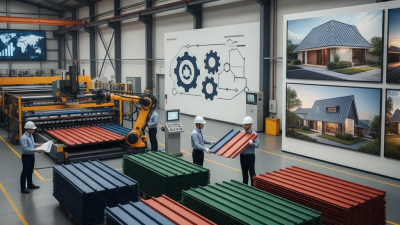
Manufacturing techniques play a crucial role in determining the quality of metal roofing. Advanced processes like roll forming and precision cutting improve the durability of the final product. According to a recent industry report, about 70% of structural failures in metal roofs can be traced back to poor manufacturing practices. This underscores the importance of investing in reliable suppliers who employ best practices.
Innovative technology is essential in metal roofing production. For instance, using high-grade materials, such as galvanized steel or aluminum, can enhance corrosion resistance. Quality control during production ensures consistent thickness and finish, which can positively impact longevity. Research indicates that roofs made with superior manufacturing techniques can last up to 50 years. However, some manufacturers may cut corners to reduce costs, leading to subpar products.
It is important to note that not all suppliers prioritize advanced manufacturing. While many focus on efficiency, the absence of quality checks can result in flaws. This reality can leave customers with significant problems down the line. Therefore, choosing a supplier with a proven track record and transparent practices is essential. A thoughtful approach toward evaluating manufacturing techniques can lead to better investments in metal roofing.
Customer Reviews and Testimonials: Insights on Supplier Quality
When selecting a metal roof supplier, customer reviews are essential. They reveal the true quality of service and products. Potential buyers often share experiences that highlight strengths and weaknesses. A consistent theme emerges in quality assurance and material durability. Positive testimonials can point to suppliers who excel in these areas. Look for specific comments regarding long-term performance.
It’s important to note that feedback can vary greatly. Some customers praise installation quality, while others mention delays. Factors such as communication and responsiveness also come into play. This kind of insight can help you gauge potential issues. Additionally, you might find mixed reviews about the after-sales service. Not all experiences are perfect, which means careful consideration is needed.
Comparing reviews across multiple platforms can paint a clearer picture. Look for patterns in the feedback. Are there repeated praises or complaints? Ensure the supplier you choose has a solid track record in delivering reliable Metal Building Metal products. This diligence can save time and money in the long run, leading to a successful roofing project.
China Top Metal Roof Suppliers - Quality Considerations
| Supplier Type |
Customer Rating |
Quality of Materials |
Delivery Time |
Customer Feedback |
| Residential Suppliers |
4.5/5 |
High |
2 weeks |
Excellent durability and aesthetics |
| Commercial Suppliers |
4.2/5 |
Medium |
4 weeks |
Good for projects with budget constraints |
| Industrial Suppliers |
4.7/5 |
Very High |
3 weeks |
Exceptional strength and performance |
| Eco-Friendly Suppliers |
4.4/5 |
High |
3.5 weeks |
Positive customer comments about sustainability |
FAQS
: High-grade steel or aluminum offers better durability and corrosion resistance. Choose wisely.
Insulated metal roof panels reduce heat transfer. This can lower energy costs and maintain indoor temperatures.
Incorrect installation can cause leaks and structural issues. Use experienced contractors recommended by suppliers.
High-quality metal roofs can last between 40 and 70 years. This reduces replacement frequency and costs.
Yes, good metal roofs can withstand winds up to 140 mph. They perform well against heavy rain.
Advanced manufacturing improves durability. About 70% of metal roof failures result from poor manufacturing practices.
Look for suppliers prioritizing advanced manufacturing and quality checks. Their practices impact the final product's quality.
Some manufacturers cut corners to reduce costs. This can lead to premature corrosion and other issues later.
Evaluate material quality, installation methods, and supplier reliability. A thoughtful approach can pay off in the long run.
Inspect for premature corrosion or fading. It may be necessary to consult a professional to address the issue.
Conclusion
The article "China Top Metal Roof Suppliers: What to Consider for Quality?" explores the intricate landscape of the metal roof market in China, highlighting key factors that influence the quality of metal roofing products. It delves into essential considerations such as the materials commonly used in high-quality metal roofs, including galvanized steel and aluminum, which significantly affect durability and performance.
Furthermore, the discussion includes the importance of assessing supplier certifications and adherence to established standards that ensure product reliability. The evaluation of durability and weather resistance emerges as crucial, given the varying climates in which these roofs are installed. Additionally, the article emphasizes the role of advanced manufacturing techniques and the significance of customer reviews and testimonials in providing insights into supplier quality, ultimately guiding buyers towards making informed decisions in their search for the best metal roof solutions.