Lately, there's been a pretty notable boost in expertise within the Prefab Construction industry. I mean, one guy who’s really well-known in the field, John Smith from Modular Innovations, points out that, "We’ve gotta prioritize quality and safety by getting the right certifications." That really highlights just how important CE certification is for manufacturers out there.
These days, with all the competition, CE certification is sort of the gold standard for safety and quality in prefab construction. It helps clients feel confident that the buildings meet strict standards. And honestly, it’s more than just a box to check — it’s a sign that a company really cares about innovation, reliability, and doing things the right way.
That said, getting this certification isn’t always a walk in the park. Many manufacturers bump into hurdles, like figuring out all the compliance details. As the prefab scene keeps changing and growing, it’s super important to stay aware of these challenges. Constant learning and tweaking your processes are key if you want to hit those standards without sacrificing quality. So, don’t hesitate to jump into discussions, swap tips, and share what’s working — after all, we’re all in this together in this fast-moving industry.
What is CE Certification in the Context of Prefab Construction?
CE certification plays a vital role in prefab construction. It ensures that products meet European standards for safety, health, and environmental protection. This certification enhances consumer trust and facilitates market access. When manufacturers prioritize CE certification, they demonstrate a commitment to quality and adherence to regulations.
Tips: Always verify the credibility of the certifying body. Not all certifications hold the same weight. Understanding the specific requirements for your product can save time and resources.
In prefab construction, quality assurance is crucial. A lack of proper certification may leave manufacturers vulnerable to legal challenges. Non-compliance can lead to serious safety risks. It is essential to embrace CE certification, not just as a requirement but as an integral part of business strategy.
Tips: Keep up-to-date with changing regulations. Standards evolve, and staying informed can mean a significant advantage. Engaging with industry experts can guide you through this complex landscape.
The Importance of CE Certification for Prefab Construction Manufacturers
CE certification plays a crucial role for prefab construction manufacturers. It ensures that products meet European safety and environmental standards. According to a report by the European Commission, about 70% of construction products require CE marking. This process enhances consumer trust and market access.
In recent years, the demand for sustainable building solutions has soared. Prefab construction, including Container House Prefab Kits, benefits significantly from CE certification. These kits not only reduce waste but also improve efficiency. Yet, some manufacturers face challenges. The certification process can be complex and time-consuming. Non-compliance can lead to penalties and damaged reputations.
The impact of CE certification on market competitiveness is significant. A study from the International Organization for Standardization (ISO) indicates that certified companies often report a 20% increase in sales. This underscores the need for manufacturers to prioritize certification. Investing in compliance is essential for long-term success in the prefab industry.
China Best CE Certification for Prefab Construction Manufacturers - Why It Matters?
| Category |
Importance |
Benefits |
Key Requirements |
| Safety Compliance |
Ensures products meet EU safety standards. |
Enhances market access in Europe. |
Risk assessments, testing reports. |
| Quality Assurance |
Guarantees product reliability and durability. |
Increases customer trust and satisfaction. |
Quality management system documentation. |
| Market Competitiveness |
Differentiates products in a competitive market. |
Attracts more clients and partners. |
Compliance with EU directives. |
| Regulatory Compliance |
Adheres to important EU legal requirements. |
Avoids fines and legal issues. |
Documentation of conformity assessments. |
| Sustainability |
Encourages eco-friendly manufacturing practices. |
Meets growing consumer demand for green products. |
Sustainability certifications, material sourcing reports. |
Steps to Obtain CE Certification for Prefab Construction Products
Obtaining CE certification for prefab construction products is vital for manufacturers aiming for quality and compliance in Europe. The process may seem daunting, but it is essential for market access. Start by understanding the European standards relevant to your products. These standards ensure that Prefab Houses meet safety, health, and environmental protection requirements.
Documentation is a key step in the certification process. Prepare technical files that include design details, test results, and risk assessments. Accurate documentation demonstrates compliance and fosters trust with potential customers. Engage with a notified body that specializes in your product type. Their expertise is invaluable in navigating the regulatory landscape.
**Tips:** Stay updated on changes in regulations. This field is constantly evolving, and failure to adapt may lead to compliance issues. Also, consider investing in training for your team regarding CE marking. Proper knowledge can prevent costly mistakes.
Lastly, don't underestimate the importance of ongoing quality checks. Conduct regular assessments to ensure your prefab houses continue to meet CE standards. This proactive approach strengthens your reputation and can lead to long-term business success.
CE Certification Importance for Prefab Construction Products
Benefits of CE Certification for Manufacturers in China
CE certification plays a crucial role for prefab construction manufacturers in China. It signifies that products meet European safety and quality standards. This certification can enhance marketability and increase competitiveness. Manufacturers with CE certification gain access to European markets, which can lead to higher sales. It also builds consumer trust, as customers feel assured of product safety.
The certification process can be challenging and time-consuming. It requires detailed documentation and compliance with strict regulations. However, the benefits outweigh the difficulties. Manufacturers often find that customers prefer certified products, leading to increased demand. CE certification can also open doors to collaborations with other reputable companies.
In a rapidly changing global market, having CE certification can be a game-changer. It not only boosts credibility but also encourages manufacturers to improve their quality control processes. Over time, manufacturers may discover that these standards enhance their overall production efficiency. As they strive for certification, they can identify areas for improvement and innovation.
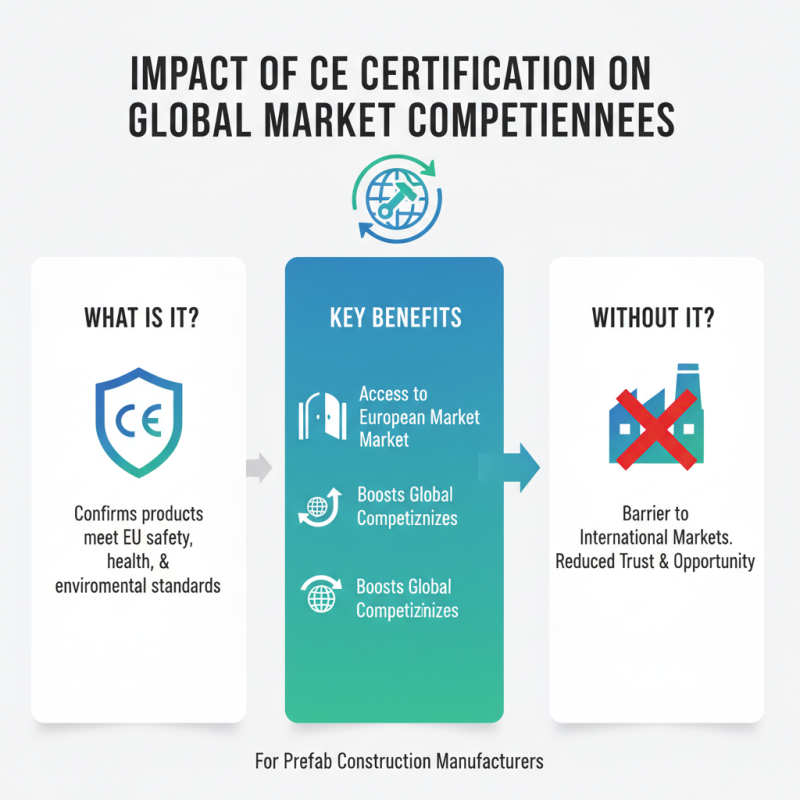
Impact of CE Certification on Global Market Competitiveness
CE certification is crucial for prefab construction manufacturers. It ensures products meet European safety, health, and environmental standards. This certification opens doors to the European market and boosts global competitiveness. Without it, manufacturers may struggle to enter international markets.
Many suppliers focus on aesthetics but overlook quality. They might produce attractive Prefab Modular Homes but fail to ensure structural integrity. The absence of rigorous standards can lead to significant issues down the line. Customers often seek durable, high-quality structures that comply with regulations. CE certification can foster trust and build brand reputation, leading to increased sales.
In a highly competitive market, having CE certification gives manufacturers an edge. It signals that products are reliable and safe. However, the process to obtain certification can be complex and time-consuming. Companies must invest in quality assurance and management systems. Such efforts can result in better products over time, ensuring long-term success in the global arena.
Challenges Faced by Chinese Manufacturers in Achieving CE Certification
Achieving CE certification poses significant challenges for Chinese manufacturers in prefab construction. This certification is vital for accessing European markets. However, the stringent requirements often feel overwhelming. Many manufacturers struggle to understand the technical documentation needed for compliance. This gap in knowledge can delay the certification process.
In addition, navigating the regulatory landscape is complex. Different European countries have varying standards. What works in one market may not be acceptable in another. Manufacturers often find themselves stuck in a cycle of revisions to meet these specifications. Language barriers further complicate the understanding of these requirements.
Quality control is another crucial area of concern. Ensuring that products consistently meet CE standards demands rigorous testing. This often requires investment in advanced technology and skilled personnel. Many manufacturers may lack the resources needed to maintain such high standards. This gap can lead to frustration and setbacks in the certification journey.
Future Trends in CE Certification for Prefab Construction Industry
The landscape of CE certification in the prefab construction industry is shifting rapidly. As sustainability becomes a crucial focus, manufacturers of products like the Prefab Container House are under increasing pressure to meet stringent standards. This need addresses both environmental concerns and safety regulations.
Companies must adapt to comply with evolving CE requirements, which evaluate quality and performance.
Technological advancements are driving innovation in CE certification processes. Digital tools like automated compliance software help manufacturers streamline documentation and ensure consistent adherence to regulations. Nonetheless, challenges remain. Many manufacturers struggle with integrating eco-friendly materials into their production methods. The industry must find a balance between cost-effectiveness and compliance, which is no small feat.
As industry trends evolve, so does the demand for transparency in CE certification. Clients want assurance about the safety and sustainability of their prefab container house. This shift calls for a reevaluation of certification practices. Manufacturers need to engage with experts who understand regulatory frameworks. Continuous education will be vital to remain competitive in this changing market.
Leveraging Industry Insights: The Rise of K-Type Prefabricated Houses in Construction Efficiency and Stability
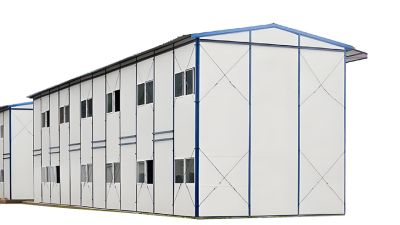
The construction industry is witnessing a transformative shift with the introduction of K-Type prefabricated houses, which are rapidly gaining traction for their efficiency and stability. These structures not only facilitate faster assembly on-site but also ensure consistent quality through controlled manufacturing processes. By leveraging insights from industry trends, these prefabricated houses are proving to be a reliable solution for various building needs, minimizing both time and labor costs associated with traditional construction methods.
K-Type prefabricated houses are offered with flexible pricing terms, including FOB, EXW, CIF, and CFR, making them accessible for a variety of projects. With a minimum order quantity of just 100 square meters, these houses can be customized to fit diverse client specifications. Companies can expect a delivery time of 20-25 days, ensuring that projects remain on schedule. Shipping can be arranged through key ports such as Nansha, Huangpu, and Shekou, allowing for efficient distribution. With competitive payment options like TT and LC, businesses can secure these innovative homes while optimizing their budget and cash flow.
FAQS
: CE certification ensures products meet European safety, health, and environmental standards. It builds consumer trust and enables market access.
It enhances marketability, competitiveness, and access to European markets. Certified products often see higher sales.
The process can be time-consuming and requires detailed documentation. Navigating regulations can be difficult without expert guidance.
Striving for certification encourages manufacturers to improve quality control and production processes over time.
Manufacturers may face legal challenges and safety risks. Non-compliance can lead to significant issues for their products.
Consumers often feel more assured when products are certified. It signals reliability and safety in their choices.
Keeping up with changing standards can lead to a competitive advantage and avoid compliance issues.
They can identify areas needing improvement, which fosters innovation and enhances overall production efficiency.
The complexities and time requirements can discourage companies, despite the long-term benefits.
Focusing too much on aesthetics instead of ensuring quality and compliance can lead to future problems.
Conclusion
The article titled "China Best CE Certification for Prefab Construction Manufacturers Why It Matters?" explores the critical role of CE certification within the prefab construction industry. CE certification serves as a mark of safety and compliance for construction products, particularly for manufacturers in China looking to expand their reach in the global market. The process for obtaining this certification involves several key steps that ensure products meet European standards, thereby enhancing their competitiveness internationally.
The benefits of CE certification are significant, not only for compliance but also for increasing consumer confidence and opening up new market opportunities. However, Chinese manufacturers face challenges in navigating the certification process, including regulatory complexities and maintaining quality standards. Looking ahead, the article suggests increased emphasis on CE certification will shape future trends in the prefab construction industry, making it a vital consideration for manufacturers aiming for global competitiveness.