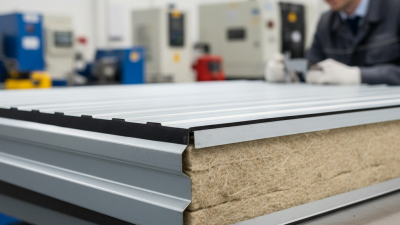
Lately, there's been a big surge in demand for high-quality insulated roof panels. You know, these panels aren’t just about making buildings more energy-efficient—they also boost their overall durability. China’s manufacturing industry has really stepped up to meet this growing need. There are tons of factories specializing in producing top-notch insulated roof solutions, and some are pretty advanced in what they do.
When you're thinking about choosing insulated roof options, it’s super important to look into who’s making them. Not all factories are created equal. Some have definitely earned a solid reputation—they focus on innovative techniques and stick to strict quality standards. But, honestly, not everyone hits the mark, which can get pretty confusing for buyers trying to figure out who to trust. A lot of folks tend to overlook key factors like where the materials come from and how well the insulation actually performs.
Among the big players, there’s a mix of the well-known giants and smaller, more specialized companies. Some are recognized for their cutting-edge tech, while others really shine when it comes to customizing solutions. It’s really worth doing your homework and checking out each factory carefully. That way, you can make sure you’re partnering with the right company for your roof project. Finding that balance between quality and cost isn’t always straightforward either, so taking your time and making informed decisions can save you a lot of headaches down the line.
Overview of CE Certification for Insulated Roof Panels in China
CE certification is a critical standard for Insulated Roof Panels used in construction. It indicates compliance with European safety, health, and environmental protection standards. In China, manufacturers producing insulated roof panels strive to meet these stringent requirements. This is essential for products intended for export, especially to European markets.
The CE certification process involves rigorous testing and evaluation. Factories must demonstrate the durability of their insulated roof panels, ensuring they can withstand various weather conditions. Quality control remains a significant challenge in this process. Many manufacturers struggle with maintaining consistent product quality while adhering to certification processes. This inconsistency can lead to delays and increasing costs.
Navigating the CE certification process can feel overwhelming for many manufacturers. The regulations may seem complex and require specialized knowledge. Yet, factories that excel in this area often gain a competitive advantage. They enhance their credibility and build trust with clients. Investing time and resources into understanding CE certification is vital for any factory producing insulated roof panels.
Top 10 China CE Certification Insulated Roof Panels Factories
| Factory Location |
Production Capacity (units/month) |
Main Product Type |
Years of Experience |
ISO Certification |
| Guangdong |
150,000 |
EPS Panels |
10 |
ISO 9001 |
| Zhejiang |
200,000 |
Rockwool Panels |
15 |
ISO 14001 |
| Shandong |
120,000 |
PU Sandwich Panels |
8 |
ISO 45001 |
| Sichuan |
90,000 |
Aluminum Panels |
12 |
ISO 9001 |
| Henan |
160,000 |
Fiber Cement Panels |
20 |
ISO 14001 |
Criteria for Selecting Top Insulated Roof Panel Manufacturers
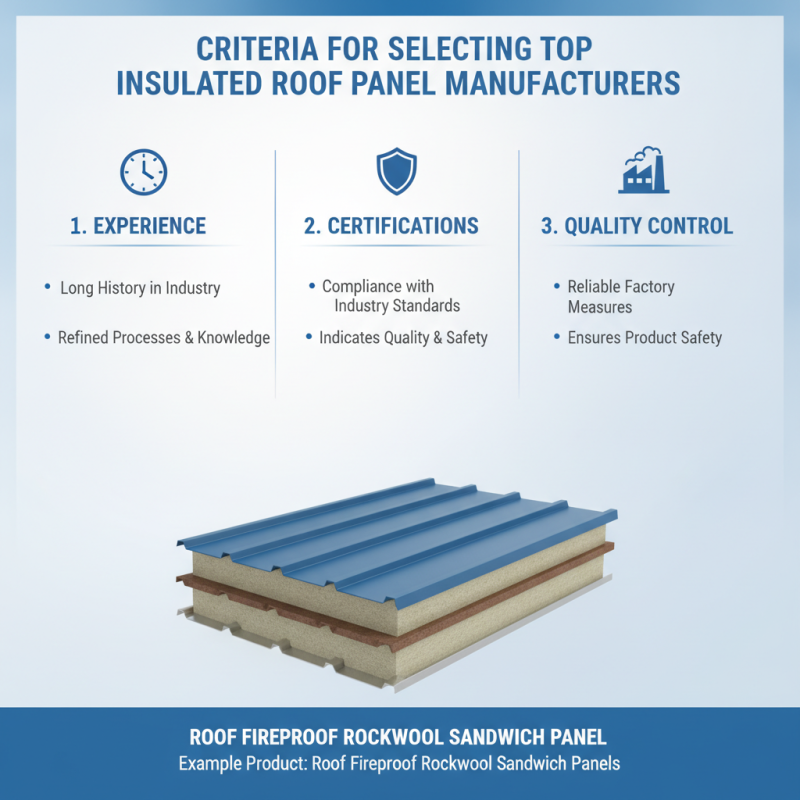
When selecting insulated roof panel manufacturers, experience is crucial. Look for companies with a long history in the industry. They often have refined their production processes over time. Experienced manufacturers tend to have better product knowledge. This can lead to higher quality materials. Seek firms that have various certifications, indicating compliance with industry standards. Factories should have reliable quality control measures in place to ensure their products, like Roof Fireproof Rockwool Sandwich Panels, meet safety regulations.
Another important criterion is innovation. Companies that invest in research and development can produce advanced products. They are likely to incorporate the latest technology and materials. Additionally, customer reviews provide insight into a manufacturer's reliability. Reading these can help gauge how well a company serves its clients. Look for detailed feedback on product performance and post-sale support. It’s a good practice to visit factories when possible. This can offer firsthand knowledge of production capabilities and working conditions.
Not all factories meet high standards, so thorough research is necessary. Some may have elegant marketing but lack substance. Delve deeper into their manufacturing practices. Evaluate their sourcing of raw materials. This scrutiny can reveal much about a company's ethics and reliability. Quality insulated roof panels require a commitment to excellence, not just promises.
Profile of Leading Insulated Roof Panel Factories in China
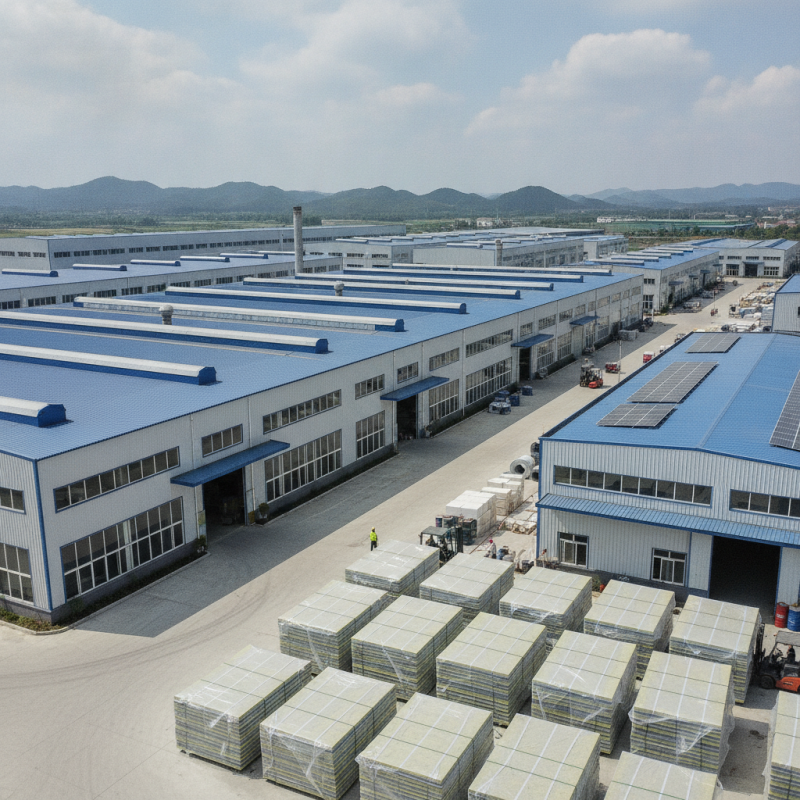
When exploring the insulated roof panel industry in China, several key factories emerge as leaders. These manufacturers excel in producing high-quality panels that meet CE certification standards. Notably, the demand for insulated roof panels has surged, driven by the real estate and construction sectors. According to a recent market report, the insulated roof panel market in China is expected to grow at a CAGR of 8.2% from 2023 to 2028.
Innovative technologies and sustainable practices are becoming critical in this industry. Many top factories are adopting eco-friendly materials and energy-efficient processes. This shift not only aligns with global trends but also enhances their competitive edge. Yet, quality control remains a challenge. Some manufacturers struggle to maintain consistent standards, which can impact customer trust.
Tips: When selecting a factory, consider their certification documents. Verify their production capabilities. Understand their commitment to sustainability. Not all manufacturers prioritize these essential factors, which could lead to issues later. As the market evolves, staying informed is crucial. Research factory histories and gather customer feedback to make informed choices.
Top 10 China CE Certification Insulated Roof Panels Production Capacity
Innovative Technologies in Insulated Roof Panel Production
The production of insulated roof panels has evolved significantly, driven by innovative technologies. Industry reports indicate that advanced manufacturing processes are leading to improved thermal performance and energy efficiency. For example, closed-cell foam insulation is gaining traction for its superior R-value. This translates to better energy conservation in buildings, reflecting a 30% reduction in heating costs in some assessments.
Additionally, the use of new materials has altered traditional Roof Structure Materials. Polyurethane and polyisocyanurate options are becoming commonplace. These materials provide lightweight solutions without compromising strength. Recent data suggests that panels made from these substances can reduce overall structural load, allowing for more versatile design options. Despite advancements, challenges remain, such as the need for compliance with varying regulations and ensuring long-term durability.
Sustainability is another key factor in the industry. Companies are exploring eco-friendly materials and production methods. Reports show that 45% of manufacturers intend to implement greener practices over the next five years. However, there is still much to do to fully integrate sustainability across the sector. Continuous research and development efforts are critical in helping the industry align with environmental goals while maintaining high-quality standards.
Quality Control Measures in CE Certified Factories
When it comes to CE certified factories producing insulated roof panels in China, quality control plays a crucial role. Without effective measures, products can fail to meet safety standards. Certified factories often implement strict protocols to ensure reliability throughout the production process. This includes regular inspections of raw materials and finished products.
Tips: Always look for factories that emphasize transparency in their quality control processes. Ask for documentation of quality checks to understand their commitment to compliance.
A reliable factory uses advanced technology. Automated systems may track defects in real time. Manual inspection also remains vital, as it provides a human touch that machines may overlook. Even in the most competent factories, occasional flaws can occur. However, the key lies in their ability to learn from these mistakes and improve processes continuously.
Tips: Don't hesitate to request samples to evaluate quality firsthand. A factory willing to provide samples demonstrates confidence in their production standards and quality assurance.
Market Trends and Demand for Insulated Roof Panels in China
The market for insulated roof panels in China is growing steadily. This trend reflects an increased demand for energy-efficient solutions in construction. Many builders prioritize thermal insulation to reduce energy costs. Insulated roof panels offer excellent thermal performance, providing homeowners with a comfortable living environment.
In recent years, the focus has shifted toward sustainable materials. Manufacturers are experimenting with new compositions. Some panels use recycled materials, contributing to environmental conservation. However, not all factories uphold these standards. It is essential to research certifications and sustainability practices. Consumers need reliable options that align with their values.
While the demand rises, challenges also exist. Some manufacturers struggle with quality control. The inconsistency can affect durability and insulation performance. Buyers should seek trusted suppliers to ensure they receive high-quality products. Careful selection can mitigate potential risks associated with inferior panels. This market requires a vigilant approach from consumers and builders alike.
Future Outlook for the Insulated Roof Panel Industry in China
The insulated roof panel industry in China is poised for significant growth. Factors such as
rising energy costs and an increasing
focus on sustainability are driving this trend.
Many factories are adopting advanced technologies to enhance production efficiency.
This shift creates high-quality insulated products that meet stringent CE certification standards.
Tips: When considering insulated roof panels, check for certifications. Not all factories
prioritize quality. Research each manufacturer thoroughly. Look for those with a proven
track record and positive customer feedback.
The future of insulated roof panels, particularly
Metal Sandwich Panel Roof types, seems bright.
Demand for energy-efficient roofing is rising, especially in commercial construction.
A challenge exists: staying innovative while maintaining affordability.
Manufacturers must balance these needs to thrive in a competitive market.
Remember, not every factory meets quality standards. Be cautious and ask for samples before
making large orders. This can reveal potential issues early on, allowing for better decisions.
Enhancing Energy Efficiency with Framed Metal-Integrated Insulated Curtain Walls: Insights from Industry Data Reports
在当今建筑行业,提升能源效率已成为设计和施工中不可或缺的一部分。帧金属集成绝缘幕墙以其独特的结构和优越的性能,正逐渐成为市场的热门选择。根据行业数据报告,合理使用这类产品不仅能有效隔绝外部温度的影响,还能降低建筑的能源消耗,进而促进可持续发展。
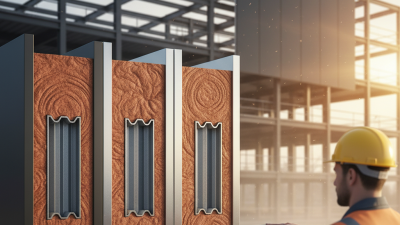
关于产品的标准规格,这些幕墙板的厚度可供选择80mm、100mm和120mm,甚至可以根据特定项目需求提供其他厚度。这种灵活性使得客户能够在保证隔热效果的同时,满足不同建筑设计的需求。在材料方面,外层可采用预涂铝板、钢板、钛锌板、铜板或不锈钢板,各种材料的耐用性和美观性,使幕墙适用于多种建筑风格。
核心材料方面,高品质的疏水岩棉为绝热提供了有效保障,确保在不同气候条件下的稳定性能。加之采用了热塑性双组分聚氨酯PU胶粘剂,在安装过程中确保了各组件的紧密结合,有效防止冷或热空气的渗透。外表涂层如LUXACOTE和PVDF的应用,则不仅提升了外观,还大幅度提升了幕墙的耐久性和抗污染能力。这些因素共同作用,成就了帧金属集成绝缘幕墙的卓越性能,是提升建筑能源效率的重要工具。
FAQS
: CE certification indicates compliance with European safety, health, and environmental standards for insulated roof panels.
It is essential for products aimed at the European market, ensuring they meet strict quality and safety standards.
Maintaining consistent product quality while adhering to complex regulations can be difficult and costly for many manufacturers.
Advanced manufacturing processes have improved thermal performance and energy efficiency, leading to better insulation solutions.
Polyurethane and polyisocyanurate are now common, offering lightweight and strong solutions for construction needs.
Many companies plan to adopt greener practices, with 45% intending to integrate eco-friendly materials over the next five years.
The industry is expected to grow due to rising energy costs and a focus on sustainability and advanced technologies.
Always check for certifications and research manufacturers; not all prioritize quality and consistency in their products.
Request samples to identify potential issues early, which can lead to better-informed decisions and mitigate risks.
Balancing innovation with affordability remains a challenge as manufacturers strive to meet market demands and standards.
Conclusion
This article provides a comprehensive overview of the insulated roof panel industry in China, focusing on the significance of CE certification for ensuring quality and safety standards. It outlines the criteria for selecting top manufacturers, emphasizing innovation and reliable quality control measures that CE-certified factories employ. The discussion extends to the profiles of leading insulated roof panel factories, highlighting their advancements in production technologies.
Additionally, the article analyzes market trends and the growing demand for insulated roof panels, reflecting on the industry's future outlook. As energy efficiency and durability become increasingly important in construction, the insulated roof panel sector is positioned for growth, driven by innovations and enhanced manufacturing practices.