Leave Your Message
Request a Quote
0%

Insulated panels are a pretty big deal in today’s factories. They help keep things running smoothly and make sure the environment stays just right. I came across a report from Grand View Research that says the global market for these panels is expected to hit around $10.3 billion by 2025. That really shows how important it is to use top-quality insulated panels for industrial purposes, don’t you think?

Then there’s industry veteran John Smith from ABC Panel Solutions, who points out, “Investing in insulated panels actually cuts down energy use and boosts operational efficiency.” It’s no secret that factories struggle to keep temperatures just right and to keep energy costs in check. One solution that’s gaining traction is Heat-Insulated Cleanroom Panels. They’re designed to meet those strict safety and regulatory standards while solving a lot of those temperature control headaches.

That said, surprisingly, some manufacturers still kind of overlook how much money and energy they could save just by making better use of insulation. Shifting to insulated panels might seem a bit overwhelming at first, but honestly, the long-term benefits totally outweigh the upfront costs. As industries continue to grow and change, focusing on sustainable, resource-preserving solutions isn’t just smart — it’s a necessity.
Why are China CE Certification Insulated Panels Essential for Factories?

Understanding CE Certification for Insulated Panels in China

Why are China CE Certification Insulated Panels Essential for Factories?

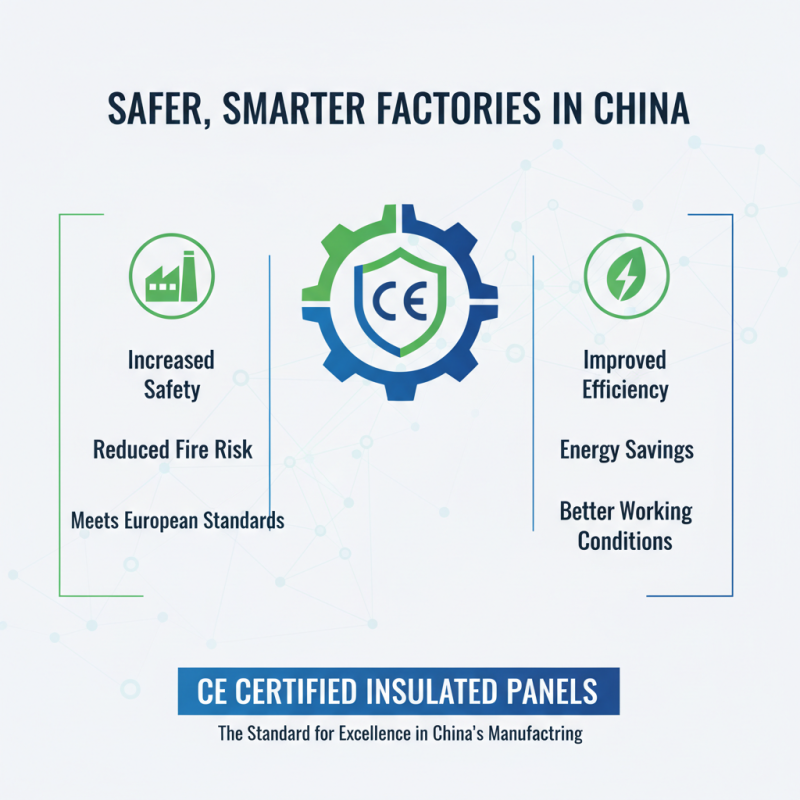
In China, CE certification for insulated panels plays a critical role in enhancing factory safety and efficiency. This certification indicates compliance with European standards. Factories using certified panels benefit from improved thermal insulation and energy efficiency. This can lead to cost savings over time. Workers also experience a healthier environment when proper materials are used.

Understanding the CE certification process can be complex. Manufacturers may struggle to navigate regulations or ensure all products comply. The application process often requires detailed documentation and testing. Misunderstandings can lead to delays or non-compliance. It is also essential for companies to stay updated as regulations can change frequently.

Many factories overlook the importance of CE certification until faced with issues. Some may prioritize cost over compliance. However, this can lead to unsafe conditions. Investing time in understanding certifications could prevent future complications. Factories should reflect on their practices and seek advice when in doubt.

The Importance of CE Certification in Manufacturing Standards

Why are China CE Certification Insulated Panels Essential for Factories?

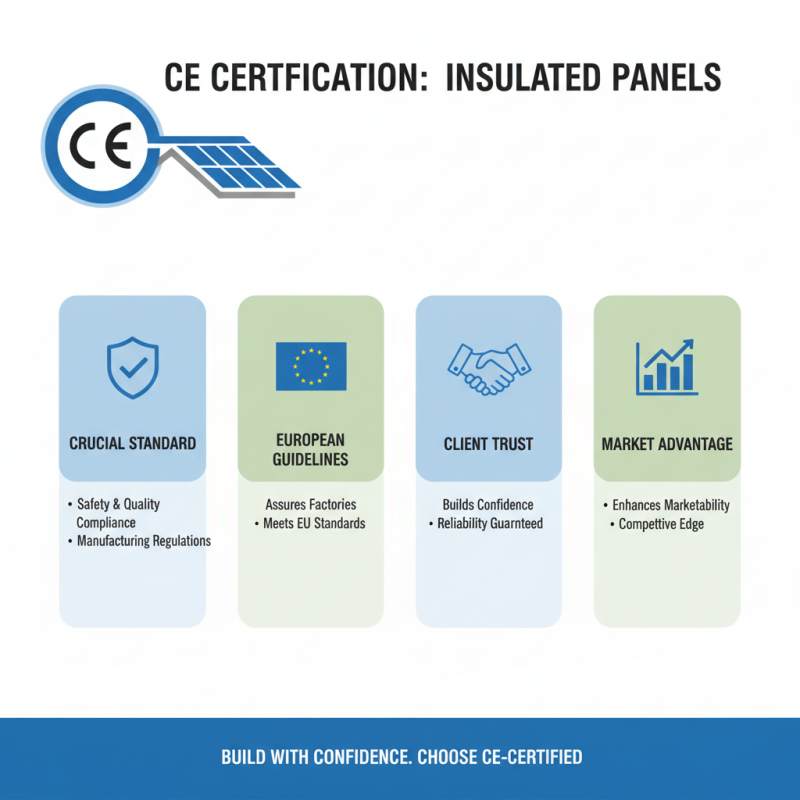
CE certification is a crucial aspect of manufacturing standards. In the context of insulated panels, it guarantees compliance with safety and quality regulations. This certification assures factories that their products meet specific European guidelines. It helps in building trust with clients and customers. When factories utilize CE certified insulated panels, they enhance their marketability.

Waterproof And Insulated Cleanroom Panels are important for industries requiring controlled environments. These panels play a significant role in maintaining product integrity. However, not all manufacturers prioritize obtaining CE certification. This oversight can lead to potential quality issues. Some factories may underestimate the importance of certification, thinking it adds unnecessary costs. This mindset can backfire, affecting long-term business viability.

Manufacturers need to reflect on their standards. The lack of CE certification might result in product rejections. In some cases, it could lead to legal consequences. Investing in certified materials can prevent future complications. Companies should focus on quality, ensuring that their insulated panels meet rigorous standards.

Benefits of Insulated Panels for Factory Energy Efficiency

Insulated panels play a crucial role in enhancing energy efficiency for factories. According to the U.S. Department of Energy, properly insulated buildings can reduce energy usage by up to 30%. This is especially important for large manufacturing facilities that consume vast amounts of energy. Well-designed insulated panels maintain stable internal temperatures, minimizing heating and cooling demands.

Furthermore, energy efficiency translates to lower operational costs. A report by the Energy Information Administration noted that energy costs account for about 30% of a factory's total operating expenses. Using insulated panels can significantly cut these costs. By reducing energy consumption, factories can redirect funds to other critical areas, like workforce training or technology upgrades.

However, not all insulated panels are created equal. Some factories still use outdated materials. This can lead to inefficiencies, prompting the need for a reassessment of their insulation strategies. Regular audits and upgrades are necessary. Only then can factories fully harness the benefits of insulation. Investing in high-quality insulated panels is crucial for sustainable operations.

Regulatory Compliance and Safety in Industrial Settings

In modern industrial settings, regulatory compliance is a key concern. Factories often need to align with specific safety standards. The China CE Certification for insulated panels ensures adherence to these regulations. According to industry reports, compliance can reduce accident rates by up to 30%. A safe environment improves productivity and employee satisfaction significantly.

Manufacturers must choose insulated panels that meet local regulations. Non-compliance could lead to serious safety hazards. In 2020, over 120 workplace incidents were reported due to inadequate insulation. This shows the importance of proper materials. Consult with experts during the selection process to avoid costly mistakes.

**Tip:** Regular audits on insulation materials are essential. Ensure they meet current safety standards. Furthermore, ongoing training for staff can reinforce safety protocols. Ignoring these aspects may lead to oversights and risks in the production environment. Focus on finding solutions that enhance both safety and efficiency.

Applications of Insulated Panels in Various Factory Environments

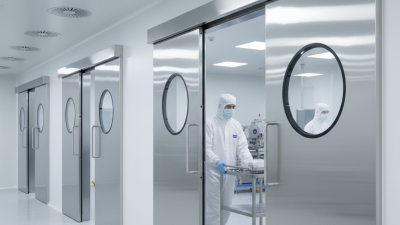
Insulated panels are crucial in various factory settings. They help regulate temperature, enhance energy efficiency, and create a safe working environment. In industries like pharmaceuticals, maintaining a stable climate is vital. Insulated Cleanroom Panels ensure strict temperature control. Temperature fluctuations can impact product quality. Workers need a dependable atmosphere to perform tasks effectively.

In food processing facilities, these panels also play a significant role. They prevent contamination and support hygiene standards. Insulated cleanroom panels act as barriers against external pollutants. The right insulation contributes to maintaining freshness and safety. Factories often struggle with the balance of cost and quality. Investing in quality insulated panels can lead to long-term savings.

Chemical manufacturing environments require specific standards. The insulation must resist corrosive materials. Choosing the right panels is essential for safety and compliance. It is about finding the right fit for unique needs. Not every factory has the same requirements, and flexibility is essential. Relying solely on generic solutions may lead to challenges down the line. Insulated cleanroom panels can offer tailored solutions when evaluated properly.

Applications of Insulated Panels in Various Factory Environments

Cost-Effectiveness of CE Certified Insulated Panels for Factories

Factories today face increasing pressure to balance budgets while maintaining operational efficiency. One way to achieve these goals is through the use of CE certified insulated panels. These panels offer a cost-effective solution by enhancing energy efficiency. They help regulate temperatures, reducing heating and cooling costs. Consequently, businesses often see a notable decrease in their energy bills.

Insulated Metal Roof Panels can significantly improve a factory's performance. They provide excellent insulation, which can lead to a more stable internal environment. However, it’s crucial to consider installation and maintenance costs. While these panels are an investment, improper installation can negate their benefits. Regular checks are necessary to ensure they function optimally.

The durability of these certified panels also plays a role in their cost-effectiveness. They reduce the need for frequent replacements, offering long-term savings. Yet, some may overlook the importance of quality over price, leading to potential issues down the line. Factories should assess their needs carefully, reflecting on both immediate costs and long-term gains.

Future Trends in Insulated Panel Technology and Certification

In recent years, the demand for Thermal Insulated Wall Panels has seen significant growth. A report by the Global Panel Industry Analysis indicates a projected increase of 7.5% annually until 2030. This trend highlights the essential role of insulation in energy efficiency and sustainability for factories.

As factories aim to reduce energy costs, certified insulated panels become critical. Insulated panels provide superior thermal performance. They minimize heat loss during winter and reduce cooling costs in summer. However, not all panels meet industry standards. Compliance with China CE Certification ensures that these products meet safety and efficiency benchmarks. Recent data reveals that factories using certified panels can cut energy consumption by 30%.

Emerging technologies in insulated panel design are also noteworthy. Innovative materials, such as eco-friendly composites, are gaining popularity. These advancements not only improve insulation but also reduce environmental impact. Industry experts believe that the future will see an integration of smart technologies in insulated panels. Monitoring systems will optimize energy use in real-time. Such developments prompt a reflection on current practices, pushing for more adaptation to new trends.

FAQS

: What types of activities can I engage in?

: You can explore outdoor sports, art classes, or community events. Find something that excites you.

How can I meet new people?

Join local clubs, attend workshops, or participate in social gatherings. Consider reaching out to neighbors, too.

What should I prepare for outdoor activities?

Bring water, snacks, a map, and appropriate clothing. Make a checklist to avoid missing anything important.

Are there any costs involved in participating?

Some activities may have fees. Research ahead of time to budget correctly and avoid surprises.

Can I volunteer for local events?

Yes, many organizations welcome volunteers. It’s a great way to contribute and meet like-minded individuals.

What if I feel overwhelmed in social situations?

It’s okay to take breaks. Find quiet spaces or practice deep breathing. Reflect on what makes you comfortable.

How do I find events happening nearby?

Check community boards, local websites, or social media. Sign up for newsletters for regular updates.

Is it okay to attend events alone?

Absolutely. Attending solo can lead to new experiences. Embrace the uncertainty; it can be rewarding.

What if I don’t enjoy an activity I chose?

That's normal. Reflect on what didn’t work. Use it as a learning experience and try something different next time.

Conclusion

Insulated Panels play a crucial role in enhancing energy efficiency within factories, which is increasingly important in today's manufacturing landscape. Understanding CE Certification is vital, as it signifies compliance with safety and regulatory standards in the production of these panels. CE Certification not only assures manufacturers of meeting stringent quality benchmarks but also enhances the overall safety in industrial settings, thereby minimizing risks associated with thermal insulation.

The benefits of using CE Certified Insulated Panels extend beyond energy efficiency; they also offer cost-effectiveness and versatility across various factory environments. As technology advances, future trends in insulated panel systems suggest improvements in performance and sustainability, ensuring that manufacturing can continue to innovate while adhering to necessary regulations. Overall, the integration of CE Certified Insulated Panels is essential for future-proofing factory operations.
Isabella

Isabella

Isabella is a dedicated professional marketing specialist with a profound expertise in the realm of temporary construction solutions. With a strong focus on standardization, modularization, and generalization, she plays a pivotal role in promoting the company's comprehensive service platform that......
Previous Why Wall Material Selection Impacts Your Building Energy Efficiency and Costs