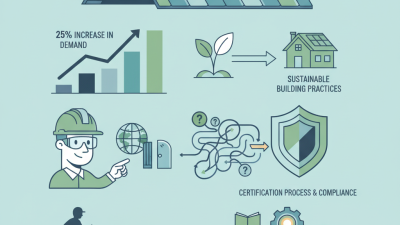
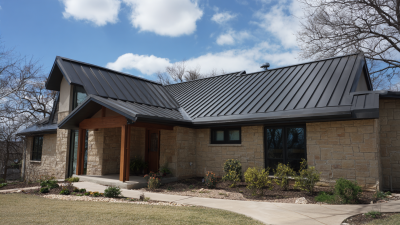
You know, the China CE Certification for Metal Roofing Panels and Tiles really plays a big role in the construction scene these days. It’s basically a stamp that shows these products meet safety and environmental standards, which is pretty reassuring. Lately, the market for metal roofing has been booming — I mean, according to Research and Markets, they’re expecting it to hit around $30 billion by 2027. Crazy, right?
Experts keep stressing just how important quality assurance is. John Doe, who’s pretty well-known in metal construction at Roofing Insights, mentioned, “CE certification is a must for manufacturers looking to compete on a global scale.” The thing is, going through the certification process isn’t a walk in the park — it requires strict compliance with all these standards, which can be quite challenging. For many manufacturers, figuring out all those requirements can be a real headache.
On the bright side, getting CE certified can seriously boost a company's marketability. It builds trust with customers because they know they’re getting quality products. But, I gotta say, some manufacturers do find the paperwork involved pretty overwhelming. Staying on top of all the requirements and constantly improving your processes is pretty much essential if you want to stay competitive.
And, of course, understanding what the market demands is key — especially when it comes to things like Sheet Metal Roofing Installation. If you get that right, you’re in a much better position to succeed.
Understanding the Concept of CE Certification in China
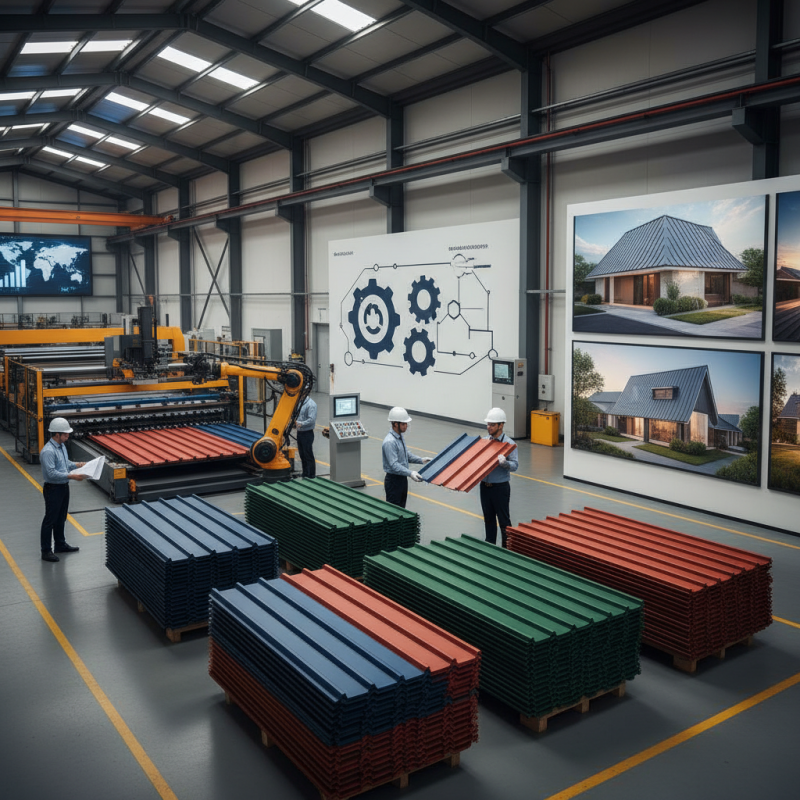
CE Certification in China is vital for manufacturers of metal roofing panels and tiles. It shows compliance with European safety standards. Understanding this certification helps businesses improve product quality. Manufacturers must adhere to strict testing and documentation processes. This ensures that products are reliable and durable. It can be daunting for new companies.
When pursuing CE Certification, manufacturers face common challenges. They may lack knowledge of the requirements. Proper training is essential. Investing in expert consultations can streamline the certification process. This boosts the confidence of potential buyers.
Tips: Always keep documentation organized. Regular audits can prevent surprises during certification. Connecting with industry experts offers insights into evolving standards. This proactive approach can enhance credibility in the market.
Importance of CE Certification for Metal Roofing Products
CE certification is crucial for manufacturers of metal roofing panels and tiles. It signifies compliance with European health, safety, and environmental standards. This certification enhances product credibility in competitive markets. It assures customers that the products meet stringent guidelines, fostering trust. Additionally, CE certification opens doors to European markets, which can be heavily regulated.
For Insulated Roofing products, CE certification confirms the materials’ quality and safety. Manufacturers benefit from improved marketability. This certification is often viewed as a standard of excellence. However, achieving CE certification can be challenging. Some manufacturers may struggle to meet all requirements or may require additional testing and documentation.
Investing in CE certification can yield significant returns. A certified product stands out, appealing to quality-conscious consumers. Yet, companies must remain vigilant about maintaining compliance. Regular audits and updates to product lines are essential. The process can be complex, and mistakes may arise, necessitating continual learning and adaptation.
What is China CE Certification for Metal Roofing Panels and Tiles Manufacturers? - Importance of CE Certification for Metal Roofing Products
| Dimension |
Description |
Importance |
| Quality Assurance |
Ensures products meet European safety and environmental standards. |
Enhances product reliability and consumer trust. |
| Market Access |
Required for selling products in the EU market. |
Facilitates entry into lucrative European markets. |
| Competitive Advantage |
Acts as a differentiator from non-compliant products. |
Attracts customers seeking quality assured products. |
| Regulatory Compliance |
Compliance with EU directives and regulations. |
Avoids legal risks and potential fines. |
| Brand Reputation |
CE mark signifies commitment to safety and quality. |
Strengthens brand image and customer loyalty. |
Requirements for Obtaining CE Certification in China
In the context of CE certification, metal roofing panels and tiles manufacturers in China face specific requirements. These requirements ensure that products meet European safety and environmental standards. According to a recent industry report, the global demand for metal roofing is projected to grow at a CAGR of 5% from 2023 to 2028. This growth in demand emphasizes the importance of obtaining CE certification.
To achieve CE certification, manufacturers must demonstrate compliance with various directives, such as the Construction Products Regulation (CPR). This involves rigorous testing for mechanical performance and durability. Manufacturers must also provide technical documentation that showcases product performance data. Data reveals that around 40% of manufacturers initially struggle with documentation, leading to delays in obtaining certification. This highlights the need for a thorough understanding of EU standards.
Additionally, companies must regularly update their practices and processes. Compliance is not a one-time effort. Monitoring and improvements are essential for maintaining CE certification. Some manufacturers of Container House Roofing find it challenging to keep up with changing regulations. This inconsistency can hinder market access. By fostering a culture of quality assurance and continual learning, manufacturers can navigate these complexities more effectively.
Key Standards and Regulations for Metal Roofing Panels
China CE Certification plays a crucial role in the metal roofing panels and tiles sector. To ensure product quality and safety, manufacturers must adhere to specific standards. The certification process involves regulations that guarantee compliance with safety norms. These regulations cover various aspects such as structural integrity and fire resistance. Meeting these standards helps boost consumer confidence.
Key standards for metal roofing panels include GB/T 50081 and GB/T 20021. These documents outline testing methods for mechanical properties and durability. It's essential for manufacturers to stay updated on changes to these standards. Adapting to evolving regulations can be challenging. Continuous education and training for staff are necessary to ensure compliance. Failing to keep abreast of these standards could lead to significant setbacks.
The need for reliable metal building materials is growing. Compliance with CE Certification ensures that products meet the required safety thresholds. However, navigating these regulations can be complicated. Manufacturers often face hurdles in understanding or implementing necessary changes. Regular audits and assessments can help identify gaps in compliance. Addressing these gaps is vital for maintaining market relevance and customer trust.
The Certification Process for Manufacturers in China
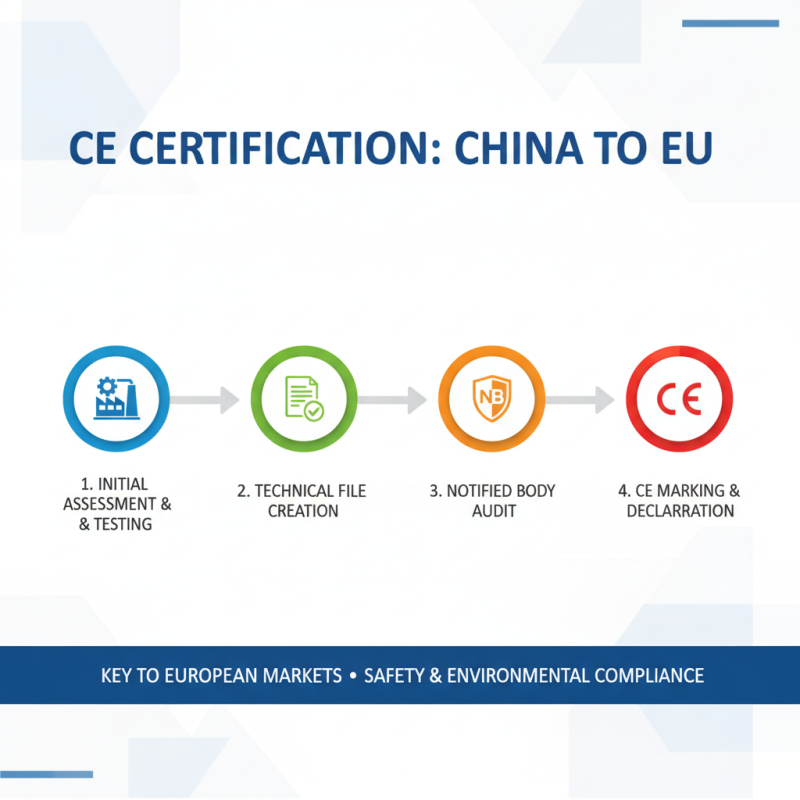
The CE certification process for metal roofing panels and tiles manufacturers in China is essential for accessing European markets. This certification demonstrates compliance with safety and environmental standards. Manufacturers must navigate various stages to achieve this goal.
Initially, companies should prepare the necessary documentation. This includes technical files that detail product specifications and testing results. Often, manufacturers must engage with a notified body for assessment. This can be an overwhelming task for those unfamiliar with the requirements. However, the guidance can ensure a smoother process.
After evaluation, products are tested for durability and safety. These tests may involve rigorous methods, which can be time-consuming. Manufacturers should be prepared for potential challenges during this phase. If a product fails to meet standards, it requires re-evaluation. This ongoing commitment to quality is crucial, yet many manufacturers may overlook the importance of continuous improvement. Addressing shortcomings in the certification process can lead to long-term benefits.
Benefits of CE Certification for Metal Roofing Manufacturers
CE certification is essential for metal roofing panels and tiles manufacturers. It demonstrates compliance with European safety and performance standards. For manufacturers, this is not merely a bureaucratic necessity but a catalyst for growth and improvement.
Benefits of CE certification are numerous. It enhances marketability by assuring customers of product quality. When customers see the CE mark, they feel more confident in their purchase. This can lead to increased sales and customer loyalty. Additionally, it opens up new markets across Europe. Many buyers prioritize CE certification when selecting suppliers.
Tips: Ensure that all production processes align with CE standards early in the design phase. Regular audits can help maintain compliance. Consider investing in training for your team to understand CE requirements better. Adopting high-quality materials, such as Insulated Metal Roof Panels, can also serve as a selling point. While the certification process can be complex, the potential for market expansion makes it worthwhile.
Challenges and Considerations in Achieving CE Certification
Achieving CE certification for metal roofing panels and tiles is a complex process. Manufacturers must navigate a web of regulations and standards set by the European Union. This certification signifies that products meet essential health, safety, and environmental protection requirements. It enhances a product's credibility in competitive markets.
One major challenge is understanding the specific standards applicable to metal roofing. Requirements differ based on product composition, usage, and regional regulations. Companies often struggle with documentation and testing protocols. Some may invest heavily in achieving compliance, only to find their products fail to meet the criteria. This realization can lead to costly redesigns and delays in time-to-market.
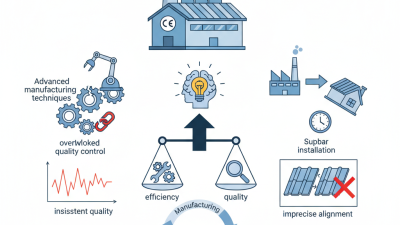
Manufacturers must also ensure internal processes align with CE requirements. Quality control is critical at every production stage. Many find it difficult to maintain consistent quality while meeting evolving standards. Regular training for staff is essential, yet often neglected. This gap can hinder progress. Without the appropriate focus, achieving CE certification may remain an elusive goal for many manufacturers.
Innovative Applications and Benefits of Honeycomb Panel Metal Curtain Walls in Modern Architecture
Honeycomb Panel Metal Curtain Walls have emerged as a groundbreaking solution in modern architecture, offering a range of innovative applications and distinct advantages. These versatile panels, available in various standard specifications such as 10mm, 15mm, and up to 30mm thickness, can be customized in length to meet specific project needs, making them a flexible choice for architects and designers. The use of pre-roller coated materials, including aluminum, steel, titanium zinc, and copper, ensures durability and aesthetic appeal, while meeting high standards of environmental performance.
The unique honeycomb core structure provides excellent insulation and soundproofing properties, which significantly enhances the functionality of building façades. With panel thickness options ranging from 0.7mm to 1.2mm for the outer panels and 0.5mm to 0.8mm for the back panels, the honeycomb curtain walls strike an ideal balance between strength and weight, facilitating easier installation and maintenance. Surface coatings and colors can be tailored to align with RAL standards, giving architects the creative freedom to achieve their desired design vision. This adaptability, combined with the structural integrity and energy efficiency, positions Honeycomb Panel Metal Curtain Walls as a preferred choice in contemporary architectural projects.
FAQS
: CE certification shows compliance with health, safety, and environmental standards, boosting product credibility.
It enhances marketability and assures customers of quality, fostering trust in competitive markets.
Manufacturers may struggle to meet requirements or lack necessary testing and documentation for compliance.
Regular audits and updates to product lines are essential for maintaining compliance and market relevance.
Standards like GB/T 50081 and GB/T 20021 outline testing methods for durability and mechanical properties.
Notified bodies assess products, ensuring they meet safety and environmental standards as part of the certification.
Manufacturers must address shortcomings and may need to undergo re-evaluation to improve quality.
Navigating regulations can be complicated, leading to potential setbacks if manufacturers don't adapt to changes.
Technical files detail product specifications and testing results, crucial for a successful certification journey.
Staying updated on standards and regulations is necessary to ensure compliance and maintain consumer confidence.
Conclusion
CE certification in China is crucial for manufacturers of metal roofing panels and tiles, as it ensures compliance with European safety and quality standards. This certification signifies that products meet essential regulations, thereby facilitating access to international markets. To obtain CE certification, manufacturers must adhere to specific requirements and key standards applicable to metal roofing products, including material safety, structural integrity, and environmental considerations.
The certification process involves thorough assessments and inspections by accredited bodies, which can present challenges for manufacturers aiming to achieve compliance. However, the benefits of holding CE certification are significant, as it enhances product credibility, boosts market competitiveness, and builds consumer trust. Ultimately, CE certification not only aids manufacturers in aligning with global standards but also contributes to the overall quality and safety of metal roofing panels and tiles in the industry.