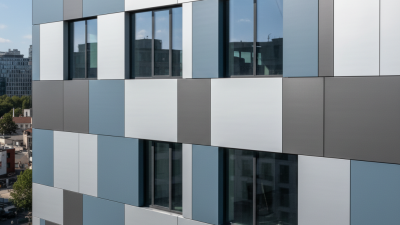
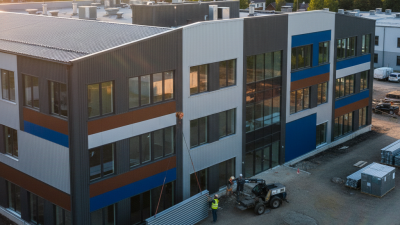
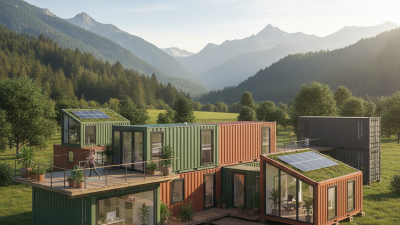
Lately, there’s been a pretty big boost in the global demand for high-quality aluminium wall panels. Companies like China Best Aluminium Wall Panel Supplier are really stepping up as go-to sources for folks all over the world. I think industry veteran David Green, a materials engineer, sums it up well when he says, "The future of construction is all about lightweight yet tough materials like Aluminium Wall Panels." That really shows just how important these panels are in shaping modern architecture.
Figuring out which supplier to go with can be kinda tricky sometimes. People often wonder: who actually delivers on quality and reliability? It’s super important to look at a supplier’s experience and the quality of their materials. These panels are super popular because they’re not just durable but also look great, making them a versatile choice for lots of different projects. But heads up— not all suppliers are created equal. Some might cut corners to save costs, which can mean lower quality stuff.
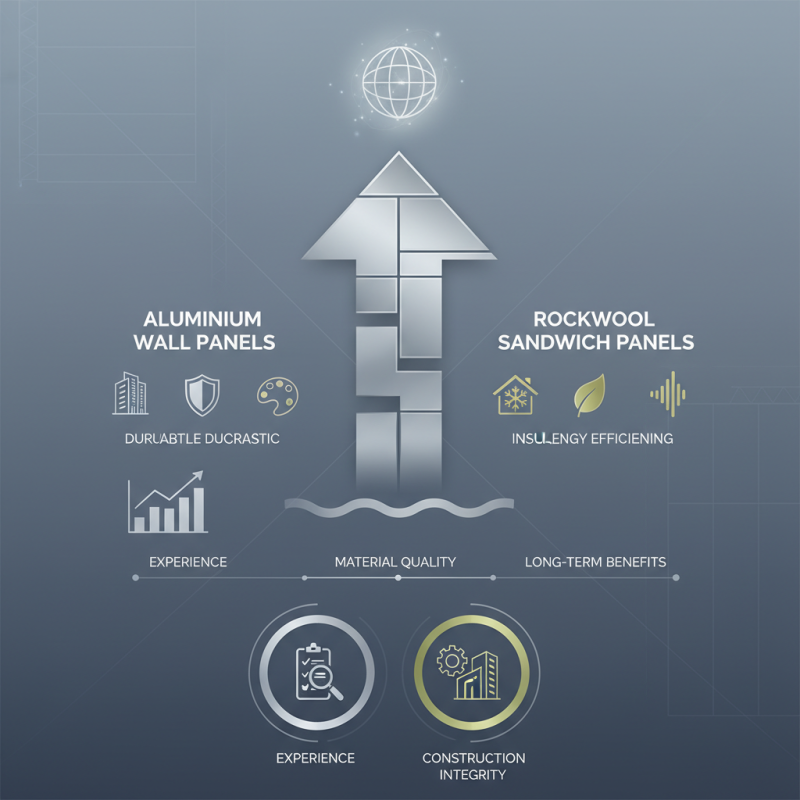
On top of aluminium wall panels, products like Exterior Wall Rockwool Sandwich Panels are also catching on. They’re awesome because they offer excellent insulation and help with energy efficiency. The thing is, not all suppliers carry both options or have the same standards. So, it’s definitely worth taking your time and thinking it through—especially considering the long-term benefits and how these materials impact the overall integrity of your build.
China's Aluminium Wall Panel Market Overview and Growth Statistics
China's aluminium wall panel market is witnessing significant growth. According to industry reports, the market is projected to expand at a CAGR of 8.5% from 2021 to 2026. This growth is driven by increased construction activities and rising demand for sustainable materials. The shift towards energy-efficient buildings fuels the need for lightweight and durable panels.
Urbanization in China is propelling this market further. By 2023, over 60% of the population will be living in urban areas. This urban boom leads to increased investment in commercial and residential construction. A report indicates that the aluminium wall panel segment could reach a valuation of nearly $2 billion by 2025. However, companies must navigate challenges like fluctuating raw material prices and stringent environmental regulations.
The global demand for aluminium wall panels is also escalating. Europe and North America show interest in environmentally friendly materials. Currently, Asia Pacific dominates the market, but shifts in trends are evident. Companies must adapt to these changes swiftly. Those who do not may find themselves struggling to compete. Global buyers are looking for reliable suppliers who can offer quality products and innovative designs.
Key Manufacturers in China's Aluminium Wall Panel Industry
In the dynamic world of construction, aluminium wall panels play a crucial role. China has emerged as a prominent player, known for producing high-quality materials. Several manufacturers lead the industry, each offering unique advantages. Their products vary in durability, aesthetic appeal, and cost efficiency, catering to diverse global markets.
Choosing the right supplier involves careful evaluation. One must consider the manufacturer's production capacity, quality control measures, and certifications. Conducting background checks on these companies can reveal valuable information. It's also beneficial to look for customer reviews to assess reliability.
**Tip:** Prioritize suppliers with comprehensive service offerings. They should provide installation support and after-sales services. This ensures a smoother experience and enhances project efficiency.
Importantly, challenges exist in selecting a supplier. Some may overstate capabilities or fail to meet deadlines. A thorough understanding of the potential risks can aid in mitigation. Evaluating sample products before bulk purchasing is advisable. This can highlight any material differences or inconsistencies.
**Tip:** Regular communication during the procurement process can prevent misunderstandings. A clear line of dialogue fosters a stronger partnership, leading to better results.
Aluminium Wall Panel Production Volume by Region (2022)
Global Demand for Aluminium Wall Panels: Trends and Projections
The demand for aluminium wall panels is soaring globally. Architects and builders increasingly prefer these panels for their durability and aesthetic appeal. They are lightweight and offer excellent insulation, making them suitable for various climates. However, buyers need to be aware of regional variances in quality and supply. This can influence project costs significantly.
Sustainability trends are also impacting the market. Many customers now seek environmentally friendly materials. The Wall Fireproof Rockwool Sandwich Panel stands out, combining fire resistance with insulation properties. This type not only enhances safety but also contributes to energy efficiency in buildings. However, suppliers must ensure consistent availability and quality to meet evolving demands.
The projection for aluminium wall panels appears optimistic, yet challenges remain. Geopolitical tensions can affect supply chains. Companies need to adapt to these changes rapidly. Buyers should conduct thorough research before selecting suppliers. Making informed choices is crucial in this dynamic landscape.
Quality Standards for Aluminium Wall Panels: A Comparative Analysis
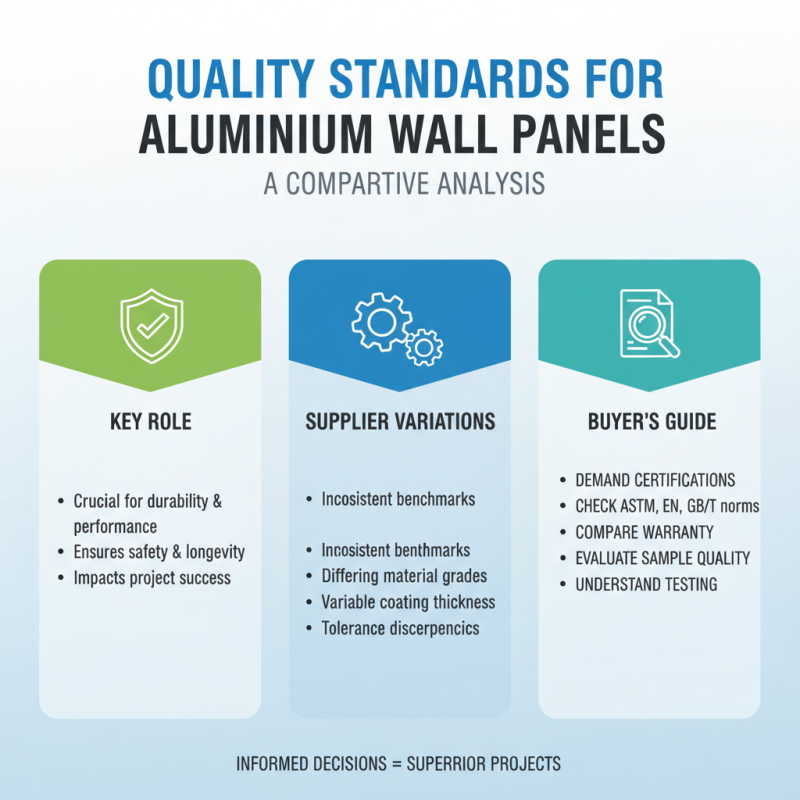
When selecting aluminium wall panels, quality standards play a crucial role. Different suppliers may have varying benchmarks for their products. This inconsistency can create confusion among buyers. Understanding these standards is essential for making informed decisions.
A comparative analysis of aluminium wall panels reveals several key factors. Durability is critical; panels must withstand environmental stressors. Strength is another important aspect. Panels should exhibit resistance to impact and weather. Technology advancements can lead to innovations in manufacturing processes. As a result, some panels outperform others in real-world conditions.
Buyers should also consider how these panels integrate with other materials. For example, the Building Exterior Wall Rockwool Sandwich Panel offers added insulation. This could improve energy efficiency in buildings. However, some may overlook the importance of certification. Only certified panels guarantee adherence to safety and performance criteria. There’s always room for improvement in production methods, ensuring higher standards for future generations.
Sustainability Practices in China's Aluminium Panel Production
China's aluminium panel production is increasingly focusing on sustainability. As global awareness of environmental issues rises, manufacturers are adapting. Reports indicate that over 80% of aluminium producers are implementing recycling processes. This is a significant move in reducing carbon emissions. Most production plants are now adopting renewable energy sources. This shift is vital for improving sustainability metrics.
However, challenges remain. Some producers still lack efficient waste management strategies. Approximately 30% of aluminium waste goes unrecycled, which undermines progress. Improvements in energy efficiency are needed. A recent study revealed only 60% of these facilities meet the energy consumption benchmarks set by industry standards. The industry must strive for better practices.
Exterior Wall Fireproof Rockwool Sandwich Panel solutions offer another layer of sustainable options. They provide high insulation properties while ensuring fire resistance. Yet, sourcing materials ethically can be difficult. Transparency in the supply chain is essential. Overall, while strides have been made, the commitment to sustainability requires ongoing effort and reflection.
Export Trends: China's Aluminium Wall Panels in International Markets
China has emerged as a leading player in the global aluminium wall panel market. The country’s production capacity reached approximately 3 million tons in recent years. This growth reflects rising demand from international buyers. Factors driving this trend include rapid urbanization and increased construction activities worldwide. The global aluminium composite panel market is projected to reach $8.96 billion by 2025, with China maintaining a significant share.
Quality control is essential in this industry. Many Chinese suppliers adhere to international standards, ensuring product reliability. For instance, ISO 9001 certification remains a common requirement. However, some exporters struggle with maintaining consistent quality. This inconsistency can affect buyer trust and market reputation.
Tips:
When sourcing aluminium wall panels, prioritize suppliers with proven track records. Look for certifications that verify quality standards. Evaluate shipping and delivery reliability to avoid unexpected delays. Also, consider potential language barriers, which might complicate communication.
Arm yourself with market insights. According to reports, North America and Europe are major consumers of aluminium panels. However, emerging markets in Asia and Africa are showing increased interest. Suppliers need to adapt to varying regional preferences and regulations. Awareness of these trends is vital for success in international markets.
Challenges Faced by Aluminium Wall Panel Suppliers in China
China has established itself as a leading supplier of aluminium wall panels, yet it faces significant challenges. The demand for aesthetically pleasing and energy-efficient buildings drives the market. For instance, the global aluminium composite panel market is expected to grow at a CAGR of 6.6% from 2023 to 2030, according to recent industry reports. However, this rapid growth adds pressure on manufacturers to maintain quality while scaling production.
Suppliers often grapple with fluctuating raw material prices, which can affect profit margins. The high demand for Thermal Insulated Wall Panels further complicates this issue. These products require advanced manufacturing processes and technology, which can be costly. Many suppliers struggle to invest in the latest technology while keeping prices competitive. This balance is critical but challenging, reflecting a need for strategic investment decisions.
Tip: Suppliers should consider forming partnerships for shared technology costs. Additionally, staying updated on market trends and consumer preferences can help navigate these challenges effectively. Understanding regional regulations also fosters better compliance and smoother operations.
China Best Aluminium Wall Panel Supplier for Global Buyers? - Challenges Faced by Aluminium Wall Panel Suppliers in China
| Dimensions |
Weight (kg/m²) |
Thickness (mm) |
Color Options |
Market Challenges |
| 1200mm x 2400mm |
8.5 |
3.0 |
Matte White, Metallic Silver |
Rising raw material costs |
| 1250mm x 3000mm |
9.0 |
4.0 |
Glossy Black, Textured Bronze |
Competition from overseas suppliers |
| 1500mm x 3000mm |
10.5 |
5.0 |
Brushed Gold, Sanded Gray |
Regulatory compliance issues |
| 1000mm x 2000mm |
7.0 |
2.5 |
Standard White, Classic Black |
Supply chain disruptions |
| 1250mm x 2500mm |
8.0 |
3.5 |
Shiny Red, Deep Green |
Fluctuating demand |
Leveraging Customized Panel Surfaces for Innovative Design Solutions: Insights from Industry Reports and Market Trends
The innovative design landscape is rapidly evolving, with customized panel surfaces playing a pivotal role in various industries. The demand for specialized panels that cater to specific needs is growing, driven by trends that prioritize functionality, sustainability, and aesthetics. Industry reports highlight the importance of selecting the right materials, such as anti-static panels, which are essential in environments where electronic components are handled, reducing the risk of static discharge that can damage sensitive equipment.
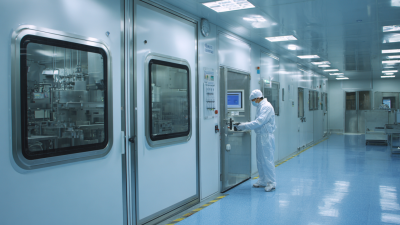
Furthermore, antimicrobial panels have gained traction in sectors that prioritize hygiene, such as healthcare and food processing. These panels inhibit the growth of harmful microorganisms, ensuring safer environments for both workers and consumers. Additional options, including stainless steel purification panels and PET corrosion-resistant panels, cater to industries requiring high durability and resistance to harsh conditions. Innovative designs using salt-coated panels can also enhance the lifespan and performance of structures exposed to corrosive environments.
As market trends continue to shift towards customization, the ability to leverage these varied panel surfaces will remain crucial. The integration of tailored solutions not only fosters improved operational efficiency but also offers unique design opportunities that can set companies apart in competitive markets. Emphasizing the advantages of specialized materials will be integral in driving future innovations in product design and application.
FAQS
: The market is projected to expand at a CAGR of 8.5%.
Increased construction activities and demand for sustainable materials drive growth.
Over 60% of the population living in urban areas boosts construction investments.
It could reach nearly $2 billion by 2025.
Fluctuating raw material prices and stringent environmental regulations can pose challenges.
It's very important; consider production capacity, quality measures, and customer reviews.
Look for suppliers that offer installation support and after-sales services.
Some suppliers may overstate capabilities or struggle to meet deadlines.
Maintain regular communication to foster a stronger partnership and ensure clarity.
Yes, evaluating samples can highlight material differences or inconsistencies.
Conclusion
China's aluminium wall panel market has seen significant growth, driven by increasing global demand and advancements in production technology. Key manufacturers in the industry are adapting to market trends, focusing on innovative designs and quality standards to meet the needs of international buyers. Comparative analyses show that quality varies across different suppliers, with sustainability practices gaining importance in production processes.
As China's aluminium wall panels continue to penetrate international markets, export trends reflect a rising interest among global buyers. However, suppliers face challenges such as fluctuating raw material costs and stringent regulations that could impact their competitiveness. Overall, China's aluminium wall panel industry is poised for ongoing development, supported by a commitment to quality and sustainability.